


Content Menu
● What an Intex Pool Pump Does
● Main Parts of an Intex Pool Pump System
>> Types of Intex pool pump filters
● Safety Rules Before Using a Intex Pool Pump
● How to Set Up an Intex Pool Pump
>> Installing pool wall fittings and valves
>> Connecting hoses to the pump and filter
● Priming and Starting Your Intex Pool Pump
>> First start‑up and inspection
● Daily Operation of an Intex Pool Pump
>> How long to run the pump each day
>> Using the correct operating mode
● Monitoring Pressure and Flow
● Cleaning the Pump Basket and Cartridge Filter
>> Cleaning the pump strainer basket
>> Maintaining a cartridge filter
● Backwashing and Rinsing a Sand Filter
● Chemical Circulation and Pool Pump Strategy
>> Mixing chemicals with the pump
>> Seasonal and weather adjustments
● Common Intex Pool Pump Problems and Fixes
>> Weak flow or no circulation
>> Air bubbles in the return jet
● Extending the Life of Your Intex Pool Pump
>> Seasonal storage and protection
● FAQ About Using a Intex Pool Pump
>> 1. How many hours a day should I run my Intex pool pump?
>> 2. Can I swim while the pool pump is running?
>> 3. How do I know when to backwash my Intex sand filter?
>> 4. Why does my Intex pool pump lose prime or suck in air?
>> 5. Do I really need GFCI protection for my Intex pool pump?
Using a Intex pool pump correctly keeps your water clean, safe, and inviting all season long. This complete guide walks you step by step through setup, daily operation, maintenance, and troubleshooting so your Intex pool pump can work efficiently and reliably for your above‑ground pool.
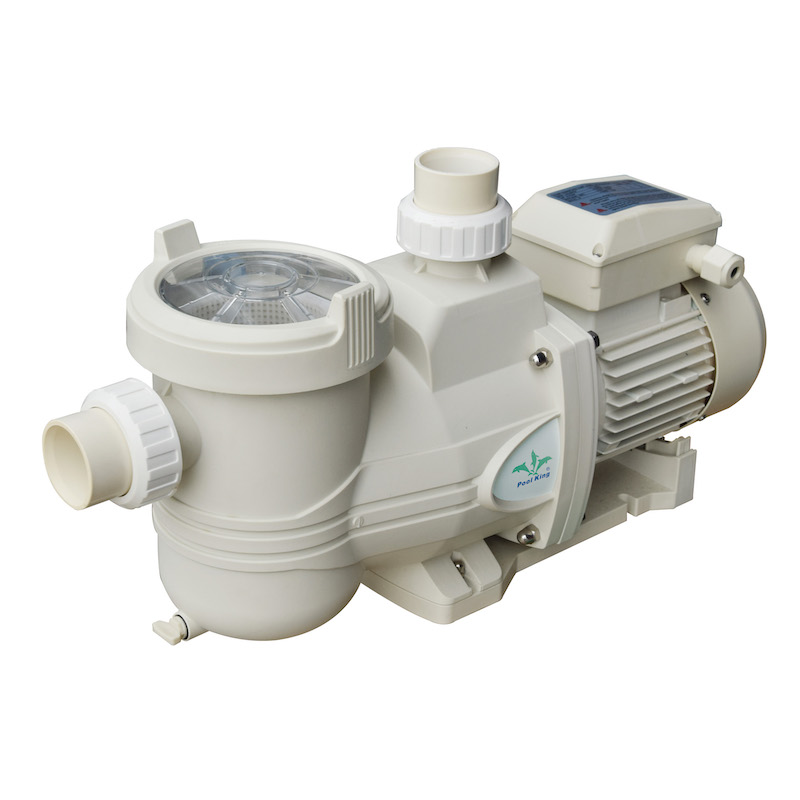
An Intex pool pump is the heart of your above‑ground pool circulation system. It pulls water from the pool, pushes it through a filter, and returns cleaner water back into the pool, helping remove dirt, dust, hair, and other fine particles. When the pump runs long enough each day, your filtration system can keep up with bather load, weather, and debris so the pool stays sparkling and clear.
The pool pump also helps distribute sanitizers and other chemicals evenly throughout the water. Without steady flow, chlorine and other products can become concentrated in one area, leaving “dead spots” where algae and bacteria can grow. Proper circulation ensures more consistent water chemistry, which means less work and fewer problems over time.
Understanding the basic parts of your Intex pool pump and filter system makes it much easier to install, maintain, and troubleshoot.
- Pump motor housing with power cord and on/off switch (many models have a built‑in GFCI plug).
- Pump strainer basket and clear or opaque lid that trap larger debris before it reaches the filter.
- Filter tank, which may contain a cartridge element or a bed of filter sand, depending on the model.
- Inlet (suction) and outlet (return) fittings in the pool wall, usually with plunger valves.
- Flexible hoses and clamps that connect the pool wall fittings to the pool pump and filter.
- For sand filter systems, a multiport valve with operating modes like Filter, Backwash, Rinse, Waste, Recirculate, and Closed.
- Pressure gauge on sand or DE‑style filters to show when the system needs cleaning.
Intex pool pump systems are usually supplied with one of the following filter styles:
- Cartridge filter: A replaceable pleated cartridge inside a tall housing. These systems are simple to operate and easy to service.
- Sand filter: A tank filled with specially graded pool filter sand. Water flows through the sand bed, which captures small particles before the water returns to the pool.
- Combo sand pump and saltwater system: Some advanced models combine a sand filter pump with a saltwater chlorine generator for automatic sanitizing.
Each style works slightly differently, but all depend on the pool pump moving sufficient water through the media on a regular schedule.
Whenever you work with a Intex pool pump, treat both water and electricity with caution. Always read the official user manual that came with your specific model and follow its safety instructions exactly.
- Plug the pool pump only into a properly grounded outlet with GFCI protection.
- Never plug in, unplug, or service the pump while standing in water or with wet hands.
- Do not use extension cords, adapters, or converter plugs, as they can overheat and may not be safe for pool equipment.
- Keep power cords away from sharp edges, pinch points, and high‑traffic areas where they might be damaged.
- If the GFCI trips repeatedly, stop using the pump and have a qualified electrician inspect the circuit and equipment.
- Always switch off and unplug the pool pump before changing valve positions, opening the pump lid, or disconnecting hoses.
- Do not operate the pool pump with any part of the system disassembled or with obvious leaks spraying onto the motor housing.
- Never run the pool pump dry; always ensure the pump housing and suction lines are full of water before starting.
- Do not exceed the maximum working pressure shown on your filter tank label.
- Keep children and pets away from the equipment area, especially when the pool pump is running.
Correct initial setup ensures the pool pump and filter operate smoothly, without leaks or air problems. The exact configuration can vary by model, but the steps below describe the general process.
1. Locate the pre‑cut openings on the pool liner for the suction (lower) and return (upper) fittings.
2. From inside the pool, insert the threaded body of the lower strainer fitting through the liner opening.
3. From outside the pool, install the gasket and nut onto the fitting and hand‑tighten firmly.
4. Attach the plunger valve assembly to the outside of the fitting and tighten the union collar by hand. Turn the valve handle to close while the pool is filling.
5. Repeat the process for the upper return fitting, installing the directional nozzle so it points away from the outlet to improve circulation.
6. Once the pool is filled to the proper level, you can open the plunger valves to allow water to flow toward the pool pump.
1. Identify which hose connects the lower outlet (suction) to the pump inlet. This hose usually runs from the lower plunger valve to the pump suction port.
2. Slide the hose end over the appropriate fitting on the pump and secure it with the supplied nut or clamp.
3. Connect a second hose from the pump outlet to the filter tank inlet, if you have a separate filter tank, or directly to the return port for compact cartridge systems.
4. Connect the final hose from the filter outlet back to the upper pool wall fitting.
5. Check that all O‑rings and flat washers are in place before tightening any collars. Missing seals are a common cause of air leaks and drip leaks.
6. Hand‑tighten all hose nuts and collars firmly, but avoid over‑tightening, which can crack plastic threads or flatten O‑rings.
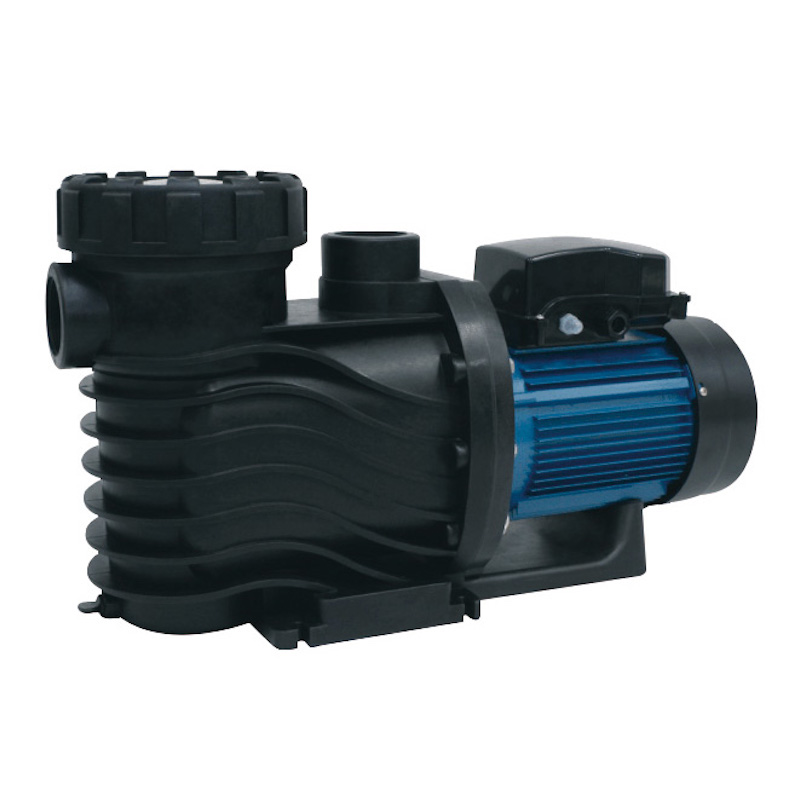
Before you start the pool pump, you must make sure the system is full of water and most of the trapped air has been removed.
1. Confirm the pool water level reaches at least halfway up the skimmer or fully covers the suction fitting.
2. Ensure both plunger valves at the pool wall are still in the closed position.
3. Open the pump lid or loosen the air release valve (depending on your model) to allow air to escape.
4. Slowly open the lower plunger valve first to let water flood the pump housing and suction hose.
5. Open the upper plunger valve, allowing water to fill the return side as well.
6. Once water flows steadily from the air release point, close the air release valve and tighten the pump lid firmly by hand.
1. Verify that the multiport valve (for sand systems) is set to “Filter” for normal circulation.
2. Make sure the filter tank clamp or band is properly aligned and tightened according to the manual.
3. Plug the pool pump into the GFCI‑protected outlet and press the reset button if required.
4. Turn the pool pump on using the power switch or timer control.
5. Watch the return jet in the pool; you should see a strong, steady stream and visible surface movement within a few seconds.
6. Check around all hose connections and the pump lid for leaks or air bubbles in the strainer. If you see persistent bubbles or drips, switch off the pump, reseat the O‑rings, and retighten the connections, then restart the pool pump.
Daily operation is about how long to run the pool pump, which mode to use, and how to integrate it with your overall pool maintenance routine.
There is no single number that fits every pool, but many Intex owners run their pool pump between 8 and 12 hours per day during the swimming season. Smaller pools with light use can sometimes get by with shorter run times, while larger pools or hot, sunny climates may require near‑continuous circulation. A good rule of thumb is to aim for at least one complete turnover of your pool's water volume each day.
If your pump has a built‑in digital timer, you can program it to run automatically at the same times every day. Many pool owners choose to run the pool pump during off‑peak electricity hours when power is cheaper, provided that total circulation time is still adequate. It is often better to split run time into two or more blocks rather than running the pump once per day, as this helps maintain more stable water chemistry.
If you have a sand filter pool pump with a multiport valve, the different positions each have a specific purpose:
- Filter: Normal everyday operation, water flows from the pool pump through the sand bed and back to the pool.
- Backwash: Reverses the water flow through the sand to flush out trapped dirt to the waste line.
- Rinse: Resettles the sand after backwash and flushes remaining debris out of the filter to waste.
- Waste/Drain: Bypasses the filter and sends water directly out of the system, useful for lowering water level or vacuuming heavy debris.
- Recirculate: Circulates water using the pool pump but bypasses the filter tank.
- Closed: Shuts off flow to and from the filter, used only when the pump is off.
Always turn the pool pump off before changing valve positions. Turning the valve handle while the pump is running can damage the internal parts and create leaks.
Keeping an eye on pressure and flow helps you decide when the filter needs cleaning and whether the pool pump is working efficiently.
Sand and DE systems typically include a pressure gauge on the filter tank. When the sand is clean, note the starting pressure with the pool pump running; this is your “clean” baseline. As the filter media captures dirt, pressure will gradually rise. When the reading is about 8–10 psi higher than the starting pressure, it is usually time to backwash and rinse.
If pressure is very low, that can indicate a different problem such as a clogged pump basket, a blocked skimmer or suction fitting, or a significant air leak on the suction side. Extremely high pressure may mean a severely clogged filter, closed valves, or a blockage somewhere in the return line.
Use the return jet as a quick visual indicator of performance. When the Intex pool pump and filter are clean and working normally, the jet should feel strong and create visible ripples across the pool surface. If you notice weak flow, dead spots in circulation, or the return stream breaking up with bursts of air, it is time to inspect the basket, filter element, and hose connections.
Regular cleaning prolongs the life of your pool pump and keeps the system running at peak performance.
1. Turn the pool pump off and unplug it from the outlet.
2. Close both plunger valves at the pool wall to prevent water from draining while you service the basket.
3. Slowly loosen the pump lid to relieve any remaining pressure.
4. Remove the lid and pull out the basket.
5. Dump out leaves and debris, then rinse the basket thoroughly with a garden hose.
6. Reinstall the basket, fill the housing with water if needed, and reinstall the lid, making sure the O‑ring is clean and properly seated.
7. Reopen the plunger valves, plug the pool pump back in, and turn it on to restore circulation.
Cartridge filters are straightforward to maintain but should be cleaned on a regular schedule so the pool pump does not struggle against clogged media.
1. Turn off and unplug the pool pump, and close the plunger valves.
2. Open the cartridge housing as described in your user manual (usually by loosening a clamp or cover ring).
3. Remove the cartridge element and inspect it for visible dirt, oils, or tears.
4. Rinse the cartridge thoroughly with a hose, directing water between the pleats from top to bottom to dislodge trapped particles.
5. For heavily soiled cartridges, you may use a specialized filter cleaner following the product directions.
6. Reinstall the clean cartridge, assemble the housing, open the valves, and restart the pool pump.
7. Replace the cartridge element when it remains discolored, the pleats are permanently compressed, or water flow does not improve even after cleaning.
If your Intex pool pump uses a sand filter, you will periodically need to backwash and rinse the system to restore normal flow.
1. Turn off and unplug the pool pump so no water is moving.
2. Make sure the waste or drain hose is securely attached to the appropriate port and routed to a safe discharge area.
3. Depress the multiport valve handle (if required by your model) and rotate it to the “Backwash” position.
4. Release the handle so it locks into place.
5. Plug the pump back in and turn it on, then watch the waste line or sight glass.
6. Allow the pool pump to run in backwash mode for about 1 minute or until the water in the sight glass or discharge runs clear.
7. Turn off the pool pump again before switching to the next mode.
1. With the pump off, depress the valve handle and move it from “Backwash” to “Rinse.”
2. Turn the pool pump on and let it run in rinse mode for 30–60 seconds to resettle the sand bed and flush out remaining debris to waste.
3. Turn off the pump and move the valve back to “Filter.”
4. Close the waste line if required, then restart the pool pump for normal operation.
5. Check the pressure gauge; it should drop back closer to the clean starting value.
The filter pump and your chemical routine work together. Good circulation lets chemicals do their job more effectively.
- Run the pool pump whenever you add major chemical doses such as chlorine, shock, algaecide, or pH adjusters.
- Broadcast granular products across the pool surface instead of dumping them into one spot near the suction area.
- Avoid adding strong chemicals directly into the skimmer when the pool pump is off, as concentrated solutions can damage equipment and plumbing.
- After dosing, allow the pool pump to run long enough to mix chemicals thoroughly before testing or adjusting again.
- In warmer weather, increase pool pump run time to keep up with faster chlorine consumption and algae growth.
- After heavy rain or windstorms, run the pump longer and clean baskets and filters sooner to handle extra debris and contaminants.
- If you close the pool for winter, follow the manufacturer's instructions to drain, clean, and store the pump, filter, and hoses indoors in a dry place.
Even with proper setup, you may occasionally encounter issues with your Intex pool pump. Many problems have simple solutions.
- Confirm the pump is plugged into a working GFCI outlet. Reset the GFCI if it has tripped.
- Check the on/off switch, timer settings, and any external controllers to make sure the pump is actually commanded on.
- Inspect the power cord for damage. If you see cracking, cuts, or exposed wire, stop using the pump and contact a professional.
- If the GFCI continues to trip immediately, there may be an internal fault in the pump motor or wiring that requires service or replacement.
- Clean the pump strainer basket and check the skimmer or suction fitting for blockages.
- Backwash and rinse the sand filter, or clean/replace the cartridge filter element.
- Verify that all valves are fully open and that hoses are not kinked or collapsed.
- Check the pressure gauge; very high pressure often means a dirty filter, while very low pressure may point to a suction problem or air leak.
- Make sure the pool water level is high enough to cover the suction fitting completely.
- Tighten hose clamps and unions on the suction side; even small leaks can draw in air and cause the pump to lose prime.
- Inspect the pump lid O‑ring for cracks, flattening, or dirt; clean or replace it if necessary.
- If your system has an air release valve, open it briefly while the pump is running to purge trapped air from the filter tank.
A little extra care can significantly extend the life of your Intex pool pump and keep operating costs lower.
- Keep the area around the pool pump free of clutter and vegetation so air can circulate around the motor for cooling.
- Check all connections at the beginning and end of each season for signs of wear, cracking, or leaks.
- Lubricate O‑rings with a pool‑safe silicone lubricant when reassembling lids, valves, and unions.
- Avoid turning the pump on and off excessively; use moderate but consistent run cycles on a timer.
- Before winter, drain all water from the pump housing, filter tank, and hoses to prevent freeze damage if you live in a cold climate.
- Store the pool pump and any removable filter parts indoors in a cool, dry place.
- Cover the equipment area during the season to protect it from direct sun and heavy rain, but maintain enough ventilation so the pump motor does not overheat.
Using a Intex pool pump the right way is one of the most important steps in keeping your above‑ground pool clear, safe, and enjoyable. From careful installation of wall fittings and hoses to proper priming, daily runtime, and correct use of filter modes, every detail helps your system perform at its best. When you combine consistent circulation from the pool pump with timely basket cleaning, regular cartridge maintenance or sand backwashing, and sensible chemical practices, you greatly reduce the risk of cloudy water, algae, and equipment breakdowns. With a little routine attention, your Intex pool pump will provide reliable filtration and help your family enjoy a clean, refreshing pool all season long.
Contact us to get more information!
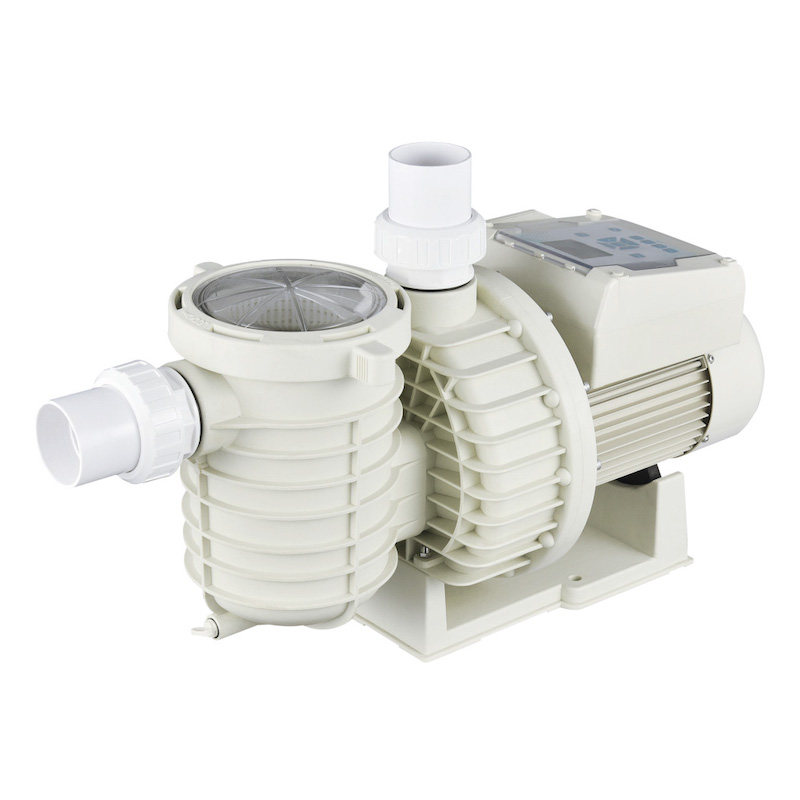
Most pool owners run their Intex pool pump between 8 and 12 hours per day during the swimming season, depending on pool size, climate, and usage. Aim for at least one full water turnover daily, and increase run time in hot weather, with heavy use, or if the water starts to look dull or cloudy.
Yes, many people swim while the pool pump is running in normal filter mode, as circulation helps keep the water cleaner and better sanitized. However, you should keep swimmers out of the pool during maintenance tasks such as backwashing, vacuuming to waste, or when you are working around the equipment.
Use the pressure gauge as your guide. Note the pressure when the sand filter is freshly cleaned, then backwash when the reading rises about 8–10 psi above that starting point or when you notice reduced flow from the return jet. After backwashing, rinse briefly and then return the valve to Filter mode before resuming normal operation.
Loss of prime or air bubbles in the return jet usually means air is getting into the suction side of the system. Common causes include low pool water level, loose hose connections, a worn or dirty pump lid O‑ring, or a partially blocked suction fitting. Restoring water level, tightening all suction fittings, and cleaning or replacing seals often solves the problem.
Yes, GFCI protection is strongly recommended and often required by electrical codes for pool pump circuits. A GFCI device helps protect against electric shock in wet environments by quickly cutting power if it detects a ground fault. If your pump does not include a built‑in GFCI plug, ask a qualified electrician about installing a GFCI breaker or outlet for the pump.
1. https://heatpumps4pools.com/myfiles/file/intex-28646-28648-28652-user-manual.pdf
2. https://www.intex.co.il/sysvault/docsfiles2/cd347bdd5a-ee20-44ac-86c5-2587d1910105.pdf
3. https://www.youtube.com/watch?v=Z_C7Mcu83iQ
4. https://www.youtube.com/watch?v=WhXK0nR4h1Q
5. https://www.youtube.com/watch?v=HmYlGuX5o1k
6. https://www.youtube.com/watch?v=lDcKp8ATwNQ
7. https://www.swimuniversity.com/intex-pools/
8. https://intexsupport.com/en/backwash-for-the-sand-filter-pump/a-964/
9. https://www.pool-j.com/pdf/28635.pdf
10. https://intheswim.com/blog/pool-filter-cartridges-when-to-clean-and-when-to-replace.html


