
Views: 222 Author: Tina Publish Time: 2026-01-26 Origin: Site


Content Menu
● Why clean your chrome pool ladder
● Safety checks before cleaning a pool ladder
● Tools and materials for chrome pool ladder cleaning
● Step‑by‑step: how to clean a chrome pool ladder
>> Remove the pool ladder from the pool
>> Rinse the chrome pool ladder
>> Wash with mild soap solution
>> Remove calcium scale from the pool ladder
>> Treat rust spots on a chrome pool ladder
>> Rinse and dry the chrome pool ladder
>> Polish and protect the chrome pool ladder
>> Reinstall the pool ladder correctly
● Ongoing maintenance for a chrome pool ladder
● How water chemistry affects a pool ladder
● Common mistakes when cleaning a pool ladder
● When to repair or replace a pool ladder
● Seasonal care for a chrome pool ladder
>> Mid‑season
● Professional vs DIY pool ladder care
● FAQ
>> 1. How often should a chrome pool ladder be cleaned?
>> 2. Can bleach be used on a chrome pool ladder?
>> 3. Why is my chrome pool ladder rusting?
>> 4. Is it safe to use acid on a pool ladder?
>> 5. When should a pool ladder be replaced instead of cleaned?
>> 6. What is the best way to protect a chrome pool ladder in a salt‑water pool?
>> 7. Should I remove the pool ladder during winter?
>> 8. How can I keep a commercial pool ladder looking new?
Keeping a chrome pool ladder clean is essential for safety, comfort and the overall look of your swimming pool area. With the right routine, you can remove stains, stop rust early and keep every chrome pool ladder shining season after season.
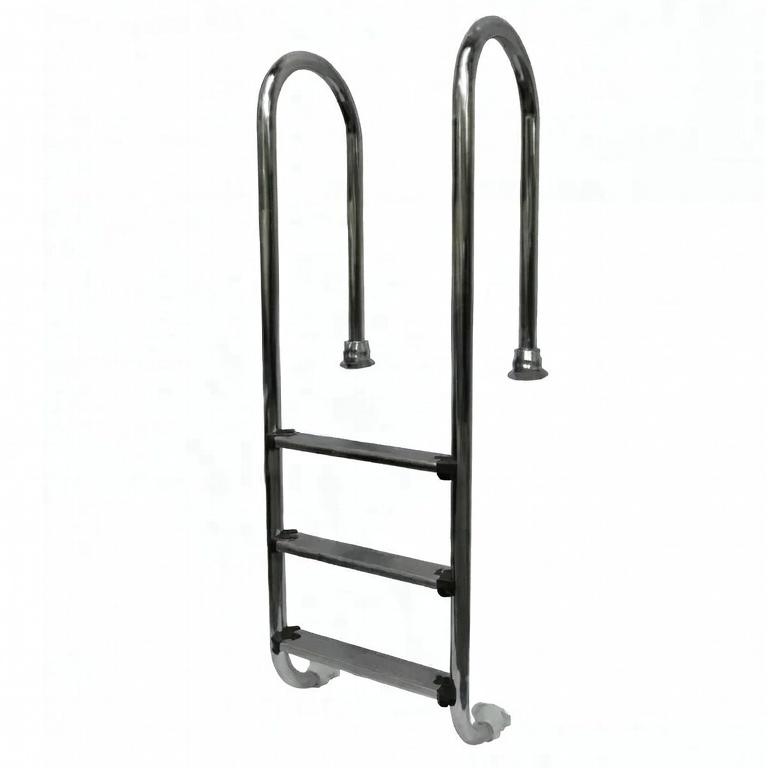
A chrome pool ladder sits in chemically treated water every day, so it naturally collects stains and residue that affect both appearance and safety. If you ignore the condition of a pool ladder for too long, it becomes slippery, dull and potentially dangerous for swimmers.
- Body oils, sunscreen and cosmetics form slippery films on a pool ladder, especially on the treads and handrails.
- Calcium scale and metal stains from unbalanced water cling to the chrome surface of a pool ladder over time.
- Even “stainless” chrome or stainless-steel pool ladder rails can pit and rust in a harsh pool environment without regular maintenance.
A clean chrome pool ladder feels better to use, looks more professional for guests and protects your investment in every part of the pool ladder installation. For commercial pools or hotels, a spotless pool ladder also supports your brand image and reassures visitors that the water area is carefully managed.
Before starting any maintenance, make sure cleaning your chrome pool ladder will be safe for you and safe for the pool structure. Treat the pool ladder as structural equipment, not just a decorative accessory.
- Turn off pumps, heaters, pool lights and any electrical equipment near the pool ladder area.
- Inspect the chrome pool ladder for loose anchor bolts, cracked steps or wobbly rails before you touch it.
- If the pool ladder feels unstable or shows deep pitting and structural rust, plan to repair or replace it instead of only cleaning it.
Wear non-slip shoes and, when necessary, protective gloves and goggles, especially if you expect to handle stronger cleaners around the pool ladder. If children or guests are nearby, restrict access to the pool area while the pool ladder is being serviced.
Choosing gentle tools and cleaners is the key to preserving the shine and protective surface of a chrome pool ladder. Harsh tools can scratch or remove the protective passive layer on the metal.
- Soft cloths or microfiber towels for daily and weekly wiping of the pool ladder rails.
- Non‑abrasive scrub pads or soft‑bristle brushes that will not scratch the chrome on the pool ladder.
- Mild dish soap and warm water for routine cleaning of the entire pool ladder surface.
- White vinegar or diluted acid solution to dissolve calcium scale when the pool ladder is heavily encrusted.
- Baking soda paste or a stainless‑safe cleaner for light rust spots on a chrome or stainless‑steel pool ladder.
- High‑quality automotive wax or dedicated metal protector to seal and protect a polished pool ladder.
Avoid steel wool, harsh scouring pads and any cleaner that contains strong chlorides or bleach, because these can damage a chrome pool ladder and make it more prone to corrosion. When in doubt, test any new product on a small, hidden section of the pool ladder first.
A consistent step‑by‑step routine helps you clean a chrome pool ladder thoroughly without missing hidden areas where rust and algae start. Follow the steps below from removal to reinstallation.
Taking the chrome pool ladder out of the water gives access to the full surface, including joints and undersides. This makes it easier to see hidden corrosion and stubborn staining.
- Loosen the anchor bolts or locking pins that hold the pool ladder in its deck anchors.
- Lift the pool ladder straight up and away from the pool wall, keeping the rails parallel for balance.
- Place the pool ladder on a flat, non‑abrasive surface like grass, a mat or cardboard to protect the chrome finish.
If your chrome pool ladder is extremely heavy or long, ask a second person to help remove and carry it safely. Never drag the pool ladder across concrete or tiles, as this can scratch the rails and steps.
Rinsing removes loose dirt and pool chemicals before you apply cleaners to the chrome. This first step reduces the risk of scratching the pool ladder during washing.
- Use a hose with fresh water to rinse the entire pool ladder from top rails to bottom treads.
- Pay extra attention to welds, bolt heads and step brackets where buildup hides on a pool ladder.
- Let excess water drain away so the cleaning solution can work more effectively on the chrome surface.
If the pool ladder is extremely dirty, you can rinse twice, allowing a short pause between rinses so any softened residue can release.
For routine soil and light film, mild soap is the safest option for a chrome pool ladder. Regular washing keeps the pool ladder comfortable to grip and step on.
- Mix warm water with a small amount of gentle dish soap in a bucket to create a foamy solution.
- Dip a soft cloth or non‑abrasive pad into the solution and wash all sides of the pool ladder rails and steps.
- Gently scrub stubborn spots without pressing hard enough to scratch the chrome on the pool ladder.
Work in sections from top to bottom so dirty water does not run over areas you have already cleaned. On a busy public pool ladder, repeat this step more often during peak season.
Hard water can leave chalky white deposits on a chrome pool ladder; these deposits need an acidic cleaner to dissolve. Scale is common near the waterline and around joints.
- For moderate scale, spray or wipe white vinegar directly onto the affected area of the pool ladder.
- For heavier encrustation, apply a diluted acid solution following all safety instructions and using gloves and eye protection.
- Allow the solution to sit for a few minutes, then scrub the pool ladder gently with a soft pad before rinsing thoroughly.
Never mix acid-based products with other cleaners and never leave any strong solution on a chrome pool ladder for long periods. Work in open air and avoid breathing fumes.
Even a chrome or stainless pool ladder can show rust where protective layers are damaged or hardware is low grade. Early treatment stops rust from spreading.
- Start by using a baking soda paste on small rust spots and scrub with a non‑abrasive pad over the pool ladder surface.
- For more persistent rust, use a stainless‑safe rust remover and follow the label directions closely.
- If rust originates from bolts or internal hardware, consider replacing those components to protect the pool ladder long term.
Deep pitting, cracking around welds and repeated rust in the same area may mean the pool ladder has reached the end of its safe life. In those cases, replacement is often better than aggressive restoration.
Proper rinsing and drying help restore shine and reduce future water spots on the chrome pool ladder. Removing residue is as important as removing dirt.
- Flush the entire pool ladder thoroughly with fresh water to remove all traces of detergents and chemicals.
- Wipe down every rail, step and bracket of the pool ladder with a clean, dry microfiber towel.
- Allow the chrome pool ladder to air dry in a shaded place to avoid rapid spotting from direct sun.
Check that no cleaner remains trapped in joints or behind step treads. Any chemical trapped inside the pool ladder frame can slowly attack the metal from within.
A protective coating keeps a chrome pool ladder looking new and shields it from corrosive pool air. This step makes later cleaning easier and faster.
- Apply a thin layer of high‑quality automotive wax or metal polish to the chrome pool ladder rails and visible parts.
- Buff the pool ladder with a soft cloth until the chrome surface shines evenly without streaks.
- Repeat the protection step several times per season if the pool ladder sits in a salty, coastal or high‑chlorine environment.
Avoid getting wax on the treads where swimmers place their feet, because this can make the pool ladder slippery. Focus polish on rails and vertical supports.
Once the chrome pool ladder is clean, secure installation protects users and the equipment. A loose pool ladder can cause serious accidents.
- Inspect the deck anchors for debris or damage before inserting the pool ladder rails.
- Set the pool ladder evenly into the anchors and tighten all clamps, screws or bolts firmly.
- Test the pool ladder by pulling and stepping on it to confirm there is no movement before swimmers use it.
If the anchors or deck around the pool ladder are cracked or corroded, schedule repair work promptly. A strong chrome pool ladder still relies on solid mounting points.
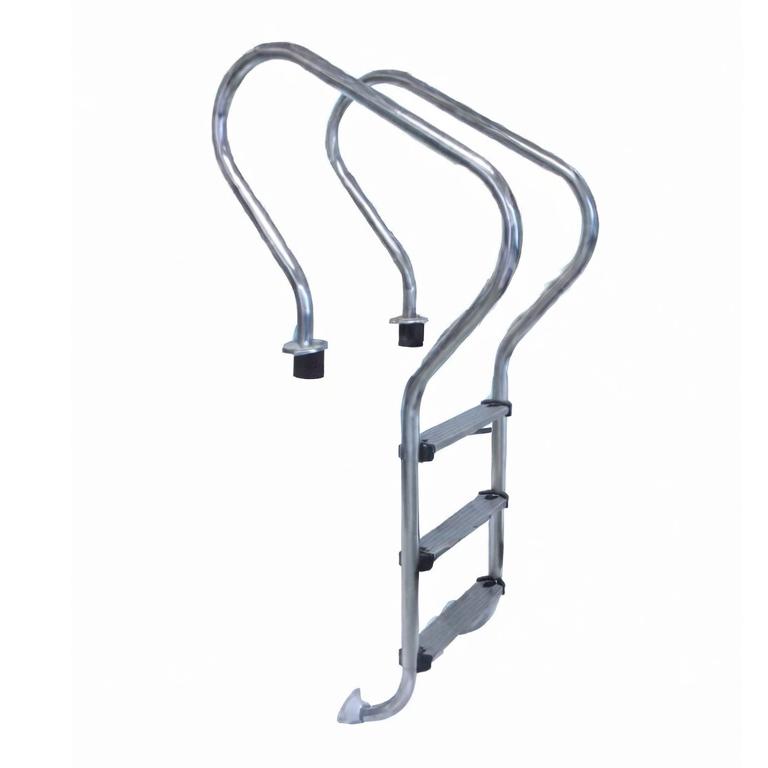
Regular light maintenance is more effective than occasional heavy restoration for any chrome or stainless pool ladder. Small daily habits keep the ladder looking new.
- Rinse the pool ladder with fresh water every day or after heavy use to remove chlorine and contaminants.
- Perform a soapy wash of the pool ladder at least once a week during the swimming season.
- Keep pool water pH, alkalinity and sanitizer levels balanced to minimize corrosion and scale on the pool ladder surfaces.
Record your maintenance routine and any issues you notice with the pool ladder. This log helps you spot patterns, such as frequent rust near a specific fitting, so you can solve root causes.
Water balance has a direct impact on the life of a chrome pool ladder. Aggressive or poorly balanced water will attack metal surfaces much faster than properly balanced water.
- Low pH and low alkalinity make water more corrosive and shorten the life of a chrome pool ladder.
- High calcium hardness and high pH encourage scale buildup on rails and steps of the pool ladder.
- High chlorine levels, especially combined with poor circulation, can discolor the surface of a pool ladder over time.
Test your water regularly and adjust with appropriate chemicals. Protecting water balance not only helps the pool ladder but also protects pumps, filters and other metal accessories around the pool.
Many owners unintentionally damage their chrome pool ladder by using the wrong products or techniques. Avoid the mistakes below to extend the ladder's service life.
- Using steel wool or rough scouring pads that scratch the chrome layer on the pool ladder.
- Using bleach or strong chlorine-based household cleaners directly on the metal.
- Ignoring small rust spots or scale for months until they become heavy stains on the pool ladder.
- Leaving the pool ladder in the pool year-round without any fresh-water rinsing or protection.
Gentle, consistent care always beats aggressive, occasional cleaning. When you treat the pool ladder as an important part of the circulation and safety system, your approach naturally becomes more careful.
Even with careful cleaning, there comes a time when a chrome pool ladder needs repair or complete replacement. Safety should always guide your decision.
- Replace a pool ladder that remains loose or unstable even after you tighten the anchors and hardware.
- Consider upgrading the pool ladder if you switch to a salt‑water system or if you see recurring deep rust and pitting.
- Look at modern pool ladder designs with upgraded stainless grades, protective coatings and improved ergonomics.
If the cost of repairing corrosion, hardware and damaged anchors approaches the price of a new high‑quality pool ladder, replacement is usually the smarter long‑term choice. A new ladder also gives you the chance to improve style and comfort for users.
Each season places different demands on a chrome pool ladder. Adapting your maintenance routine to the time of year improves results.
At the beginning of the swimming season, give the pool ladder a thorough inspection and deep clean.
- Check for any off‑season corrosion, cracking or damage on the pool ladder.
- Remove old wax or polish layers if they are dirty, then re‑clean and re‑protect the surface.
- Confirm that ladder anchors, bolts and anti‑slip treads are secure and comfortable for bare feet.
This early-season reset ensures your pool ladder looks and performs at its best when swimmers first arrive.
During peak usage, heavy bather loads and frequent chemical adjustments can stress the pool ladder.
- Increase the frequency of fresh‑water rinsing and quick wipe‑downs of the pool ladder.
- Inspect the ladder every week for new stains, chips, or loose fasteners.
- Refresh the protective wax or polish coating if you see water no longer beading on the chrome pool ladder.
Mid‑season attention prevents minor issues from escalating into serious corrosion or safety problems.
At the end of the swimming season, you have another opportunity to extend the life of your chrome pool ladder.
- Deep clean the ladder, remove scale and treat any rust spots before long storage periods.
- Apply a fresh protective coat to the whole pool ladder surface.
- If you close the pool in winter, consider removing the pool ladder and storing it in a dry, sheltered place.
Dry storage greatly reduces exposure to harsh winter conditions, especially in regions with freezing temperatures or de‑icing chemicals nearby.
Deciding whether to clean a chrome pool ladder yourself or call professionals depends on your facility type, available time and existing corrosion level.
- DIY cleaning works well for residential pools and small facilities when the pool ladder is in generally good condition.
- Professional services are helpful when you manage several ladders, see advanced rust or need structural evaluation.
- A mixed approach—routine DIY cleaning plus occasional professional inspection—offers strong protection for any important pool ladder.
If your pool is a commercial site such as a hotel or water park, having a consistent schedule with professional input can reduce liability and extend equipment life.
A clean chrome pool ladder is much more than a decorative touch; it is a critical part of pool safety, hygiene and the customer experience around your water. By rinsing daily, washing weekly, monitoring water chemistry and treating scale and rust as soon as they appear, you can keep every pool ladder bright, strong and comfortable to use. Adding a protective polish layer and performing seasonal inspections further extends the working life of your chrome pool ladder and reduces long‑term replacement costs. Whether you manage a busy commercial facility or a private backyard pool, establishing a clear routine for pool ladder care will pay off in reliability, appearance and peace of mind season after season.
Contact us to get more information!
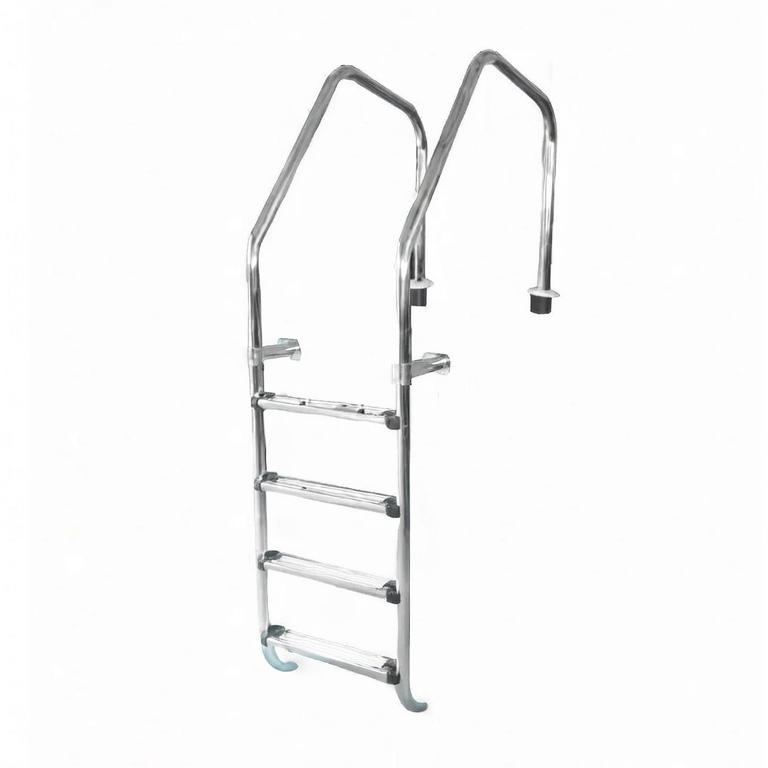
A chrome pool ladder should be rinsed with fresh water daily during the swimming season, especially after heavy use. A more thorough wash with mild soap and a soft cloth or pad should be done at least once a week, with deeper descaling and polishing scheduled several times per year depending on water quality and usage levels.
Bleach and other strong chlorine-based household cleaners are not recommended directly on a chrome or stainless pool ladder. These products can damage the protective surface, encourage corrosion and leave residues that are harsh on skin, so it is better to use mild detergents, vinegar solutions, baking soda paste or stainless‑safe cleaners designed for metal near pool water.
A chrome or stainless pool ladder can rust when exposed to aggressive chlorides, unbalanced water chemistry, scratched surfaces or low‑grade hardware. If bolts, anchors or internal fittings are not made from corrosion‑resistant materials, they may create rust stains that appear on the visible parts of the pool ladder even when the main rails are still in good condition.
It can be safe to use a diluted acid solution on a pool ladder to remove heavy scale, provided you follow all safety instructions, wear protective equipment and rinse thoroughly afterward. Acid must never be mixed with other cleaners or left sitting on the chrome surface for a long time, and any spills around the ladder area should be neutralized and washed away immediately.
A pool ladder should be replaced instead of cleaned when it shows deep pitting, cracks in rails or steps, repeated rust in the same areas or persistent looseness that tightening and basic repairs cannot fix. In addition, if the ladder is old, has outdated safety features or will be used in a new salt‑water or high‑use environment, upgrading to a modern, corrosion‑resistant pool ladder is usually the safest and most economical decision.
In a salt‑water system, protection of a chrome pool ladder requires very regular rinsing with fresh water, frequent inspection and the use of high‑quality wax or metal protectors. Choosing a ladder made from higher‑grade stainless steel or materials specifically rated for salt‑water pools, combined with good water balance and quick treatment of any small rust spots, offers the best long‑term defense.
Removing a pool ladder during winter is a smart way to reduce exposure to freezing temperatures, de‑icing chemicals and stagnant water. After a final deep cleaning and protective treatment, store the chrome pool ladder in a dry, sheltered space so it is ready for quick inspection and reinstallation at the start of the next swimming season.
To keep a commercial pool ladder looking new, combine daily rinsing, scheduled weekly cleaning and detailed monthly inspections with a staff training plan. Make sure your maintenance team understands how to use gentle tools, recognize early corrosion and document issues, so the chrome pool ladder remains safe, shiny and consistent with the professional image of your facility.
1. https://www.srsmith.com/en-us/blog/archive/how-to-clean-your-pool-ladders-rails/
2. http://www.poolhelpforum.com/viewtopic.php?t=9030
3. https://www.mavaquadoc.com/blogs/pool-maintenance-blog/what-is-the-best-way-to-clean-pool-ladders
4. https://spectrumproducts.com/hubfs/stainless-steel-maintenance-2020-07-07.pdf
5. https://www.youtube.com/watch?v=W3HkAdWW7Oc
6. https://www.reddit.com/r/pools/comments/1co8gzv/been_using_this_product_on_some_stainless/
7. https://www.cyprus44.com/forums/66653.asp


