
Views: 222 Author: Tina Publish Time: 2026-01-26 Origin: Site


Content Menu
● Why mineral deposits build up
>> Tools and materials you may need
● Step‑by‑step: basic cleaning
>> Remove and rinse the ladder
● Removing light mineral deposits with vinegar
>> Vinegar solution application
● Tackling heavy deposits and scale
>> Use pool‑grade scale removers
>> Careful use of acid solutions
● Protecting stainless steel after cleaning
>> Drying and passivation time
>> Optional polishing and waxing
● Preventing future mineral deposits
>> Maintain proper water balance
● Cleaning different Pool ladder styles
● When to replace a stainless steel pool ladder
● FAQ
>> 1. How often should I clean my stainless steel pool ladder?
>> 2. Can I use household cleaners on a stainless steel pool ladder?
>> 3. Is muriatic acid safe for pool ladders?
>> 4. Why does my pool ladder keep getting chalky white stains?
>> 5. Do I need to remove the pool ladder from the pool to clean it?
>> 6. What is the best way to keep a pool ladder shiny all year?
>> 7. Can I use a pressure washer to clean my pool ladder?
>> 8. Is a stainless steel pool ladder suitable for saltwater pools?
>> 9. How can I tell if mineral deposits or rust are on my pool ladder?
>> 10. Will cleaning my pool ladder affect my pool water chemistry?
Keeping a stainless steel Pool ladder free of mineral deposits is essential for safety, appearance, and the long‑term life of your pool equipment. With the right tools and routine care, you can restore a dull, chalky Pool ladder back to a shiny, smooth finish and keep it looking new for many seasons. This guide explains step‑by‑step cleaning methods, prevention tips, and practical advice for homeowners, service technicians, and commercial pool operators who want to maintain every Pool ladder in top condition.
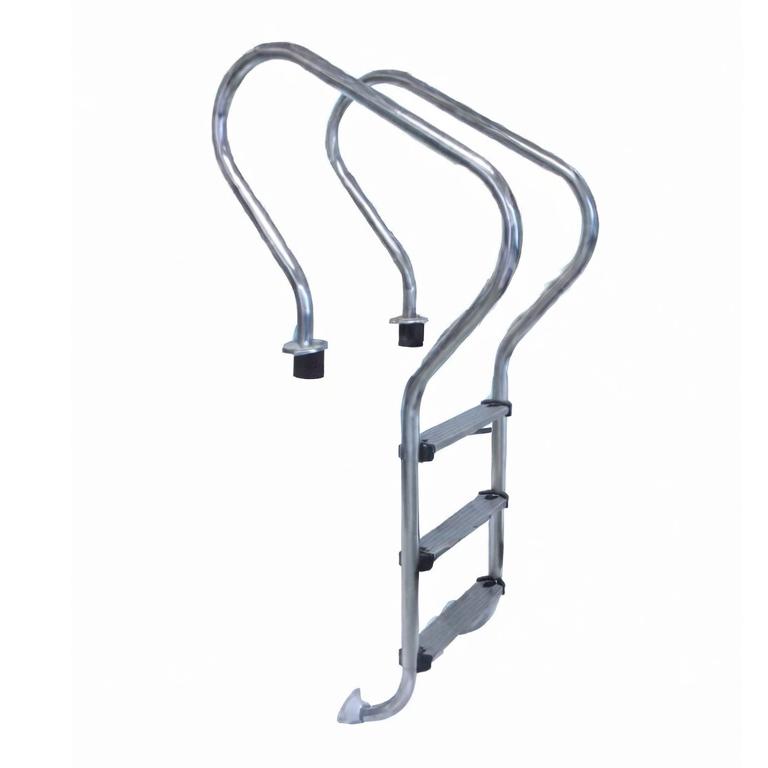
Mineral deposits on a stainless steel Pool ladder are usually caused by hard water and unbalanced pool chemistry. When calcium hardness, pH, or alkalinity are too high, calcium and other minerals fall out of solution and stick to metal surfaces like a Pool ladder instead of staying dissolved in the water. Over time, these deposits create white or gray crusty patches that make a Pool ladder look old and can trap dirt, algae, body oils, and sunscreen residues that cling to the rough surface.
If neglected, mineral deposits on a Pool ladder may accelerate corrosion and make steps less comfortable and less safe to grip. Thick deposits can make a Pool ladder feel abrasive under bare feet and can even interfere with secure footing on the rungs. In commercial and hotel pools, a dirty Pool ladder also creates a poor first impression and may cause guests to question overall pool water quality.
Before cleaning mineral deposits from a stainless steel Pool ladder, always think about safety for people and for the ladder itself. Pool chemicals and mineral scale removers can irritate skin, eyes, and lungs, and some products are corrosive if used incorrectly on a Pool ladder. Preparing correctly ensures that you protect yourself, the pool, and the stainless steel surface.
Turn off the circulation system or set it to a mode that will not interfere with your work around the Pool ladder. Keep swimmers away from the area and place a temporary barrier or sign if necessary. Wear gloves, eye protection, and old clothes, especially if you use acidic cleaners on the Pool ladder, and make sure you have plenty of fresh water available for rinsing.
Avoid abrasive tools and aggressive cleaners that can scratch or damage stainless steel on the Pool ladder and lead to rust. Steel wool, harsh scouring powders, and cleaners containing high levels of chlorides are common culprits that can ruin a Pool ladder's surface over time. Always read product labels and choose cleaners specifically described as safe for stainless steel or for Pool ladder hardware.
A few simple tools can handle most mineral deposits on a stainless steel Pool ladder. Before you begin, gather everything you need so the process goes smoothly and you do not leave cleaning agents sitting too long on the metal.
Common tools and materials for cleaning a Pool ladder include:
- Soft microfiber cloths suitable for stainless steel.
- Non‑scratch pads or nylon brushes that will not gouge the Pool ladder surface.
- Mild dish soap or a gentle, pH‑neutral cleaner.
- White vinegar for light mineral deposits on a Pool ladder.
- Commercial pool‑grade scale remover labeled safe for stainless steel.
- Optional: diluted muriatic acid or other pool‑grade acids for severe scale, used with extreme care.
- Plastic spray bottles, small buckets, and clean sponges.
- Non‑metallic scrapers or plastic putty knives for thick scale deposits on the Pool ladder.
This basic routine works for light to moderate mineral buildup on a stainless steel Pool ladder and should be part of your regular maintenance schedule. Starting with a gentle method helps protect the finish and only escalates to stronger products when needed.
Whenever possible, remove the Pool ladder from the pool so you can work on a flat surface and reach every corner. Loosen anchor bolts or locking pins and lift the Pool ladder straight up to avoid scratching the deck or bending the rails. If your ladder is permanently fixed, you can still clean it in place, but removal makes the job easier and more thorough.
Rinse the entire Pool ladder with fresh water to remove loose dirt, debris, and residual pool chemicals. This quick rinse will also help you see where mineral deposits are the heaviest because they will stand out as chalky or dull areas once the surface is wet. Lightly dry the ladder with a clean cloth so you can easily see all the mineral deposits along the rails, steps, and joints of the Pool ladder.
A gentle wash prepares the stainless steel Pool ladder for more focused descaling and removes grease and oils that can block cleaning solutions. Mix warm water with a mild, non‑abrasive cleaner and wipe down every part of the Pool ladder, paying extra attention to areas that are often touched, such as the upper rails and step edges.
Use a soft cloth or sponge and follow the grain of the stainless steel on the Pool ladder for a smoother finish. Circular scrubbing is acceptable if your cloth is very soft, but following the grain is better when using pads. Rinse the Pool ladder thoroughly with clean water to remove any soap film that could trap more scale or leave streaks.
For many stainless steel Pool ladders, ordinary white vinegar is enough to dissolve light limescale and mineral spots. Vinegar is mild, easy to find, and safe for most pool environments when used in reasonable quantities and rinsed away. This makes it a popular first choice for homeowners working on a Pool ladder.
Vinegar provides acetic acid that gently breaks down thin mineral layers on a Pool ladder without harsh fumes or aggressive reactions. Mix equal parts white vinegar and water in a spray bottle, then spray it generously on the affected areas of the Pool ladder, focusing on chalky patches and around fittings.
Let the solution sit for several minutes so it can penetrate the mineral crust on the Pool ladder. For vertical surfaces, you can soak a cloth or paper towel in the solution and press it against the ladder rails to keep the area wet. Gently scrub with a non‑abrasive pad or nylon brush, targeting joints, bends, mounting plates, and step connections of the Pool ladder where deposits tend to collect.
Once the deposits loosen from the Pool ladder, rinse thoroughly with fresh water to remove the vinegar and any dissolved mineral residue. If the ladder was removed from the pool, rinse it over a suitable drain or grassy area, not directly into the pool, to avoid unnecessary pH changes.
Wipe the stainless steel Pool ladder dry with a soft cloth to prevent new water spots from forming. Inspect the Pool ladder carefully; repeat the vinegar treatment on stubborn spots until most of the scale is gone. If heavy deposits remain, it is time to move to stronger cleaners designed specifically for pool scale and Pool ladder hardware.
If your stainless steel Pool ladder has thick, hard deposits, you may need stronger methods designed for pool scale. These products are formulated to dissolve difficult calcium crusts and complex mineral stains that light acids like vinegar cannot remove on their own.
Commercial scale removers created for pools can handle tough buildup on a Pool ladder when used properly. Always select a product labeled safe for stainless steel and follow the manufacturer's instructions step by step. Some products are designed to be applied directly, while others must be diluted first.
Apply the product directly to mineral‑covered sections of the Pool ladder, allow the recommended contact time, and scrub gently with a non‑scratch pad. Avoid letting the chemical dry on the surface; keep the Pool ladder areas you are treating slightly wet so the product can continue working. Once the scale softens, rinse the Pool ladder thoroughly so no chemical residue remains on the metal surface that could affect bathers or water chemistry.
For severe scale on a stainless steel Pool ladder, diluted acids can be effective but must be used with extra caution. Pool professionals often rely on diluted muriatic acid or other strong acids to dissolve heavy calcium deposits on tile and concrete, and similar methods can work on a Pool ladder when the stainless steel is compatible and exposure time is tightly controlled.
Always dilute acid correctly by adding acid to water, never the other way around, and wear proper protective gear including goggles, chemical‑resistant gloves, and a mask if needed. Work in a well‑ventilated outdoor area and keep children and pets away from your cleaning zone. Keep the acid on the Pool ladder for the shortest time needed to loosen deposits, and never leave a strong acid in contact with stainless steel for long periods.
Neutralize and rinse the Pool ladder completely with plenty of fresh water, then dry all surfaces. If the ladder was removed from the pool, allow some time for the metal to rest and recover before re‑installing it. Check your pool water chemistry after reinstalling the Pool ladder to ensure that there are no unexpected changes in pH or alkalinity.
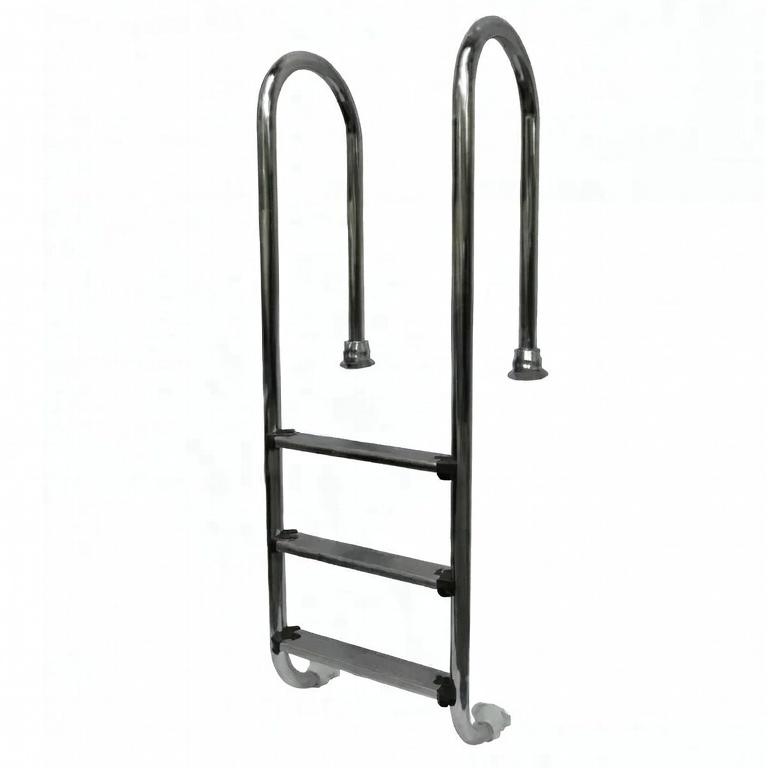
Once your stainless steel Pool ladder is clean, protection steps help keep it bright and resistant to corrosion. Pool environments are harsh because of moisture, chemicals, and temperature changes, so a bit of post‑cleaning care goes a long way toward preserving every Pool ladder.
Stainless steel forms a natural protective layer when it stays clean and dry for a short period. After cleaning, leave the Pool ladder in a dry, shaded place for at least a day before putting it back in the pool, if your schedule allows. This drying time supports the formation of a stable protective film on the metal surface.
Keeping the Pool ladder dry for a while allows the stainless surface to rebuild its protective chromium oxide layer. Avoid exposing the freshly cleaned Pool ladder to concentrated chlorinated water, saltwater, or harsh chemicals until this protective layer reforms. If your pool is in constant heavy use, even a few hours of dry time can still be helpful before the Pool ladder goes back into service.
Polishing makes a Pool ladder look new and adds an extra moisture barrier that slows down staining and mineral attachment. Use a non‑abrasive stainless steel polish suitable for pool equipment and apply it with a soft cloth, working along the grain and covering all visible surfaces of the Pool ladder.
After polishing, a thin coat of high‑quality automotive wax or a dedicated metal protectant can be applied to the Pool ladder to help repel water and stains. Buff the ladder with a soft cloth, following the grain for an even, glossy finish that resists new deposits longer. This extra step is especially valuable in coastal or high‑humidity environments where every Pool ladder experiences more aggressive corrosion forces.
Prevention is the most efficient way to keep a stainless steel Pool ladder clean with minimal effort. By controlling water chemistry and sticking to a simple maintenance routine, you dramatically reduce the amount of time spent fighting mineral buildup on every Pool ladder in your facility or backyard.
Balanced pool water slows down mineral buildup on every Pool ladder and on pool surfaces in general. Keep calcium hardness, pH, and alkalinity within recommended ranges so calcium stays dissolved instead of forming scale on the Pool ladder, tile, and equipment. Regularly test your water with quality test kits or digital testers and respond quickly to any drift outside ideal ranges.
If your source water is naturally hard, consider using sequestering or scale‑control chemicals designed to bind minerals and prevent them from forming heavy deposits on the Pool ladder. Monitor how your Pool ladder looks from week to week; if you see new foggy or chalky spots, treat them early before they evolve into thick crusts that are harder to remove.
Routine maintenance prevents minor deposits from becoming major problems on any Pool ladder. Rinse a stainless steel Pool ladder with fresh water daily or at least weekly, depending on pool usage and local conditions such as dust, rainfall, or nearby landscaping. This simple rinse helps remove splashed chemicals and keeps mineral‑rich water from drying on the ladder.
Wash the Pool ladder with warm water and mild soap at least once a week during the main swimming season, and more often in heavily used commercial or public pools. Inspect the Pool ladder regularly for early signs of scale, rust, or discoloration so you can treat issues while they are still small and easy to correct. Adding Pool ladder checks to your regular pool maintenance checklist ensures that ladder safety and appearance never get overlooked.
Avoiding common mistakes will extend the service life of every Pool ladder and keep cleaning tasks easier. Many problems with stainless steel come from well‑meaning but incorrect cleaning habits.
One frequent mistake is using steel wool or highly abrasive scrub pads on a Pool ladder. These tools leave microscopic scratches that trap dirt and minerals and can break down the protective surface layer, encouraging corrosion and rust spotting. Another problem is leaving acidic cleaners or strong chemicals on the Pool ladder for too long, which can etch or discolor stainless steel.
Storing equipment against the Pool ladder or tying floating devices to the rails can also create wear areas where mineral deposits and rust appear more quickly. Whenever possible, keep the Pool ladder clear, avoid using it as a storage rack, and check attachment points where friction can remove protective polish or wax.
Not all ladders are identical, and different Pool ladder styles need slightly different cleaning approaches. Understanding how your ladder is built helps you reach hidden spots where deposits begin.
Wall‑mounted Pool ladder designs may have tight corners and mounting flanges where water collects and slowly evaporates, leaving mineral traces. In‑pool steps, removable Pool ladder systems, and deep‑end exit ladders often have more complex shapes and more joints. Carefully examine all connections, welds, and support brackets to ensure every area of the Pool ladder is free from scale.
If you manage a commercial facility with multiple ladders, standardize your cleaning procedure and product selection to ensure all Pool ladder units receive consistent care. This reduces the risk of one neglected ladder becoming a weak point in safety or appearance.
Sometimes cleaning is not enough, and replacing the Pool ladder becomes the safest option. Stainless steel is durable, but years of exposure to poor water chemistry, heavy use, or improper cleaning can eventually cause irreversible damage.
If the stainless steel Pool ladder shows deep pitting, sharp edges, cracks at welds, or noticeable bending, it may no longer be safe to use. Repeated heavy scaling and rust that quickly return after cleaning suggest long‑term water issues that may have damaged the Pool ladder beyond recovery. In these cases, upgrading to a new, corrosion‑resistant Pool ladder and improving water care is better than relying on a compromised ladder.
When replacing, choose a Pool ladder made from high‑grade stainless steel designed specifically for pools, and verify compatibility with your pool type, especially if you use saltwater chlorination. This ensures that your new Pool ladder will perform well and remain attractive for many years when paired with the cleaning and prevention methods in this guide.
Removing mineral deposits from a stainless steel Pool ladder is a combination of gentle washing, targeted descaling, and consistent protection. By starting with mild cleaners like soap and vinegar, then stepping up to pool‑safe scale removers or carefully diluted acids only when necessary, you can protect the finish of the Pool ladder while restoring a bright, smooth surface. Regular rinsing, proper water balance, and occasional polishing help keep any Pool ladder looking new, safe, and comfortable for swimmers season after season. With a clear cleaning routine and a focus on prevention, your Pool ladder can remain a reliable, attractive part of your pool for many years.
Contact us to get more information!
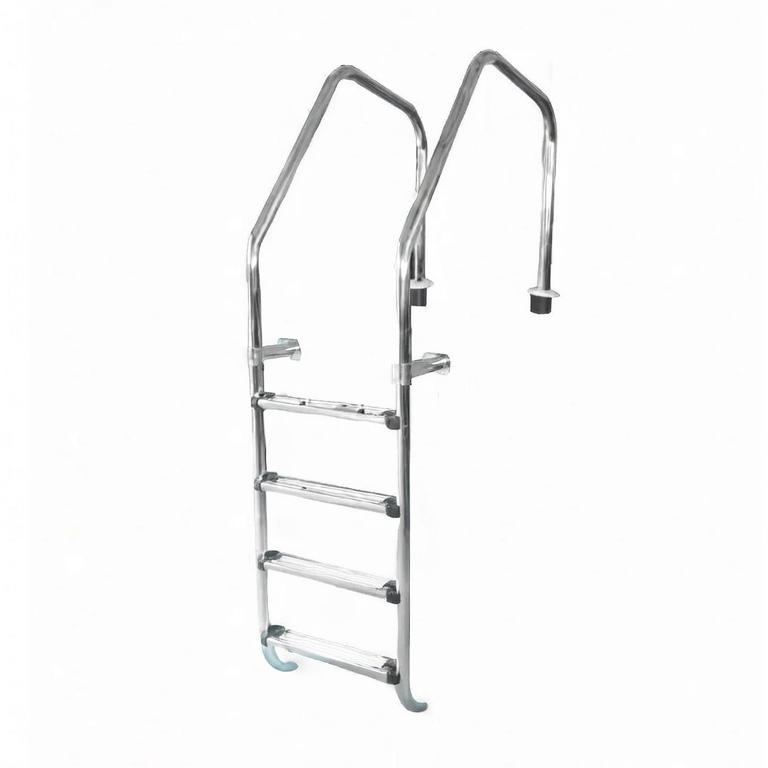
A stainless steel Pool ladder should be rinsed with fresh water at least once a week and washed with mild soap during the main swimming season. In areas with hard water or heavy pool usage, more frequent Pool ladder cleaning may be needed to prevent visible scale and stains.
Most harsh household cleaners and abrasive powders are not recommended for a stainless steel Pool ladder. Many of them contain strong chlorides or rough particles that can scratch the Pool ladder, damage the protective surface, and increase the risk of rust or discoloration over time.
Muriatic acid can remove heavy mineral deposits from a stainless steel Pool ladder when properly diluted and used with protective gear in a well‑ventilated area. However, it must be applied for a short time, thoroughly rinsed, and handled very carefully to avoid damage to the Pool ladder and to protect your skin, eyes, and lungs.
Chalky white stains on a Pool ladder usually come from calcium and other minerals precipitating out of unbalanced pool water, especially when pH, alkalinity, or hardness are too high. If water chemistry is not corrected, these mineral deposits will continue forming on the Pool ladder even after a thorough cleaning, so prevention requires regular water testing and adjustment.
For best results, remove the Pool ladder so you can thoroughly clean every surface, including hidden joints and undersides that are easy to miss while the ladder is in place. Although you can perform basic cleaning with the Pool ladder installed, removing it makes it easier to rinse, dry, inspect, and protect all parts of the ladder, which improves both appearance and safety.
The best way to keep a Pool ladder shiny all year is to combine weekly rinsing, gentle washing, and occasional polishing with stainless‑safe products. After cleaning, drying the Pool ladder and applying a thin protective wax layer helps resist new mineral deposits and keeps the surface bright in any season.
A pressure washer can be used carefully on a Pool ladder, but too much pressure may damage seals, loosen fittings, or force water into joints where corrosion can start. If you choose to use a pressure washer, select a low to medium setting, keep the nozzle at a safe distance, and avoid directing the jet at sensitive connections or mounting hardware on the Pool ladder.
Many stainless steel Pool ladder models are suitable for saltwater pools, but they must be made from higher‑grade stainless steel designed for that environment. Always check manufacturer specifications and follow a strict cleaning routine, because saltwater can accelerate corrosion if a Pool ladder is not properly maintained and rinsed after heavy use.
Mineral deposits on a Pool ladder usually appear as white, gray, or off‑white chalky patches that feel rough or crusty to the touch. Rust, on the other hand, appears as orange, brown, or reddish stains, and if it is associated with pit marks or rough holes in the metal, it may signal deeper damage to the Pool ladder.
Light cleaning of a Pool ladder with mild soap and water usually has little effect on pool chemistry, especially if the ladder is removed from the pool before cleaning. Stronger cleaners, especially acids or commercial scale removers, should be used with the ladder out of the water whenever possible, and any small residual effect on water balance can be corrected through normal testing and adjustment.
1. https://www.misa.com.tr/en/blog/content/pool-ladder-cleaning-practical-tips-and-methods-50
2. https://halogensupply.com/blog/how-to-remove-calcium-scale-from-pool-tile/
3. https://www.youtube.com/watch?v=Np3tLAmlKw0
4. https://www.youtube.com/watch?v=M0qz25YVx1s
5. https://intheswim.com/blog/hard-pool-water-removing-calcium-scale.html
6. https://forums.sailboatowners.com/threads/rust-remove-from-swim-ladder.1249927180/
7. https://www.mavaquadoc.com/blogs/pool-maintenance-blog/what-is-the-best-way-to-clean-pool-ladders
8. https://lesliespool.com/blog/dealing-with-scaling-and-staining.html
9. https://www.reddit.com/r/pools/comments/my63p9/cleaned_stainless_steel_handrails_like_new/
10. https://www.srsmith.com/en-us/blog/archive/how-to-clean-your-pool-ladders-rails/


