
Views: 222 Author: Tina Publish Time: 2026-01-27 Origin: Site


Content Menu
● How the Impeller Works in a Pool Pump
● Signs Your Pool Pump Impeller Needs Replacement
● Safety Precautions Before Working on a Pool Pump
● Tools and Parts You Will Need
● Disassembling the Pool Pump to Access the Impeller
>> 1. Shut down and drain the Pool pump
>> 2. Remove the pump housing bolts
● Removing the Old Impeller from the Pool Pump
>> 5. Check for an impeller lock screw
>> 7. Remove the old shaft seal
● Installing the New Impeller on the Pool Pump
>> 8. Install the new shaft seal
>> 9. Thread on the new impeller
>> 10. Reinstall the diffuser and seal plate
● Reassembling and Testing the Pool Pump
>> 11. Tighten housing bolts or clamp
>> 13. Start the Pool pump and check performance
● When to Call a Professional for Pool Pump Impeller Work
● FAQ
>> 1. How do I know if my Pool pump impeller is bad?
>> 2. Can I just clean the impeller instead of replacing it on my Pool pump?
>> 3. Do I need to replace the shaft seal when I replace a Pool pump impeller?
>> 4. How tight should I make the new impeller on the Pool pump shaft?
>> 5. How long does a Pool pump impeller typically last?
Replacing a damaged or worn impeller is one of the most important Pool pump repairs you can do to restore strong water flow, protect the motor, and extend the life of your circulation system. With clear steps and careful priming, most Pool pump owners and service technicians can complete this repair safely and keep the filtration system working efficiently.
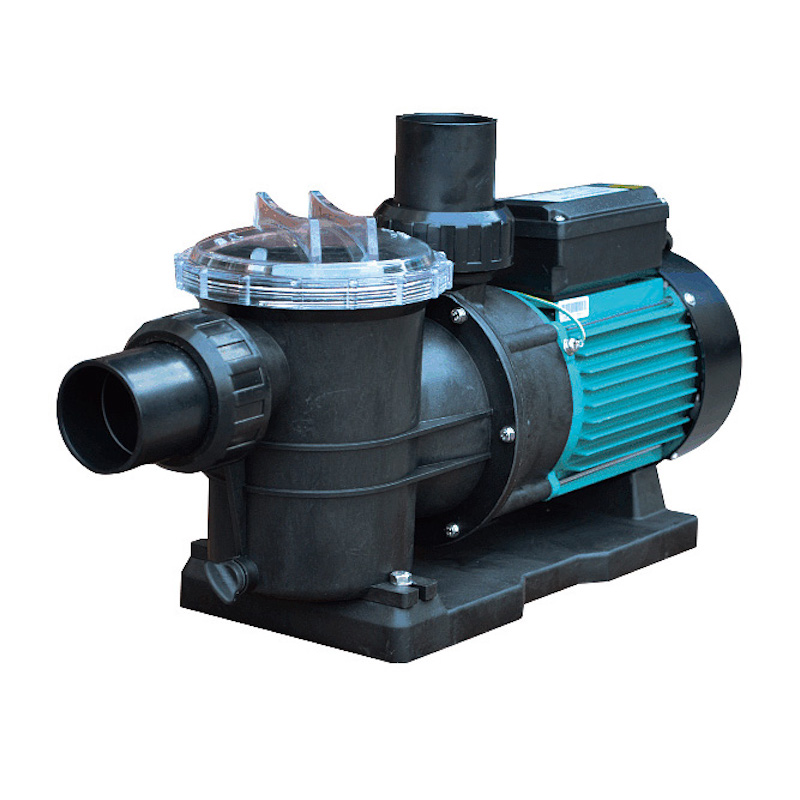
The impeller is the rotating component inside the wet end of the Pool pump that pulls water from the pool and pushes it through the filter and back to the pool returns. It is mounted on the motor shaft and spins at high speed, converting electrical energy from the motor into water movement and pressure for your filtration system.
When the impeller is clean and correctly sized for the Pool pump, it delivers efficient flow and stable filter pressure for clear, healthy water. If the impeller is cracked, clogged, or worn, the Pool pump struggles to move water, which can lead to poor filtration, cloudy water, and overheating of the motor over time.
Inside the Pool pump housing, water flows into the eye of the impeller and is flung outward by centrifugal force through the vanes, increasing both speed and pressure. The volute or diffuser converts that speed back into pressure so that the Pool pump can push water through long pipe runs and dense filters. Any obstruction or damage inside the impeller vanes reduces this effect and immediately shows up as weak circulation.
Recognizing early symptoms helps you decide whether to clean or replace the impeller in your Pool pump before more serious damage occurs.
Common warning signs include:
- Noticeably reduced water flow from pool return jets even though the Pool pump is running normally.
- Filter pressure reading roughly half of the normal operating pressure during circulation.
- Strange noises from the Pool pump, such as low grinding, rattling, or cavitation sounds.
- Pump basket that does not fill completely with water, or water that appears to swirl slowly under the lid instead of flowing strongly.
- Pool water becoming cloudy or dirty even when the Pool pump runs for long hours each day.
- Frequent loss of prime, where the Pool pump sucks in air and stops moving water soon after starting.
Sometimes a clogged impeller can be cleaned and reused, but if the impeller is cracked, badly worn, distorted by heat, or its threads are damaged, replacement is the safest long‑term solution for the Pool pump. When an impeller fails due to age or chemical damage, it is often a sign that other components, such as seals and gaskets, also need inspection.
Before you touch any part of the Pool pump, follow basic safety rules to protect yourself and your equipment.
Key safety steps:
- Turn off the circuit breaker or disconnect switch feeding the Pool pump, and verify that the motor cannot start.
- If possible, lock out or tag out the breaker to keep others from accidentally turning on the Pool pump while you are working.
- Allow the Pool pump motor to cool down if it has been running, since the housing and fan cover can be hot.
- Close valves on suction and return lines if installed, and relieve pressure by opening the air‑relief valve on the filter.
- Wear safety glasses and suitable gloves when working with tools, rusted parts, or any chemicals around the Pool pump.
- Work on a dry surface so there is no standing water around your feet when you open electrical covers or handle cables.
- Never attempt to work on a Pool pump motor that shows burn marks, melted insulation, or exposed wiring unless you are qualified to do so.
Most common impeller replacements on standard Pool pump models use basic hand tools and a few inexpensive replacement parts.
Typical tools:
- Phillips and flat‑head screwdrivers for pump housing screws, motor covers, and terminal plates.
- Open‑end wrench or socket set to hold the motor shaft while removing and installing the impeller.
- Strap wrench or large channel‑lock pliers to help loosen a tight impeller hub.
- Soft mallet or hammer and a flat screwdriver for stubborn impellers, used carefully to avoid damage.
- Non‑metallic pick, small wire brush, or old toothbrush to clean debris from the Pool pump impeller vanes.
- Clean rags to wipe away dirt, scale, or old gasket material from Pool pump parts.
Typical replacement parts:
- New impeller designed for your exact Pool pump make, model, horsepower, and voltage.
- New shaft seal set compatible with the Pool pump and replacement impeller.
- New housing gasket or o‑ring if the old one is flattened, cracked, or leaking.
- Diffuser o‑ring or gasket if your Pool pump uses one around the diffuser.
- Lid o‑ring for the pump strainer pot if it is worn and causing air leaks.
When you order the new impeller for a Pool pump, always confirm the part number using the pump's data plate or parts diagram. Many OEM factories also provide exploded diagrams and part‑number charts, which are excellent to include as supplemental images for your readers.
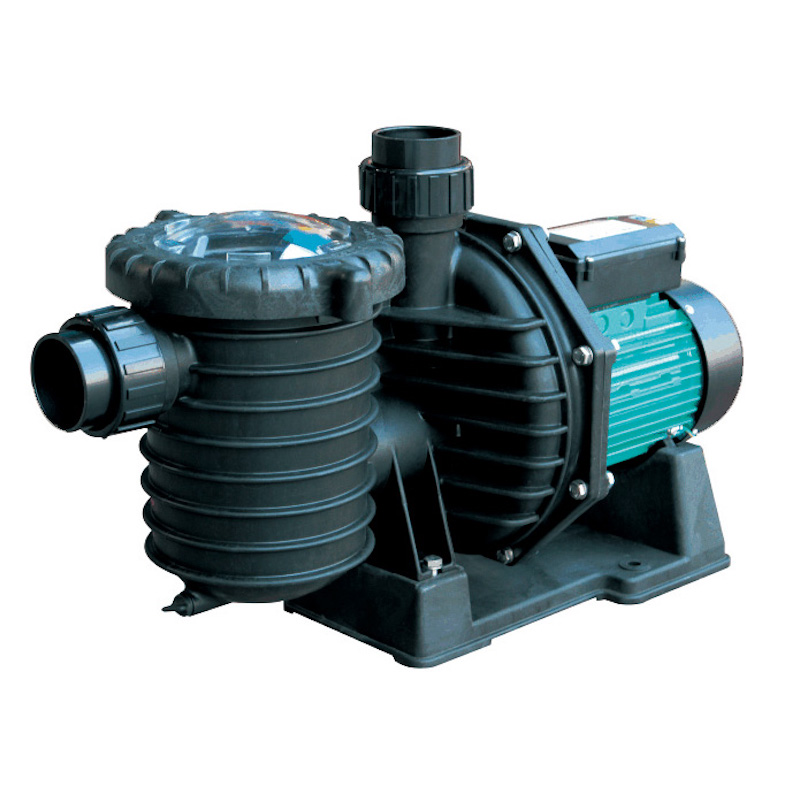
To replace the impeller, you must separate the motor assembly from the wet end of the Pool pump. The exact details vary by brand, but the overall approach is similar.
- Confirm power to the Pool pump is completely off at the breaker, and ensure any timer or automation system will not restart it automatically.
- Close suction and return valves if available to prevent the pool from draining backward through open pipes.
- Open the pump lid, remove the strainer basket, and bail or drain remaining water from the Pool pump housing using a sponge or small cup.
- Check inside the basket area for large debris that might have contributed to impeller damage and remove it before continuing.
- Locate the bolts or clamps that hold the Pool pump housing to the motor and seal plate.
- Loosen and remove these fasteners evenly around the perimeter, keeping them in a container so you do not lose any small hardware.
- If your Pool pump uses a stainless steel band clamp, loosen the nut and gently pry the clamp open, then separate the wet end from the motor.
- Gently pull the motor and seal‑plate assembly straight back from the pump housing to expose the diffuser and impeller inside.
- The diffuser is a plastic shroud that sits over the impeller inside the Pool pump wet end.
- Carefully pry the diffuser outward at the molded tabs with a flat screwdriver or lift it off by hand, taking care not to crack the plastic.
- Note the diffuser's orientation and the location of any alignment pins or tabs that need to line up during reassembly.
- Inspect the diffuser for cracks, wear, or missing pieces; replace it if it is badly damaged, as this affects efficiency of the Pool pump.
Once the diffuser is removed, you will clearly see the impeller and can inspect it for obvious cracks, broken vanes, or debris jammed between the blades.
Once the diffuser is off, you can remove the impeller from the motor shaft of the Pool pump.
- Remove the small back cover on the motor to access the shaft end; this cover is usually held by a few screws.
- On most Pool pump motors, you will find either a flat spot for a wrench or a slot for a screwdriver to hold the shaft.
- Use the appropriate tool to hold the motor shaft firmly in place so it does not spin while you turn the impeller.
- Some older or specific Pool pump models include a small impeller lock screw in front of the impeller, often with reverse threads.
- Look down into the center of the impeller where the shaft passes through; if you see a small screw, remove it before attempting to spin the impeller.
- This lock screw usually comes out by turning it clockwise because it is reverse‑threaded, which prevents it from loosening while the Pool pump runs.
- Hold the motor shaft firmly at the back of the motor and turn the impeller counterclockwise to unscrew it from the shaft on most Pool pump designs.
- If the impeller is tight, use a strap wrench around the hub (the solid center) rather than the thin vanes to avoid breaking them.
- For very stubborn impellers, gently tap the wrench or the impeller hub with a soft mallet to help break corrosion between the threads and the shaft.
- In extreme cases where the impeller is fused to the shaft, you may need to carefully break the impeller off in pieces, then chip and brush away the remaining sleeve; this is more common on older Pool pump motors exposed to heavy corrosion.
- With the impeller removed, pull the rotating part of the shaft seal out of the impeller hub.
- From the seal plate side of the Pool pump, push or pry out the stationary half of the shaft seal from its recess.
- Clean the seal plate bore and the impeller hub area using a rag so that the new shaft seal will sit square and seal correctly.
- Inspect the motor shaft for rust, pitting, or grooves; minor surface rust can be cleaned, but deep damage might call for motor replacement or a more complete Pool pump rebuild.
Replacing the shaft seal at the same time as the impeller is standard best practice in Pool pump service because a worn seal often contributed to moisture and corrosion that damaged the old impeller.
Proper installation of the new impeller and shaft seal ensures that the Pool pump will run smoothly without leaks or vibration.
- Press the stationary ceramic seal half into the clean seal plate cavity, with the polished white or ceramic face pointing outward toward the impeller.
- Slide the rotating seal half onto the impeller shaft area, making sure the polished black carbon face points away from the impeller body so the two polished faces meet when assembled.
- Avoid touching the shiny seal faces with your fingers; use the edges only, since fingerprints and dirt can cause premature leaks in the Pool pump.
- Make sure the seal is fully seated and straight inside the seal plate and impeller so the Pool pump shaft turns freely.
- Start the new impeller onto the motor shaft by hand, turning clockwise on most Pool pump models until you feel resistance.
- Hold the motor shaft with the wrench at the back and continue turning the impeller by hand until it is snug; hand‑tight is generally enough.
- If your Pool pump originally had an impeller lock screw, reinstall it in the center and tighten it in the correct direction (usually counterclockwise to tighten a reverse‑thread screw).
- Rotate the impeller by hand to ensure it spins freely without rubbing against the seal plate or diffuser.
- Carefully position the diffuser over the new impeller, aligning any guide pins, tabs, or “top” marks so the parts fit correctly.
- Check that the diffuser o‑ring or gasket is seated properly in its groove and is lubricated with a suitable pool‑safe lubricant if recommended.
- Slide the motor and seal‑plate assembly back into the pump housing, making sure the seal‑plate o‑ring is clean, in good condition, and properly seated.
- Push the two halves of the Pool pump together until they meet evenly all the way around the housing.
If any gaps remain or the wet end does not seat smoothly, remove the motor assembly again and check for misaligned o‑rings, pinched gaskets, or interference between the impeller and diffuser.
With the new impeller installed and the Pool pump reassembled, you need to test for leaks, noise, and flow.
- Reinstall the housing bolts or band clamp evenly around the Pool pump wet end.
- Tighten bolts in a criss‑cross pattern a little at a time so the seal plate pulls in square and the o‑ring compresses evenly.
- Do not overtighten the hardware; excessive torque can crack plastic pump housings or distort the seal, which leads to leaks.
- Reattach the motor back cover that protects the electrical terminals and the shaft end once the Pool pump is fully assembled.
- Replace the strainer basket inside the pump pot and ensure it is seated correctly.
- Fill the pump housing completely with water from a hose or bucket until the basket area is full.
- Inspect and lubricate the lid o‑ring if necessary, then reinstall the pump lid and close it firmly, making sure the seal is even all around.
- Open all suction and return valves, and open the filter air‑relief valve so trapped air can escape when the Pool pump starts.
- Restore power at the breaker and get ready to start the Pool pump while watching the water level through the clear lid.
If the Pool pump is self‑priming, it should pull water from the pool and fill the basket within a minute or two. If it does not prime, shut it off, refill the pump pot, and check for leaks or air sucking into the suction side.
- Turn on the Pool pump and allow it to prime fully, watching for a steady flow of water into the pump basket and a strong stream from the pool return jets.
- Check the filter pressure gauge; it should be close to your normal operating pressure once the Pool pump is fully primed and the system is free of air.
- Inspect all joints around the pump housing, seal plate, union fittings, and lid for drips, bubbles, or mist that might indicate leaks.
- Listen for abnormal noises such as grinding, squealing, or loud cavitation; a smooth humming sound usually indicates that the Pool pump is running correctly.
- Over the next day, monitor water clarity and flow to confirm that the new impeller has restored proper circulation.
If water flow remains weak or the Pool pump fails to maintain prime, there may still be other issues such as clogged suction lines, a blocked filter, undersized plumbing, or motor problems that require additional diagnosis.
Although many homeowners can replace an impeller on a standard Pool pump, some situations are better handled by a qualified technician.
Consider professional service if:
- The motor shaft is heavily corroded and the impeller will not come off without cutting or special tools.
- The Pool pump is part of a complex commercial system with multiple pumps, valves, and automatic controls.
- You see burned wiring, strong electrical smell, tripped breakers, or signs of motor failure that go beyond a simple impeller issue.
- The new impeller seizes, the Pool pump trips the breaker, or the motor overheats immediately after reassembly.
- The impeller replacement is part of a larger upgrade, such as converting to a high‑efficiency variable‑speed Pool pump that may require plumbing and electrical modifications.
Professional service helps protect warranties and ensures that your Pool pump meets local electrical and safety regulations. It can also save time when the system is large, complicated, or critical to daily operation, such as in hotels or commercial facilities.
Replacing the impeller on a Pool pump is a practical repair that restores proper water flow, stabilizes filter pressure, and helps prevent costly motor damage. With basic tools, a compatible replacement impeller, a new shaft seal, and careful attention to safety and assembly steps, most pool owners and service professionals can complete this repair successfully on typical residential Pool pump models. For OEM brands and distributors, clear documentation, quality impeller materials, and integrated Pool pump solutions make ongoing maintenance easier and protect the long‑term performance of every circulation system. By treating the impeller as a critical wear part and planning regular inspections, you can keep any Pool pump running smoothly season after season.
Contact us to get more information!
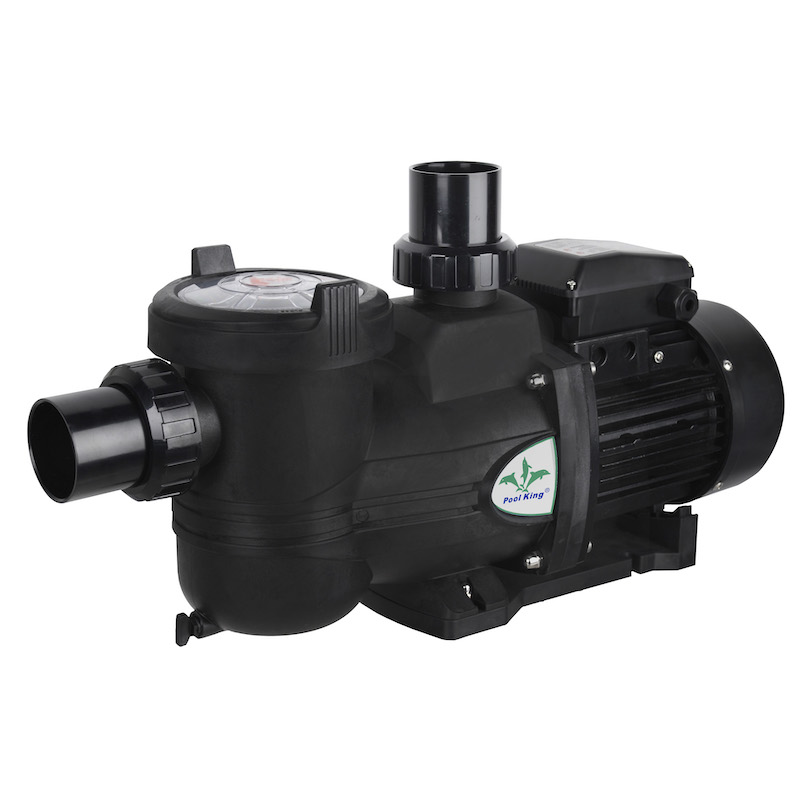
A failing Pool pump impeller often causes low water flow, reduced filter pressure, noisy operation, and a pump basket that does not fill properly. If cleaning the basket, skimmer, and filter does not restore normal performance, inspecting and possibly replacing the impeller is the next logical step.
If the impeller is only clogged with leaves, hair, or small debris, you can remove it, clear the vanes, and reinstall it on the Pool pump. However, if the impeller is cracked, warped, chemically damaged, or has stripped threads, replacing it is the safest way to restore reliable operation and protect the motor.
It is strongly recommended to replace the shaft seal whenever you change the impeller on a Pool pump. A worn or leaking shaft seal can allow water into the motor area, leading to corrosion, bearing failure, and early damage to the new impeller and other components.
On most Pool pump models, the impeller only needs to be threaded on hand‑tight while you hold the motor shaft with a wrench. When the Pool pump runs, the normal rotation helps keep the impeller tight, so overtightening can damage threads or put extra stress on the shaft seal.
With clean water, proper filtration, and a good shaft seal, many Pool pump impellers last several years in normal residential use. Heavy debris loads, frequent clogging, running the Pool pump dry, or chronic chemical imbalance can shorten impeller life, so regular inspection and maintenance of the Pool pump and filter system are important.
1. https://www.youtube.com/watch?v=QsbzmB5rpwY
2. https://www.youtube.com/watch?v=4sG2eBEq7PY
3. https://www.youtube.com/watch?v=zCNKCYvRSBY
4. https://www.youtube.com/watch?v=Moy34mj_7To
5. https://mrpoolman.com.au/blogs/news/how-to-replace-pool-pump-bearings
6. https://netpositivepools.com/blog/how-to-prime-a-pool-pump/


