
Views: 222 Author: Tina Publish Time: 2026-01-26 Origin: Site


Content Menu
● How to Clean Inside Pool Ladder
● Why Cleaning Inside a Pool Ladder Matters
● Understanding Different Pool Ladder Materials
● Tools and Supplies You Will Need
● Step‑by‑Step: How to Clean Inside Pool Ladder
>> Step 1: Remove the Pool Ladder Safely
>> Step 2: Pre‑Rinse and Inspect Inside Areas
>> Step 3: Wash the Pool Ladder with Mild Detergent
>> Step 4: Treat Stains, Scale, and Stubborn Algae
>> Step 5: Flush and Disinfect Hollow Sections
>> Step 6: Rinse and Dry the Pool Ladder
>> Step 7: Inspect for Damage and Wear
>> Step 8: Reinstall and Secure the Pool Ladder
● Ongoing Maintenance Tips for a Clean Pool Ladder
● Safety and Chemical Handling for Pool Ladder Cleaning
● Using Visual Guides to Improve Your Technique
● FAQ
>> 1. How often should I clean the inside of my pool ladder?
>> 2. Do I need to remove the pool ladder from the pool every time I clean it?
>> 3. Can I use a pressure washer on my pool ladder?
>> 4. Why does algae keep coming back on my pool ladder even after I clean it?
>> 5. What is the safest cleaner for a stainless steel pool ladder?
>> 6. Can strong chemicals damage my pool ladder?
>> 7. How does water chemistry affect the condition of my pool ladder?
Cleaning the inside of a pool ladder is one of the most important yet easily overlooked parts of pool maintenance. When the inside of the ladder collects algae, scale, and debris, it not only looks bad but also creates a hidden source of contamination that keeps re‑infecting your pool water. With the right tools and a step‑by‑step method, you can clean inside your pool ladder thoroughly, protect the finish, and make the whole pool area safer and more attractive for swimmers.
A clean and well‑maintained pool ladder improves overall pool hygiene, prevents slippery surfaces, and extends the service life of stainless steel, plastic, or fiberglass components. This guide explains exactly how to clean inside a pool ladder, how to keep it cleaner longer, and how to avoid the common mistakes that damage rails, steps, and mounting hardware.

A pool ladder is constantly in contact with water, sweat, body oils, sunscreen, dirt, and airborne contaminants. Many of these substances settle in and around the pool ladder, especially in corners, joints, and hollow sections. Since these areas usually have lower water circulation and less sunlight, they quickly become ideal environments for algae and bacteria growth.
Ignoring the inside of a pool ladder can lead to:
- Slippery steps and handrails that increase the risk of falls.
- Persistent algae blooms that return even after shocking the pool.
- Rust spots, scale, and discoloration that spoil the look of the pool ladder.
- Premature wear of mounting hardware that can make the ladder unstable.
Because the inside of the pool ladder is not immediately visible, many pool owners do not realize how much algae and debris can hide there. Regular inspection and cleaning of the inside of the pool ladder help maintain safe footing for swimmers and protect your entire pool system.
Before cleaning, it is helpful to understand what material your pool ladder is made of, because each type responds differently to certain cleaning agents and methods.
Common pool ladder types include:
- Stainless steel pool ladder: Strong, durable, and common in inground pools. It can corrode or tea‑stain if exposed to harsh chemicals or left dirty.
- Plastic or resin pool ladder: Often used in above‑ground pools and step systems. It may stain or become brittle under strong chemicals.
- Vinyl‑coated or powder‑coated metal pool ladder: Designed for better corrosion resistance, but the coating can chip if scrubbed with abrasive tools.
- Fiberglass step systems with ladder‑style handrails: Smooth and attractive, but sensitive to abrasive pads and high‑strength acidic cleaners.
Knowing your pool ladder material allows you to select the safest cleaners, avoid scratches, and choose the right brushes for the inside surfaces.
Choosing proper tools keeps your pool ladder clean without scratching or damaging it. Gather everything before you start so the cleaning process is smooth and efficient.
Recommended tools and supplies:
- Soft‑bristle brush or non‑abrasive scrubbing pad for steps and rails.
- Narrow bottle brush or long pipe‑cleaning brush to reach inside hollow rails and tight joints.
- Mild, non‑phosphate detergent or pool‑safe cleaner for surface dirt and oils.
- White vinegar solution (mixed with water) for mineral scale and light staining.
- Baking soda paste for localized stains and gentle scrubbing on sensitive surfaces.
- Diluted bleach solution (typically 1 part bleach to 10 parts water) for tough algae and biofilm.
- Bucket, clean rags, and microfiber towels.
- Garden hose with a focused spray nozzle to flush inside sections of the pool ladder.
- Optional protective product for stainless steel rails to help prevent staining.
Safety gear:
- Chemical‑resistant gloves.
- Safety glasses.
- Non‑slip footwear for working around the wet pool deck.
With these tools, you can safely deep‑clean both visible and hidden areas of the pool ladder.
Cleaning inside a pool ladder is easiest and most effective when the ladder is removed from the pool. This gives you full access to hidden areas that are normally underwater or pressed against the pool wall.
Start by shutting off any automatic cleaners or devices that might get in the way. Then remove the pool ladder according to the manufacturer's instructions.
Typical steps include:
- Loosen anchor bolts, locking pins, or clamps that hold the pool ladder in place.
- Lift the pool ladder straight up to avoid scratching the deck or liner.
- Place the pool ladder on a flat, stable surface near the pool but away from the water.
- Do an initial rinse with a hose to remove loose debris from the ladder surface.
Removing the pool ladder not only makes cleaning inside easier but also lets you inspect all sides of the ladder thoroughly.
Before applying chemicals, inspect the pool ladder carefully. Look for:
- Green, yellow, or black algae patches.
- Slimy biofilm on steps and under tread edges.
- White or brown mineral scale on metal parts and joints.
- Small cracks, rust spots, or pitting on the rails.
Pay special attention to:
- Hollow handrails with open ends.
- Joints where the rail meets the step.
- Undersides of steps.
- Any removable panels or covers built into the pool ladder.
Use a hose to pre‑rinse and wash away loose dirt and algae. This makes the actual cleaning more efficient and prevents you from grinding grit into the surface.
Begin the detailed cleaning with a gentle detergent. This step removes the bulk of oils, dirt, and lighter algae from both the outside and inside of the pool ladder.
- Mix warm water and mild detergent in a bucket.
- Dip the soft‑bristle brush or non‑abrasive pad into the solution.
- Scrub all exposed surfaces of the pool ladder, including steps, rails, and joints, using circular motions.
- Use the bottle brush or pipe brush to scrub inside any openings, hollow rails, and narrow channels.
- Work from the top of the pool ladder downward so dirty water flows away from areas you have already cleaned.
Avoid using powdered scouring agents, sandpaper, or steel wool, especially on stainless steel or coated surfaces. These create fine scratches that trap algae and make the pool ladder harder to clean next time.
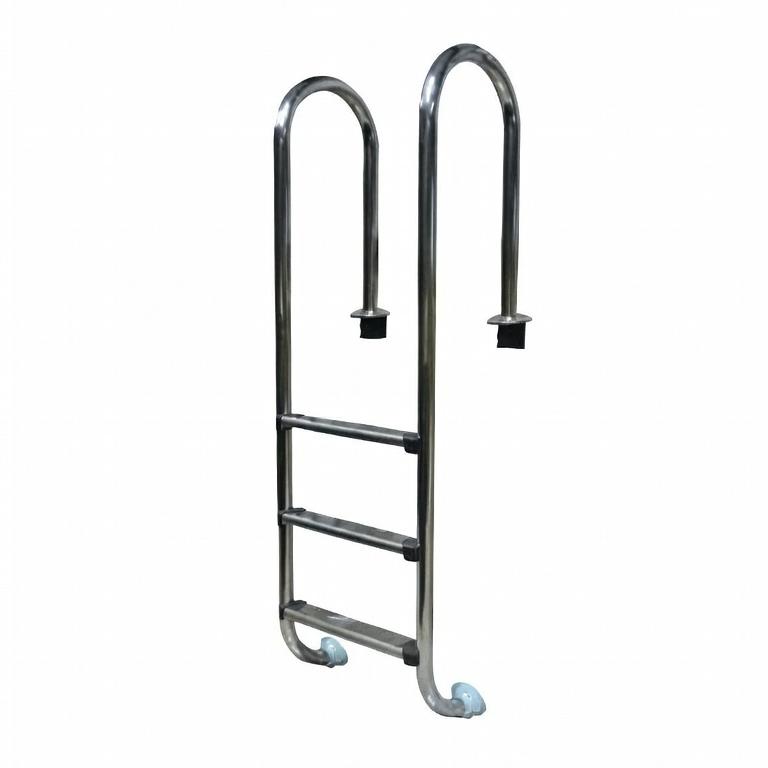
After the first wash, some marks may remain. These are often mineral scale, rust stains, or firmly attached algae film. Treat these areas more precisely.
For mineral scale and light stains:
- Apply a solution of water and white vinegar to the stained area.
- Let it sit for about 10–15 minutes.
- Scrub gently with a soft brush or cloth.
- Rinse thoroughly.
For localized tough spots:
- Mix baking soda with a small amount of water to form a paste.
- Apply the paste to the stained areas of the pool ladder.
- Allow it to sit for several minutes.
- Scrub lightly and then rinse well.
For stubborn algae:
- Use a diluted bleach solution in a well‑ventilated outdoor area.
- Apply only to the affected sections, especially where algae have built up inside joints or along the underside of steps.
- Allow suitable contact time, typically 10–20 minutes.
- Rinse very thoroughly afterward so no bleach remains on the pool ladder.
Always treat small test areas first and never mix bleach with vinegar or other acids.
The most critical part of cleaning inside a pool ladder is flushing hollow sections and internal cavities. These areas often hold stagnant water, which becomes a breeding ground for algae and bacteria.
- Identify all openings where water can enter the hollow pool ladder rails or supports.
- Insert a hose into each opening and run water at a steady pressure to flush out debris.
- While flushing, use a long bottle brush to scrub inside the rails as far as you can reach.
- Alternate between scrubbing and flushing until the water that comes out runs clear.
- If algae growth inside the hollow areas has been severe, pour some diluted bleach solution into the hollow rail, let it sit for a short time, and then flush repeatedly with clean water.
Be patient during this step. Thorough flushing is one of the best ways to prevent recurring algae problems related to the pool ladder.
Once all surfaces, including the inside of the pool ladder, have been scrubbed and treated, rinse everything carefully.
- Rinse the entire pool ladder with clean water, making sure every trace of detergent, vinegar, and bleach is removed.
- Check joints and hidden corners to ensure no foam or cleaner remains.
- Dry the pool ladder with microfiber towels.
- Allow the pool ladder to air‑dry in a shaded but well‑ventilated space, or briefly in sunlight if it does not conflict with material recommendations.
Proper drying helps prevent new stains and reduces the chance of corrosion on metal components.
With the pool ladder clean and dry, inspect it closely for any structural issues.
Look for:
- Cracks in plastic steps or side rails.
- Rust spots or pitting on stainless steel.
- Loose bolts, nuts, or clamps.
- Worn rubber bumpers, feet, or pads that protect the pool wall or floor.
If the pool ladder shows serious damage, consider replacing the affected parts or the entire ladder. A damaged pool ladder can be unsafe, especially when used by children or elderly swimmers.
When you are satisfied with the condition of the pool ladder, prepare to reinstall it.
- Clean the anchors or mounting sockets on the deck or pool wall.
- Carefully lower the pool ladder into position, making sure the feet or bumpers rest firmly and evenly.
- Tighten all anchor bolts, clamps, or brackets according to the manufacturer's instructions.
- Test the pool ladder by putting weight on each step and pulling on the handrails to confirm that everything is stable.
A firmly anchored and clean pool ladder provides safe, comfortable access to the pool.
Regular maintenance keeps the inside of the pool ladder cleaner for longer, reducing the need for deep scrubbing.
Helpful habits include:
- Weekly wipe‑down: Use a soft cloth and clean water or a mild solution to wipe the rails and steps.
- Weekly brushing around the base: Brush the pool wall and floor around the ladder to prevent algae from spreading toward the ladder.
- Water balance checks: Maintain proper sanitizer levels, pH, and calcium hardness, which help prevent scale and reduce corrosion on the pool ladder.
- Circulation improvements: Ensure good circulation around the pool ladder area to limit stagnant water.
- Monthly deep checks: Once a month, remove or partially loosen the pool ladder to inspect for algae and dirt in hidden parts.
- Seasonal removal: Before winter closing or long periods of inactivity, remove the pool ladder, clean it thoroughly, dry it, and store it indoors if possible.
By following these practices, you not only keep the pool ladder looking great but also reduce the total time needed for intensive cleaning sessions.
Working safely around chemicals and water is just as important as getting the pool ladder clean.
Basic safety guidelines:
- Read labels on all cleaners and follow dilution instructions.
- Wear gloves and eye protection when working with bleach or stronger cleaners.
- Never mix different chemicals together, especially chlorine products and acids.
- Work in an open outdoor area and avoid breathing fumes directly.
- Keep children and pets away from your work zone until the pool ladder is rinsed and reinstalled.
When in doubt, choose the gentlest cleaner that can effectively remove dirt and stains. This approach protects the pool ladder surface and reduces risk to swimmers.
Many pool owners find it helpful to follow visual, step‑by‑step demonstrations when learning how to clean inside a pool ladder. Visual guides can show small but important details that are hard to explain only with text, such as the angle to insert a brush, how to flush hollow rails efficiently, or how to avoid scratching the ladder while removing it.
When you look for visual guides, choose those that:
- Clearly show disassembling and reassembling the pool ladder (if your design allows it).
- Demonstrate using narrow brushes inside rails and joints.
- Explain water‑chemistry basics that affect staining and algae growth on the pool ladder.
- Cover both inground and above‑ground pool ladder designs if you work with multiple pools.
Combining written instructions with visual demonstrations will quickly build your confidence and help you maintain the inside of your pool ladder like a professional.
Cleaning the inside of a pool ladder is a key part of keeping your swimming pool safe, hygienic, and visually appealing. By removing the pool ladder, washing it with gentle cleaners, flushing hollow sections, treating stains, and carefully rinsing and drying every surface, you eliminate the hidden pockets of algae and debris that can cause ongoing water problems. Regular maintenance, correct water balance, and safe chemical handling will keep your pool ladder in top condition for many seasons. With a consistent routine and the right tools, your pool ladder will stay clean, stable, and comfortable for every swimmer who enters or exits the pool.
Contact us to get more information!
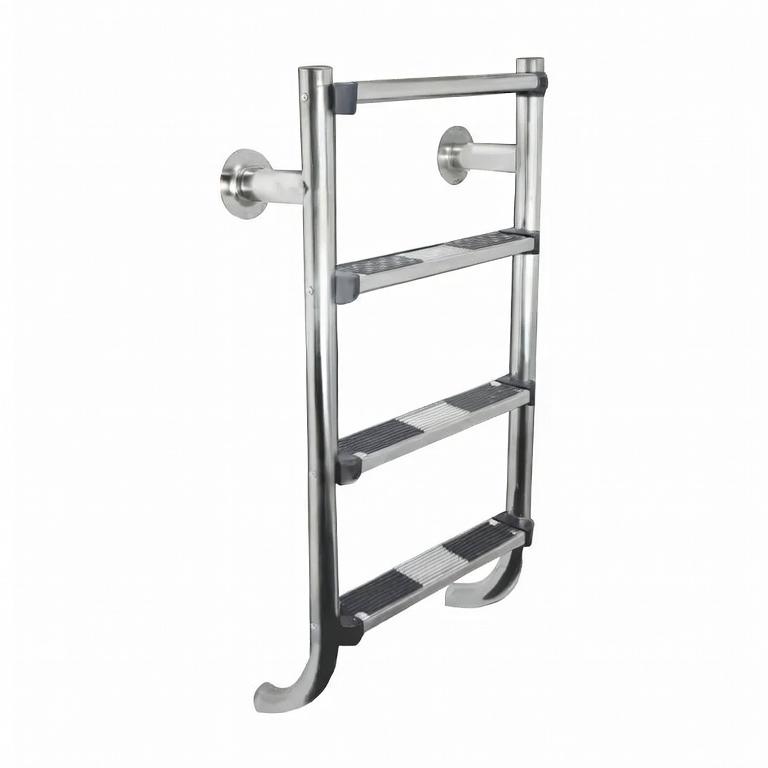
For most residential pools, a light cleaning every week and a deeper internal cleaning at least once a month is recommended. In hot climates or during peak swimming season, consider inspecting and cleaning inside the pool ladder more frequently if you notice slime, discoloration, or recurring algae.
You do not need to remove the pool ladder for quick surface wipe‑downs, but removal is strongly recommended for thorough internal cleaning. Taking the pool ladder out of the water allows you to flush hollow rails, scrub undersides of steps, and check all joints and fittings.
You can use a pressure washer on some pool ladders if you use moderate pressure and keep a safe distance. Avoid aiming high‑pressure spray directly at soft plastic parts, vinyl liners, or delicate coatings connected to the pool ladder. Always test a small area first and adjust your distance to prevent damage.
Recurring algae on a pool ladder usually come from hidden pockets inside hollow rails or under step connections where water circulates poorly. If these interior spaces are not fully flushed and disinfected, algae can survive there and spread back onto the visible surfaces and into the pool water.
A mild detergent and warm water are usually sufficient for routine stainless steel pool ladder cleaning. Rinse and dry thoroughly afterward to prevent water spots and staining. For extra protection, you can apply a thin coat of a suitable protective product recommended for stainless steel surfaces, but avoid abrasive pads or harsh acids that can damage the finish.
Yes, using excessively strong chemicals or mixing incompatible products can damage the surface of your pool ladder. Harsh acids, undiluted bleach, or abrasive powders can etch metal, weaken plastic, and strip protective coatings. Always dilute chemicals properly, use the mildest product that will do the job, and rinse the pool ladder completely before putting it back into the pool.
Unbalanced water chemistry can cause scale, corrosion, and staining on the pool ladder. High calcium hardness and high pH levels encourage scale deposits, while low pH or poorly controlled sanitizer levels can increase corrosion on metal surfaces. Keeping your pool water balanced helps protect the pool ladder and reduces how often you need to perform heavy cleaning.
1. https://www.poolkingfilter.com/how-to-clean-algae-off-pool-ladder.html
2. https://www.poolkingfilter.com/how-to-clean-above-ground-pool-ladder.html
3. https://www.srsmith.com/en-us/blog/archive/how-to-clean-your-pool-ladders-rails/
4. https://www.mavaquadoc.com/blogs/pool-maintenance-blog/what-is-the-best-way-to-clean-pool-ladders
5. https://www.lathampool.com/wp-content/uploads/2022/07/Cleaning-Pool-Steps.pdf
6. https://newcastleswimmingpools.com/swimming-pool-ladder-maintenance-tips/


