
Views: 222 Author: Tina Publish Time: 2026-01-27 Origin: Site


Content Menu
● Safety First Before Disassembling a Hayward Pool Pump
>> Shut Off Power to the Pool Pump
>> Relieve System Pressure and Drain the Pool Pump
● Tools and Materials You Need to Take Apart a Hayward Pool Pump
>> Basic Hand Tools for Pool Pump Disassembly
>> Helpful Supplies for a Smoother Pool Pump Tear‑Down
>> Useful Videos and Visual References
● Step‑by‑Step: How to Take Apart a Hayward Pool Pump
>> Step 1 – Remove the Pump Lid and Strainer Basket
>> Step 2 – Disconnect Plumbing and Wiring (If Needed)
>> Step 3 – Separate the Motor from the Pump Housing
>> Step 4 – Remove the Diffuser from the Pool Pump Assembly
>> Step 5 – Remove the Impeller from the Motor Shaft
>> Step 6 – Remove the Seal Plate and Mechanical Shaft Seal
● Cleaning and Inspecting Hayward Pool Pump Components
>> Cleaning the Housing, Basket, and Lid
>> Inspecting the Diffuser and Impeller
>> Inspecting O‑Rings, Gaskets, and Seals
● Reassembling the Hayward Pool Pump
>> Installing the New Mechanical Shaft Seal
>> Reattaching the Seal Plate and Impeller
>> Joining the Motor Assembly to the Pump Housing
>> Reconnecting Plumbing and Wiring
● Restarting and Priming the Hayward Pool Pump
>> Restoring Power and Checking for Leaks
● Example Scenario – Fixing a Leaking Hayward Pool Pump
● FAQ – Hayward Pool Pump Disassembly
>> 1. How often should I take apart my Hayward pool pump?
>> 2. Can I take apart a Hayward pool pump without removing it from the plumbing?
>> 3. Do I need to replace the mechanical shaft seal every time I open the pool pump?
>> 4. What should I do if the impeller is stuck and won't unscrew?
>> 5. How can I prevent priming problems after reassembling my Hayward pool pump?
Disassembling a Hayward pool pump is a practical skill that helps you fix leaks, replace worn parts, and restore strong water circulation in your pool system. With a clear procedure and basic tools, you can safely open the pump, service internal components, and reassemble it for reliable performance.

Working on a Hayward pool pump always starts with safety. You are dealing with electricity, water, and pressurized plumbing, so your first steps must be to cut power, relieve pressure in the system, and drain the pump body.
The pool pump must be completely de‑energized before you loosen any bolts or remove the motor assembly.
- Turn the pool pump off at the timer, automation control, or manual switch.
- Switch off the circuit breaker that feeds the pool pump in your electrical panel.
- Use a lockout/tag if possible so nobody turns the breaker back on accidentally while you work.
- Confirm the pool pump does not start when you try the timer or switch again.
Never work on a wet electrical connection or a running motor. Make sure the surrounding work area is dry and stable so you can handle the pump safely.
After the pump stops, pressure can still remain in the filter tank and plumbing. Relieving this pressure protects you from sudden sprays of water or unexpected movement of parts.
- Turn the multiport valve or valve configuration to a neutral or “closed” position if required by your filter design.
- Open the air relief valve on the filter tank and keep it open until water flows steadily, then close it.
- Close suction and return valves to isolate the pool pump from the pool so you do not drain the pool by accident.
- Remove the drain plugs at the bottom of the pump strainer body so the housing can empty completely.
- Allow a few minutes for residual water in the pump body and short sections of pipe to drain out.
Once pressure is relieved and the pump body is drained, the Hayward pool pump is safe to open.
Preparing the correct tools and replacement parts before you start will save time and help prevent damage to the pump housing or motor.
Most Hayward pool pump models, such as the Super Pump and Super II, use similar types of fasteners and components. Common tools include:
- Combination wrenches and/or socket set (often 9/16" or similar sizes for housing bolts).
- Flat‑head and Phillips screwdrivers for screws, covers, and gentle prying.
- Strap wrench or large adjustable pliers for stubborn impellers.
- Open‑end or box wrench to hold the motor shaft at the rear (often 7/16" on many motors).
- Nut driver set for small screws on diffuser covers or electrical compartments.
Arrange your tools on a clean, dry work surface so you can access them easily while the pool pump is apart.
Beyond hand tools, some additional supplies make the process smoother and help ensure a leak‑free reassembly:
- Penetrating oil or spray lubricant to loosen corroded mounting bolts.
- Soft cloths and non‑abrasive pads to clean sealing surfaces and parts.
- Plastic-safe cleaner to remove scale or residue on the pump housing and lid.
- New mechanical shaft seal matched to your Hayward pool pump model.
- New O‑rings and gaskets for the housing, diffuser, drain plugs, and strainer lid.
- Silicone‑based lubricant approved for pool equipment seals and O‑rings.
If your goal is to rebuild or refresh an older Hayward pool pump, having a complete seal and gasket kit on hand is a smart strategy.
Even when you follow a written guide, visual demonstrations add clarity. Look up:
- Disassembly videos that show removing the impeller, diffuser, and motor from Hayward-style pool pump bodies.
- Priming and troubleshooting videos for Hayward pool pumps that illustrate how the water should move after reassembly.
Use these visual resources as a supplement while you follow the step‑by‑step instructions in this article.
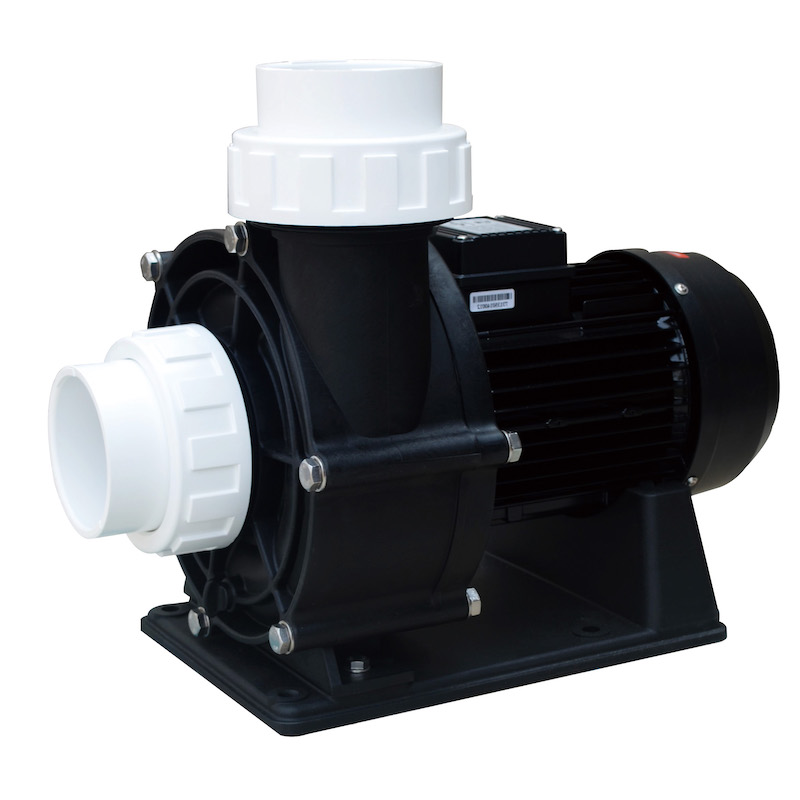
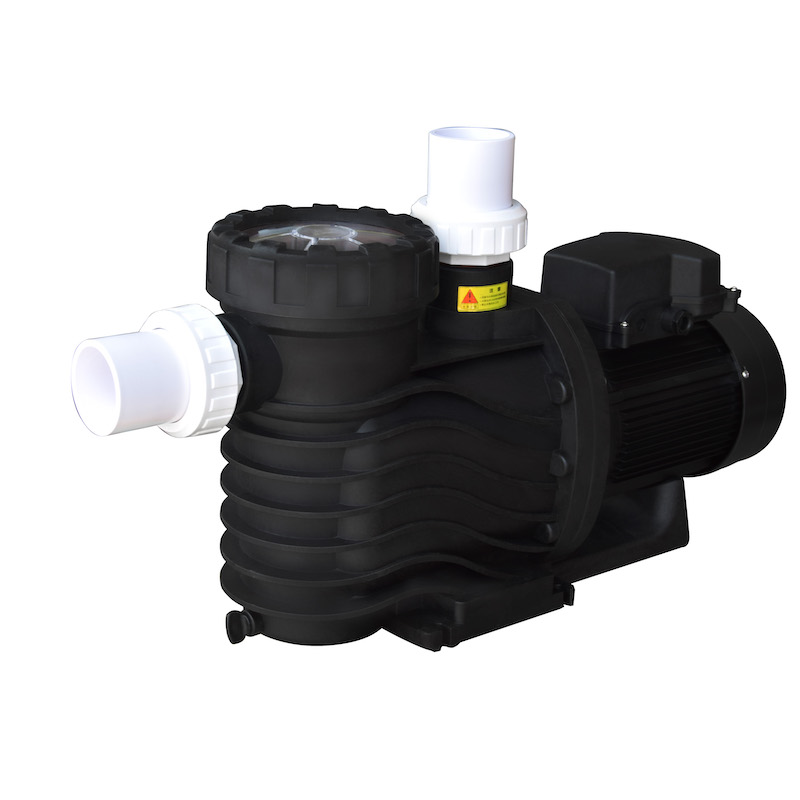
Although Hayward offers several pool pump series, most share a similar structure: a strainer housing on the front, a wet end (pump housing, diffuser, and impeller), and a motor at the rear. The goal is to separate the motor from the wet end and then remove the internal parts.
The front of the Hayward pool pump houses the strainer basket and clear lid.
- Make sure the pump is drained and valves are closed.
- Turn the clear lid counter‑clockwise to unlock it. Some lids use tabs or knobs instead of full threads.
- Lift the lid straight up and set it aside in a clean area.
- Pull out the strainer basket, empty any debris, and inspect it for cracks.
- Look inside the housing and verify most of the water has drained out through the drain plug.
Removing the basket and lid gives you space to inspect the front of the pool pump and helps ensure that debris does not fall deeper into the wet end during disassembly.
You do not always need to remove the entire pool pump from the pad, but in some installations, it makes work much easier.
- Check whether your pool pump is plumbed with unions on both suction and discharge. If so, loosen the union nuts and move the lines away.
- Remove the lag bolts or anchors that hold the pump base to the equipment pad if you plan to move it.
- Open the electrical compartment on the motor (usually at the back) and verify power is off again.
- Take a photo of the wiring connections so you can reconnect them correctly later.
- Disconnect the line, neutral, and ground wires from the motor terminals and gently pull the conduit away if necessary.
If you only need to access the impeller or seal and you have enough room, you can leave the plumbing connected and simply separate the wet end from the motor at the rear of the pool pump.
This is one of the most important steps in taking apart a Hayward pool pump.
- Locate the set of bolts that run through the seal plate into the main pump housing. On many Super Pump models, there are four long bolts spaced around the perimeter.
- Spray penetrant on any rusty or corroded bolt heads and let it sit a few minutes.
- Use a socket or wrench to remove each bolt completely, keeping track of washers or spacers.
- Once the bolts are out, grip the motor body firmly and pull it straight back from the pump housing.
- If the assembly is stuck, gently insert a flat screwdriver between the seal plate and housing flange and twist slightly to break the seal, taking care not to gouge the plastic.
When you pull the motor out, it usually brings the seal plate, diffuser, and impeller with it as a single unit. The main housing with the suction and discharge ports stays connected to the pool system.
The diffuser surrounds the impeller and shapes water flow inside the pool pump.
- Examine the front of the motor assembly. The diffuser is the stationary ring or cover around the impeller.
- Some diffusers are held with small screws; others snap into tabs on the seal plate or pump housing.
- Remove any screws and gently pull the diffuser straight off. If it resists, carefully pry around its edge with a flat screwdriver.
- Inspect the diffuser for cracks, chips, or worn edges. Check for grooves where debris may have rubbed.
A damaged diffuser can reduce the efficiency of the pool pump and contribute to prime loss, so consider replacing it if you find significant wear.
With the diffuser off, you can see and reach the impeller, the rotating part that moves water through the pool pump.
- Turn the motor around and find the shaft end at the back. Many motors have a flat-sided section designed for a wrench.
- Insert the correct wrench on the shaft and brace it against the motor frame so the shaft cannot spin.
- Return to the front and grasp the impeller with your hand.
- Turn the impeller counter‑clockwise to unscrew it from the shaft. Most Hayward pool pump impellers use standard right‑hand threads.
- If the impeller is too tight to turn by hand, use a strap wrench around the impeller hub to increase leverage.
- For very stubborn impellers, some technicians gently tap a screwdriver against the impeller vanes while the shaft is held still, but this must be done with extreme care to avoid cracking the plastic.
Once removed, set the impeller aside and look closely at the vanes and hub. Excessive wear, melted plastic, or broken vanes are all signs that the pool pump impeller should be replaced.
Behind the impeller sits the seal plate and the mechanical shaft seal that prevents water from leaking along the motor shaft.
- Remove any remaining screws or bolts that secure the seal plate to the motor face.
- Pull the seal plate straight off the shaft. If it is stuck, gently pry at opposite sides with two screwdrivers to ease it forward.
- Look at the seal plate: inside you will see a ceramic ring seated in a rubber cup. This is one half of the mechanical seal.
- Push the ceramic seat out from the rear using your fingers or a soft tool so you do not scratch the polished surface.
- On the impeller, locate the spring‑loaded half of the seal and twist or pull it off carefully.
- Make sure all pieces of the old seal, including any broken fragments, are fully removed. Leaving fragments behind can cause immediate leaks once the pool pump is reassembled.
At this stage, your Hayward pool pump is completely apart: housing on the pad, motor detached, and internal wet‑end parts ready for inspection and cleaning.
With everything disassembled, take advantage of the access to thoroughly clean and inspect every component. This is a key part of extending the life of your pool pump.
- Rinse the inside of the pump housing with clean water to remove sand, leaves, and any accumulated sludge.
- Clean the strainer basket with a hose, making sure every slot is open.
- Wipe the clear lid with a soft cloth to remove film and dirt so you can see inside the pool pump more easily after reassembly.
- Clean the drain plugs and their O‑rings, removing grit that might prevent proper sealing.
A clean wet end allows water to flow smoothly and helps the pool pump prime quickly and run quietly.
- Check the diffuser's edges and internal surfaces for erosion, cracks, or deformed areas.
- Make sure the diffuser's mounting tabs and screw holes are not broken.
- Inspect the impeller vanes for chips, warping, or missing pieces.
- Look inside the impeller eye for small stones or hard debris that might have become lodged.
- Examine the threads on the impeller hub and the motor shaft for corrosion or stripped areas.
If you find serious damage on either the diffuser or impeller, replacing the part is usually the smartest option. These components directly affect the hydraulic performance of the pool pump.
- Examine the large housing gasket that sits between the seal plate and pump housing.
- Check the lid O‑ring for flat spots or cracks.
- Look at the diffuser O‑ring (if your model uses one) for dryness or distortion.
- Inspect the mechanical shaft seal surfaces for scoring, discoloration, or chips.
Even if seals appear acceptable, it is good practice to install new O‑rings and a new mechanical shaft seal whenever you fully tear down a Hayward pool pump. Fresh seals are inexpensive insurance against leaks and lost prime.
Putting the pool pump back together is mostly the reverse of taking it apart. Take your time with seal orientation and alignment to ensure trouble‑free operation.
- Clean the seal plate bore where the ceramic seat will sit.
- Lightly lubricate the outside rubber cup of the new ceramic seat with an approved lubricant.
- Press the seat into the seal plate with the polished ceramic face pointing toward the impeller side.
- On the impeller, slide the spring‑loaded half of the seal over the hub with its polished face pointing toward the ceramic ring once assembled.
- Handle the seal faces carefully and avoid touching them with greasy fingers. Any dirt or oil can cause noise or leakage when the pool pump runs.
Correct placement of the mechanical seal is critical. A reversed or contaminated seal can leak immediately.
- Slide the seal plate back onto the motor shaft, aligning any locating tabs or holes.
- Install and tighten the mounting bolts evenly so the plate sits flat against the motor face.
- Hold the motor shaft from the rear again with your wrench.
- Thread the impeller clockwise onto the shaft by hand until it bottoms out snugly.
- Do not overtighten; the impeller will self‑tighten slightly when the pool pump starts and runs under load.
Check that the impeller spins freely by hand without rubbing against the seal plate. Any grinding or binding must be corrected before you continue.
- Place the diffuser over the impeller, aligning any guide pins or tabs.
- Press it into place until fully seated or reinstall the diffuser screws and snug them evenly.
- Fit any diffuser O‑ring or gasket into its groove, making sure it lies flat.
The gap between the diffuser and impeller is engineered to help the pool pump prime and run efficiently, so ensure parts are correctly positioned.
- Inspect and clean the main housing gasket area on both the pump housing and seal plate.
- Install a new housing O‑ring or gasket, lightly lubricated if recommended.
- Slide the motor and wet end assembly straight into the pump housing, keeping everything square.
- Install the long housing bolts and tighten them gradually in a crisscross pattern so the seal compresses evenly.
- Avoid overtightening to prevent warping the plastic housing.
When the flanges are drawn together, you should see an even joint all around with the gasket fully captured.
If you removed your Hayward pool pump from the pad, now is the time to reconnect it.
- Position the pump on the pad and secure it with mounting bolts if used.
- Reattach plumbing unions or couplings, checking that all O‑rings are present and in good condition.
- Restore the electrical connections at the motor following the photo or notes you took earlier.
- Make sure the ground wire is secured to the appropriate lug and that all wire nuts or terminal screws are tight.
- Replace the electrical cover on the motor.
Do not restore power yet; you still need to prime the pool pump.
A successful restart confirms that your work on the pool pump was done correctly. The goal is to prime the pump without leaks or air ingestion.
- Verify that all drain plugs are reinstalled and snug, including those on the pump housing and filter if applicable.
- Open the suction and return valves to allow water to reach the pool pump.
- Remove the strainer lid and fill the housing completely with water using a bucket or hose.
- Inspect the lid O‑ring, apply a thin coat of lubricant if needed, and seat it properly.
- Replace the clear lid and tighten it by hand.
Priming the pool pump ensures the new mechanical seal does not run dry during the first few seconds of operation, which could damage it.
- Open the filter air relief valve.
- Turn the pool pump circuit breaker back on.
- Start the pump using your timer or switch.
- As the pump runs, watch the strainer housing fill with water and listen for changes in sound that indicate full prime.
- Close the air relief valve once a steady stream of water escapes.
- Examine the housing joint, lid, drain plugs, and unions for any signs of dripping or spraying.
If you notice persistent air bubbles, gurgling, or difficulty maintaining prime, recheck your lid O‑ring, suction side fittings, and housing gasket. Many priming problems are related to small air leaks on the suction side of the pool pump.
Imagine a typical case: your Hayward pool pump leaves a small puddle of water between the motor and the pump housing, and it loses prime overnight. This usually indicates a worn mechanical shaft seal or housing gasket.
To solve this issue:
1. Shut off power and drain the system.
2. Separate the motor from the housing, remove the diffuser and impeller, and pull off the seal plate.
3. Replace the mechanical shaft seal and main housing gasket with new parts.
4. Reassemble the seal plate, impeller, diffuser, and housing.
5. Prime the pool pump, restore power, and check for leaks.
By following the procedure in this article, you not only stop the leak but also refresh critical components, helping the pool pump run stronger and more quietly.
Taking apart a Hayward pool pump may seem intimidating at first, but once you understand the main components and the correct sequence—power off, drain and depressurize, separate the motor from the housing, remove the diffuser, impeller, and seal plate—it becomes a logical and manageable process. With basic tools, new seals, and careful inspection of each part, you can solve common issues such as leaks, poor priming, and low flow, and restore your pool pump to strong, efficient operation. Whether you are a pool owner maintaining your own equipment or a professional servicing multiple installations, mastering Hayward pool pump disassembly and reassembly will help keep your pool water clear, clean, and inviting season after season.
Contact us to get more information!
You do not need to schedule full disassembly on a calendar. Most owners take apart the pool pump when symptoms appear: leaks at the housing, unusual noise, loss of prime, or reduced flow. However, whenever you replace the motor or notice water coming from the junction between the motor and pump housing, it is a good time to open the pump, inspect internal parts, and install new seals and gaskets.
Yes, in many cases you can. If you have enough room behind the pump and the plumbing is solidly supported, you can remove the housing bolts, pull the motor and wet end assembly back, and access the impeller and seal without disconnecting pipes. Still, installations without unions or with very tight clearances may require you to disconnect plumbing and lift the entire pool pump off the pad for comfortable access.
It is strongly recommended. Once the mechanical seal has been compressed, heated, and exposed to chemicals, reusing it after disassembly increases the risk of immediate leakage. Since shaft seals are relatively inexpensive compared to the labor involved in taking apart a Hayward pool pump, most professionals replace the seal during every major tear‑down or motor change.
First, make sure you are holding the motor shaft firmly from the rear with the correct wrench. Apply steady, firm pressure on the impeller counter‑clockwise rather than quick jerks. If it still does not move, use a strap wrench to increase leverage. As a last resort, some technicians use a carefully placed screwdriver and light hammer taps to shock the threads free, but you must be gentle to avoid cracking the impeller. Severely seized impellers may need to be cut off and replaced.
Focus on eliminating sources of air leaks on the suction side. Make sure the lid O‑ring is clean, flexible, and well‑lubricated, and that the lid is tightened firmly by hand. Check that all suction fittings and unions are tight and properly sealed with tape or sealant where necessary. Always fill the strainer housing with water before starting the pool pump and open the filter's air relief valve while the pump is building pressure. If the pump still struggles to prime, re‑inspect the housing gasket, mechanical seal area, and plumbing for hidden leaks.
1. https://hayward.com/media/akeneo_connector/asset_files/I/S/IS26002_RevA_286d.pdf
2. https://www.poolzoom.com/how-to-rebuild-the-hayward-super-pump.html
3. https://diy.inyopools.com/article/disassembling-pool-pump-tips-tricks/
4. https://www.inyopools.com/HowToPage/how_to_replace_a_pool_pump_diffuser.aspx
5. http://coralspringspumprepair.com/cshowtochangemotoronsuper2.html
6. https://intheswim.com/blog/replacing-a-hayward-pump-motor.html
7. https://www.oconnellpool.com/troubleshooting-your-hayward-pool-pump-quick-fixes-to-keep-your-pool-running-smoothly/
8. https://discountpoolsonline.com/7-common-issues-with-hayward-super-pumps-tips-for-repairs/
9. https://hayward.com/media/akeneo_connector/asset_files/I/S/IS3200XE_REV_B_8d8c.pdf
10. https://www.youtube.com/watch?v=YQl0W5doYSI
11. https://www.youtube.com/watch?v=Hy1meV5Y4iQ
12. https://www.youtube.com/watch?v=UgXzHO16jxc
13. https://www.youtube.com/watch?v=j6XvJ6hyde0


