
Views: 222 Author: Tina Publish Time: 2026-01-25 Origin: Site


Content Menu
● How Pool Filter Pressure Works
● How Different Types of Pool Filters Respond to Pressure
● Most Common Causes of High Pool Filter Pressure
>> 1. Clogged or Dirty Pool Filter Media
>> 2. Algae Growth Blocking the Pool Filter
>> 3. Blocked or Partially Closed Return Lines
>> 4. Dirty Skimmer or Pump Basket
>> 5. Oversized Pump or Undersized Pool Filter
>> 6. Calcium Buildup and Internal Scaling
>> 7. Faulty Pressure Gauge on the Pool Filter
● Step‑By‑Step Troubleshooting for High Pool Filter Pressure
>> 1. Confirm the Clean Starting Pressure
>> 2. Clean or Backwash the Pool Filter
>> 3. Test Using Recirculate or Bypass Mode
>> 4. Inspect Valves, Return Lines, and Accessories
>> 5. Review Pump and Pool Filter Sizing
● Safety Risks of High Pool Filter Pressure
● How High‑Quality Pool Filter Systems Help Prevent Problems
● Best Practices for Keeping Pool Filter Pressure in the Ideal Range
● FAQ – High Pool Filter Pressure
>> FAQ 1 – Why did my pool filter pressure suddenly spike overnight?
>> FAQ 2 – How often should I clean my pool filter to avoid high pressure?
>> FAQ 3 – Can I keep running the pump if the pool filter pressure is high?
>> FAQ 4 – Do I need a bigger pool filter or a smaller pump to solve pressure issues?
>> FAQ 5 – Is high pool filter pressure always caused by a dirty filter?
High pool filter pressure is one of the most important warning signs in any swimming pool circulation system. When the pressure gauge reading is higher than normal, it usually means something is restricting water flow after the pump, forcing water to push harder through the pool filter and plumbing. Understanding what causes high pool filter pressure and how to fix it will help you keep water clear, protect your equipment, and avoid costly repairs.
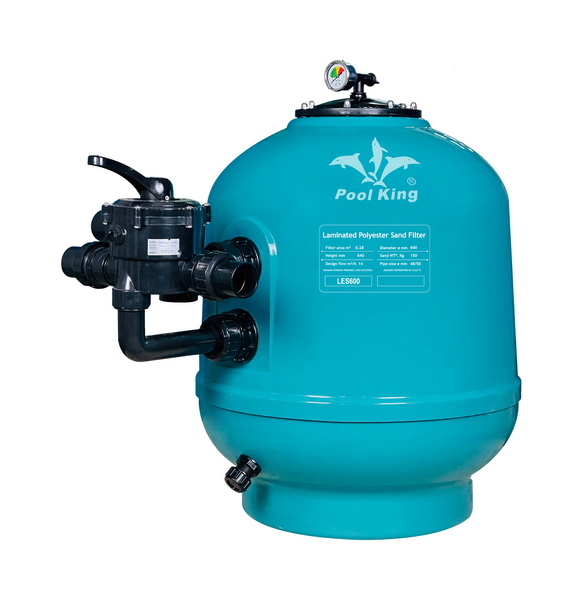
The pressure gauge on top or on the side of the pool filter tank measures how much resistance the water encounters as it moves through the filtration system. The harder the pump must work to push water through the filter media and return lines, the higher the pressure reading will be.
Every pool filter system has a normal “clean” starting pressure. This is the PSI recorded right after a fresh backwash for sand and DE filters, or after a thorough cleaning for cartridge filters. Many professionals recommend cleaning the pool filter when the pressure rises about 8–10 PSI above this normal starting point.
If your pool filter pressure is consistently high, it indicates that the filter media or the return plumbing is restricting water flow. High readings are rarely a pump problem; they are usually related to something the water is trying to push through or around.
Different pool filter types behave slightly differently when pressure climbs, but the basic principle is the same: more resistance equals higher pressure.
- Sand pool filter: Water flows through a bed of sand, and debris is trapped in the sand layer. As the sand bed loads with dirt, oils, and fine particles, resistance increases and pool filter pressure slowly rises.
- Cartridge pool filter: One or more pleated cartridges provide a large filtration surface. As debris builds up between the pleats, the pool filter pressure rises faster, especially in pools with heavy bather loads or lots of fine dust.
- DE pool filter: DE powder coats grids inside the tank and traps very fine particles. The pool filter pressure can climb quickly as the DE layer captures more and more microscopic debris.
In all three cases, higher pressure means it is harder for water to pass through the pool filter media, and the system needs cleaning or inspection.
The most common reason for high pool filter pressure is simple: the filter is dirty. Over time, debris accumulates inside the pool filter media and increases resistance.
- In sand pool filters, dirt, body oils, fine silt, and pollutants compact within the sand bed. This compaction limits water flow and raises pressure.
- In cartridge pool filters, the pleats become coated with sunscreen, hair, fine dust, pollen, and organic particles that make it harder for water to pass through.
- In DE pool filters, the DE coating on the grids traps extremely fine particles, and once the surface is overloaded, the pool filter pressure climbs quickly.
When the gauge shows 8–10 PSI above the clean starting pressure, it is time to backwash your sand or DE pool filter or remove and thoroughly rinse your cartridge filter. If regular cleaning no longer lowers pressure to normal, the filter media itself may be worn out and ready for replacement.
Algae is another frequent cause of high pool filter pressure. When a pool experiences a green, cloudy, or mustard algae bloom, the pool filter suddenly has to trap millions of tiny algae cells.
As the algae are captured, the pool filter clogs rapidly and pressure rises. During algae treatment, it is normal to see pool filter pressure climb quickly and require several backwashes or cleanings in a short period. The filter does not kill algae; it only removes dead and suspended material after chemicals do their job. Proper chlorination and shock treatments, combined with brushing surfaces and frequent pool filter cleaning, are essential for restoring normal pressure.
High pool filter pressure combined with weak water flow coming back into the pool often points to a blockage after the filter. This is a classic “high pressure, low return flow” situation.
Possible causes include:
- Obstructions in return pipes, such as leaves, scale, or foreign objects lodged in elbows or fittings.
- Valves that are partially closed or set in the wrong position on multiport or diverter valves.
- Restrictions inside heaters, chlorinators, or salt cells caused by scale buildup or internal debris.
Because the water cannot exit freely, pressure builds on the pool filter side of the system. Fully opening valves, clearing blockages, and cleaning internal components will help bring pool filter pressure back to the normal range.
Although clogged skimmer and pump baskets often cause low pressure by restricting flow entering the pump, they can also contribute to unstable or abnormal readings.
When baskets are packed with leaves and debris:
- The pump may cavitate or lose prime, creating surging pressure that stresses the pool filter.
- Flow rates become inconsistent, making it harder to interpret what the gauge is telling you.
- Combined with a partially clogged pool filter, the entire system can operate inefficiently and at higher stress.
Regularly emptying skimmer and pump baskets keeps the pool filter system stable, supports consistent pressure, and reduces strain on the pump.
Equipment mismatch is another underlying cause of high pool filter pressure. If the pump pushes more water than the pool filter is designed to handle, the filter experiences higher internal pressure.
Common scenarios include:
- Upgrading to a more powerful pump without upgrading the pool filter.
- Installing a small, compact filter on a pool that actually requires a larger filtration area.
- Using high-speed settings for long periods on a variable-speed pump with a modestly sized pool filter.
In these cases, the pool filter works under excessive stress, and pressure rises more easily when the media becomes dirty or partially blocked. Matching pump output and pool filter capacity ensures smoother pressure, longer cleaning intervals, and safer operation.
In areas with hard water or in saltwater pools, calcium can precipitate out and cause scaling on internal surfaces. This affects not only the filter but also the entire return-side plumbing.
Scaling problems include:
- Calcium deposits narrowing heater, salt cell, or chlorinator passages, which increases back pressure.
- Scale forming on pool filter cartridges, DE grids, or even the upper layer of sand, reducing porosity and pushing pressure higher.
- Rough, crusty surfaces that trap more dirt, which makes the pool filter clog even faster.
Periodic chemical cleaning of cartridges and DE grids, along with proper water balance (especially pH, alkalinity, and calcium hardness), helps prevent scaling and keeps the pool filter running at a safe pressure.
Sometimes the issue is not the pool filter at all but the gauge that measures pressure. Old, sun‑damaged, or low-quality gauges can provide inaccurate readings.
Typical signs of a faulty gauge include:
- The needle does not return to zero when the system is off.
- The gauge jumps or sticks at a certain reading.
- The reading seems unusually high or low compared to how the pool filter system appears to be operating.
Replacing the pressure gauge on the pool filter is inexpensive and restores confidence in your readings. Verifying pressure with a new gauge is a simple way to confirmwhether the system has a real problem or just a measurement error.
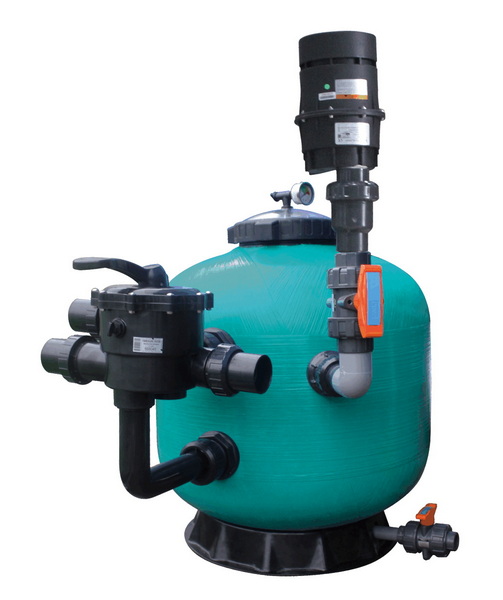
If you do not already know your normal pressure, establish it after a thorough cleaning. Backwash a sand or DE pool filter or fully rinse a cartridge pool filter. Then restart the system and let it run for a few minutes. Record the gauge reading as your “clean” baseline. Compare future readings to this benchmark.
The first response to high pool filter pressure should always be cleaning:
- Sand or DE filter: Turn off the pump, set the valve to backwash, and run until the water in the sight glass is clear. Then use the rinse setting (if available) before returning to filter mode.
- Cartridge filter: Turn off the pump, open the tank, remove the cartridges, and hose them from top to bottom. For heavily soiled cartridges, soak them in a filter cleaning solution to remove oils and scale.
After cleaning, restart the system and check whether the pool filter pressure drops back near the clean starting level.
If your multiport valve includes a recirculate or bypass setting, use it to help isolate the problem:
- When you bypass the pool filter media, water flows directly back to the pool without passing through the sand, cartridge, or DE.
- If pressure drops significantly on recirculate, the restriction is likely inside the filter media.
- If pressure remains high even on recirculate, then the blockage or restriction is probably in the return plumbing or one of the components after the pool filter.
This simple test can save time by clearly showing whether the pool filter or the plumbing needs closer attention.
Next, inspect everything located after the pool filter:
- Ensure all return valves are fully open and not partially closed.
- Check heaters, chlorinators, salt cells, and any inline devices for internal blockages, scale, or incorrect installation.
- Verify that return jets are not excessively restricted and that pressure‑side cleaners or specialized fittings are not choking the flow.
If you suspect a serious blockage inside underground plumbing, consult a professional to avoid damage to the pool filter tank or piping.
If high pool filter pressure appeared after changing or upgrading equipment, compare the flow ratings of your pump and filter:
- The pump's maximum flow rate should not exceed the pool filter's maximum design flow.
- Oversized pumps can push too much water through a small filter, generating unnecessary pressure and strain.
- In many cases, upgrading to a larger pool filter offers better performance and longer intervals between cleanings.
Balancing pump speed (especially on variable-speed models) with the pool filter's capacity will result in lower, more stable operating pressure and better energy efficiency.
High pool filter pressure is not only a performance issue but also a safety concern if ignored for too long. Excessive pressure can stress the filter tank, lids, clamps, and fittings. In extreme situations, a compromised tank could fail and cause injury or property damage.
To stay safe:
- Never attempt to open the pool filter tank or adjust the clamp while the system is running.
- Always turn off the pump and release pressure through the air relief valve before opening the filter.
- Monitor the gauge after maintenance, and stand clear when restarting the pump to be sure the pressure rises smoothly and stays within the normal operating range.
Respecting pressure limits and maintaining a healthy pool filter system protects both people and equipment.
A well‑designed, high‑quality pool filter system is more forgiving, more efficient, and easier to maintain. For OEM brands, wholesalers, and professional pool builders, choosing superior pool filter equipment is essential for long‑term customer satisfaction.
Key advantages of premium pool filter designs include:
- Larger filtration area: Bigger filter tanks with more media surface allow dirt to spread out instead of clogging in a small area. This keeps pool filter pressure lower for longer periods.
- Optimized internal flow: Smart internal engineering improves water distribution inside the pool filter tank, reducing dead zones and localized compaction of sand, cartridge pleats, or DE.
- Stronger materials and construction: Robust tanks, lids, and clamps are better able to tolerate normal pressure cycles without warping or leaking.
- Compatibility with modern pumps: When paired with efficient single‑speed or variable‑speed pumps, quality pool filter systems maintain clear water at lower daily pressure and energy consumption.
As a professional manufacturer in China specializing in high‑performance pool filter equipment, including sand filters, DE filters, cartridge filters, pool pumps, LED lights, and related accessories, it is possible to provide OEM solutions for international brands, wholesalers, and pool equipment producers. By combining intelligent production lines with strict quality control, such a factory can deliver pool filter systems designed for stable pressure, long service life, and easy maintenance. OEM partners benefit from reliable filtration performance that helps reduce service calls and enhances the reputation of their own brands in competitive global markets.
To keep your pool filter pressure stable and your water crystal clear, follow a simple maintenance routine and good operating habits:
- Record the clean starting pressure after every full filter service.
- Backwash sand and DE pool filters or clean cartridge pool filters whenever pressure rises 8–10 PSI above the baseline.
- Brush pool walls and floors regularly to prevent algae from attaching and overloading the pool filter.
- Maintain proper water balance (pH, alkalinity, calcium hardness, and sanitizer levels) to minimize scaling and organic build‑up.
- Clean skimmer and pump baskets at least once or twice a week during the swimming season.
- Inspect valves, heaters, chlorinators, and salt cells periodically for signs of restriction or scaling.
- Consider upgrading to a larger or more advanced pool filter if your system frequently runs at high pressure or requires very frequent cleaning.
Good habits and quality equipment work together to keep pool filter pressure in the safe and efficient zone.
High pool filter pressure is a crucial signal that water is facing too much resistance as it flows through the filtration and return system. In most cases, the cause is a dirty or clogged pool filter, but algae growth, plumbing blockages, scaling, equipment mismatch, and even faulty gauges can all play important roles. By understanding how your pressure gauge relates to real‑world water flow, establishing a clean baseline, cleaning the pool filter whenever PSI climbs 8–10 points above normal, and regularly inspecting valves, baskets, and accessories, you can keep your pool filter operating in a safe, efficient range. When combined with a well‑designed, properly matched pool filter system, consistent maintenance not only protects pumps and tanks from damage but also ensures the sparkling, healthy pool water that swimmers expect.
Contact us to get more information!
A sudden spike usually means something quickly clogged the system or restricted the return flow. Heavy storms, large debris events, or a sudden algae bloom can load the pool filter very rapidly. It is also possible that a valve was accidentally moved, a heater or chlorinator became blocked, or the filter media compacted. The first step is to clean or backwash the pool filter thoroughly, then check valves, baskets, and return lines for unexpected restrictions.
There is no single schedule that fits every pool, but a good rule is to clean or backwash whenever the pool filter pressure rises 8–10 PSI above the clean starting point. In clean, lightly used pools, this might be every few weeks or months. In dusty areas, with high bather loads, or during algae treatment, you may need to service the pool filter much more often. Watching the gauge is more reliable than relying only on a calendar.
Running the pump with high pool filter pressure is not recommended. The extra stress can damage the filter tank, o‑rings, and plumbing fittings, and in extreme cases can create a serious safety hazard. If the pressure is significantly higher than normal, turn off the pump, release pressure, and investigate the cause. Only restart the system after the pool filter and plumbing have been cleaned or repaired and the pressure returns to a safe range.
If your pump is much stronger than your pool filter, either a lower‑flow pump or a larger pool filter can help. Many professionals prefer upgrading to a larger filter because it increases filtration area, prolongs cleaning intervals, and provides better clarity. On variable‑speed pumps, another option is to run at lower speeds for longer periods, which reduces strain on the pool filter while still providing excellent circulation.
A dirty pool filter is the most common cause, but it is not the only one. Blocked return lines, partially closed valves, scaled heaters or chlorinators, undersized filters, oversized pumps, or even faulty gauges can all contribute to high readings. If a complete pool filter cleaning does not restore normal pressure, you should inspect the rest of the circulation system and confirm that the pressure gauge is working correctly.
1. https://hayward.com/knowledge-base/why-does-my-filter-run-at-a-high-filter-pressure-and-has-reduced-water-flow-to-the-pool/
2. https://mrpoolman.com.au/blogs/news/diagnosing-and-fixing-pool-filter-pressure-problems
3. https://www.mavaquadoc.com/blogs/pool-maintenance-blog/why-is-my-pool-filter-pressure-high
4. https://www.youtube.com/watch?v=WU6mLHNN_h4
5. https://mr-pool-man.gorgias.help/en-US/why-is-my-pool-filter-pressure-high-1224834
6. https://www.swimmingpool.com/maintenance/pump&filter/guide-to-filter-pressure-gauges/
7. https://intheswim.com/blog/pool-filter-pressure-problems.html
8. https://www.bluescience.com/swimming-pools/posts/why-is-my-swimming-pool-filter-pressure-high/


