
Views: 222 Author: Tina Publish Time: 2026-01-26 Origin: Site


Content Menu
● Why cleaning a pool ladder matters
● Safety tips before cleaning the ladder
● Step‑by‑step: How to clean a metal pool ladder
>> Step 1: Remove the pool ladder
>> Step 2: Choose the right cleaner
>> Step 3: Scrub the metal pool ladder
>> Step 4: Rinse and dry the pool ladder
>> Step 5: Protect the stainless pool ladder
>> Step 6: Reinstall the pool ladder
● How to remove rust from a metal pool ladder
● How often to clean a metal pool ladder
● How water chemistry affects your pool ladder
● Pool ladder care: extra longevity tips
● FAQ about cleaning and maintaining a metal pool ladder
>> 1. How often should a metal pool ladder be cleaned?
>> 2. Can bleach be used on a stainless steel pool ladder?
>> 3. What is the best way to remove calcium scale from a pool ladder?
>> 4. When should a rusty metal pool ladder be replaced?
>> 5. How can a metal pool ladder be protected in a saltwater pool?
Keeping a metal pool ladder clean is essential for safety, appearance, and long‑term durability. A well‑maintained pool ladder provides secure access in and out of the pool, reduces the risk of slipping, and helps protect your investment in pool equipment. When a pool ladder is regularly cleaned and protected, it resists rust, staining, and scale, and continues to look bright and professional for many seasons.
A metal pool ladder spends long periods immersed in chlorinated or even saltwater, so it faces a harsh environment every day. Body oils, sunscreen, dirt, and algae easily accumulate on the surface of a pool ladder. Over time, these contaminants create slippery film, discoloration, and rough spots. If you ignore pool ladder maintenance, corrosion can attack joints and welds, and the ladder may become unsafe or uncomfortable to use.
This guide explains in detail how to clean a metal pool ladder step by step, how to remove rust and stains, how to protect stainless steel surfaces, how often you should clean your pool ladder, and how water chemistry affects its service life. By following these methods, you can keep any stainless steel or coated metal pool ladder looking like new and performing reliably in both residential and commercial pools.

A clean metal pool ladder is not just about looks; it directly affects safety and comfort. Slippery steps and handrails can cause accidents, especially when children or older swimmers use the pool ladder. Smooth, clean treads give swimmers secure footing, while clean, polished rails are easier to grip with wet hands.
When dirt, scale, and stains build up on a pool ladder, they also create hiding places for algae and bacteria. That makes the pool harder to sanitize and can lead to cloudy water or unpleasant odors. A neglected pool ladder can even stain the pool wall around it, affecting the overall appearance of the pool area. In addition, regular cleaning lets you inspect the pool ladder for early signs of damage such as cracks, loose fittings, or sharp edges that should be repaired or replaced.
Another important reason to clean a pool ladder is to protect the metal surface itself. Even stainless steel is only corrosion‑resistant, not corrosion‑proof. If contaminants stay on the surface for too long, they can damage the protective passive layer of stainless steel, allowing rust and pitting to form. Regular cleaning and rinsing help restore this protective layer and greatly extend the life of the pool ladder.
Before you start cleaning a metal pool ladder, prepare the correct tools and cleaners. Choosing the right equipment prevents scratching and ensures your pool ladder remains smooth and shiny.
Recommended tools and materials include:
- Soft cloths or microfiber towels for wiping and drying the pool ladder.
- A soft‑bristle nylon brush or non‑abrasive scrub pad for cleaning the rails, steps, and joints of the pool ladder.
- Mild dish soap and warm water for regular pool ladder cleaning.
- White vinegar solution (mixed with water) to help dissolve light scale and mineral deposits on the pool ladder.
- Baking soda for making a gentle cleaning paste for localized rust or stains on a metal pool ladder.
- A pool‑grade stainless steel cleaner or polish for finishing and protecting a stainless pool ladder.
- A small bucket or container for mixing cleaning solutions and soaking small parts of the pool ladder if needed.
- Basic hand tools such as a wrench or socket set to loosen anchor bolts so you can remove the pool ladder from the deck.
- Optional protective wax or sealer suitable for stainless steel or coated metal, to give the pool ladder an additional protective barrier.
Avoid harsh abrasives like steel wool, rough sandpaper, or strong industrial cleaners that are not designed for pools. These products can scratch the surface of the pool ladder, remove protective coatings, and create rough areas where corrosion and dirt will accumulate faster.
Safety always comes first when working around water and metal equipment. Before you start cleaning your metal pool ladder, take a few basic precautions to protect both yourself and the ladder.
First, make sure no one is using the pool while you remove or reinstall the pool ladder. If necessary, switch off circulation equipment or automatic cleaners during the process, especially if hoses or cables might interfere with the pool ladder. Wear rubber gloves to protect your hands from cleaning chemicals and rough edges, and consider eye protection when using any acid‑based or specialized cleaners.
Always read product labels and follow all instructions when using chemical cleaners on a pool ladder. Avoid mixing different chemicals, and never combine acidic cleaners with chlorine products or bleach. Work in a well‑ventilated area if you are using stronger cleaners. When handling a large, heavy pool ladder, bend your knees and lift carefully, or ask for help to avoid back strain.
Finally, take care to protect the pool surface near the pool ladder. If you use stronger cleaning solutions or acid blends, keep them away from the pool's coping, decorative tile, and liner. Rinse the area thoroughly if any cleaner splashes or spills, and never leave chemical residues standing on the deck or in the pool water.
A thorough cleaning works best when the pool ladder is removed from the pool so you can reach every surface. This allows you to clean the underside of the treads, the lower portions of the rails, and any hidden corners where grime and corrosion often start.
Start by inspecting how your pool ladder is attached to the deck. Most inground pool ladders are secured in anchor sockets with bolts, clamps, or wedges. Carefully loosen these fasteners with the appropriate tool. As you loosen them, keep a firm grip on the pool ladder so it does not suddenly shift or scratch the deck.
Once the bolts or clamps are loosened, lift the pool ladder straight up and out of the sockets. Try not to swing the pool ladder against the pool wall to avoid chipping the surface. Carry the pool ladder to a flat, clean area such as a patio or grass. If necessary, place a towel or mat under the pool ladder to prevent scratching the metal while you work.
Before adding any cleaners, rinse the entire pool ladder thoroughly with fresh water from a hose. Rinsing first removes loose dirt, pool chemicals, and debris and makes the cleaning process more effective. Pay attention to the lower sections of the pool ladder that stay underwater the longest.
Examine the surface of the metal pool ladder to identify the main problems. Light grime and a thin, slippery film can usually be removed with mild dish soap and warm water. Mix a small amount of dish soap into the bucket of water to create a soapy solution. This mixture is gentle on the metal surface and effective for routine cleaning.
If you see white or gray mineral deposits, you may be dealing with calcium scale. In that case, white vinegar diluted with water can be a good first step. For stubborn scale, you may eventually use a stronger, pool‑safe scale remover. If you notice yellowish‑brown or orange discoloration, you are probably seeing the early stages of rust or metal staining.
For small rust spots on a stainless pool ladder, a paste made from baking soda and a little water can be very useful. Spread the paste over the stained area and leave it for several minutes to loosen the deposits. For more severe rust, you may need a specialized stainless steel rust remover that is suitable for pool environments. Always test any cleaner on a small, hidden area of the pool ladder first.
Dip the soft‑bristle brush or non‑abrasive pad into the soapy solution and begin gently scrubbing the pool ladder. Work in sections, starting from the top of the rails and moving downward. Clean both the inside and outside of the pool ladder rails thoroughly. Use overlapping strokes to lift away oils and dirt.
Move to the steps or treads of the pool ladder. Scrub the top surfaces where feet rest, but do not forget the underside, which often collects algae and dirt. Pay special attention to joints, welds, bends, and areas near mounting hardware on the pool ladder. These spots often trap grime and are common starting points for corrosion.
If you encounter scale or stained areas, switch to your vinegar solution or baking soda paste and apply it directly to those sections of the pool ladder. Let the solution sit for a few minutes to break down deposits. Then scrub again gently. Avoid aggressive scrubbing that could scratch the metal. If necessary, repeat this process rather than using a harsher tool.
Once you finish scrubbing, rinse the pool ladder thoroughly with fresh water. Make sure you remove all traces of soap, vinegar, baking soda, and loosened debris from the rails and steps. Any leftover cleaner can leave streaks or create spots on the pool ladder surface.
After rinsing, dry the metal pool ladder completely with soft towels or microfiber cloths. Drying is a critical part of the process, especially for stainless steel pool ladders. Water droplets can leave mineral spots when they dry on their own. Carefully dry the underside of the steps, the joints, and the areas near the mounting points. As you dry the pool ladder, check again for any remaining stains or deposits that might need another round of cleaning.
Drying the pool ladder by hand also gives you a chance to inspect it at close range. Look for surface damage, small cracks, loose screws, or any signs of weakness. If you find a rough or sharp area on a pool ladder step or rail, plan to repair or replace that part as soon as possible to maintain safety.
Once the pool ladder is perfectly clean and dry, you can add an extra layer of protection for stainless steel or coated surfaces. Many pool owners use a stainless steel polish or a high‑quality automotive wax to help the pool ladder resist water spots and staining. If you choose to apply such a product, follow the instructions on the label.
Apply a small amount of wax or polish onto a soft cloth and work it into the surface of the pool ladder using circular motions. Cover the rails, steps, and joints evenly, but avoid getting polish on rubber bumpers, plastic end caps, or anchor fittings that may become slippery. After allowing the product to haze or set, buff the pool ladder with a clean cloth until it shines.
This protective treatment makes the surface of the pool ladder smoother, which helps water run off more easily and reduces the chance of deposits sticking. For pools that use saltwater chlorination systems or are located in coastal areas, a protective treatment can significantly improve the long‑term appearance and integrity of the metal pool ladder.
Before putting the pool ladder back into the pool, inspect the anchor sockets or fixing points in the deck. Remove any sand, leaves, or debris that might prevent the pool ladder from seating properly. Check any plastic anchors or sleeves for cracks or damage.
Carefully lower the pool ladder rails back into the sockets, making sure both sides go in evenly. Align the pool ladder so that the steps are parallel to the pool wall and at the correct depth. Tighten the bolts, clamps, or wedges according to the manufacturer's recommendations. Do not overtighten to the point of damaging the fittings, but make sure the pool ladder is secure and cannot move when weight is applied.
Finally, test the pool ladder by stepping gently on the lowest step and holding the rails. Rock the pool ladder slightly to confirm that it does not wobble or shift. Once you are confident that the pool ladder is stable and secure, you can open the pool for normal use again.
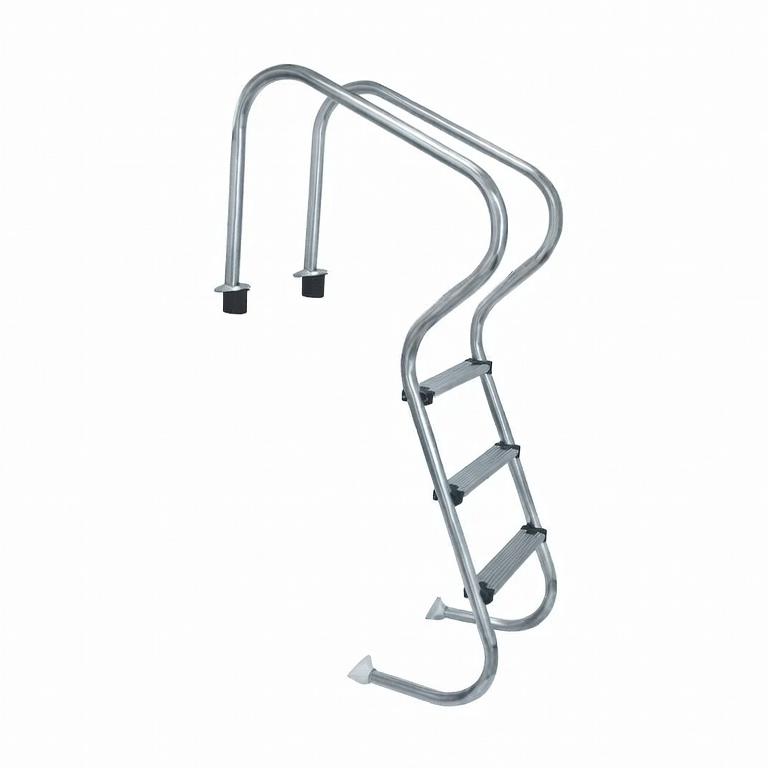
Even well‑maintained stainless steel can develop rust over time, especially if the pool water is not properly balanced or if the surface of the pool ladder has been scratched. Early rust usually appears as small, discolored spots or streaks. Addressing rust quickly will keep your metal pool ladder safe and attractive.
For light surface rust on a stainless pool ladder, start with a baking soda paste. Mix baking soda with a small amount of water until it forms a thick paste. Apply the paste directly to the rusted areas of the pool ladder and let it sit for several minutes. Then gently scrub with a soft brush or non‑abrasive pad. Rinse thoroughly and dry. Often, this is enough to remove early rust and restore the pool ladder surface.
If the rust spots are more stubborn, you can use a specialized stainless steel cleaner or rust remover designed for pool hardware. Follow the product instructions carefully and avoid letting the cleaner dry on the pool ladder. Rinse very well afterwards. Never use chlorine bleach on stainless steel, because it can attack the metal and actually accelerate corrosion.
If rust keeps returning in the same area or if you see deep pitting in the metal of the pool ladder, this can indicate more serious damage. Deep corrosion may weaken the structure of the pool ladder. In such cases, it is safer to replace the ladder or the affected parts rather than relying on repeated cleaning.
The ideal cleaning frequency for a metal pool ladder depends on the climate, the type of pool, and how heavily the pool is used. In a typical residential pool during the swimming season, rinsing and light cleaning should happen regularly, while deeper cleaning can be scheduled less often.
A good routine is to rinse the pool ladder with fresh water every few days or at least once a week. This is especially important in hot climates, saltwater pools, or busy commercial pools. Weekly rinsing helps remove fresh contaminants before they harden into scale or stubborn stains.
At least once a month, give your metal pool ladder a more detailed inspection and cleaning. Remove it from the pool if possible, or at least scrub all accessible surfaces thoroughly. Remove any visible scale or rust and check the mounting hardware. For pools that run year‑round or in particularly aggressive environments, a deeper cleaning every two weeks may be beneficial.
During the off‑season, when the pool is closed or used less often, you should still check the pool ladder periodically. If the ladder is removed and stored, clean and dry it completely before storage. Keep the pool ladder in a dry, sheltered place to avoid unnecessary exposure to moisture and chemicals.
Water balance plays a crucial role in the life of a metal pool ladder. Even if you clean the ladder regularly, poor water chemistry can quickly undo your hard work. Four key parameters to watch are pH, total alkalinity, calcium hardness, and sanitizer level.
If the pH is too low (acidic), the water can become corrosive and slowly attack the metal surface of the pool ladder, especially at welds and joints. If the pH is too high (basic), you are more likely to experience scale formation on the pool ladder and other pool surfaces. Keeping the pH in the recommended range helps minimize both corrosion and scale.
Total alkalinity acts as a buffer for pH. When alkalinity is very low, the pH may fluctuate rapidly, increasing the risk of both corrosion and staining on the pool ladder. When alkalinity is too high, it can encourage cloudy water and scale buildup. Maintaining the proper alkalinity range stabilizes the environment around your pool ladder.
Calcium hardness levels also matter. Low calcium hardness can make water more aggressive toward metals, while high hardness promotes scale on the pool ladder and other equipment. In addition, high chlorine levels, especially when combined with high temperature and low pH, can stress stainless steel and accelerate corrosion. Regular testing and adjustment of water chemistry protects the metal pool ladder as well as the pool finish and circulation system.
Beyond basic cleaning and chemistry control, there are several additional habits that can extend the life of a metal pool ladder. These simple steps often cost very little but deliver excellent results over time.
Whenever possible, wipe down the pool ladder rails and upper steps with a soft cloth after heavy pool use. This habit removes sunscreen, lotions, and body oils that would otherwise dry on the surface. In saltwater pools or coastal areas, consider quickly rinsing the exposed parts of the pool ladder with fresh water at the end of the day.
Avoid hanging heavy objects from the pool ladder. Items such as large floats, heavy cleaning poles, or storage bags can put extra stress on the rails and mounting hardware. Over time, this pressure can bend the pool ladder, loosen anchors, or damage welds.
Choose a pool ladder made from high‑quality stainless steel or from metal with a durable protective coating. When you purchase ladders or railings, look for materials rated for pool use and corrosion resistance. For saltwater systems, consider accessories such as sacrificial anodes, which can help protect metal parts, including the pool ladder, by attracting corrosion away from the main components.
If you notice that the pool ladder has become loose or unstable, do not ignore it. Tighten fasteners or replace worn anchor sockets. If that does not solve the problem or if the ladder shows visible structural damage, plan for prompt replacement. A strong, well‑designed metal pool ladder is essential for safe pool operation.
A metal pool ladder plays a critical role in pool safety, comfort, and overall appearance. By adopting a regular care routine that includes rinsing, gentle scrubbing, thorough drying, and occasional protective treatments, you can keep a stainless steel or coated pool ladder in excellent condition for many years. Removing the pool ladder from the pool for a deep clean allows you to reach hidden areas, remove stubborn deposits, and inspect for early signs of damage.
Long‑term success also depends on properly balanced pool water and good habits. Maintaining correct pH, alkalinity, calcium hardness, and sanitizer levels reduces scale and corrosion on the pool ladder. Avoiding harsh cleaners, protecting the ladder in saltwater systems, and replacing badly corroded or unstable ladders ensures that swimmers always have safe, reliable access. With consistent attention to both cleaning and water chemistry, any metal pool ladder can remain strong, shiny, and inviting season after season.
Contact us to get more information!
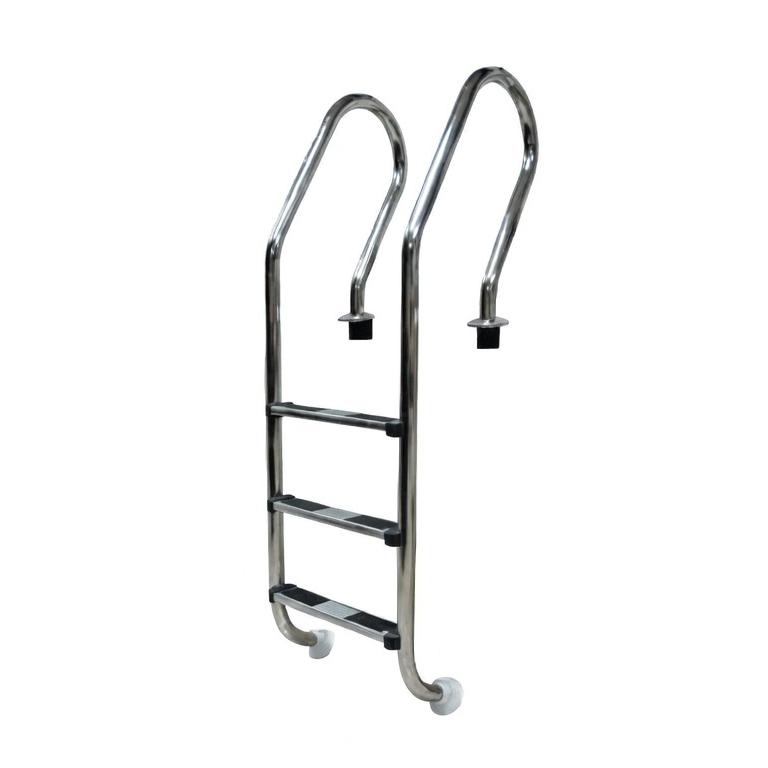
During the swimming season, a metal pool ladder should be rinsed with fresh water at least once a week and given a thorough cleaning every month. In busy commercial pools, saltwater pools, or harsh climates, more frequent attention may be necessary. Regular cleaning prevents buildup and makes each maintenance session faster and easier.
Bleach is not recommended for use on a stainless steel pool ladder. Bleach can damage the protective surface layer of stainless steel and increase the risk of rust and pitting. Instead, use mild dish soap, diluted vinegar, baking soda paste, or stainless‑safe cleaners designed for pool hardware. These products clean effectively without attacking the metal.
The best approach for calcium scale on a metal pool ladder is to start with a gentle solution like diluted white vinegar. Apply it to the scaled areas, let it sit briefly, and then scrub with a soft pad. For heavy deposits, a pool‑specific scale remover may be necessary. Always rinse thoroughly after treatment and adjust water chemistry to reduce future scale.
A rusty pool ladder should be replaced if rust returns quickly after cleaning, if you see deep pitting in the metal, or if any welds or joints look weakened. Structural corrosion can compromise the strength of the pool ladder and create sharp edges or sudden failure points. When in doubt, replacement is safer than repeated attempts to save a heavily corroded ladder.
In a saltwater pool, protecting a metal pool ladder requires careful water balance and regular rinsing with fresh water. Applying stainless‑safe protective wax or polish adds a useful barrier against corrosion. Using sacrificial anodes designed for pool systems can also help protect metal components, including the pool ladder, by attracting corrosive action away from the ladder itself.
1. https://www.srsmith.com/en-us/blog/archive/how-to-clean-your-pool-ladders-rails/
2. https://www.poolkingfilter.com/news/How-To-Maintain-Stainless-Steel-Pool-Ladder.html
3. https://www.mavaquadoc.com/blogs/pool-maintenance-blog/what-is-the-best-way-to-clean-pool-ladders
4. https://www.facebook.com/groups/526224829210009/posts/1312816453884172/
5. https://www.reddit.com/r/pools/comments/1ocfyas/stainless_steel_ladder_minor_pitting_after/
6. https://www.reddit.com/r/pools/comments/1fmwm9l/how_to_repair_a_rusted_intex_pool_ladder/
7. https://www.youtube.com/watch?v=Np3tLAmlKw0
8. https://bobistheoilguy.com/forums/threads/rust-on-stainless-steel-pool-rail-and-ladder.252854/
9. https://www.youtube.com/watch?v=W3HkAdWW7Oc
10. https://www.reddit.com/r/pools/comments/my63p9/cleaned_stainless_steel_handrails_like_new/


