


Content Menu
● Understanding Your Pool Filter
● Safety Checks Before Turning On
● How to Turn On a Pool Filter (General Steps)
● Turning On a Cartridge Filter
● How Long to Run the Filter After Turning On
● FAQs About Turning On a Pool Filter
>> 1. How do I turn on my pool filter for the first time?
>> 2. Why is my pump running but not pumping water?
>> 3. What should the pressure gauge read when the filter is on?
>> 4. Do I need to backwash before turning on a sand or DE filter for the season?
>> 5. How long should I run my pool filter each day after I turn it on?
>> 6. Can I move the multiport valve while the pump is on?
How to turn on a pool filter safely depends mainly on your filter type (sand, cartridge, or DE) and on whether the system is being started for the first time, after maintenance, or after winter.[1][2]
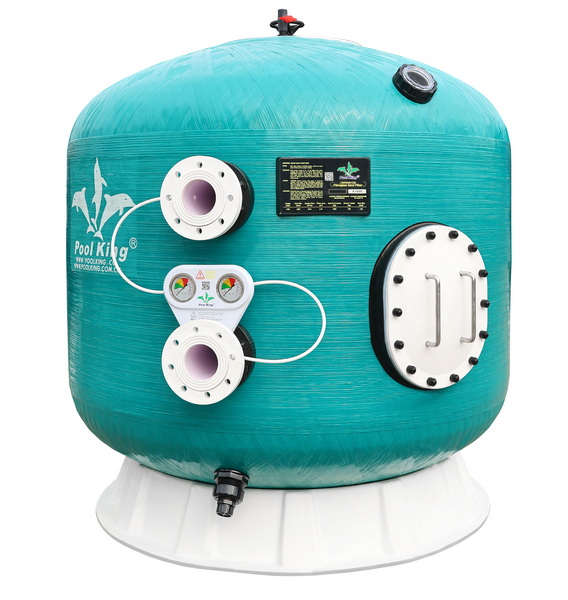
Pool filters are designed to remove dirt, debris, and fine particles from the water as the pump circulates it through the system.[2]
The three most common pool filter types are:[3][1]
- Sand filters
- Cartridge filters
- DE (diatomaceous earth) filters
Each type has a different internal media but the basic start‑up workflow is similar: check water level, prime the pump, set the valve correctly, and then power the system on.[4][1][2]
Always complete basic safety checks before switching on the pool filter to protect people and equipment.[5][6]
Key checks:[6][7][5]
- Water level: Pool water should cover the skimmer openings and return ports before running the pump.
- Power off: Make sure breakers and timer are off before touching valves or opening the pump lid.
- Hardware inspection: Check unions, hose clamps, O‑rings, lids, and valves for cracks or leaks.
- Remove winterizing plugs: Take out all return and skimmer plugs if the pool was winterized.
For systems just opened after winter, reconnect all pipes, remove covers and gizmos, and ensure the circulation loop is complete before turning anything on.[8][6]
These general steps apply to most in‑ground and above‑ground pools, regardless of filter type.[5][6]
1. Fill the pool to the correct level
- Ensure water covers at least halfway up the skimmer opening so the pump will not draw air.[6][5]
2. Set valves to open positions
- Open skimmer valves, main drain, and return valves so water can circulate freely through the system.[8][6]
3. Prepare the pump basket
- Turn off power at the breaker.
- Open the pump lid and remove leaves or debris from the strainer basket.[9][8]
- Inspect and lubricate the lid O‑ring if needed, then reseal the lid securely.[8]
4. Prime the pump with water
- Remove the pump lid again and fill the pump pot with clean water using a hose for 1–2 minutes.[9][4]
- Replace the lid firmly to ensure an airtight seal.[4][9]
5. Set the filter valve correctly
- On multiport valves, set the handle to “Filter” (for normal filtration) before starting the system.[10][11]
- Only move the valve handle when the pump is completely off.[12]
6. Release trapped air
- Open the air relief valve on top of the filter (if present) so air can escape when the pump starts.[6][8]
7. Turn on power and start the pump
- Turn on the breaker or timer and start the pump.[5][6]
- Watch through the pump lid: water should begin circulating steadily within a minute.[9][8]
8. Close the air relief valve
- When water starts coming out of the air relief valve without spurting air, close it.[6]
9. Check pressure and leaks
- Verify that the pressure gauge is in the normal operating range for your system (often 6–20 psi depending on the setup).[10]
- Inspect all unions, hoses, and fittings for drips or sprays and tighten as needed.[8]
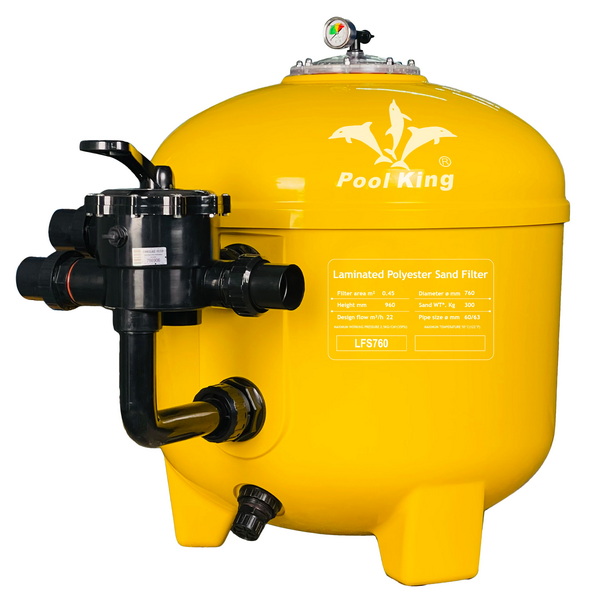
Sand filters use a tank filled with special silica sand to trap particles as water flows through.[13][14][2]
Typical start‑up sequence for a sand filter:[11][12][10]
- Make sure the tank is filled with the correct grade and amount of filter sand.
- With the pump off, set the multiport valve to “Backwash” for a new or freshly opened filter.
- Turn on the pump and backwash until water in the sight glass runs clear, then shut the pump off.[11][10]
- Set the valve to “Rinse,” run 30–60 seconds, then turn the pump off again.[11]
- Finally, set the valve to “Filter,” open the air relief, and turn the pump on to start normal filtration.[10][11][6]
Sand filters are popular because they are durable, easy to operate, and handle large water volumes with modest maintenance.[1][2][13]
Cartridge filters use pleated cartridges inside a housing; water passes through the pleats and exits clean.[2][1]
To start a cartridge filter:[1][2][8]
- Confirm at least one clean cartridge is correctly seated inside the filter housing and the lid is clamped securely.
- Open the air relief valve on top of the housing.[8]
- Prime the pump as described earlier and set any valves to “Filter” or normal circulation.[4][9]
- Start the pump and wait until water flows steadily and air is purged, then close the air relief valve.[4][8]
Cartridge filters often provide a good balance between clarity and maintenance: they do not require backwashing but must be removed and washed when pressure rises about 8–10 psi above clean‑start pressure.[2][1]
DE filters use grids coated with diatomaceous earth powder to capture very fine particles.[3][1][2]
Basic start‑up for a DE filter:[2][6][8]
- Ensure all grids or fingers are clean, assembled correctly, and the tank is closed and clamped properly.
- Prime the pump and set the multiport or slide valve to “Filter.”[9][4]
- Turn on the pump and bleed air from the air relief valve until water flows consistently, then close the valve.[6]
- Add the correct amount of DE powder slowly through the skimmer with the pump running so it coats the internal grids.[2]
Because DE filters capture particles as small as about 3 microns, they deliver very clear water but require careful handling and periodic backwashing with DE recharge.[3][1][2]
Once the system is running correctly, runtime determines how clear and hygienic the pool remains.[5][6]
General recommendations:[5][6][8]
- New season opening or very dirty water: run 24 hours continuously until clarity improves.
- Normal season: aim to circulate the full pool volume at least once per day, often 8–12 hours depending on pump size and pool volume.
After heavy bather loads, storms, or shock treatments, extend runtime to help remove debris and dead contaminants more quickly.[6][8]
Avoiding a few frequent errors greatly extends the life of the pump, filter, and plumbing.[7][12]
Frequent mistakes:[12][7][9]
- Running the pump dry because the pool level is too low or the pump is not primed.
- Rotating a multiport valve while the pump is running, which can damage internal parts.
- Forgetting to remove winter plugs before starting the system.
- Ignoring a high pressure reading, which usually indicates a dirty filter or a blockage.
- Leaving obvious air leaks at the pump lid or unions, which reduce efficiency and can lead to cavitation.
Turning on a pool filter correctly is not only about flipping a switch; it is a process of checking water level, priming the pump, setting valves, and monitoring pressure and leaks.[9][5][6]
By following the proper steps for sand, cartridge, or DE filters, pool owners protect their equipment, improve water clarity, and reduce long‑term maintenance costs.[1][3][2]
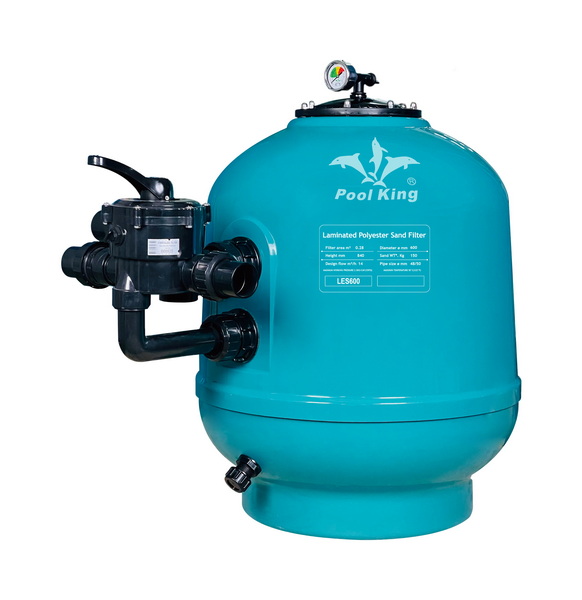
Turn off all power, fill the pool to the proper level, prime the pump with water, set the valve to “Filter,” open the air relief, and then start the pump while watching for steady water flow and normal pressure.[11][4][9][6]
Most often the pump is not fully primed, there is an air leak at the lid or fittings, the valves are closed, or the water level is too low, allowing air into the skimmer.[18][4][9]
Every system has its own “clean start” pressure, often somewhere around 6–20 psi; note this value and clean or backwash the filter when pressure rises about 8–10 psi above it.[10][1][2]
Yes, it is good practice to backwash and then rinse a sand or DE filter when opening the pool or after heavy contamination, before returning the valve to “Filter” for normal operation.[10][11][2][8]
Run long enough to turn over the full pool volume at least once per day, which commonly means 8–12 hours for many residential pools, and longer right after opening or shocking.[5][8][6]
No, always shut the pump off before changing multiport valve positions to avoid damaging the valve gasket and internal parts.[12]
[1](https://www.allfilters.com/blog/pool-filter-types-compared-sand-de-cartridge)
[2](https://www.poolsupplies.com/blog/post/demystifying-pool-filters-sand-vs-cartridge-vs-de)
[3](https://pinnaclepoolservice.com/what-are-the-different-types-of-pool-filters/)
[4](https://www.swimuniversity.com/prime-pool-pump/)
[5](https://poolbrokersusa.com/tips-for-reopening-your-pool-after-winter/)
[6](https://www.pentairpooleurope.com/blog/virtuous-pool/how-to-restart-swimming-pool-after-winter)
[7](https://intheswim.com/blog/19-common-pool-opening-mistakes.html)
[8](https://hbpools.com/blogs/expert-pool-tips-tricks/how-to-successfully-re-open-your-pool-after-winter)
[9](https://www.wikihow.com/Prime-a-Pool-Pump)
[10](https://www.thepoolfactory.com/blogs/pool-care/operating-your-sand-filter)
[11](https://bestwayusa.com/blog/how-do-i-use-a-sand-filter-pump.html)
[12](https://www.youtube.com/watch?v=TqSPuekohqQ)
[13](https://intheswim.com/blog/best-pool-filter-type-de-sand-or-cartridge.html)
[14](https://pinchapenny.com/pool-life/swimming-pool-filter-buyers-guide)
[15](https://www.youtube.com/watch?v=djYgvQtgoB8)
[16](https://www.youtube.com/watch?v=VmXdio44FTY)
[17](https://www.youtube.com/watch?v=SPOzgmXgTlk)
[18](https://www.reddit.com/r/pools/comments/1d1exe0/help_request_how_to_turn_on_this_pool_pump/)
[19](https://www.facebook.com/groups/637529959937311/posts/2588371781519776/)
[20](https://www.facebook.com/groups/637529959937311/posts/2629744927382461/)


