


Content Menu
● Step 1: Visual and Mechanical Checks
● Step 2: Basic Power and Voltage Testing
● Step 3: Continuity and Winding Resistance Test
● Step 4: Testing the Motor Capacitor
● Step 5: Amp Draw Test Under Load
● Step 6: Common Symptoms and What the Tests Tell You
● When to Repair and When to Replace
>> 1. Why does my pool pump motor just hum and not start?
>> 2. Can I test a pool pump motor without water connected?
>> 3. How often should I test or inspect my pool pump motor?
>> 4. Is it safe to replace a pool pump capacitor myself?
>> 5. What are signs that my pool pump motor is about to fail?
>> 6. Does low voltage damage a pool pump motor?
Testing a pool pump motor safely and correctly helps you decide whether you only need a small repair (like a capacitor) or a full motor replacement. This guide walks through visual checks, electrical tests with a multimeter, and practical “real world” tests like amp draw so pool owners and service techs can diagnose issues with confidence.[1][2][3][4]
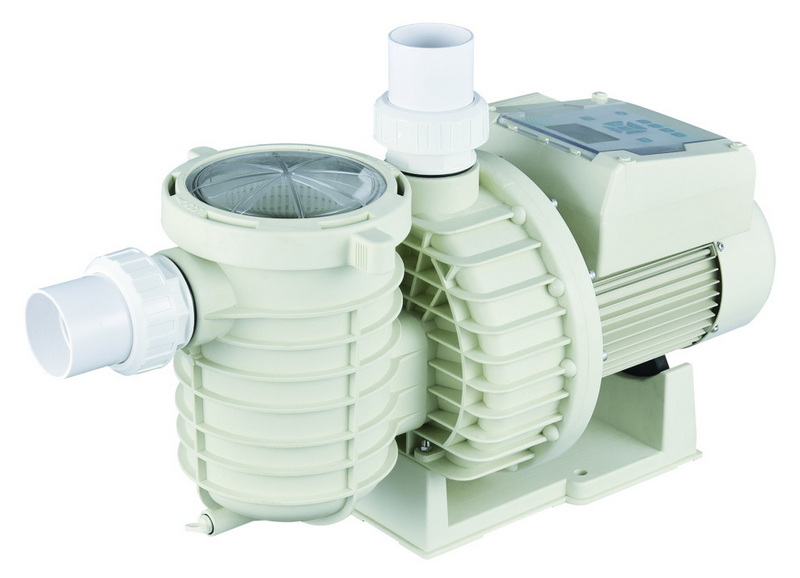
Always treat a pool pump motor as live equipment until you personally verify the power is OFF at the breaker and any timer or automation panel. Pool equipment is often in damp areas, so proper bonding and a working GFCI are essential to reduce shock risk while testing.[5][6][7]
Key safety steps:
- Turn OFF the breaker and lock or tag it if possible.[8][7]
- Confirm zero voltage at the motor terminals with a multimeter before touching any wiring.[7][8]
- Work with dry hands, non‑conductive tools, and avoid standing in water while testing.[6][5]
To test a pool pump motor effectively, only basic tools are required, but they must be used correctly. Having the right equipment prevents misdiagnosis and improves safety.[2][4][1][7]
Recommended tools:
- Digital multimeter with AC volts, ohms, and preferably capacitance measurement.[9][1][8]
- Clamp meter for measuring running amps on the motor leads.[4]
- Insulated screwdriver for discharging capacitors and opening covers.[10][9]
- Needle‑nose pliers or small flathead screwdriver for removing capacitor wires.[9]
- Flashlight and basic hand tools (wrenches, screwdrivers) for accessing the motor and terminals.[3][1]
Before using any test instruments, a thorough visual and mechanical inspection can reveal common problems such as leaks, overheating, or seized bearings.[11][2]
Check the following:
- Pump housing and pad: Look for cracks, water leaks, rust, burn marks, or melted plastic around the motor or terminal board.[2][11]
- Motor body and smell: A strong burnt odor or discoloration often indicates internal winding or bearing failure.[11][2]
- Motor shaft / impeller rotation: With power OFF, remove the rear cover or pump lid and manually turn the shaft or impeller; if it is jammed or very stiff, the bearings may be seized or debris is blocking the impeller.[3][9]
If the motor is locked up mechanically (shaft will not turn), electrical testing alone will not restore it and the motor usually needs rebuilding or replacement.[2][11]
If the motor does not run, first confirm that it is actually receiving the correct supply voltage. Many “dead” pumps are caused by tripped breakers, bad timers, or incorrect wiring, not the motor itself.[12][13][8]
Steps:
1. Verify breaker and timer
- Ensure the circuit breaker is ON and any timer or controller is set to send power to the pump.[8][12]
- If a GFCI or RCD protects the circuit, press the TEST and RESET buttons to confirm it operates properly.[5][6]
2. Measure voltage at motor terminals
- Switch the multimeter to AC volts and measure across the incoming power leads at the motor terminal block while the pump is commanded ON.[12][8]
- Compare the reading to the motor nameplate (for example, 115 V or 230 V); a significantly low or missing voltage indicates a supply or wiring issue, not necessarily a bad motor.[8][12]
If voltage is absent or far out of range, correct the supply problem before further motor testing.[13][8]
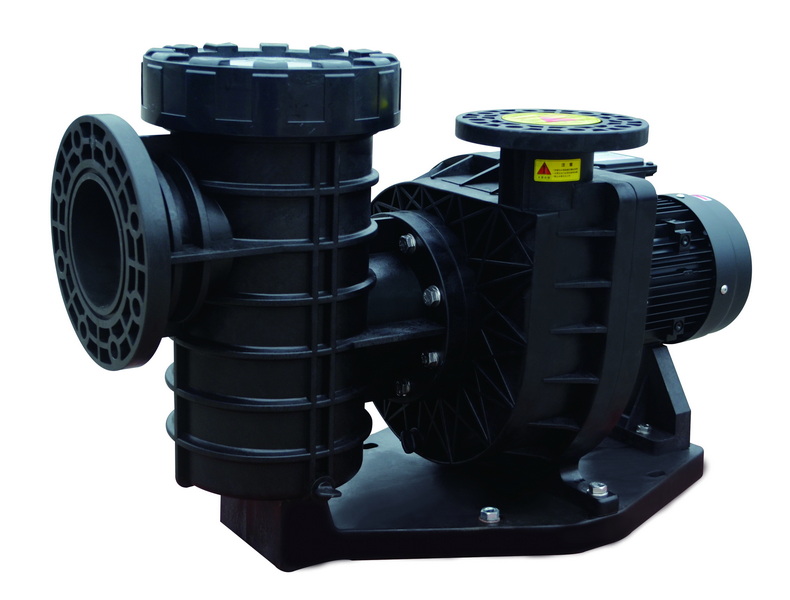
When correct voltage is present but the motor will not run, checking continuity of the windings helps determine if they are open or shorted. Most single‑phase pool motors have multiple windings, including main windings and a start or capacitor winding.[14][1][7]
Procedure:
1. Disconnect power and verify zero volts
- Turn OFF the breaker and confirm no voltage at the motor terminals with the multimeter.[1][7]
2. Expose the terminal board
- Remove the rear cover to access the motor's wiring and internal terminals.[1]
3. Test continuity between leads
- Switch the meter to ohms and measure resistance between the motor leads specified in the wiring diagram (commonly labeled for high/low or start and run windings).[14][1]
- Infinite resistance (OL) on a winding path usually indicates an open winding, while zero ohms or very low resistance between leads and the motor case suggests a short to ground.[7][1]
4. Check to ground
- Measure resistance between each power lead and the motor housing; a reading near zero means a ground fault and the motor is unsafe to operate.[15][7]
If the windings are open or shorted to ground, replacement is typically more cost‑effective than repair for most residential pool motors.[11][2]
A faulty capacitor is one of the most common reasons a pool pump motor hums but does not start. The capacitor provides the extra torque needed to get the motor spinning under load.[16][17][9][1]
1. Locate and discharge the capacitor
- With power OFF and cover removed, locate the start or run capacitor canister mounted on or near the motor.[9][1]
- Use an insulated screwdriver with a plastic or rubber handle to briefly bridge the two terminals and safely discharge stored energy (sparks or a small pop can occur).[10][9]
2. Inspect physically
- Replace the capacitor immediately if it is bulging, cracked, leaking oil, or has burned terminals.[17][9]
3. Test with capacitance or ohms
- If the multimeter has a capacitance function, connect the leads to the capacitor terminals and compare the reading to the microfarad rating on the label; a value significantly below rating indicates failure.[16][9]
- With a basic meter on ohms, the needle or digital reading should quickly rise from low resistance toward infinity as the capacitor charges; no change or a constant short reading indicates a bad unit.[10][9]
Because capacitors store energy and can explode if mishandled, non‑professionals should work slowly and consider having a technician handle replacement.[17][9]
Even if a pump starts and appears to run, measuring the amp draw under operating conditions reveals hidden electrical or mechanical problems. Elevated amperage often indicates overloading, incorrect voltage, or failing bearings.[4][2]
How to test:
1. Check nameplate amps
- Read the rated full‑load amperage (FLA) on the motor nameplate for the correct voltage setting.[4]
2. Measure with clamp meter
- With the pump running and primed, place a clamp meter around one power conductor (not both) and note the amperage reading.[4]
- Compare the measured value to the nameplate range; consistently higher amps suggest mechanical drag, incorrect impeller, low voltage, or internal motor issues.[2][4]
If the motor exceeds its rated amps continuously, it will overheat and fail prematurely, so the root cause must be corrected or the motor replaced.[11][2]
Specific symptoms, combined with test results, point to likely causes.[13][2][11]
Typical patterns:
- Motor hums but will not start
- Often caused by a failed start capacitor, seized shaft, or voltage issues; capacitor tests and mechanical checks confirm this.[18][16][9]
- Pump runs very hot or shuts off
- May indicate over‑amp draw, poor ventilation, or internal winding damage; amp test and visual inspection help identify the problem.[2][11]
- Breaker or GFCI trips
- Can result from shorted windings, ground faults, or wiring problems; continuity to ground and insulation resistance tests are key.[18][7]
- Low flow but motor sounds normal
- Usually a hydraulic issue (clogged basket, dirty filter, air leaks), not an electrical motor fault; however, extended low‑flow operation can still stress the motor.[19][13]
Proper testing helps decide whether a simple part replacement is enough or a new motor is justified.[11][2]
General guidelines:
- Repair is often reasonable when
- Voltage supply is correct, windings test good, and only the capacitor or external wiring is faulty.[16][1][9]
- The motor is relatively new and mechanical components (shaft and bearings) still turn smoothly.[3][2]
- Replacement is usually better when
- Windings are open, shorted, or the motor has serious ground faults.[7][1]
- Bearings are seized, housing is badly corroded, or the motor is near or beyond 10 years old.[2][11]
In many cases, upgrading to a newer, efficient motor and matching high‑quality pump and filtration system can reduce energy use and improve water clarity for years.[13][2]
Testing a pool pump motor correctly starts with safety, then moves through visual checks, voltage verification, continuity testing, capacitor evaluation, and finally amp measurement under load. By following a structured process and using simple tools, pool owners and technicians can confidently identify whether the problem lies in the power supply, the capacitor, the windings, or mechanical parts, and choose between repair or replacement with far less guesswork.[1][8][9][11][4][2]
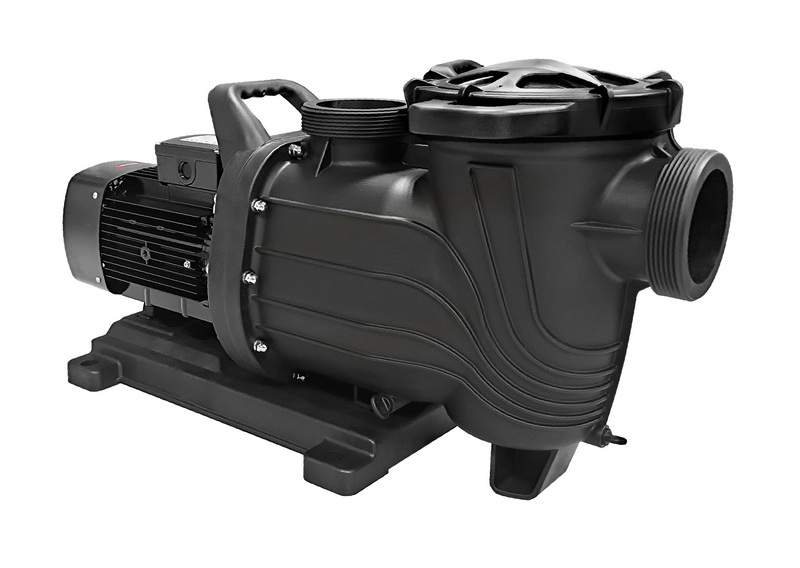
A humming motor that will not spin usually points to a failed start capacitor, a seized shaft, or low supply voltage. Testing the capacitor and checking that the shaft turns freely are the first steps to confirm the cause.[18][9][3][16]
You can briefly run most pool motors without water for electrical testing, but never let them run dry for long, because the pump seal and housing rely on water for cooling. Short test runs of a few seconds with proper priming afterward are typically acceptable for diagnostics.[15][13][11]
A basic inspection once or twice per season—checking for leaks, unusual noise, overheating, and secure wiring—is recommended for residential pools. Full electrical testing is usually only needed when symptoms appear, such as tripping breakers, humming, or poor performance.[6][18][11][2]
Capacitors can store dangerous energy and may spark or pop when discharged, so extra caution is required. If you are not fully confident with electrical work and safety procedures, hiring a qualified pool technician or electrician is strongly recommended.[17][9][10]
Warning signs include grinding or squealing noises, frequent overheating, a strong burnt smell, slow or hard starting, and rising amp draw compared to the nameplate rating. Addressing these symptoms early can sometimes save the motor, but often they indicate that replacement is approaching.[13][11][4][2]
Yes, significant undervoltage causes the motor to draw higher amps to do the same work, which leads to overheating and premature failure. Verifying correct voltage at the motor terminals and using properly sized wiring helps protect the motor and maintain efficiency.[12][8][4]
[1](https://www.inyopools.com/HowToPage/how-to-use-a-multimeter-to-test-a-pool-pump-motor-continuity.aspx?CommentPage=1)
[2](https://cooppools.com/pool-problems/pump-motor/motor-failure)
[3](https://sqone.com/blogs/news/how-to-troubleshoot-a-pool-pump-motor)
[4](https://www.youtube.com/watch?v=vfT1eg9EKHU)
[5](https://www.youtube.com/watch?v=N3ynxJow3Gw)
[6](https://www.aquaticcreationsohio.com/post/avoiding-pool-pump-accidents-common-risks-and-how-to-prevent-them)
[7](https://www.poolspanews.com/how-to/ultimate-tech-manual/electrical-examination_o)
[8](https://www.inyopools.com/HowToPage/how-to-use-a-multimeter-to-test-a-pool-pump-motor.aspx?CommentPage=1)
[9](https://intheswim.com/blog/how-to-test-a-pool-pump-capacitor.html)
[10](https://acim.nidec.com/motors/usmotors/-/media/usmotors/documents/literature/ebooks-and-articles/pool-troubleshooting-ebook-120220.ashx?la=en)
[11](https://superiorpoolservice.com/how-to-diagnose-a-bad-pool-pump/)
[12](https://www.youtube.com/watch?v=wxz9EadJLV8)
[13](https://lesliespool.com/blog/pool-pump-troubleshooting-guide.html)
[14](https://forums.mikeholt.com/threads/resistance-check-on-a-pool-pump-motor.149637/)
[15](https://www.reddit.com/r/pools/comments/m1mr9h/is_there_a_way_to_test_a_pool_pump_without/)
[16](https://www.youtube.com/watch?v=hl9BnW9XwFY)
[17](https://pleasantpools.com/5-most-common-pool-pump-problems-and-solutions/)
[18](https://aquaticpros.org/common-pool-pump-electrical-issues/)
[19](https://lesliespool.com/blog/pool-pump-troubleshooting-guide.html?srsltid=AfmBOorzJTFskTneyUI_qaq0sFDLbsmumt2Oo6E7RnGy9PyDkM4Kw0-p)
[20](https://www.youtube.com/watch?v=RHFSJ4xu-3g)


