


Content Menu
● Basic safety before shutting off
● Identifying your pump power source
● Method 1: Using the pump switch or timer
● Method 2: Shutting off from the automation system
● Method 3: Turning off the circuit breaker (for maintenance)
● When and why to shut off the pump
● Advanced: Dealing with timers, apps, and safety cutoffs
● OEM and professional‑grade solutions (for your branding)
● FAQs about shutting off a pool pump
>> 1. Is it okay to turn my pool pump off every night?
>> 2. Should I shut off the pump at the breaker or just use the switch?
>> 3. My pump keeps shutting itself off. What does that mean?
>> 4. Can a timer or app turn the pump back on after I shut it off?
>> 5. Do I need to shut off the pump in winter?
>> 6. Is unplugging an above‑ground pool pump enough to turn it off?
Turning off a pool pump safely is mainly about cutting the electrical power in the correct place (timer, control panel, or breaker) and making sure the pump is not running when you open valves, clean baskets, or work on the filter. Done properly, this protects both the equipment and the person working on it.[1][2][3]
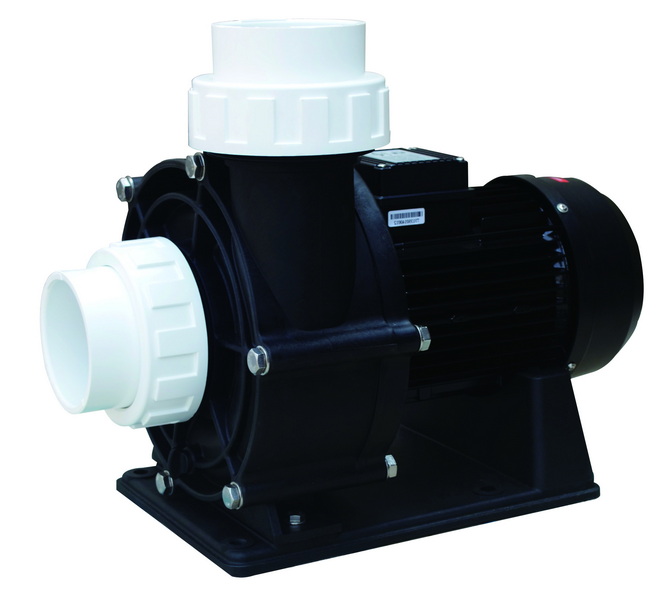
Even though shutting off a pump sounds simple, treating it like an electrical and pressure‑system task keeps users safer. Many modern pumps and systems also have internal thermal or safety cutoffs, but the user should never rely only on those.[4][2][3][5]
- Make sure the area around the equipment pad is dry and free of standing water before touching switches or breakers.[3]
- Never work on a wet motor, frayed cables, or a pump that smells burnt; these are signs to stop and call a professional.[2][4]
- Always assume the pump can start automatically from a timer or automation system until power is fully off.[6][1]
Before shutting off, the user must know exactly where the pump gets power and what controls it. Residential pools usually have one of three: a simple switch, a mechanical/electronic timer, or a smart/automation control plus a breaker.[7][1][6]
- Mechanical or digital timer box: Often mounted on a wall near the equipment, with a flip‑down cover and on/off trippers or programmable schedules inside.[8][6]
- Automation/control panel: Systems like IntelliCenter and similar panels use on‑screen buttons to start and stop the filter pump.[5][1]
- Circuit breaker panel: A labeled breaker (for example “POOL PUMP” or “POOL EQUIP”) in an outdoor or indoor electrical panel ultimately feeds the pump.[6][3]
For many above‑ground and basic in‑ground systems, the pump can be shut off at the local switch or timer, which is convenient for daily use. However, power may still be present at the motor, so this is not the safest method for deeper maintenance.[9][2][3][6]
- Flip the external toggle switch on the pump or timer box to the OFF position, or press the “Off” button on the control keypad.[1][9]
- Watch and listen to confirm the motor stops completely and the water flow in the pump lid and returns slows to zero.[9]
- If the pump is controlled by a timer, check that the schedule will not immediately turn it back on while you are working.[8][6]
On pools with a central automation system, the safest everyday way to shut off the pump is via the branded controller or app. Users must also be aware that schedules and remote commands can restart it unless the circuit is disabled or breaker is off.[7][1][6]
- From the main menu, navigate to the “Filter Pump” or “Pool” circuit and select OFF; display screens often clearly show whether the pump is running or stopped.[5][1]
- Check that the status changes to OFF or shows zero RPM/flow, and visually verify that water flow in the pool returns and the sound of the motor has stopped.[1]
- For service, place the system into “Service” or “Maintenance” mode so remote apps and schedules cannot automatically restart the pump.[6][5]
Any time a homeowner opens the pump lid, removes the motor, or works on wiring, the power should be shut off at the breaker, not just at the timer or switch. This is the most reliable way to ensure the pump cannot start unexpectedly while someone is touching it.[2][3][6]
- Locate the electrical panel that feeds the pool equipment and find the breaker labeled for the pump or pool system.[3][6]
- Firmly flip the breaker to the OFF position, then try the local switch or control panel; the pump should not start if the breaker is truly off.[3][5]
- Use this method before troubleshooting overheating, thermal trips, wiring issues, or noisy motors that might need repair or replacement.[4][2]
Knowing when to shut a pump off is just as important as knowing how, since unnecessary downtime can affect water quality. In normal operation, pumps are turned off daily for part of the 24‑hour cycle, and also for cleaning, repairs, and extreme situations.[10][11][7]
- Normal schedule: Many pools run the pump 6–12 hours per day and turn it off the rest of the time while still maintaining good circulation and clarity.[10][7]
- Maintenance tasks: Shut off before cleaning the pump basket, emptying skimmer baskets, backwashing, opening the filter, or adjusting valves.[2][5]
- Emergencies or faults: If the pump overheats, trips repeatedly, runs dry, or emits burning smells, power should be shut off and the problem investigated.[4][2]
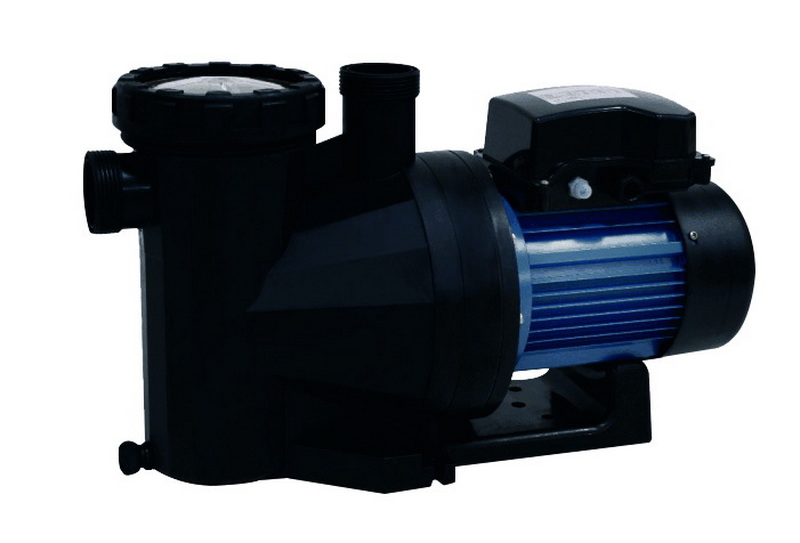
Even experienced owners make simple mistakes when shutting off pumps, which can damage equipment or create safety risks. Avoiding these problems also reduces warranty claims and service calls for OEM brands.[11][4][2]
- Do not rely only on unplugging extension cords for permanently installed pumps; a proper switch and breaker are safer and more compliant.[6][3]
- Do not leave the pump off for long winter periods without adjusting chemistry, covering the pool, or winterizing; stagnation and algae can grow quickly.[11][7]
- Do not open the filter or pump housing while pressure gauges still show pressure or valves are closed in a way that traps water.[5][2]
Modern systems layer multiple controls on top of the pump motor, so an owner may think the pump is off when a schedule or safety function can turn it back on. Clarifying these behaviors in your content helps both DIY users and professional service techs.[4][2][5][6]
- Programmable timers: If the timer is still active, it may start the pump at the next scheduled period even if someone turned it off locally.[8][6]
- Smart plugs and apps: Wi‑Fi devices can respond to remote commands; for physical service, the safest step is still to turn off the upstream breaker.[3][6]
- Thermal overload: Many pumps shut themselves off if overheating is detected; while this protects the motor, users should still disconnect power and correct the root cause.[2][4]
For homeowners and commercial operators, using well‑designed pumps and control systems from experienced manufacturers makes shut‑off procedures clearer and safer. Clear labels, robust enclosures, and well‑written manuals reduce misuse and protect equipment investment.[7][11][4][2]
- Professional‑grade sand, cartridge, and DE systems often pair with dedicated pumps, LED indicators, and control panels that clearly show when the motor is energized.[5][2]
- OEM pump and filter packages can be delivered with integrated timers, smart controls, and weather‑resistant covers that simplify daily on/off routines for end users.[7][6]
- For brand owners and wholesalers, it is good practice to add custom decals or QR codes linking to short shut‑off tutorial videos in your own packaging.[12][1]
Shutting off a pool pump correctly is not just flipping a random switch; it is understanding whether the pump is controlled by a simple switch, a timer, an automation panel, or a breaker and then using the appropriate shut‑off point for the situation. For routine operation, a timer or control panel is usually enough, but for any repair, cleaning, or electrical inspection, the circuit breaker should always be off so the motor cannot start unexpectedly.[1][2][3][5]
By educating pool owners on safe shut‑down methods and pairing that information with reliable OEM pumps and filtration systems, brands can reduce equipment failures, improve safety, and build long‑term trust with customers.[4][7]
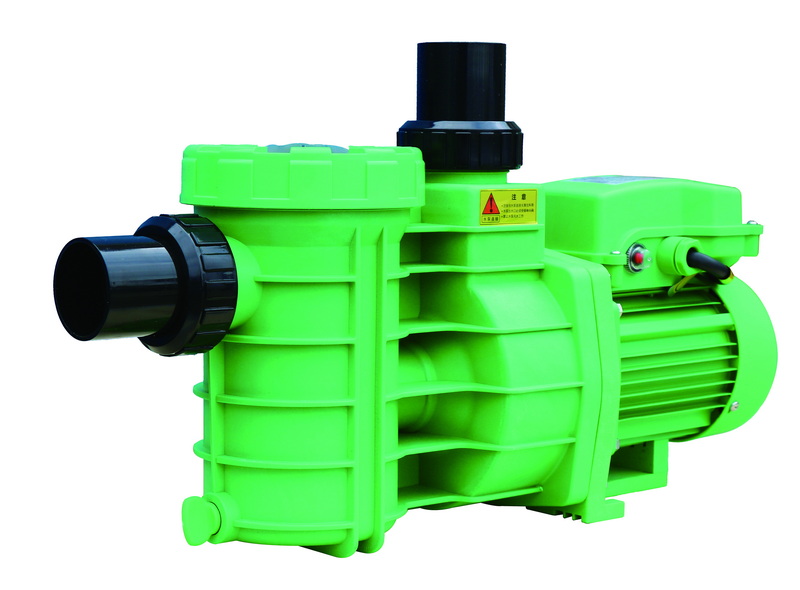
Yes, most residential pools are designed to run the pump only part of each day, as long as the water volume is turned over at least once in 24 hours. Many owners run 6–12 hours total per day and shut the pump off for the remaining time without issues if chemistry and filtration are adequate.[10][11][7]
For normal daily control, the built‑in switch, timer, or automation panel is usually sufficient. For any serious maintenance—opening the pump, working on wiring, or troubleshooting overheating—the breaker should be shut off so there is no chance the pump starts while someone is touching it.[1][6][2][3]
Self‑shutting often indicates overheating, a tripped thermal overload, a clogged impeller, low water flow, or an electrical problem such as low voltage or a weak capacitor. Power should be shut off, baskets and impeller inspected, ventilation around the motor checked, and a professional called if the problem repeats.[2][5][4]
Yes, if the timer schedule is still active or the automation system is in automatic mode, it can restart the pump at the next programmed time even if someone turned it off manually. When performing maintenance, place the system in service mode and turn off the breaker to prevent automatic restarts.[8][6][3][5]
The answer depends on climate. In many regions, owners do not shut the pump off for the entire winter but instead reduce daily run time to maintain circulation and chemistry. In freezing climates, winterizing usually includes shutting off power, draining the pump and filter, and protecting the system from freeze damage under professional guidance.[13][11][7]
Unplugging does stop the motor, but for permanent installations, a properly wired switch and breaker are safer and more code‑compliant than extension cords. If the pump is hard‑wired, power should always be controlled at the switch or breaker rather than by disconnecting wires or makeshift plugs.[9][6][3][2]
[1](https://www.youtube.com/watch%3Fv=45BZIA96LR4)
[2](https://www.poolkingfilter.com/why-does-my-pool-pump-keep-shutting-off.html)
[3](https://www.youtube.com/watch%3Fv=-a1q8MwLNbE)
[4](https://www.shenton.com.au/overheating-pool-pump-what-to-knowb16d4ab7)
[5](https://www.inyopools.com/HowToPage/how-to-troubleshoot-a-pool-pump-motor-motor-shuts-down.aspx?CommentPage=1)
[6](https://community.smartthings.com/t/simple-way-to-turn-pool-pump-on-off-using-st/50058)
[7](https://www.1stdirectpools.com/blog/post/when-run-pool-pump-ultimate-guide)
[8](https://www.youtube.com/watch?v=bzAPqkJfysg)
[9](https://www.youtube.com/watch%3Fv=20RLr0afvSc)
[10](https://www.reddit.com/r/pools/comments/15qxqph/turn_pump_off_daily/)
[11](https://www.poolassist.com.au/blogs/expert-pool-advice/pool-pumps-in-winter-can-i-turn-mine-off)
[12](https://www.facebook.com/PoolStop/videos/%25EF%25B8%258F-harvey-how-to-shutting-down-your-pool-pump-system-%25EF%25B8%258Four-first-cold-front-of-the/2053260762100910/)
[13](https://www.pooltime.co.uk/blogs/nachrichten/wie-schalte-ich-die-pool-warmepumpe-fuer-den-winter-aus)
[14](https://www.facebook.com/groups/637529959937311/posts/2232481283775496/)
[15](https://www.facebook.com/groups/637529959937311/posts/2561878620835759/)


