


Content Menu
● Understanding Your Filter Type
● Tools, Safety, and Site Preparation
● Planning the Equipment Layout
● How to Set Up a Sand Pool Filter
>> Positioning and Assembly (Sand Filter)
>> Adding Sand and Mounting the Valve
>> Initial Backwash, Rinse, and Filter Mode
>> Fine‑Tuning Sand Filter Performance
● How to Set Up a Cartridge Pool Filter
>> Mounting and Plumbing the Cartridge Filter
>> Installing the Cartridge and Starting the System
>> Optimizing Cartridge Filter Operation
● How to Set Up a DE Pool Filter
>> Installing and Plumbing the DE Filter
>> Precoating and Start‑Up for DE Filters
>> Routine Operation and Backwashing for DE
● Priming, Testing, and Fine‑Tuning Run Time
● Working With OEM Sand, Cartridge, and DE Filters
>> 1. How long should I run my pool filter each day?
>> 2. What pressure should my filter run at after setup?
>> 3. Can I use alternative media instead of standard filter sand?
>> 4. How soon after setting up the filter can I swim?
>> 5. Do I need a professional to install my pool filter?
Setting up a pool filter is mainly about safe plumbing, correct priming, and choosing the right settings for your sand, cartridge, or DE system. With a clear step‑by‑step process, even first‑time owners can get crystal‑clear water from day one.
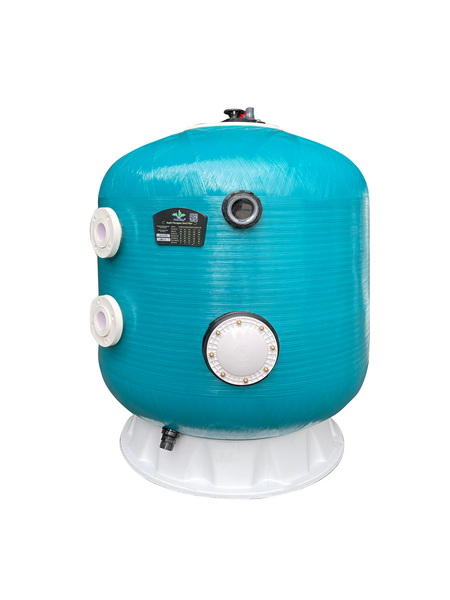
Before starting, identify which pool filter you are setting up, because installation details and valve settings differ by design. The three main residential types are sand filters, cartridge filters, and DE (diatomaceous earth) filters, and each has its own media and start‑up procedure.
- Sand filters use #20 silica sand or similar media and typically work with a multiport valve that has Filter, Backwash, Rinse, Waste, Recirculate, and Closed positions.
- Cartridge filters use replaceable cartridges inside a vertical tank and usually have simple in/out plumbing without a multiport valve.
- DE filters coat internal grids or fingers with DE powder that is mixed into the water through the skimmer to form a fine filtration layer.
Proper preparation keeps the installation safe and helps prevent leaks or early equipment failure. Always follow the manufacturer's manual and local codes, especially for electrical connections, bonding, and equipment clearances.
- Common tools: PVC cutter or saw, PVC primer and cement, Teflon tape for threaded fittings, adjustable wrenches, screwdrivers, tape measure, and a level for the equipment pad.
- Safety steps: shut off power at the breaker, lock it out if possible, and ensure the equipment pad is stable, level, and well‑drained with room around the filter for service access.
- Plumbing basics: verify flow direction from pump to filter to pool, and dry‑fit PVC parts before gluing to check alignment and union connections.
A thoughtful equipment layout makes future maintenance faster and lowers the chance of vibration or stress on pipes. It also gives a more professional appearance, which is important for builders, brands, and wholesalers.
- Place the pump as close as reasonably possible to the pool suction lines and slightly below water level when possible to help priming.
- Position the filter immediately after the pump outlet so that all water is filtered before reaching heaters, chlorinators, or heat pumps.
- Leave clear walk‑around space and vertical clearance above the filter lid or multiport valve clamp so technicians can open and service the tank.
Setting up a sand filter involves assembling the tank and multiport, adding the correct sand, plumbing the system, and then backwashing and rinsing before normal filtering.
Place the sand filter tank on its base so that the multiport valve ports face the pump and return plumbing for neat hose or pipe runs. Install the internal standpipe and laterals according to the manual, making sure all laterals are fully locked in the down position.
- Fill the tank halfway with water to cushion the laterals before adding sand and reduce impact from falling media.
- Cover the top of the standpipe opening with a cup, tape, or plastic bag so sand cannot fall inside and block the pipe.
Use only the manufacturer‑specified grade and quantity of filter sand or approved alternative media, and pour slowly around the standpipe until the indicated sand level is reached. Once filled, install the multiport valve or top cover with the supplied gasket and clamp, tightening evenly for a uniform seal.
- Connect the pump outlet to the multiport's “Pump” or “Inlet” port, and connect the “Return” port to the pool's return line.
- Attach the “Waste” port to a backwash hose or dedicated drain connection, secured with clamps.
- Make sure all unions and hose clamps are oriented where they can be reached easily for future service.
Before filtering, run a start‑up cycle to flush out fine sand and settle the bed. This prevents cloudy water during the first hours of operation and helps establish a good baseline pressure.
- Fill the pump strainer with water, close the lid, and open all valves to the pool.
- Set the multiport to Backwash, switch on the pump, and run for 3–5 minutes until the water from the waste line is clear.
- Turn off the pump, set to Rinse, and run for about 30–60 seconds, then turn off again.
- Set the valve to Filter, turn on the pump, note the clean starting pressure, and check for leaks around the tank, clamp, and fittings.
After the initial setup, a sand filter will perform best when flow rates and backwash frequency are optimized. Too much flow can cause channeling in the sand bed, while too little flow reduces circulation.
- Use a correctly sized pump and avoid running a variable‑speed pump at extreme high speeds for long periods.
- Backwash only when pressure has risen about 7–10 psi above the clean starting point, not on an arbitrary schedule.
- Consider adding a small amount of filter aid if recommended, especially for fine debris in high‑load pools.
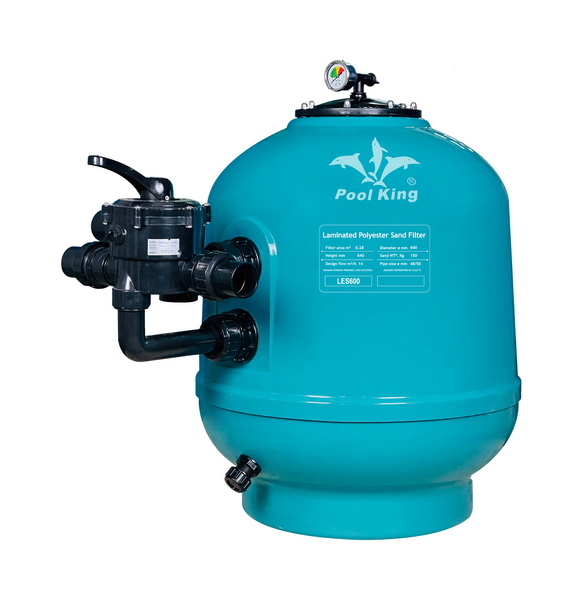
A cartridge filter installation focuses on correct plumbing, solid support, and proper orientation of the inlet and outlet ports. Compared to sand filters, these systems often have fewer valves but require good pipe alignment and unions for easy future maintenance.
Place the cartridge filter housing on the equipment pad with enough space to open the lid and remove the cartridge vertically. Identify the ports marked “Inlet” (from pump) and “Outlet” (to pool) and orient the body so piping can run as straight as possible.
- Rough‑cut PVC pipes and dry‑fit fittings from the pump outlet to the filter inlet, and from the filter outlet to the return line, testing alignment before gluing.
- Use Teflon tape for threaded adapters and PVC primer and cement for slip connections, allowing the glue to cure fully per product instructions before pressurizing.
- Install unions on both the inlet and outlet to make it simple to remove the filter for major service or relocation.
Open the filter lid, insert the clean cartridge element, and ensure it seats properly in the top and bottom manifolds. Lubricate the lid O‑ring with appropriate silicone‑based lubricant if recommended, then close and secure the lid clamp evenly.
- Prime the pump by filling the strainer basket with water, then close the lid and open any air‑relief valve on top of the filter.
- Turn on the pump and allow trapped air to bleed until a steady stream of water appears at the air‑relief; then close the relief and check the pressure gauge for a stable reading.
- Walk around the equipment pad to inspect for small weeps at unions or lid clamps, tightening if required.
Cartridge filters are known for low resistance and fine filtration when properly maintained. Good setup continues with a sensible cleaning and pressure‑monitoring routine.
- Mark the clean pressure on the gauge with a pen or small piece of tape to create a visible baseline.
- When pressure rises 8–10 psi above clean, shut down the system, release pressure, and clean or replace the cartridge.
- Avoid excessive use of high‑pressure washers on cartridges, as this can damage the pleats and shorten life.
DE filters require mechanical installation plus a precoating step, where DE powder is added through the skimmer to form a thin media layer on the internal grids. These filters offer very fine filtration but must be handled carefully because DE dust is a respiratory irritant.
Set the DE filter tank on the equipment pad and, if replacing an older filter, cut out the old tank and dry‑fit the new plumbing arrangement. Verify the flow path from pump to DE filter inlet, then from outlet back to the pool or to a multiport valve if fitted.
- Use suitable threaded‑to‑slip adapters, elbows, and couplings to work around existing pipes, valves, and heaters where necessary.
- Glue and cure PVC connections, then open the tank, confirm the internal grid or finger assembly is correctly seated, and close the tank with its clamp or closure ring.
- Check that the air‑relief valve operates smoothly and that the gauge is installed upright and visible.
Once water is flowing through the DE filter, a DE slurry is added so the grids are coated and ready to capture fine debris. Without this precoating step, the filter cannot operate as designed and may be damaged.
- Prime the pump and start circulation, then open the filter's air‑relief valve until water flows steadily and air is expelled.
- Wearing a mask, slowly add the manufacturer‑recommended weight of DE powder to a bucket of water, stir, and pour the slurry into the skimmer while the pump is running.
- Watch the pressure gauge and flow; once precoated, the system should run at a normal baseline pressure, which you can record for future reference.
Day‑to‑day use of a DE filter is similar to operating a sand filter, but the media layer must be replaced after each backwash. A balanced routine prevents over‑coating and maintains high‑quality filtration.
- Backwash when pressure rises 7–10 psi above the clean reading, then add fresh DE slurry through the skimmer.
- Do a full tear‑down cleaning of the grids or fingers according to the manual, typically once or twice per season.
- Inspect grids for tears and manifold for cracks during deep cleaning, replacing worn parts as needed.
Correct priming and pressure testing are essential for any new filter installation. After the first start‑up, you will also need to adjust the daily run time and valve positions based on pool size, bather load, and climate.
- Priming: fill the pool until the water level is around three‑quarters of the way up the skimmer opening, fill the pump strainer with water, and start the pump with suction and return valves fully open.
- Testing: stand clear of clamps and lids while the system pressurizes, watch the pressure gauge, and inspect all unions, valves, and hoses for drips or sprays.
- Run time: begin with 8–12 hours per day for typical residential pools and adjust based on water clarity, pressure rise rate, and energy considerations, using lower speeds on variable‑speed pumps when possible.
Avoiding a few frequent setup errors can dramatically improve performance and reduce callbacks for installers and service companies. Many issues come from incorrect media, mis‑plumbed valves, or missing safety steps during the first start‑up.
- Never run a sand or DE filter without proper media, and do not use non‑approved alternatives that can damage laterals or grids.
- Do not change multiport positions while the pump is running; always shut off the pump first to protect valve seals and internal parts.
- Avoid undersized plumbing or sharp turns immediately at the pump outlet or filter inlet, as this increases resistance and reduces overall system efficiency.
- Do not ignore small leaks at startup; minor drips at unions or clamps often become bigger problems under continuous pressure.
For new builds and upgrades, partnering with a reliable OEM filter manufacturer ensures consistent quality and easier installation. High‑end sand, cartridge, and DE filters produced on smart machinery often include clear labeling, sturdy bases, and well‑designed valve and port layouts that simplify setup.
- OEM systems can be supplied as matched sets including pumps, LED pool lights, and essential accessories, so plumbing and electrical layouts are optimized from the factory.
- For brands, wholesalers, and pool builders, OEM collaboration allows private‑label filters customized with logos, packaging, and manuals tailored to local markets.
- A strong OEM partner also provides technical support, installation documentation, and performance data, helping dealers and installers solve field problems quickly.
Setting up a pool filter correctly means matching the installation to the filter type, plumbing it in the right direction, and following the proper start‑up sequence for media and valves. By paying close attention to priming, pressure, and initial backwash or precoating, you create a stable baseline that keeps water clear and protects pumps, heaters, and other equipment for years. For professional projects and OEM brands, high‑quality sand, cartridge, and DE filters from specialized manufacturers help ensure every installation is safe, efficient, and easy to maintain.
Contact us to get more information!
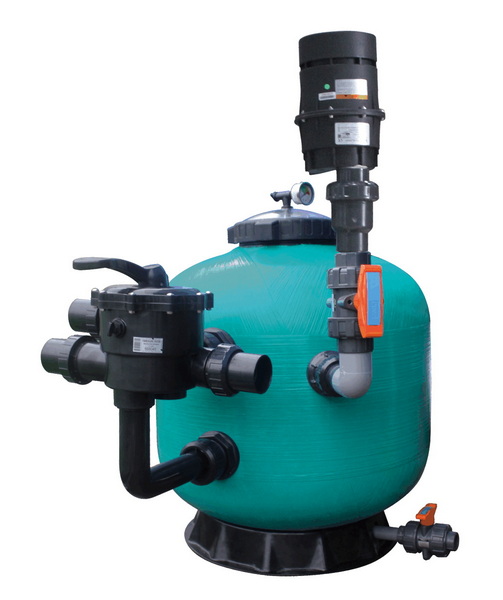
Most residential pools need 8–12 hours of filtration per day, but the exact runtime depends on pool volume, bather load, climate, and pump efficiency. Start on the higher end in hot or high‑use conditions, then reduce gradually while monitoring water clarity and pressure.
There is no single “right” pressure because it depends on plumbing layout, filter size, and pump strength, so use the gauge reading after a fresh backwash, rinse, or cartridge cleaning as your clean baseline. When pressure rises 7–10 psi above that baseline, it is time to backwash a sand or DE filter or clean a cartridge filter.
Some manufacturers approve alternative media such as glass or specific synthetic products, but they must be compatible with your filter design and installed exactly as directed. Using the wrong media can damage laterals, reduce filtration quality, and may void the equipment warranty.
Once the system is fully primed, leaks are corrected, chemicals are balanced, and water is visually clear, swimming can typically resume the same day. Always confirm that sanitizer, pH, and other water balance parameters are within recommended ranges using a reliable test kit.
Experienced DIY owners can often install above‑ground and simple in‑ground filter systems by following the manual carefully and respecting electrical and plumbing safety rules. For complex pads with heaters, automation, or tight equipment areas, or when local code requires it, using a licensed pool professional is the safer choice.
1. https://www.inyopools.com/HowToPage/how_to_install_a_sand_filter.aspx
2. https://alliedpools.com/maintaining-your-sand-filter-system
3. https://bestwayusa.com/blog/how-do-i-use-a-sand-filter-pump.html
4. https://blog.royalswimmingpools.com/blog/how-to-setup-and-operate-de-filters
5. https://diy.inyopools.com/article/poolside-repair-install-d-e-filter/
6. https://www.instructables.com/InstallingReplacing-a-Cartridge--Pool-Filter/
7. https://pooloperationmanagement.com/de-pool-filter-basics/
8. https://www.youtube.com/watch?v=S0-KKPjz9i8
9. https://www.youtube.com/watch?v=69atemJSmZw
10. https://www.youtube.com/watch?v=a2vKKytyNqY
11. https://www.youtube.com/watch?v=oDnPxziAH4Y
12. https://www.youtube.com/watch?v=YY3KHg-KLYw


