
Views: 222 Author: Tina Publish Time: 2025-12-16 Origin: Site


Content Menu
● Introduction: Why Your Pool Pump Is So Loud
● Understanding Common Pool Pump Noises
● Safety First Before You Start
● Step 1: Check Water Level and Air Leaks
● Step 2: Clear Blockages and Improve Flow
● Step 3: Secure and Isolate the Pump Base
● Step 4: Listen for Motor Bearing Problems
● Step 5: Check the Capacitor and Start‑Up Components
● Step 6: Reduce System Stress With Proper Hydraulics
● Step 7: Build a Sound‑Reducing Enclosure
● Step 8: Consider a Modern Quiet Pump Upgrade
● Step 9: Maintain Your Pump for Long‑Term Quiet Operation
>> 1. Why is my pool pump suddenly so loud?
>> 2. Is it safe to run a noisy pool pump?
>> 3. How much can an anti‑vibration pad reduce noise?
>> 4. Will a variable‑speed pump really be quieter?
>> 5. Can a noisy pump violate local noise rules?
>> 6. When should I replace instead of repair?
A noisy pool pump can turn a relaxing backyard into a stressful, mechanical-sounding space and even create complaints from family members or neighbors. The good news is that most noise problems come from a few common issues that are easy to diagnose and fix with basic tools and a simple checklist.[1][2][3]
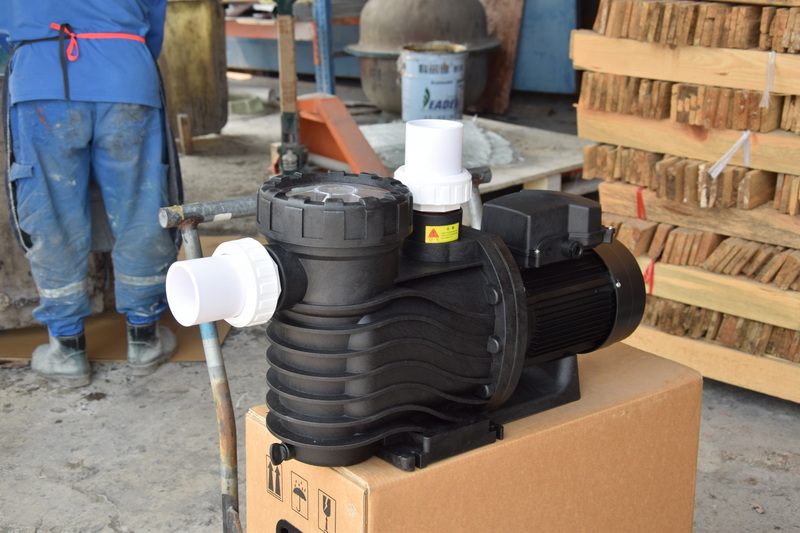
Different noises usually point to different problems, so begin by “listening” to your pump carefully.[8][9]
- Humming or buzzing: Often related to electrical issues, a jammed impeller, or a failing capacitor.[10][8]
- Screeching or whining: Strongly suggests worn motor bearings that may soon fail completely.[11][9]
- Grinding or rattling: May indicate internal debris, loose hardware, or severe bearing damage.[1][4]
- Gurgling or slurping: Typically caused by air entering the system (cavitation) due to low water levels or suction leaks.[5][1]
Always shut off power at the breaker before opening the pump, removing covers, or touching electrical components. Lock the breaker or post a warning label so no one accidentally switches it on while you are working.[8][10]
Wear eye protection when opening the pump lid or working with plumbing, and avoid running the pump dry, which can quickly overheat seals and plastic parts. If you are not comfortable checking electrical parts like capacitors or wiring, contact a qualified pool technician or electrician.[3][11][1][8]
Cavitation—air mixing with water inside the pump—is one of the loudest and most damaging noise sources. When the pump cannot get a steady, solid column of water, it gurgles, rattles, and may sound like it is “sucking” or slurping.[4][5][1]
1. Make sure the pool water level sits at least halfway up the skimmer openings so the skimmer does not pull air.[5][1]
2. Empty and re‑seat the skimmer baskets and pump strainer basket, checking that the pump lid o‑ring is clean, lubricated, and free from cracks.[3][1]
3. Inspect all suction‑side fittings, unions, and valves for leaks or bubbles in the pump basket while running—bubbles usually mean air leaks that can be sealed or re‑plumbed.[4][5]
A clogged pump or plumbing run forces the motor to work harder, often causing loud humming, vibration, and hot operation. Debris can lodge in the impeller, skimmer lines, or filter, all of which restrict flow and create noise.[9][8][1][4]
- Turn off power and open the pump housing to inspect the impeller for leaves, hair, or plastic fragments; remove all visible debris with a small tool or gloved hand.[9][8]
- Clean skimmer baskets, pump basket, and backwash or rinse the filter according to the manufacturer's instructions to restore normal pressure.[2][1]
- If pressure is still abnormal or noise persists, check for partial clogs in suction and return lines, or ask a service professional to perform a deeper inspection.[8][4]
Many “noisy pump” complaints are really vibration problems where the motor resonates through concrete, decking, or walls. If the pump is mounted on an uneven slab or thin pad, even a normal operating motor can sound much louder.[3][5][1]
- Confirm the pump is installed on a solid, level, and rigid base such as a concrete pad; re‑level or re‑pour if the pad has settled or cracked.[1][3]
- Use anti‑vibration pads or thick rubber mats under the pump to absorb vibration and reduce noise transmission by up to about 30% or more.[5][3]
- Tighten all base bolts, brackets, and nearby pipe clamps to remove rattles caused by loose hardware.[5][1]
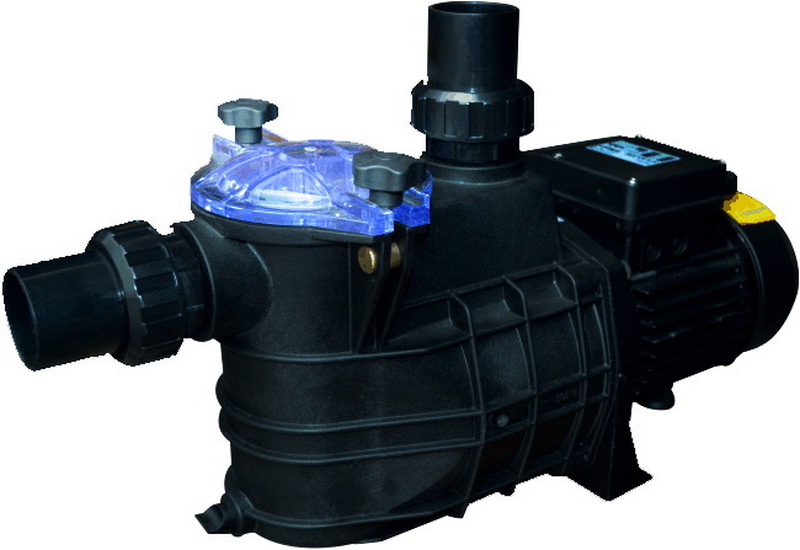
High‑pitched screeching, metallic grinding, or a “tinny” whine that gets worse over time usually points to worn motor bearings. Bearings fail from age, water intrusion, corrosion, or running the pump under heavy load for long periods.[13][11][9]
- If the noise is sharp, metallic, and comes from the motor body rather than the wet end, the safest long‑term fix is often bearing replacement or a new motor.[11][9]
- Bearing replacement requires special tools and experience, so most homeowners either replace the entire motor or hire a repair shop.[11][9]
If your pump makes a loud humming sound but the motor shaft does not spin freely, the start capacitor or related components may be failing. In some cases, gently turning the shaft with a screwdriver (power off) and then restoring power can temporarily help, but it is not a permanent fix.[10][8]
- With the power off and capacitors safely discharged, a professional can test the capacitor for proper microfarad rating and replace it if needed.[8][10]
- Continuing to run a pump with a weak or failed capacitor risks overheating the motor and creating even louder humming or eventual failure.[10][8]
Oversized pumps pushing too much water through small pipes create turbulence, friction, and extra noise. Designed properly, a system should keep water flow within laminar limits so it moves smoothly and quietly.[7]
- Check pipe diameter: typical residential systems use 1.5 inch or 2 inch plumbing, which support efficient laminar flow at roughly 38 and 65 gallons per minute respectively.[7]
- Avoid running single‑speed pumps at full output all day; instead, use timed cycles or switch to a variable‑speed pump to run at lower, quieter speeds for most of the day.[6][7]
Once mechanical issues are solved, you can further quiet the pump with smart soundproofing that targets both structure‑borne vibration and airborne noise. An enclosure or “quiet box” reduces how much sound escapes into the yard or neighboring properties.[6][3]
- Construct a dense box around the pump using exterior‑grade plywood or fiberglass panels, sealing gaps with acoustic sealant while leaving space for ventilation.[6][3]
- Line the inside of the box with outdoor‑rated acoustic foam or sound‑deadening mats to absorb reflections and cut harsh motor tones.[12][3]
- Design removable panels or a hinged lid so technicians can access the pump easily for regular maintenance.[3][6]
If your pump is old, inefficient, or chronically noisy despite maintenance, upgrading the equipment may be the most cost‑effective solution. High‑quality variable‑speed pumps and well‑designed sand, cartridge, or DE filters can dramatically reduce both noise and energy costs.[9][1][7][3]
- Variable‑speed pumps run at lower RPMs most of the time, making them so quiet that they can be hard to hear even when standing nearby.[7]
- When combined with an efficient filter sized correctly for the pool, a modern pump can maintain excellent clarity with much less noise and power consumption.[7][3]
Quiet operation is not a one‑time achievement; it depends on regular inspection, cleaning, and part replacement. A basic maintenance schedule reduces noise, extends equipment life, and keeps filtration performance high.[9][1][3]
- Weekly: Empty skimmer and pump baskets; check water level; visually inspect for leaks and unusual sounds.[1][3]
- Monthly: Clean or backwash the filter; inspect pump lid o‑ring and re‑lubricate; verify pump base bolts and union connections are tight.[1][3]
- Annually: Have a technician inspect motor bearings, seals, and electrical components, especially before peak swimming season.[11][9]
Quieting a noisy pool pump starts with identifying the sound you hear—humming, screeching, grinding, or gurgling—and matching it to likely causes such as air leaks, blockages, vibration, or worn motor parts. By following a logical sequence—checking water level, eliminating air leaks, cleaning the impeller, stabilizing the base, and listening for bearing or capacitor problems—you remove the main sources of noise and protect the system from premature failure.[4][8][1]
Once mechanical issues are solved, sound‑reducing strategies like anti‑vibration pads, acoustic enclosures, and variable‑speed upgrades transform the pump area into a calm, comfortable part of the backyard rather than a constant annoyance. With consistent maintenance and smart equipment choices, your pool can stay sparkling clean and pleasantly quiet, providing a better experience for both homeowners and neighbors.[6][3][7]
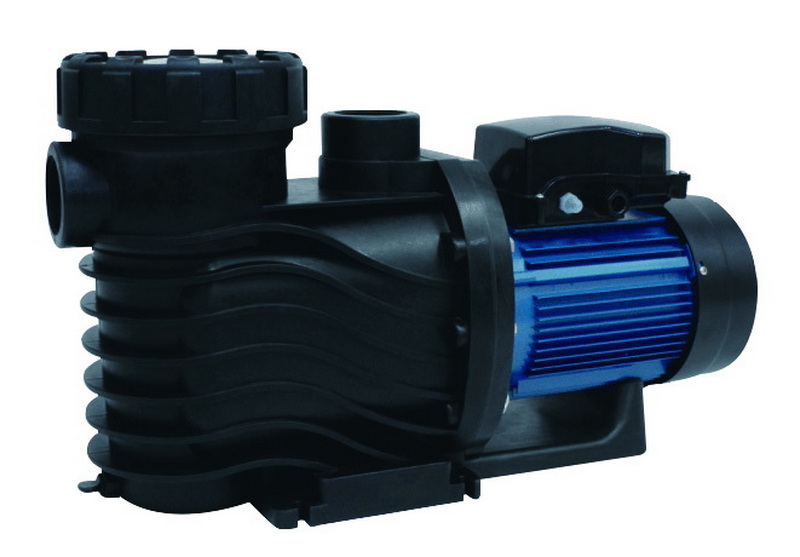
A pump that suddenly becomes loud may have sucked in air due to low water level, developed a suction leak, or trapped debris in the impeller, all of which increase noise quickly. It can also signal the early stages of motor bearing failure, especially if the noise is metallic or high‑pitched.[4][9][11][1]
Running a pump that is screeching, grinding, or running without enough water can quickly damage seals, bearings, or the motor windings. Mild humming from normal operation is fine, but any sudden or extreme noise should be investigated immediately and the pump shut off if serious mechanical issues are suspected.[9][8][11][1]
A thick rubber or specialized anti‑vibration pad can cut structure‑borne noise by roughly 30% or more by isolating the pump from the concrete pad. While it will not fix mechanical problems, it significantly reduces resonance and rattling that travels into walls, decks, and the ground.[5][3][6]
Yes, variable‑speed pumps are typically much quieter because they run at lower RPMs for most of the day, often making them difficult to hear even right next to the equipment. They also allow you to fine‑tune flow to match pipe size and filter needs, which reduces hydraulic noise and improves efficiency.[6][7]
In some residential areas, mechanical equipment like pumps must stay below specific decibel limits during daytime and nighttime hours, especially at property lines. If a pump is extremely loud or runs all night, neighbors may file noise complaints under local ordinances.[14][15][16][17]
If your pump is older, has severe bearing noise, repeated electrical failures, or requires multiple major parts, upgrading to a modern, efficient pump may cost less over time than repeated repairs. A new variable‑speed model can simultaneously reduce noise and lower monthly energy bills.[11][9][3][7]
[1](https://poolpartstogo.com/blogs/articles/noisy-pool-pump-heres-how-to-fix-it)
[2](https://centraljerseypools.com/troubleshooting-a-noisy-pool-pump/)
[3](https://www.poolkingfilter.com/how-to-make-a-pool-pump-quieter.html)
[4](https://poolie.com/blog/repair/pool-pump-making-loud-noise/)
[5](https://www.aquagem.com/news/how-to-quiet-pool-pump)
[6](https://www.youtube.com/watch?v=VAF_mF9V4xY)
[7](https://www.youtube.com/watch?v=4DKR6wSV1Yo)
[8](https://poolmarvel.com/pool-care-guide/pool-pump-problems/)
[9](https://www.poolstoponline.com/pool-school/my-pump-is-very-noisy)
[10](https://www.youtube.com/watch?v=ln5W1O5j_r8)
[11](https://www.youtube.com/watch?v=sB4JJw_9YSc)
[12](https://www.youtube.com/watch?v=YYCcnVd4RXU)
[13](https://www.reddit.com/r/pools/comments/1lfl8v8/our_pump_is_making_very_loud_noises_pool_person/)
[14](https://www.reddit.com/r/RealEstate/comments/4q5bhq/neighbor_with_extremely_noise_pool_pump/)
[15](https://mrsc.org/explore-topics/code-enforcement/nuisances/noise-control)
[16](https://ecology.wa.gov/regulations-permits/laws-rules-rulemaking/noise-pollution/noise-pollution-faq-for-residents)
[17](https://www.seattle.gov/sdci/codes/codes-we-enforce-(a-z)/noise-code)
[18](https://www.reddit.com/r/pools/comments/py4uoq/anyone_know_why_my_pump_started_making_this/)
[19](https://www.reddit.com/r/Acoustics/comments/17ygshy/pool_pump_noise_and_how_to_get_less_bang_for_your/)
[20](https://www.codepublishing.com/WA/BainbridgeIsland/html/BainbridgeIsland16/BainbridgeIsland1616.html)


