
Views: 222 Author: Tina Publish Time: 2026-01-19 Origin: Site


Content Menu
● Understanding Pentair filter types
● When to backwash a Pentair filter
● Safety preparation before backwashing
● How to backwash a Pentair sand filter
>> Step‑by‑step for multiport valves
● How to backwash a Pentair sand filter with slide valve
● How to backwash a Pentair DE filter
>> Standard three‑cycle DE backwash
● Why Pentair cartridge filters are not backwashed
● Extra tips to improve backwashing results
● Common mistakes to avoid when backwashing
● OEM upgrade ideas for Pentair‑style filters
● Troubleshooting after backwashing
>> 1. How often should I backwash my Pentair sand or DE filter?
>> 2. How long do I run the backwash cycle?
>> 3. Can I backwash a Pentair cartridge filter?
>> 4. Why is my pool still cloudy after backwashing?
>> 5. Where should I send backwash water?
>> 6. Can an OEM‑style sand or DE filter be used with Pentair pumps and controls?
How to backwash a Pentair pool filter correctly depends on the filter type: Pentair sand and DE (diatomaceous earth) filters are designed for backwashing, while Pentair cartridge filters are not and must be cleaned by hand instead. When done on the right schedule and with proper valve settings, backwashing restores flow, protects the pump, and keeps your pool water clear and safe.
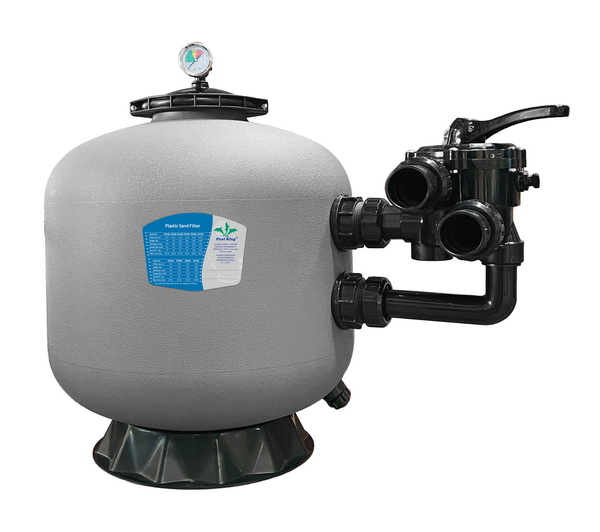
Pentair's residential and commercial filters are usually one of three types: sand, DE, or cartridge, and only the first two are backwashed. Each type has a different internal media and slightly different maintenance routine, so identifying your model first prevents damage and saves time.
- Sand filters: Use graded silica or glass sand to trap dirt; most have a top‑mounted or side‑mounted multiport valve with a Backwash and Rinse setting.
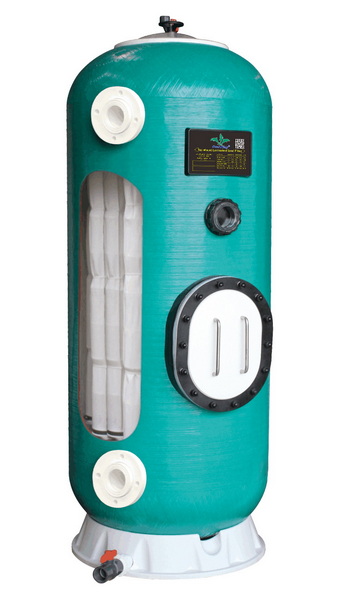
- DE filters: Use coated fabric grids filled with DE powder; many use a multiport or slide valve and require adding fresh DE after each full backwash.
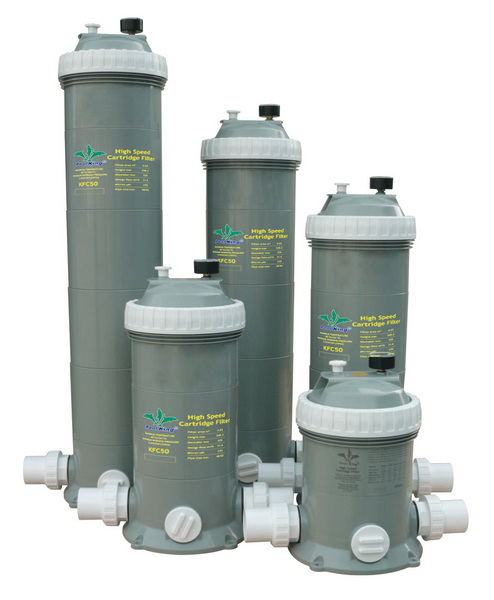
- Cartridge filters: Use pleated cartridges and cannot be backwashed; they must be opened and washed manually.
Backwashing should be driven by pressure and flow, not just the calendar, to avoid wasting water and over‑cleaning the media. Most pool pros recommend backwashing when the filter pressure rises about 8–10 psi above the clean “start‑up” pressure or when the return flow visibly weakens.
- Check the pressure gauge weekly and record the clean pressure right after you wash or open the filter.
- Look for cloudy water, slow skimmer action, or weak returns, which often mean the media is loaded with debris and needs backwashing or a deep clean.
Backwashing pushes water at high speed through valves and hoses, so a short safety checklist prevents leaks, electrical hazards, and equipment damage. Always read the Pentair manual for your specific model and local codes, especially for where backwash water is allowed to drain.
- Turn off the pump at the main power switch or circuit breaker before touching the multiport or slide valve.
- Close or redirect any valves so backwash water flows safely to an approved drain, lawn area, or waste line, not back toward the pool or building.
- Keep children and pets away from the equipment pad while you are working and avoid standing water around electrical components.
Pentair sand filters use a multiport or slide valve to reverse flow through the sand bed and send dirty water to waste. A full backwash and rinse cycle usually takes just a few minutes and should be done whenever pressure climbs or after heavy debris loads like storms.
1. Turn off the pump
Switch the pump off at the timer, automation panel, or breaker. Never move the multiport handle with the pump running to avoid damage to the internal gasket.
2. Roll out the backwash hose
Connect and fully extend the waste/backwash hose to a safe discharge area where water will not erode soil or flood neighbors.
3. Set valve to “Backwash”
Push the handle down, rotate to the Backwash position, and release so it locks fully into place. Confirm the waste line or valve is open so water can escape freely.
4. Turn pump on and backwash
Turn the pump back on; the water will flow in reverse through the sand, carrying dirt out the waste line.
Watch the sight glass or hose; run backwash until the water goes from cloudy to clear, usually 2–3 minutes.
5. Turn pump off and set to “Rinse”
Turn the pump off again and move the multiport handle to Rinse, locking it in place.
This step settles the sand bed and prevents dirt from returning to the pool.
6. Turn pump on and rinse
Run the pump in Rinse mode for 20–60 seconds or until the sight‑glass water looks clean.
7. Turn pump off and return to “Filter”
Switch the pump off, rotate the handle to Filter, and ensure it locks firmly.
Turn the pump back on and verify normal flow has returned at the returns and skimmers.
Some Pentair sand and DE filters use a push‑pull (slide) valve instead of a rotary multiport. The concept is the same—one position for filter, one for backwash—but the handle moves straight up and down instead of rotating.
- Turn off the pump and relieve pressure at the air relief valve before moving the slide valve.
- Turn the slide handle to OPEN, pull or push it as labeled for Backwash, then restart the pump and run until the waste water clears.
- Shut the pump off, return the handle to Filter, and restore normal operation, following the exact sequence in the Pentair or valve manual.
Pentair FNS and other DE filters are backwashed to remove dirty DE and debris, then re‑charged with fresh DE through the skimmer. Because DE is very fine and can clog grids or plumbing, many manufacturers recommend a three‑cycle backwash followed by a periodic full teardown cleaning.
1. Turn off pump and relieve pressure
Shut off power at the switch or breaker and open the air‑relief valve until the gauge reads zero.
2. Set valve to “Backwash”
Move the multiport or slide valve to Backwash according to the filter or valve instructions.
3. Run first backwash cycle
Turn the pump on and backwash for about 60 seconds or until the waste water changes from very dirty to less cloudy.
4. Turn pump off and set to “Rinse”
Switch off the pump, move the valve to Rinse, and then run for about 30 seconds to flush out remaining DE.
5. Repeat cycles two more times
Perform shorter backwash cycles (around 30 seconds, then 15 seconds) followed by short rinse cycles to remove stubborn DE powder.
6. Turn pump off and return valve to “Filter”
After the last rinse, shut down the pump, move the valve back to Filter, and close the air‑relief valve when water flows smoothly.
7. Add new DE through the skimmer
With the pump running on Filter, slowly pour the manufacturer‑specified amount of DE slurry into the skimmer.
The DE coats the internal grids and restores full filtration efficiency.
Unlike sand and DE systems, Pentair Clean & Clear and similar cartridge filters have no backwash setting and are cleaned by opening the tank and washing the pleats. Forcing a makeshift backwash can damage cartridges, o‑rings, and the tank, so always follow the official cleaning method instead.
- Shut off power, relieve pressure, and open the tank clamp according to the Pentair manual.
- Remove cartridges and hose them off top to bottom at a 45‑degree angle, making sure to clean between the pleats.
- For heavy oils and suntan lotions, occasionally soak the cartridges in a compatible cleaning solution, then rinse thoroughly before reassembly.
A few small adjustments in your routine can make each backwash more effective and reduce how often you have to do it.
- Brush and vacuum the pool before major backwashes so less debris reaches the filter at once.
- After backwashing, top up the pool water to the middle of the skimmer opening and test the chemistry, because you will have lost some treated water.
- Consider using filter‑grade glass media or high‑quality sand and replacing it every 5–7 years in heavily used pools.
Avoiding a few typical errors will extend the life of your Pentair filter media, reduce water waste, and prevent cloudy water returning to the pool.
- Moving the valve with the pump on: This can tear the multiport spider gasket or damage the slide valve.
- Backwashing too long or too often: Excessive backwashing wastes hundreds of gallons and can reduce sand bed efficiency over time.
- Forgetting to add fresh DE: Running a DE filter without the correct amount of DE can damage grids and let fine particles pass straight through.
- Skipping the rinse step: Going straight from Backwash back to Filter can blow dirt and sand back into the pool through the returns.
For pool owners, builders, and service companies, pairing Pentair‑style sand or DE filters with robust OEM filter tanks, valves, and pumps can improve performance and margins. A specialist OEM factory can supply private‑label sand filters, DE filters, cartridge filters, pumps, LED pool lights, and accessories that match global standards and integrate into Pentair‑style systems.
- Upgrade to larger sand or DE filter bodies to increase dirt‑holding capacity and reduce how often backwashing is needed.
- Combine high‑efficiency pumps, smart controls, and branded filter housings under your own label to create complete system packages for dealers.
- Offer pre‑assembled filter and pump sets so distributors and installers can save time on equipment‑pad plumbing.
Sometimes, problems show up right after a backwash; handling them quickly keeps the pool from going cloudy or green.
- Persistent high pressure: If pressure does not drop after backwashing, the sand may be channeled, the DE grids may be coated, or the return lines may have a blockage.
- Air in the system: Gurgling sounds or lots of bubbles at the returns may mean the pump lid o‑ring is leaking or the water level is too low.
- Sand or DE in the pool: This often points to broken laterals in a sand filter, damaged DE grids, or valve issues allowing media to bypass.
Backwashing a Pentair pool filter the right way starts with identifying whether you have a sand, DE, or cartridge system and then following the correct procedure for that specific design. With a simple routine of pressure checks, timely backwashing or manual cleaning, and safe valve operation, your filtration system will keep pool water clear, protect the pump, and provide long‑term, low‑stress operation for both homeowners and professional OEM partners.
Contact us to get more information!
Most Pentair sand and DE filters should be backwashed whenever the pressure rises about 8–10 psi above the clean reading or after heavy debris events such as storms or algae treatment. For many residential pools, this works out to roughly every few weeks in normal conditions, but pressure and water clarity are more reliable indicators than a strict calendar schedule.
For sand filters, backwash for about 2–3 minutes or until the sight glass or waste water runs clear, followed by 20–60 seconds of rinse. For DE filters, a typical three‑cycle backwash uses about 60 seconds for the first backwash, then shorter 30‑ and 15‑second backwashes with brief rinses between cycles.
No, Pentair cartridge filters like Clean & Clear models are not designed for backwashing and must be opened and cleaned by hand. To service them, shut off power, relieve pressure, remove the lid, take out the cartridges, and wash them thoroughly with a hose and, when needed, a cartridge cleaning solution.
Cloudy water after backwashing can mean the pool chemistry is off, the filter media is worn, or the DE filter has not been properly re‑charged. Check and balance chlorine and pH, inspect sand or DE grids for age‑related issues, and make sure you have added the correct amount of new DE to the skimmer after a DE backwash.
Backwash water should be discharged to an approved waste line, yard drainage area, or sanitary sewer if local regulations allow it; never pump it directly into the pool or onto a neighbor’s property. Many municipalities have specific rules for pool backwash disposal, so always follow local codes and Pentair’s guidance before choosing a discharge location.
Yes, as long as the plumbing connections, flow rate, and pressure ratings are compatible, OEM sand or DE filters can be paired with Pentair pumps, heaters, and automation systems. Pool builders and distributors often choose private‑label filters from specialized OEM factories to integrate into Pentair‑style systems while building their own brand identity and margins.
1. https://pinchapenny.com/pool-life/backwash-pool-sand-filter
2. https://www.youtube.com/watch?v=rxg8eOKT6TA
3. https://blog.royalswimmingpools.com/how-to-backwash-pool-filter-guide
4. https://www.youtube.com/watch?v=5eJPsxB3q_s
5. https://mrpoolman.com.au/blogs/news/how-to-backwash-a-pool-sand-filter
6. https://www.swimmingpool.com/maintenance/pump&filter/how-to-backwash-de-pool-filter/
7. https://www.reddit.com/r/pools/comments/1ks2j0w/pentair_clean_clear_plus_need_to_backwash/
8. https://www.pentair.com/en-us/education-support/water-education-center/pool-and-spa-education/cleaning-and-maintaining-your-pool
9. https://www.c-m-p.com/wp-content/uploads/2014/02/25831-11x-750-Pentair-Slide-Valve-Instructions.pdf
10. https://www.youtube.com/watch?v=OYWA07UVMwY
11. https://www.youtube.com/watch?v=8u1SxTotjdA
12. https://www.youtube.com/watch?v=Drb5Ft_Y98o
13. https://www.hornsbypoolcare.com.au/how-to-backwash-a-pool-sand-filter
14. https://www.swimuniversity.com/backwash-sand-filter/
15. https://bigbecks.com/how-to-backwash-a-sand-filter-a-step-by-step-guide/
16. https://bigbecks.com/how-to-backwash-an-above-ground-de-diatomaceous-earth-filter-a-step-by-step-guide/
17. https://www.youtube.com/watch?v=wAL2H6EE1l4
18. https://www.pentair.com/content/dam/extranet/nam/pentair-pool/residential/filters/clean-and-clear-family/clean-and-clear-plus/clean-and-clear-plus-filter-manual.pdf
19. https://www.pentair.com/content/dam/extranet/nam/pentair-pool/pool-manuals/filters/Clean_and_Clear_Owners_Manual_English.pdf


