
Views: 222 Author: Tina Publish Time: 2025-11-12 Origin: Site


Content Menu
● Why Pool Pump Run Time Matters
● Key Factors Affecting Pool Pump Run Time
>> Pump Type: Single-Speed vs. Variable-Speed
● How to Calculate Your Ideal Pool Pump Run Time
● Special Scenarios: Pool Opening, Cleaning, and Algae
● Best Practices for Efficient Pump Operation
● How Pool Pumps Support Commercial Filtration Solutions
>> 1. What is "pool turnover" and why is it important?
>> 2. Can I run my pool pump at night?
>> 3. Should I run the pump continuously during pool opening?
>> 4. Is it better to run my pump at high or low speed?
>> 5. How do weather and pool use affect pump time?
Swimming pool owners and managers face the challenge of balancing water clarity, safety, and energy efficiency. Knowing exactly how long to operate a pool pump each day is essential for maintaining pristine water, minimizing costs, and maximizing the longevity of pool equipment. This guide provides detailed insights and practical tips, including videos, infographics, and technical know-how to help commercial and private pool operators worldwide.
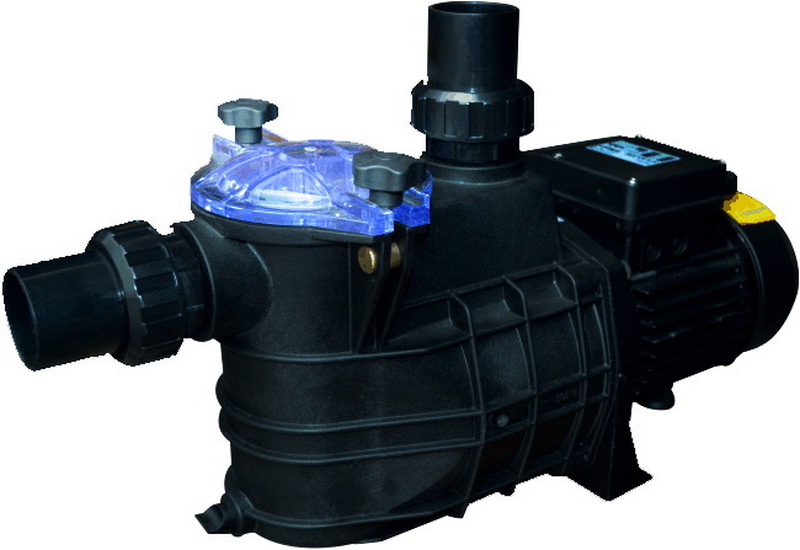
- Water Quality: The pump circulates water through the filtration system, removing debris, bacteria, and contaminants.[4]
- Chemical Balance: Pumps disperse pool chemicals evenly, ensuring effectiveness and swimmer safety.[4]
- Preventing Algae and Bacteria: Regular circulation prevents stagnation, minimizing algae and bacterial growth.[5]
The primary purpose of running your pump is to complete one full water turnover each day. Calculate your pool's volume to set a baseline for pump operation:[3][7]
- Formula: Pool Volume (gallons)÷Pump flow rate (gallons per hour)=Hours to run pump
- Example: For a 20,000-gallon pool with a pump rated at 2,500 gallons per hour:
A common rule is to run the pool pump one hour for every 10°F of ambient air temperature during the swim season:[1][3]
- Example: At 80°F, run 8 hours; 100°F, run 10 hours.
- Single-speed pumps: 8–10 hours daily, depending on turnover needs.[2][1]
- Variable-speed pumps: Often run 12 hours or more, including several hours at high speed for cleaning, then low speed for efficient filtration.[3][5][1]
1. Calculate Pool Volume:
- Rectangle:Length×Width×Average Depth×7.5Length×Width×Average Depth×7.5
- Oval:Length×Width×Average Depth×5.9Length×Width×Average Depth×5.9
2. Determine Pump Flow Rate: Check pump label for gallons per minute (GPM) or gallons per hour (GPH).
3. Turnover Rate: Aim for one complete turnover per day; for heavily used pools, consider two turnovers.
4. Run Time Formula: Hours=Pool Volume\Pump’s hourly flow rate
5. Adjust for Weather/Usage: Increase hours during heatwaves, storms, or high usage.
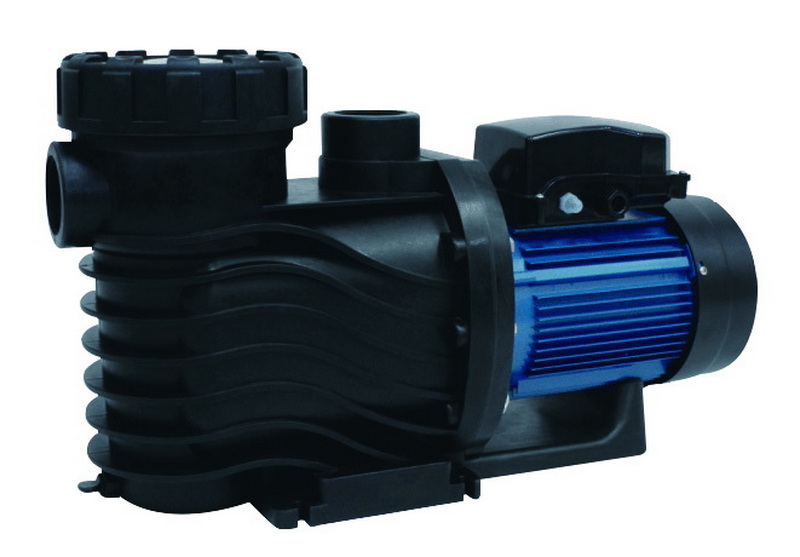
- Day & Night Split: 4 hours in the morning, 4 hours in the evening ensures constant chemical effectiveness.[4]
- Off-Peak Hours: Running during non-peak electricity times reduces cost.
- Short Bursts: Some energy experts recommend several shorter cycles daily, especially with timers or automation.[9]
When opening a pool or dealing with heavy algae, a continuous pump run of 24–72 hours may be required for clearing water and distributing chemicals:[10]
- Initial Startup: 24–72 hours continuous run.
- Heavy Debris or Weather Events: Run pump until water clarity is restored.
- Routine schedule: Set timers for daily automation.
- Clean and backwash filters regularly: Dirty filters reduce flow, demanding longer run times.[10]
- Monitor Pressure Gauges: High pressure signals a clogged filter; low pressure might indicate pump issues.[12]
- Combine Speeds (if possible): Use high speed for cleaning cycles and low speed for filtration on variable-speed pumps.[5][1]
- Regular inspection: Ensure optimal operation and safety.[12]
| Pool Volume (gallons) | Pump Rate (GPM) | Estimated Daily Run Time (hours) |
|---|---|---|
| 10,000 | 40 | 4.2 |
| 20,000 | 50 | 6.7 |
| 30,000 | 70 | 7.1 |
| 40,000 | 80 | 8.3 |
Source: Leslie's Pool, Pentair[6][1]
- Consistent circulation ensures safe water in hotels, spas, and water parks
- Commercial systems often run multiple pumps with overlapping schedules
- Custom solutions offer redundancy and filtration for high bather loads
The ideal run time for a swimming pool pump depends on a range of real-world variables, but aiming for one complete turnover of pool water per day (generally about 8 hours for most pools) is a reliable, efficient standard. Commercial and residential pool operators alike should consider local climate, bather load, pump technology, and budget when setting daily pump schedules. Routine checks, proper maintenance, and automated controls can further boost efficiency and pool water safety.
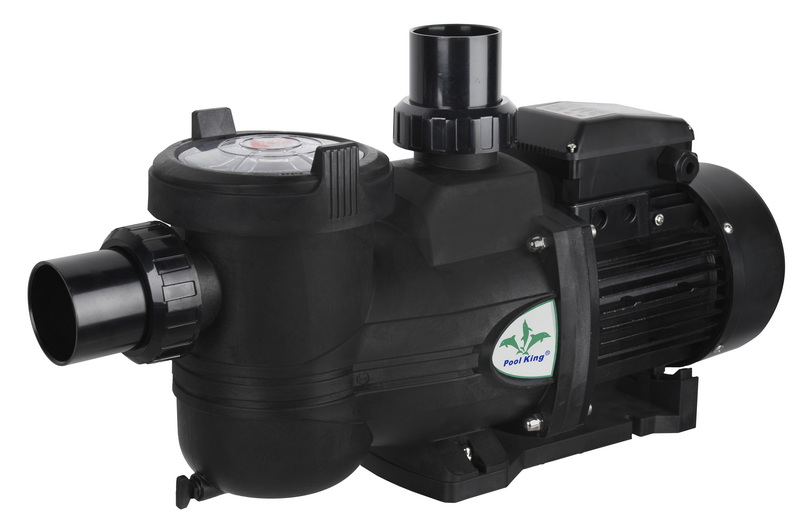
Pool turnover is the process of circulating the entire volume of pool water through the filter once, ensuring cleaner and safer swimming conditions.[8]
Yes, many operators split run time between day and night to maximize chemical effectiveness and take advantage of off-peak electricity rates.[9]
Yes, after adding opening chemicals, running 24–72 continuous hours is advised to ensure clear, balanced water, then shift to standard daily cycles.[10]
Variable-speed pumps allow for energy-efficient low-speed filtration with periodic high-speed intervals for thorough cleaning.[1][5]
Hot weather or heavy pool use increases debris, sunlight, and chemical demand, so extending pump operation is beneficial during these periods.[13][1]
[1](https://lesliespool.com/blog/how-to-calculate-pool-pump-run-time.html)
[2](https://www.swimmingpool.com/maintenance/pump&filter/how-long-to-run-pool-pump/)
[3](https://www.youtube.com/watch?v=u4ExnupI26o)
[4](https://poolicons.com/pool-maintenance/complete-beginners-guide-to-pool-pump-operation/)
[5](https://cherrypoolservices.com/best-practices-in-running-your-pool-pump/)
[6](https://www.pentair.com/en-us/education-support/water-education-center/pool-and-spa-education/pool-pump-information-guide.html)
[7](https://www.poolwarehouse.com/articles/how-long-should-i-run-my-pool-pump/)
[8](https://www.youtube.com/watch?v=LvN8m1AsrHI)
[9](https://www.energy.gov/energysaver/choosing-installing-and-operating-efficient-swimming-pool-pump)
[10](https://www.mtlakepool.com/2025/06/25/how-long-to-run-a-pool-pump-when-opening/)
[11](https://www.youtube.com/watch?v=Ayk3co2KetE)
[12](https://greatbackyard.com/blogs/news/your-above-ground-pool-pump-installation-priming-and-maintenance)
[13](https://www.riverpoolsandspas.com/blog/how-long-to-run-pool-pump)
[14](https://www.reddit.com/r/pools/comments/pbcz27/how_long_should_i_run_my_pool_pump_each_day_i/)
[15](https://www.youtube.com/watch?v=9ToRTbckeOw)
[16](https://www.facebook.com/groups/637529959937311/posts/2334443996912557/)
[17](https://www.youtube.com/watch?v=edm862QQ9mY)
[18](https://www.youtube.com/watch?v=5EWP9156xkQ)
[19](https://www.youtube.com/watch?v=HfZXQ_IdI3k)
[20](https://www.instagram.com/reel/DHrKmxvxXlk/?hl=af)


