
Views: 222 Author: Tina Publish Time: 2025-12-07 Origin: Site


Content Menu
● How Long Do Pool Filter Cartridges Last
● Typical Lifespan Of Pool Filter Cartridges
● Key Factors That Affect Cartridge Lifespan
● Signs Your Pool Filter Cartridge Needs Replacing
● How Usage Patterns Change Cartridge Life
● Maintenance Tips To Extend Cartridge Lifespan
● Cartridge Filters vs. Sand And DE Filters
>> Typical Lifespans By Filter Type
>> Pros And Cons For End Users
● How To Explain Lifespan To Your Customers
● Why High‑Quality OEM Cartridges Matter
● FAQs About How Long Pool Filter Cartridges Last
>> 1. How many years does a pool filter cartridge usually last?
>> 2. What are the biggest reasons cartridges fail early?
>> 3. How can pool owners tell if a cartridge is worn out?
>> 4. Does water chemistry really affect cartridge life?
>> 5. Is a cartridge filter better than a sand filter for lifespan?
>> 6. How often should pool owners clean their filter cartridges?
How long pool filter cartridges last depends mainly on usage, water quality, and maintenance, but most residential pool owners can expect 1–3 years of service life from a well‑maintained cartridge before replacement is needed. In heavy‑use or harsh environments, the lifespan can drop to 6–12 months, while lightly used, well‑maintained systems may stretch close to 3 years.[1][2][3][4][5][6]
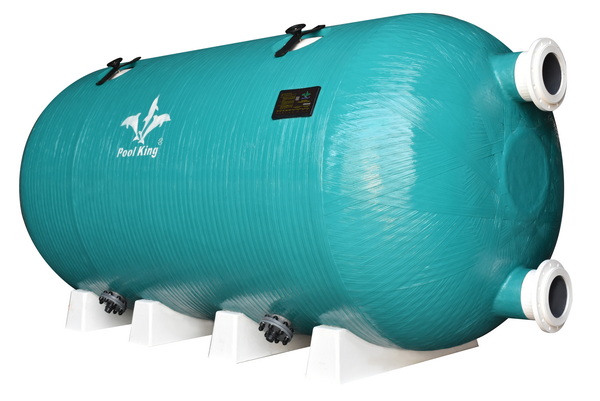
Pool filter cartridges are the heart of a cartridge filtration system, trapping dirt, oils, and fine debris so your pool water stays clean and safe to swim in. Over time, this constant workload wears down the pleated media, so understanding realistic lifespan ranges helps pool owners plan maintenance and avoid cloudy water or equipment damage.[2][5][7][1]
To help overseas brands, wholesalers, and pool equipment manufacturers, this guide explains real‑world cartridge lifespans, key wear factors, replacement signs, and maintenance strategies, with notes on how premium cartridges and complete filtration systems from modern OEM factories can maximize service life and customer satisfaction. Throughout the article you can insert photos of clean vs. dirty cartridges, pressure gauges, and filter housings, plus short video clips showing cleaning and replacement procedures to improve engagement for end users.[5][8][9][2]
Most experts agree that the average pool filter cartridge lasts around 1–3 years for a residential pool, assuming reasonable water balance and regular cleaning. Some manufacturers also express lifespan in operating hours, with approximate guidance of about 2,000 hours of filtration before the element should be replaced.[10][11][1][2][5]
In real installations, lifespan varies by usage pattern: daily‑used or commercial pools may need new cartridges after 6–12 months, while seasonal or lightly used pools can sometimes run 18–24 months or more on one set. High‑quality cartridges and properly sized filter housings can further extend usable life by reducing stress on the pleats and avoiding chronic over‑pressure.[3][4][7][6][2]
Several controllable and uncontrollable factors determine how long a pool filter cartridge actually lasts in the field. Understanding these helps dealers and service companies give realistic advice to their customers and reduce warranty issues.[7][11][5]
Major factors include:
- Pool usage and bather load: Heavy daily swimming introduces more body oils, sunscreen, hair, and organic matter that quickly clog the pleats and shorten life.[3][5][7]
- Environment and debris load: Pools near trees, construction, dusty roads, or high pollen zones push more debris into the filter and reduce lifespan.[7][3]
- Water chemistry balance: Low or high pH, high chlorine, or scaling minerals can damage the filter fabric and end caps over time.[11][5][3]
- Pump run time and flow rate: Long daily run times and oversized pumps increase the mechanical stress on cartridges.[5][11]
- Maintenance habits: Regular rinsing and deep cleaning extend life, while neglect or harsh cleaning chemicals cause early failure.[12][1][5]
In an OEM context, educating buyers about these variables helps your cartridge filters, sand filters, and complete filtration systems perform closer to their design life in different markets and climates.[13][2]
Even if a cartridge has not reached the typical time or hour limit, visual and performance indicators often show when it is time to change. Training end users to recognize these signs reduces complaints and protects pumps, heaters, and LED circulation features.[14][15][16]
Common warning signs include:
- Decreased water flow: Jets feel weak or circulation slows even though the pump is running normally.[15][16][5]
- Cloudy or dirty water: Water stays hazy or green despite correct chemical balance and regular sanitizing.[17][12]
- High and persistent pressure: The filter pressure gauge remains 8–10 psi above normal even after cleaning.[16][15][12]
- Visible damage: Pleats appear flattened, frayed, torn, or the bands and end caps are cracked or broken.[17][16]
- Frequent cleaning with little improvement: The cartridge quickly clogs again and cleaning no longer restores normal flow or clarity.[12][5]
Pool usage patterns often explain why two similar cartridges in different homes last very different lengths of time. This is important for dealers and OEM brands when setting expectations in different customer segments.[11][3][7]
Typical guidelines:
- Daily, heavy‑use pools or small pools with spas often need cartridge replacement every 6–12 months.[4][3]
- Moderate‑use family pools commonly see 12–24 months of service from a quality cartridge.[6][4][3]
- Holiday or seasonal pools with careful maintenance may run 18–36 months before water quality or pressure signals the need for change.[3][5]
In high‑bather‑load installations, pairing correctly sized cartridge filters with efficient pumps and pre‑filtration accessories such as skimmer socks or leaf traps can meaningfully extend cartridge life and protect your OEM filter housings.[18][2]
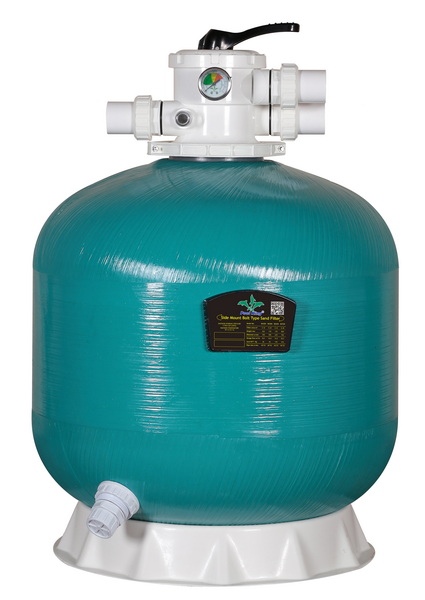
With good maintenance, many pool owners can reach or exceed the upper end of the 1–3 year lifespan range for cartridges. As an equipment supplier, you can include these recommendations in manuals, packaging, and how‑to videos to reduce returns.[9][1][8][5]
Effective maintenance practices:
- Rinse regularly: Use a garden hose with a fan nozzle to wash between pleats whenever pressure rises 7–10 psi above the clean baseline.[1][12]
- Deep clean properly: Periodically soak cartridges in a filter cleaner or degreaser solution to remove oils and lotions before any mild acid treatments.[8][1][5]
- Avoid harsh chemicals: Never acid wash a cartridge before degreasing and do not use strong household cleaners that can damage the media.[5][8]
- Keep water balanced: Maintain pH, alkalinity, and sanitizer levels within standard ranges to avoid fabric degradation and scale.[11][12][3]
- Rotate spare sets: For frequently used pools, having two sets of cartridges allows one set to dry and recover while the other runs in the filter.[6][8]
For many owners, deciding on cartridge vs. sand or diatomaceous earth (DE) filtration affects long‑term maintenance costs and replacement cycles. As a factory producing sand filters, DE filters, cartridge filters, and pumps, you can provide a full comparison to your clients.[13][2][18]
The main filter types have different media replacement intervals.[2][18][13]
- Cartridge filter elements: Typically 1–3 years before replacement, depending on use and care.[1][2][5]
- Sand media: Usually 5–7 years in residential pools, sometimes up to 7–10 years with good maintenance.[13][2]
- Glass media: Often around 3–5 years, with improved filtration but a higher initial price.[18][2]
- DE grids: Many grids last 5–10 years, but require frequent backwashing and DE top‑up.[19][18]
For overseas distributors, offering multiple filter technologies lets them match local water conditions and customer preferences while maintaining replacement media sales over time.[2][13]
Each filtration method has strengths that you can highlight in brochures, diagrams, and comparison videos.[18][13][2]
- Cartridge filters: Fine filtration, low water waste, compact footprint, moderate element replacement cost every few years.[2][5]
- Sand filters: Simple operation, long media life, easy backwashing, but generally coarser filtration unless upgraded to finer media.[13][2]
- DE filters: Very fine filtration and sparkling water, but more complex handling of DE powder and more maintenance steps.[19][18]
Infographics showing typical micron ratings, maintenance tasks, and long‑term costs are useful marketing assets for your OEM customers.[18][13][2]
Distributors and service companies often struggle when users expect cartridges to last much longer than the realistic 1–3 year range. Clear communication at the point of sale and in manuals helps prevent misunderstandings.[1][11][2][18]
Good practices:
- Provide a typical range (for example “about 12–24 months in normal residential use”) instead of promising a fixed number.[4][6][1]
- List major shortening factors such as heavy use, unbalanced water, or severe debris, and show simple examples or photos.[7][3]
- Encourage regular pressure‑gauge checks and visual inspection of the cartridge to decide replacement time, rather than relying only on the calendar.[15][12]
OEM brands can also embed QR codes on filter labels that link to short videos explaining these lifespan concepts, which reduces support workload and builds trust.[8][9]
Although maintenance habits play a big role, cartridge design and materials strongly influence real‑world life and performance. For overseas brands and wholesalers, partnering with a specialized factory that controls every step from molding to pleating provides a clear competitive advantage.[7][2][18][13]
Key quality points to highlight:
- Durable pleated media with uniform pore size and strong resistance to chemicals and UV.[2][7]
- Robust end caps and bands that resist cracking, even under higher pressures or frequent cleaning.[17][16]
- Precise dimensions for easy installation in popular filter housings, from compact residential models to larger commercial units.[4][2]
- Compatibility with complete systems: sand filters, DE filters, efficient pumps, LED lights, and other pool accessories to offer a full solution package.[18][13]
As a Chinese manufacturer with intelligent production equipment, you can customize cartridge sizes, media specs, and private‑label packaging for international brands and distributors, combining long service life with attractive OEM pricing.[13][2][18]
Pool filter cartridges usually last around 1–3 years in residential pools, but actual life depends heavily on usage, environment, water balance, and maintenance quality. By teaching end users to monitor pressure, water clarity, and visible cartridge condition, pool professionals can prevent problems and schedule replacements at the right time.[15][17][5][12][1][2]
For overseas brands, wholesalers, and manufacturers, sourcing high‑quality cartridges and full filtration systems from a specialized OEM factory helps ensure stable performance, fewer returns, and stronger customer satisfaction. Combining robust cartridge design with educational materials, photos, and videos about lifespan and care will support long‑term growth in your pool equipment business.[11][8][9][2][18][13]
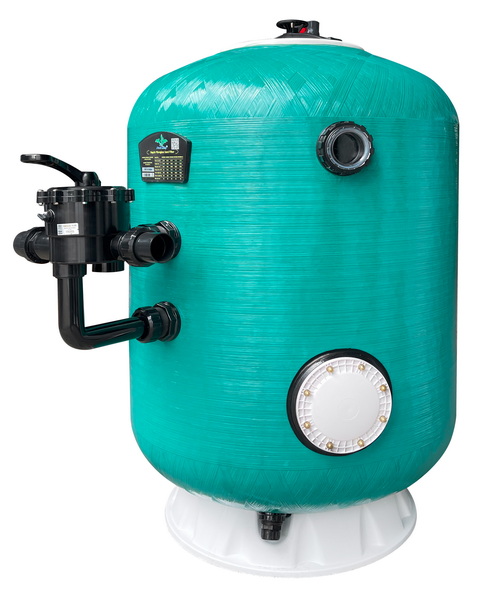
Most pool filter cartridges last between 1 and 3 years for typical residential pools, assuming reasonable care and balanced water chemistry. Heavy‑use or commercial pools may need replacement closer to 6–12 months, while light‑use seasonal pools can sometimes reach 2–3 years.[6][4][5][1][3][2]
The most common causes of early cartridge failure are unbalanced water, heavy debris loads, and poor cleaning practices or harsh chemicals. Oversized pumps, long run times, and constant high pressure also stress the pleats and end caps, causing cracking or deformation.[5][3][7][11]
Key signs include weak water flow, cloudy water despite proper chemicals, high pressure that does not drop after cleaning, and visible damage such as tears, flattened pleats, or broken bands. If cleaning gives only short‑term improvement and problems quickly return, replacement is usually the best option.[16][17][12][15][5]
Yes, water chemistry has a major impact on cartridge life because low or high pH, high chlorine, and scaling minerals can break down the filter fabric and end caps over time. Good control of pH, alkalinity, and sanitizer levels keeps both the filter and other equipment in better condition.[3][5][11][18]
Cartridge elements generally need replacement more often than sand media, but they offer finer filtration and save water because they do not require frequent backwashing. Sand media can last 5–7 years or more, although total system performance still depends on pump sizing and proper maintenance.[2][18][13]
Most guidelines suggest cleaning when the pressure gauge rises about 7–10 psi above the clean starting pressure, which may be every few weeks in high‑use pools. Regular rinsing plus periodic deep cleaning with a cartridge cleaner or degreaser helps maintain performance and reach the upper end of the lifespan range.[12][1][5][8][18]
[1](https://mrpoolman.com.au/blogs/news/how-long-does-a-cartridge-pool-filter-last)
[2](https://www.pvcfittingsonline.com/blogs/resource-center/how-long-do-pool-filter-cartridges-last)
[3](https://shastapoolsupply.com/blogs/news/warning-signs-you-need-a-new-pool-filter-cartridge)
[4](https://aquapoolsupply.com/blogs/news/how-often-to-replace-your-hayward-pool-filter-cartridge)
[5](https://www.mavaquadoc.com/blogs/pool-maintenance-blog/how-long-do-cartridge-pool-filters-last)
[6](https://poolscouts.com/when-to-clean-your-pool-filter-cartridge-vs-when-to-replace-it/)
[7](https://www.allfilters.com/blog/how-long-pool-filter-cartridges-last)
[8](https://www.youtube.com/watch?v=LCE-oGebunQ)
[9](https://www.youtube.com/watch?v=DPN7BQd3si0)
[10](https://www.flleisure.com/how-often-do-i-need-to-replace-the-cartridge-filter-element-on-my-pool)
[11](https://www.discountfilters.com/blog/what-is-the-life-expectancy-of-a-pool-filter)
[12](https://intheswim.com/blog/pool-filter-cartridges-when-to-clean-and-when-to-replace.html)
[13](https://hyclor.com.au/how-long-do-pool-filters-last/)
[14](https://lesliespool.com/blog/pro-tips-cartridge-filters-clean-replace.html)
[15](https://hurricane-pool-filters.com/blogs/insights/top-5-signs-its-time-to-replace-your-pool-filter-cartridge)
[16](https://poolicons.com/pool-maintenance/top-signs-its-time-to-replace-your-pool-cartridge-filter/)
[17](https://blog.linerworld.com/2016/06/14/4-signs-time-replace-pools-cartridge-filter/)
[18](https://benchmarkpoolsupply.com/blogs/knowledge-hub/the-average-lifespan-of-pool-filters-explained)
[19](https://www.1stdirectpools.com/blog/post/how-often-should-you-replace-swimming-pool-filter)
[20](https://www.reddit.com/r/pools/comments/xa1d0p/how_do_you_know_when_its_time_to_replace_filter/)


