
Views: 222 Author: Tina Publish Time: 2026-01-09 Origin: Site


Content Menu
● Step‑by‑Step: Remove Rust From Your Pool Ladder
>> Step 1: Remove and Inspect the Ladder
>> Step 2: Choose a Cleaning Method
>> Step 3: Scrub Rust With the Right Tools
>> Step 4: Rinse, Neutralize, and Dry
>> Step 5: Protect the Metal Surface
● Natural vs Chemical Rust Removal
>> Rust Removal Options for Pool Ladders
● How to Prevent Rust From Coming Back
● FAQs About Rusty Pool Ladders
>> 1. Is it safe to use a rusty pool ladder?
>> 2. Can I remove rust without taking the ladder out of the pool?
>> 3. Will rust stains on the pool wall go away when I clean the ladder?
>> 4. What kind of rust remover is safest for pool ladders?
>> 5. How often should I clean my pool ladder to prevent rust?
>> 6. When is it time to replace the ladder instead of cleaning it?
You can remove rust from a pool ladder by taking it out of the pool, scrubbing the rust with a mild abrasive (like baking soda paste or a pool‑safe rust remover), then rinsing, drying, and protecting the metal so the rust does not return. Regular cleaning and balanced pool water will greatly reduce future corrosion and extend the ladder's service life.[1][2][3]

Even stainless steel pool ladders can develop rust and stains over time, especially in harsh pool environments. Constant contact with chemically treated water, high humidity, and unbalanced chemistry slowly attack the metal surface.[4][3][1]
Key reasons rust appears:
- Long‑term exposure to chlorinated or salty water, especially in saltwater pools.[5][2]
- Low pH or poorly balanced water chemistry that becomes more aggressive to metals.[3][1]
- Scratches, welding points, or cut edges where the protective chromium oxide layer is weaker.[6][7]
- Neglected cleaning that allows scale, dirt, and small rust spots to grow into larger “blooms”.[6][1]
Understanding the cause helps you choose the safest cleaning method and decide whether the ladder should be cleaned or completely replaced for safety.[8][1]
Below is a practical method for removing rust from a stainless steel or coated‑metal pool ladder at home.[9][1]
Whenever possible, remove the ladder from the pool before deep cleaning. This gives full access to the rusted areas and prevents cleaning chemicals from affecting pool water.[1][8][9]
- Turn off the pump and ensure no one is using the pool.
- Loosen anchor bolts or locking pins and carefully pull the ladder out.[1]
- Rinse with fresh water and visually inspect for rust spots, cracks, or loose hardware.[7][1]
- If the ladder feels weak, badly pitted, or cracked, plan for replacement rather than just cosmetic cleaning.[7][1]
For most homeowners, start with the least aggressive, pool‑safe option first. Avoid harsh acids like undiluted hydrochloric acid, which can actually damage stainless steel and worsen corrosion.[2][8][9][1]
Common, effective options:
- Baking soda paste (about 3:1 baking soda to water) for light rust and general scrubbing.[8][9][1]
- White vinegar or lemon‑juice‑and‑baking‑soda paste as a natural rust treatment.[2][8]
- Non‑acidic commercial rust remover formulated for pool‑grade stainless steel.[2][7]
- Mild dish soap solution for regular cleaning and removing body oils, dirt, and sunscreen.[6][1]
Always test a small, hidden spot first, especially on coated or painted ladders.[9][1]
Using the correct tool is crucial to avoid scratching or thinning the metal.[6][2]
- Use a soft cloth, nylon brush, or non‑abrasive scrub pad on polished stainless surfaces.[1][6]
- Avoid regular steel wool; it can scratch and actually introduce particles that rust faster.[2][1]
- For stubborn rust blooms, use a fine abrasive pad (such as a fine Scotch‑Brite) with gentle pressure, accepting that it may dull a mirror finish slightly.[10][7]
- Work in small sections so the cleaner or paste does not dry out too quickly.[9][1]
Technique example with baking soda paste:
1. Spread the paste on rusted areas and let it sit 10–15 minutes.[8][9]
2. Gently scrub in the direction of the metal grain.
3. Reapply if needed for heavier spots.
Once the rust loosens and staining is removed, rinse thoroughly with fresh water to remove all chemical residue.[6][1]
- Rinse the entire ladder so no cleaner is left in joints or bolt areas.[1]
- If you used acidic products (vinegar, citric/ascorbic acid, or acid‑based remover), wipe down with a mild baking‑soda‑and‑water solution to neutralize lingering acidity.[11][2]
- Dry the ladder fully with a soft towel to avoid water spots and new corrosion as it air‑dries.[6][1]
Drying also lets you closely re‑inspect the metal surface for any thin areas or structural faults.[7][1]
After cleaning, adding a protective layer helps slow down future rust.[1][6]
- Polish with a non‑abrasive stainless steel cleaner or polish designed for outdoor use.[7][6]
- Some manufacturers recommend a thin coat of automotive wax on stainless rails and ladders.[6]
- For painted or coated ladders, you may spot‑prime and repaint sanded bare metal with a rust‑inhibiting paint if the ladder is not in direct water contact (e.g., rails above the waterline).[12][13]
If rust keeps returning quickly even with protection and balanced water, the ladder may be made of lower‑grade steel or already compromised and should be replaced for safety.[5][1]
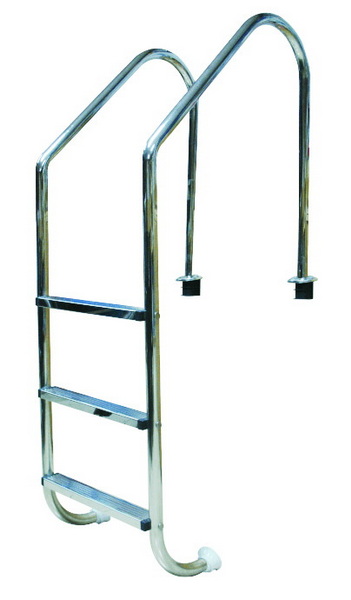
Many pool owners prefer gentle household solutions before turning to stronger chemicals. The table below shows common options and best uses.[3][8]
| Method | Best For | Notes |
|---|---|---|
| Baking soda paste | Light rust, routine cleaning | Mild abrasive; safe on most finishes when used gently.mavaquadoc+2 |
| White vinegar (diluted) | Mineral scale, light rust | Rinse and neutralize with baking soda solution afterward.paragonpoolsjax+1 |
| Lemon juice + baking soda paste | Eco‑friendly spot treatment | Citric acid dissolves rust without harsh fumes.floridadetail+1 |
| Non‑acidic rust remover | Heavier stainless steel rust | Designed to protect pool‑grade stainless; follow label exactly.floridadetail+1 |
| Acid‑based stain remover | Severe stains on surfaces (careful) | Use only if product is rated safe for ladders; avoid strong HCl.floridadetail+1 |
Whichever method is chosen, always prioritize products labeled as compatible with stainless steel and pool environments.[2][1]
Prevention is often easier and cheaper than repeated rust removal. With a few habits, your ladder will stay safer and look newer for longer.[3][1]
Key preventive steps:
- Rinse stainless ladders and rails with fresh water regularly, especially after heavy pool use or storms.[1][6]
- Wipe down ladders weekly with mild soap and water, then dry with a soft cloth.[6][1]
- Keep pH, alkalinity, and calcium hardness within recommended ranges to avoid aggressive or scaling water.[3][1]
- Use a pool‑safe metal protector or sequestering agent if your water has high iron or other metals.[8][1]
- Inspect anchor sockets, bolts, and welds a few times per season for early signs of corrosion.[1][6]
If you run a saltwater pool, be especially vigilant, because salt and improperly grounded equipment can accelerate corrosion on metal components.[5][2]
Removing rust from a pool ladder is usually a manageable DIY task if you catch it early, use gentle cleaners, and scrub with non‑abrasive tools. For heavier corrosion, pool‑safe rust removers and careful inspection help you decide whether to restore the ladder or replace it entirely for safety. Long term, balanced water chemistry, regular rinsing, and simple protective treatments dramatically reduce rust, extend ladder life, and keep the pool area looking professional and inviting.[9][7][6][1]
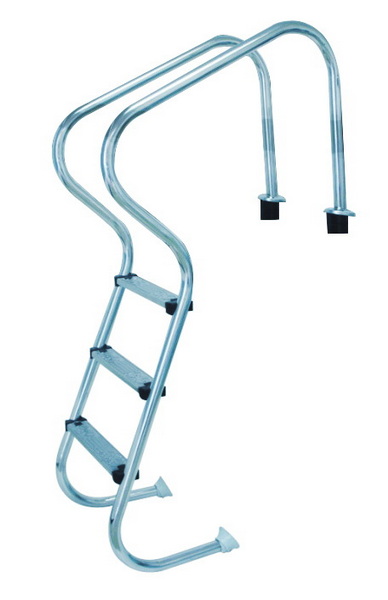
Light surface rust or small stains are mostly cosmetic, but deeper rust, pitting, or loose rails can weaken the ladder and become a safety hazard. If the ladder feels unstable or shows extensive corrosion, replace it rather than just cleaning it.[7][1]
Small spots above the waterline can sometimes be spot‑treated in place using baking soda paste or a pool‑safe cleaner applied with a cloth. However, for thorough cleaning and to protect your water chemistry, removing the ladder is strongly recommended.[8][9][1]
If rust from the ladder has stained the pool surface, you may also need a stain remover or natural treatments like ascorbic or citric acid on the wall itself. Preventing further rust on the ladder and maintaining proper water balance helps stop new stains from forming.[3][8][1]
Use non‑acidic rust removers or products specifically labeled as safe for pool‑grade stainless steel, and avoid strong hydrochloric acid on ladders. Always follow label directions and rinse and neutralize thoroughly before reinstalling the ladder.[11][9][2]
A weekly wipe‑down with mild soap and water plus a seasonal or twice‑per‑season deep clean is a good schedule for most pools. In saltwater or heavily used pools, more frequent rinsing and inspections are wise to catch early signs of corrosion.[5][6][1]
If the ladder has cracks, heavy pitting, loose steps, or recurring rust that returns quickly after treatment, replacement is the safer choice. Modern, high‑quality ladders made from better stainless alloys or with improved coatings can significantly reduce future rust issues when paired with good water balance.[7][6][1]
[1](https://www.mavaquadoc.com/blogs/pool-maintenance-blog/what-is-the-best-way-to-clean-pool-ladders)
[2](https://floridadetail.com/pool-ladder-rust-fixes-for-saltwater-pools/)
[3](https://www.paradisepoolsms.com/your-guide-to-diagnosing-swimming-pool-stains/)
[4](https://www.youtube.com/watch?v=W3HkAdWW7Oc)
[5](https://www.reddit.com/r/pools/comments/1pkbroo/rust_blooms_on_my_ladder_after_converting_to_salt/)
[6](https://www.srsmith.com/en-us/blog/archive/how-to-clean-your-pool-ladders-rails/)
[7](https://forums.sailboatowners.com/threads/rust-remove-from-swim-ladder.1249927180/)
[8](https://paragonpoolsjax.com/removing-rust-stains-in-pools-effective-solutions/)
[9](https://www.poolkingfilter.com/how-to-clean-a-rusty-pool-ladder.html)
[10](https://www.reddit.com/r/swimmingpools/comments/f8rhkb/i_want_to_clean_the_rust_off_the_aluminum_pool/)
[11](https://www.reddit.com/r/metalworking/comments/1htkpbm/tried_soaking_in_vinegar_to_remove_a_few_rust/)
[12](https://www.reddit.com/r/pools/comments/1fmwm9l/how_to_repair_a_rusted_intex_pool_ladder/)
[13](https://www.facebook.com/groups/637529959937311/posts/2640659019624385/)
[14](https://www.youtube.com/watch?v=Np3tLAmlKw0)
[15](https://www.facebook.com/groups/949201185854730/posts/1859552948152878/)


