
Views: 222 Author: Tina Publish Time: 2025-10-15 Origin: Site


Content Menu
● What is a Pool Pump Capacitor?
● Types of Capacitors for Pool Pumps
● Signs That Your Pool Pump Capacitor Needs Replacement
● How a Capacitor Affects Overall Pool System Performance
● Why OEM and High-Quality Capacitors Matter for International Projects
● Where to Buy Capacitors for Pool Pumps
● How to Choose the Right Capacitor for Your Pool Pump
● Reading Capacitor Labels and Documentation
● Installation Tips and Safety
● Troubleshooting Scenarios and Remedies
● Quality Assurance for OEM Partnerships
● Case Study: OEM Collaboration for International Brands
● How to Source for OEM-Proven Capacitors
● Integration with Other Pool Filtration Components
● Sustainability and Lifecycle Considerations
● Practical Tips for International Buyers
● FAQs
>> 1. How do I know if my pool pump capacitor is bad?
>> 2. Can I use any capacitor for my pool pump?
>> 3. How often should I replace my pool pump capacitor?
>> 4. Where can I find OEM capacitors?
>> 5. Is it safe to replace the capacitor myself?
Owning a pool means maintaining various components to ensure clean and clear water. One key part is the pool pump capacitor, which helps start and run the pump efficiently. Knowing where to buy a reliable capacitor is crucial for smooth pool operation. This article expands on sourcing strategies, technical considerations, and practical guidance tailored for OEM manufacturers and international buyers.
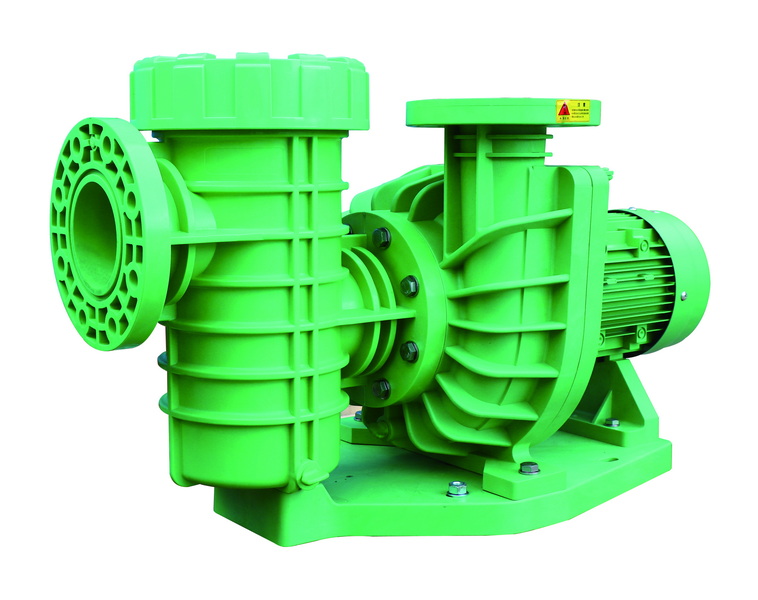
A pool pump capacitor is an electrical device that stores energy and supplies a necessary boost to start the motor. It is essential for pools equipped with single-phase motors, effectively reducing the load during startup, increasing efficiency, and protecting the pump from damage.
There are mainly two types:
1. Start Capacitors
- Provide an extra boost to get the motor running.
- Operate only during startup.
2. Run Capacitors
- Help the motor run efficiently once started.
- Operate continuously while the pump runs.
- Pump humming but not starting.
- Motor overheating.
- Reduced pump performance.
- Visible bulging on the capacitor housing or leakage on the terminals.
- Odd or intermittent motor behavior.
The capacitor influences motor torque, energy consumption, and electrical noise. A healthy capacitor ensures smooth acceleration, steady flow, and consistent filtration performance. Inadequate capacitance can lead to motor stalling, higher amperage draw, and potential damage to the motor windings over time.
For international projects, consistency in performance and compatibility is critical. OEM capacitors from reputable manufacturers provide:
- Tight tolerances on capacitance values and voltage ratings.
- Verified compatibility with multiple motor brands and seal materials.
- Documentation like voltage surge tests, thermal cycling data, and RoHS/compliance certificates.
- Predictable lead times, warranties, and post-sales support.
Reliable sourcing is essential to minimize downtime and warranty issues. Here are reputable sources with consideration for OEM integration:
Specialized Pool Equipment Suppliers
- Stock a broad range of capacitors designed for pool pumps, often labeled for specific motor models.
- Offer OEM parts that match original manufacturer specifications, reducing fitment risk.
Online Marketplaces
- Provide vast product catalogs, including cross-brand equivalents.
- Verify seller credibility, read technical reviews, and cross-check datasheets before purchase.
Electrical Supply Stores
- Carry capacitors suitable for pool pump applications and industrial environments.
- Helpful for bulk purchases or immediate needs with local pickup options.
Manufacturers and OEM Providers
- Direct partnerships enable customization (e.g., tolerance adjustments, form factor, lead wire lengths).
- Benefit from dedicated technical support, batch testing, and aligned warranties.
Local Pool Maintenance and Service Companies
- Can source compatible capacitors and provide installation services, often with quick-turnaround options.
Distributor Networks in Target Markets
- For international buyers, selecting regional distributors reduces shipping times and simplifies import compliance.
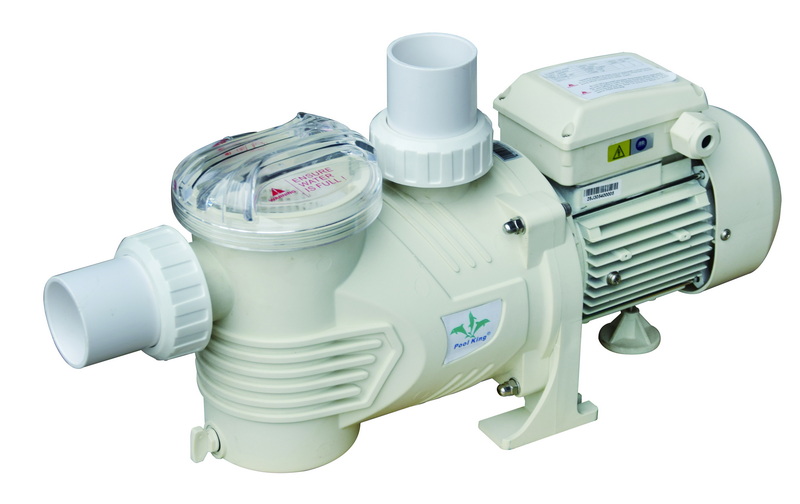
- Match Specifications: Capacity (microfarads), voltage rating, and physical size should match the original part.
- Brand Compatibility: Ensure compatibility with the motor brand and model.
- Quality Assurance: Look for capacitors with robust materials, long-life reliability data, and certifications (e.g., RoHS, UL).
- Environmental Suitability: Consider heat tolerance and enclosure rating suitable for poolside conditions.
- Capacity in microfarads (µF)
- Voltage rating (V, e.g., 250V, 450V)
- Temperature rating and ambient conditions
- Case size and mounting type
- Lead wire length and connector type
- Safety certifications and compliance documents
- Always disconnect power before replacing capacitors.
- Discharge capacitors to avoid shocks.
- Verify motor rotation direction after installation; reverse wiring if needed.
- Use proper insulation and weatherproofing for outdoor installations.
- If unsure about installation, consult a qualified electrician or motor technician.
- Scenario: Motor hums but does not start.
- Potential cause: Faulty run capacitor or start capacitor failure.
- Remedy: Test capacitance with a multimeter, replace if out of tolerance.
- Scenario: Pump runs but with reduced flow.
- Potential cause: Capacitor losses causing reduced starting torque.
- Remedy: Inspect both capacitance and motor windings; replace defective capacitor.
- Scenario: Intermittent operation.
- Potential cause: Loose connections or damaged leads.
- Remedy: Inspect wiring harness, secure connections, and replace damaged insulation.
- Batch testing: Capacitance, dissipation factor, insulation resistance.
- Temperature cycling: Ensure performance under typical pool environment heat and cold.
- Compliance documentation: Certificates for RoHS, REACH, UL, or local regulatory requirements.
- Traceability: Batch codes, supplier audits, and material certificates.
A European pool equipment brand required a supplier capable of delivering run and start capacitors with precise tolerances and customized lead lengths for a new pool pump line. The supplier established a dedicated QA protocol, conducted thermal cycling tests, and provided a complete bill of materials, certificates, and testing reports. The collaboration reduced production delays by 28% and improved warranty performance by aligning parts with the brand's motor lineup.
- Define your motor compatibility matrix, listing motor brands, models, and capacitor specs.
- Request factory test reports and batch data, including capacitance, voltage, and temperature ratings.
- Seek suppliers offering customization options, such as wire gauge and connector types.
- Evaluate after-sales support, warranty terms, and availability of replacement parts.
Capacitors interact with the overall electrical system of the pool pump. Coordinating procurement with motors, controllers, and wiring harnesses ensures compatibility, reduces mismatch risk, and streamlines installation in both new builds and retrofit projects.
- Choose capacitors with durable, recyclable materials and minimal hazardous substances.
- Opt for suppliers with clear end-of-life programs and compliance with environmental regulations.
- Consider energy efficiency impacts of upgraded capacitors on pump performance and electricity consumption.
- Verify compliance with local electrical standards and import regulations before procurement.
- Request samples and technical datasheets to verify fitment in your target pumps.
- Consider logistics: packaging durability for shipping, lead times, and regional warehousing options.
- Negotiate volume-based discounts and warranty terms to align with your procurement strategy.
Purchasing the right capacitor for pool pumps is essential for reliable operation, energy efficiency, and long-term motor health. By understanding capacitor types, recognizing failure symptoms, and selecting reputable OEM suppliers, international buyers and manufacturing partners can secure high-quality parts that fit precisely and perform consistently. A strategic approach to supplier qualification, documentation, and after-sales support enables smooth integration into global product lines and reduces downtime in customer installations.
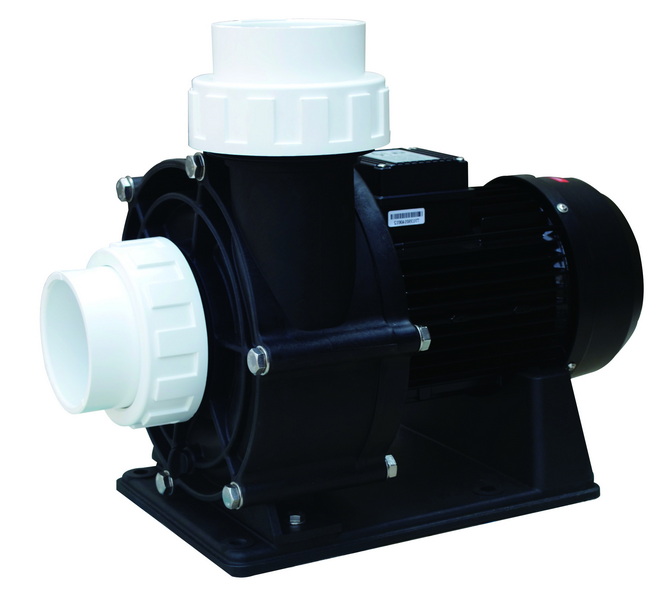
Look for symptoms like the pump humming without starting, overheating, or reduced flow. Testing with a multimeter and capacitance meter confirms.
No. The capacitor must match the motor's specifications—capacitance, voltage rating, and physical size—to ensure safe and reliable operation.
Capacitors typically last several years, but replace them if you notice performance issues or if testing shows out-of-tolerance values.
OEM capacitors can be sourced directly from manufacturers specializing in pool equipment or authorized distributors with OEM programs.
Only if you have electrical safety training and follow proper procedures. If in doubt, hire a qualified technician.


