
Views: 222 Author: Tina Publish Time: 2025-11-25 Origin: Site


Content Menu
● How Often to Change Pool Filter Sand
● Key Signs the Sand Needs Changing
● Why Pool Filter Sand Wears Out
● How to Confirm Your Sand Really Needs Replacement
● Step‑by‑Step: How to Change Sand in a Pool Filter
>> Draining and Opening the Filter
>> Inspecting Laterals and Internal Parts
● How Proper Sand Changes Support Pumps, Lights, and Accessories
● OEM and Professional Support for Pool Filtration Systems
● FAQs
>> 1. How often should I change sand in my pool filter?
>> 2. What are the main signs that my pool filter sand is worn out?
>> 3. Can I just clean the sand instead of replacing it?
>> 4. Is changing pool filter sand a DIY job or should I call a professional?
>> 5. What type of sand should I use when changing my pool filter?
Knowing when to change sand in a pool filter is critical for keeping water crystal clear, protecting pool equipment, and avoiding unnecessary chemical costs. For residential pools, the sand in a pool filter typically needs replacement every 3–5 years, but usage, water quality, and maintenance practices can shorten or extend this interval.[1][2][3]
To help international pool owners, brands, wholesalers, and OEM partners, this guide explains exactly when to change sand in a pool filter, what warning signs to look for, and how to replace it safely and efficiently.[2][4]
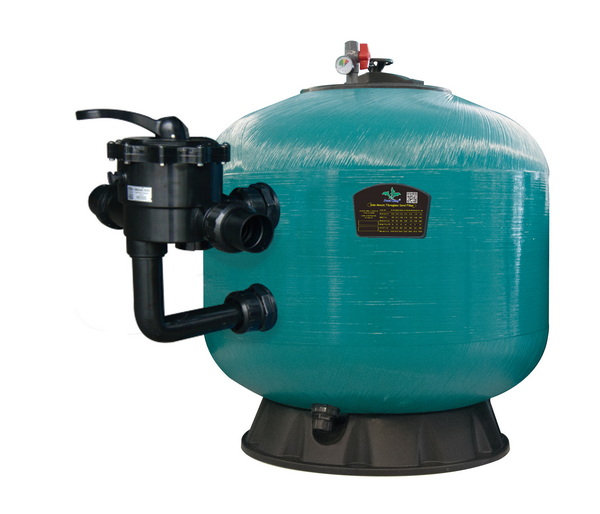
For most home pools, manufacturers and service professionals recommend changing pool filter sand roughly every 3–5 years under normal operating conditions. Some high‑quality systems with excellent maintenance can extend the interval toward 6–7 years, while very heavy use or poor water conditions may require more frequent changes.[3][4][1][2]
Commercial pools that run long hours with high bather loads often change filter sand anywhere from annually to every few years, depending on water clarity and pressure readings. In contrast, lightly used residential pools with regular backwashing and chemical balance may operate effectively for longer periods before a sand change is needed.[5][6][7][2]
Suggested baseline schedule:
- Private residential pools: change sand every 3–5 years, adjusted by water clarity and pressure behavior.[1][3]
- Heavy‑use or rental pools: consider 2–3 year intervals due to higher contaminant load.[8][4]
- Year‑round versus seasonal pools: year‑round systems generally need media changes sooner than seasonal pools with full winter shutdowns.[9][4]
Even if the calendar interval has not yet passed, the pool filter will start to “tell” you when the sand has reached the end of its effective life. Pay attention to how the water looks, how the pressure gauge behaves, and how quickly the pool responds to standard cleaning and chemical treatment.[10][11][2][3]
Typical warning signs include:
- Persistent cloudy or murky water even after correct chlorination, pH balancing, brushing, and normal backwashing.[8][10]
- Frequent backwashing with only short‑term improvement, meaning the sand no longer sheds trapped debris efficiently.[11][7]
- Abnormally high or quickly rising filter pressure (for example, 8–10 psi above your normal operating level) that returns soon after backwashing.[7][8]
- Channeling or clumping of the sand bed—visible ridges, gaps, or hard lumps in the filter that allow water to bypass the media instead of flowing through it.[3][8]
- Sand at the bottom of the pool or returning to the basin through jets, often indicating worn sand and/or damaged laterals inside the filter.[2][1]
- Increasing algae problems despite adequate sanitizer levels, suggesting the filter is no longer removing fine organic particles effectively.[10][2]
Pool filter sand is specially graded silica designed with sharp microscopic edges that trap fine debris as water passes through the bed. Over time, water flow, backwashing, and physical abrasion gradually smooth these sharp edges, making the grains more rounded and less effective at grabbing particles.[4][5][11][7]
As the sand surface becomes polished and coated with oils, biofilm, scale, and fine particles, the filter begins to lose both capacity and efficiency. The result is longer filtration cycles, higher energy consumption, and a greater need for chemicals to maintain clarity—costs that are often higher than the price of a timely sand change.[11][7][2]
Factors that accelerate wear:
- Heavy bather load, including body oils, sunscreen, and cosmetics.[7][4]
- Poor pre‑filtration, such as no skimmer socks or leaf baskets left full of debris.[4][7]
- Very hard or contaminated source water containing scale‑forming minerals or metals.[2][3]
- Infrequent backwashing and lack of periodic sand cleaning with specialized products.[7][2]
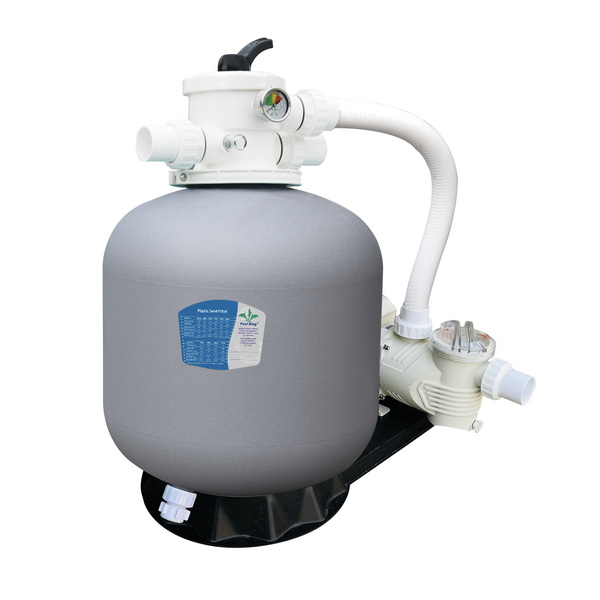
Because backwashing and chemical issues can also cause cloudy water or pressure spikes, confirm the sand condition before planning a full replacement. A few simple checks help distinguish between a filter that only needs cleaning and one that needs new media.[8][11][2][7]
1. Check and record normal operating pressure.
Identify the “clean filter” pressure (for example, right after a full backwash and rinse) and write it on the tank or in your maintenance log.[11][7]
2. Observe pressure after backwashing.
If pressure jumps 8–10 psi above normal quickly after a proper backwash and rinse, and this keeps happening, the media may be saturated or degraded.[8][7]
3. Inspect the sand inside the tank.
With power off and valves closed, open the filter and examine the sand surface; hard lumps, sticky clusters, or clear tunnels are classic indicators of aging or contaminated sand.[3][2]
4. Evaluate water clarity and recovery time.
If normal brushing and chemical balancing no longer produce clear water within 24–48 hours, filtration capacity is probably compromised.[10][11]
5. Look for sand in the pool or return lines.
Visible grains around returns or on the floor may result from worn sand or cracked laterals that often accompany end‑of‑life sand conditions.[1][2]
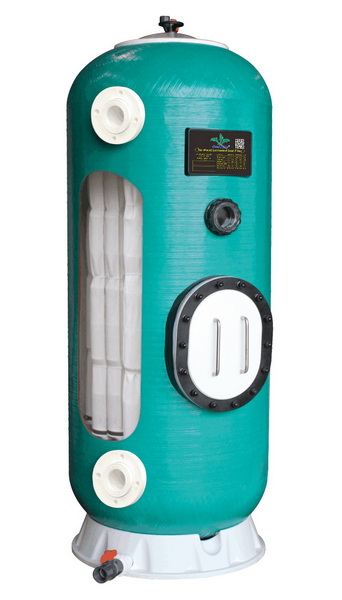
Changing sand in a pool filter is a straightforward process, but it requires care to avoid damaging internal components and to protect users from old, contaminated media. Always follow the specific instructions from your filter manufacturer and local safety regulations.[13][12][9]
- Turn off the pump and all relevant electrical circuits at the breaker to ensure a safe working environment.[12][13]
- Close valves or disconnect hoses to isolate the filter and prevent water loss from the pool.[13][12]
- Wear gloves, eye protection, and, if needed, a dust mask when handling old filter sand, as it may contain bacteria and fine particles.[13][11]
- Remove the drain plug at the bottom of the filter tank and allow all internal water to drain completely.[12][13]
- Loosen the clamp or fasteners around the multiport valve or filter lid, then gently lift or twist off the top assembly, taking care not to crack the standpipe.[12][13]
- Once the interior is exposed, remove the old sand using an industrial vacuum or by hand with a scoop or small container.[15][13]
- Work carefully near the laterals at the bottom of the tank, as these plastic arms can break if struck or levered by tools.[12][13]
- After most of the sand is removed, carefully withdraw the lateral assembly and standpipe, rotating laterals upward as needed per the manufacturer's design.[15][12]
- Inspect each lateral for cracks or clogs; replace damaged pieces and soak clogged components in a cleaning solution before rinsing and reinstalling.[11][12]
A clear diagram of a lateral assembly and standpipe, with close‑up shots of cracked versus good laterals, is particularly useful here (Image).[12]
- Reseat the lateral assembly and tape or cap the top of the standpipe so no sand falls inside.[13][12]
- Partially fill the tank with water to cushion the impact of sand and protect the laterals, then slowly pour the recommended grade and quantity of filter sand, distributing it evenly.[2][12]
- Reinstall the multiport valve or filter lid, tighten clamps, and reconnect all plumbing and unions according to the manufacturer's torque and seal recommendations.[13][12]
- With valves set to “Backwash,” start the pump and run for several minutes to flush fine dust, then switch to “Rinse” briefly before returning to the normal “Filter” mode.[2][12]
A clean, efficient sand filter protects the entire circulation system, including pumps, heaters, LED pool lights, and water features. When sand is clogged or channeling, pumps run under excess load and longer hours, which shortens motor life and increases energy bills.[7][11][2]
For brand owners and wholesalers working with OEM factories, specifying high‑performance sand filter tanks and matching pumps ensures stable flow rates, low noise, and reliable filtration across a wide range of pool sizes and climates. Integrating modern LED pool lighting and smart control systems with properly sized filters and pumps allows end users to enjoy clear, illuminated water with minimal maintenance.[4][7]
International brands, wholesalers, and pool equipment manufacturers often prefer to partner with specialized OEM factories for sand filters, pumps, LED lights, and accessories to ensure consistent performance and private‑label flexibility. By combining advanced molding, smart production equipment, and strict quality control, a professional factory can supply sand filter housings, internal components, and complete filtration packages that match different regional standards and installation styles.[4][7][2]
Technical support from such partners typically includes assistance with sizing filters to pool volume, advising on recommended sand change intervals for different markets, and providing manuals, videos, and training materials for installers and service teams. This holistic support helps end users understand when to change sand in a pool filter and how to maintain the entire system for long‑term reliability.[11][7][4][2]
Changing sand in a pool filter at the right time is one of the most important steps in maintaining clear, healthy pool water and protecting all related equipment. Residential pool owners should treat 3–5 years as a reference interval while watching for signs such as cloudy water, abnormal pressure, frequent backwashing, and visible sand issues inside the tank or in the pool.[1][3]
When clear warning signs appear, a full sand replacement—performed with proper draining, sand removal, lateral inspection, and controlled refilling with fresh media—restores filtration efficiency, reduces chemical and energy consumption, and extends pump and accessory life. For global brands, wholesalers, and manufacturers, working with a professional OEM factory for sand filters, pumps, LED lights, and accessories ensures that end users receive durable products plus the knowledge they need to know exactly when to change sand in a pool filter.[7][2][12]
Most residential pools need a complete sand change every 3–5 years, depending on pool usage, water quality, and how well the system is maintained. Very heavy‑use or commercial pools may require more frequent changes, while well‑maintained, lightly used systems can sometimes run longer before sand replacement is necessary.[5][3][1][2]
Persistent cloudy water, frequent backwashing with little improvement, and pressure readings that quickly climb above your normal operating level are key warning signs. You may also see channeling or clumps inside the sand bed, more frequent algae, or even sand returning into the pool from the return jets.[8][11][2]
Regular backwashing and occasional sand cleaning with specialized products can extend the service life of filter sand and delay full replacement. However, once the sand grains become rounded, coated, or heavily compacted, cleaning alone cannot restore their original performance, and a complete media change is necessary.[4][11][7][2]
Experienced pool owners can often change sand themselves by following manufacturer instructions, observing safety precautions, and working carefully around the filter internals. For large filters, complex piping, or commercial installations, hiring a qualified professional or service company is recommended to avoid damage and ensure optimal startup.[6][12][13]
Always use high‑quality, pool‑grade filter sand with the grain size and specifications recommended by your filter manufacturer. Avoid play sand or construction sand, as incorrect media can cause poor filtration, clogging, or damage to the internal components of the filter.[9][11][7]
[1](https://www.memphispool.com/help-advice/changing-your-filter-sand/)
[2](https://www.groupebellemare.com/en/blog/change-pool-filtration-sand/)
[3](https://boutique.piscinehippocampe.ca/en/blogs/guide-piscine/changer-sable-filtreur-piscine-guide)
[4](https://splashfiberglasspoolcompany.com/a-guide-to-know-how-often-to-change-sand-in-pool-filter/)
[5](https://www.reddit.com/r/swimmingpools/comments/o83dv5/when_do_i_change_sand_in_filter/)
[6](https://blog.orendatech.com/refurbishing-sand-filter-vs-sand-change)
[7](https://poolie.com/blog/maintenance/pool-sand-filter/)
[8](https://poolsoffun.com/4-signs-its-time-to-change-your-filter-sand/)
[9](https://hthpools.com/products/hth-pool-care-pool-filter-sand)
[10](https://waterworx-pools.com/signs-its-time-to-change-the-sand-in-your-pool-filter/)
[11](https://poolpurefilter.com/blog/if-my-pool-filter-needs-changing/)
[12](https://www.swimmingpool.com/maintenance/pump&filter/changing-sand-in-your-pool-filter/)
[13](https://www.thepoolfactory.com/blogs/pool-care/how-to-change-the-sand-in-a-pool-filter)
[14](https://www.youtube.com/watch?v=v9ghBgNkv-4)
[15](https://www.reddit.com/r/swimmingpools/comments/c5fyrs/how_to_change_sand_in_this_sand_filter/)
[16](https://www.youtube.com/watch?v=ZNH9JLufzUM)
[17](https://www.youtube.com/watch?v=MnMP2Awhwgo)
[18](https://www.facebook.com/groups/637529959937311/posts/2642201206136833/)
[19](https://www.facebook.com/groups/637529959937311/posts/2595870350769919/)
[20](https://www.facebook.com/groups/637529959937311/posts/2621490271541260/)


