


Content Menu
● What Backwashing Actually Does
● Key Signs It Is Time to Backwash
● How Often to Backwash by Filter Type
● Why Pressure Gauge Readings Matter
● Step‑By‑Step: How to Backwash a Sand Filter
● Avoiding Common Backwash Mistakes
● When Cloudy Water Still Won't Clear
● Backwashing and Different Pool Environments
● OEM Sand Filters and Backwash‑Friendly Design
● FAQ
>> 1. How do I know exactly when to backwash my pool filter?
>> 2. Can I backwash my sand filter too often?
>> 3. How long should I run the backwash and rinse cycles?
>> 4. What if my pressure stays high even after backwashing?
>> 5. Do cartridge filters need to be backwashed?
>> 6. Does backwashing affect my pool chemistry?
Backwashing your pool filter is necessary whenever the pressure rises 8–10 psi above the clean starting pressure, or when you see weak return flow and cloudy water even though your chemicals are balanced. For most residential pools this means backwashing a sand filter roughly every 1–4 weeks during the swimming season, depending on bather load, debris and weather conditions.[1][2][3][4]
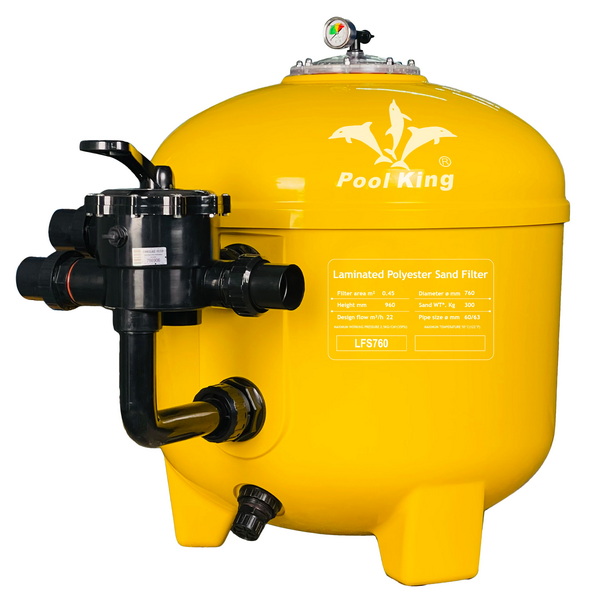
Backwashing is the process of reversing the water flow through your sand or DE filter to flush trapped dirt and debris out to waste. Instead of water going from pump to filter to pool, it temporarily goes from pump to filter in reverse, then directly to the drain so contaminants are removed from the system.[5][4]
In a typical sand filter, water normally flows from top to bottom through the sand bed, but during backwash the multiport or push‑pull valve sends water from the bottom up, expanding and agitating the sand to release dirt. DE filters use a similar concept, but the backwash cycle dislodges dirt from the grids or fingers so the used DE and debris are carried away through the waste line.[3][6]
Several clear signals tell you it is time to backwash your pool filter instead of guessing or following a fixed calendar schedule. Reacting early prevents cloudy water, algae and unnecessary strain on the pump.[7][5]
Main signs include:
- Pressure gauge reading 8–10 psi above normal clean pressure.[8][1]
- Noticeably weaker flow from return jets even after clearing skimmer and pump baskets.[9][3]
- Cloudy, dull or hazy pool water despite correct chlorine and pH levels.[10][9]
- Increased backwashing frequency compared with your usual pattern (filter is clogging faster).[7]
- Pump running louder or hotter, indicating restricted flow through a dirty filter.[10]
There is no single schedule that fits every pool, but industry guidelines give a useful starting point for different filter types. You should always compare these with your own pressure readings and water clarity.[2][4]
| Filter type | Typical backwash frequency | Trigger rule of thumb | Notes |
|---|---|---|---|
| Sand filter | Every 1–2 weeks in season for average residential pools | Pressure 8–10 psi above clean, or weak return flow | Heavy debris, storms, or algae may require more frequent backwashing.eco-outdoor+1 |
| DE filter | Every 4–6 weeks, or when pressure is 8–10 psi above clean | Always recharge with fresh DE after each backwash | Many DE owners backwash less often but perform full tear‑down cleanings annually.royalswimmingpools+1 |
| Cartridge filter | No backwash; remove and hose off every 4–6 weeks | Replace cartridge when pressure no longer drops after cleaning | Cartridges are cleaned, not backwashed, to avoid wasting water.royalswimmingpools+1 |
For sand filters, several professional guides recommend backwashing about once a fortnight under normal use, more often right after vacuuming or heavy bather loads. Other experts suggest at least once a month if pressure increases slower but you still see fine debris and pollen captured in the sand.[11][2]
The pressure gauge is your most reliable indicator of when to backwash because it reflects how hard the pump must work to push water through a partially blocked filter. As the filter traps more dirt, internal resistance increases and the gauge reading rises above the “clean” baseline.[12][5]
- Immediately after a full clean or new media, note the clean pressure, which for many systems is somewhere between 8–20 psi.[13][5]
- When the gauge climbs about 20–30% above that baseline, typically 6–10 psi higher, most experts agree it is time to backwash.[1][12]
For example, if your filter runs at 12 psi when clean, backwash around 18–20 psi; if it runs at 15 psi clean, backwash near 23–25 psi. Using this method adapts automatically to your specific pump size, plumbing, and filter model.[13][5]
The exact steps vary slightly by brand, but most residential sand filters with a multiport valve follow a similar procedure. Always shut the pump off before changing valve positions to prevent damage.[4][3]
1. Turn off the pump at the breaker or timer so water stops flowing through the system.[3]
2. Attach or aim the backwash hose toward a suitable drain or approved discharge area.[4]
3. Set the multiport valve handle from “Filter” to “Backwash,” fully locking it into position.[3]
4. Turn the pump on and run the backwash cycle for 2–3 minutes, or until water in the sight glass runs clear.[12][3]
5. Turn the pump back off, move the valve to “Rinse,” and run for 1–2 minutes to resettle the sand and flush any remaining dirt to waste.[12]
6. Turn off the pump again, return the valve to “Filter,” then restart normal operation and confirm the pressure has dropped close to the clean baseline.[5]
Backwashing too often or not often enough can both cause water quality and equipment problems. Understanding how your filter media works helps you find the right balance.[3][12]
- Over‑backwashing removes the thin dirt layer that actually helps sand trap finer particles, so some experts warn against weekly backwashing unless pressure really demands it.[14][12]
- Waiting too long leads to restricted flow, cloudy water, higher chemical use, and additional wear on the pump motor due to elevated head pressure.[15][10]
Another mistake is forgetting that backwashing discharges chemically treated pool water; discharging to storm drains or lawns without following local regulations may not be allowed in some areas. After any long backwash cycle, the water level will drop, so you should top up the pool and re‑check sanitizer and pH.[4]
Sometimes water remains cloudy even after a careful backwash, which suggests issues beyond simple dirt loading. In that case, consider the following checks before assuming equipment failure.[10][7]
- Verify the chemistry is correct, especially free chlorine, pH and alkalinity, because poor balance can cause fine particles that do not filter well.[10]
- Inspect the filter internals: for sand systems, look for channeling, clumped or greasy sand, or broken laterals; for DE filters, check grids and manifolds for tears; for cartridges, inspect for collapsed pleats or cracks.[7][3]
If pressure remains unusually high even after multiple backwashes, many service guides recommend replacing sand that is older than 5–7 years, or changing cartridges or DE grids that have become worn and less effective. At this point, suggesting a full filter inspection or upgrade can be a good opportunity for owners to consider higher‑efficiency sand filters, variable‑speed pumps, and better‑engineered valves.[12][7]
The ideal backwash frequency also depends on the environment around the pool and how the pool is used. Adapting your maintenance plan to real‑world conditions keeps water cleaner and extends filter life.[16][2]
- High‑debris pools near trees or dusty areas require more frequent vacuuming and, in turn, more regular backwashing.[11][16]
- Heavily used commercial or resort pools with high bather loads often maintain stricter backwash schedules to handle sunscreen, body oils and organic debris.[15][10]
For lightly used, covered residential pools with robotic cleaners, pressure may rise slowly, so monthly or even less frequent backwashing can be sufficient as long as clarity and flow remain strong. Automated backwash valves and controllers, which your factory can integrate into premium sand and DE filter systems, help commercial operators set precise backwash cycles based on time or differential pressure sensors.[2]
For overseas brands, wholesalers and pool equipment manufacturers, backwash convenience is a key selling point when selecting OEM sand or DE filters. Well‑designed filters and multiport valves reduce maintenance time, water waste and customer complaints.
Modern OEM‑ready sand filters often feature:
- Oversized tanks and laterals that maintain good flow even as debris loads increase, delaying the need for backwashing.
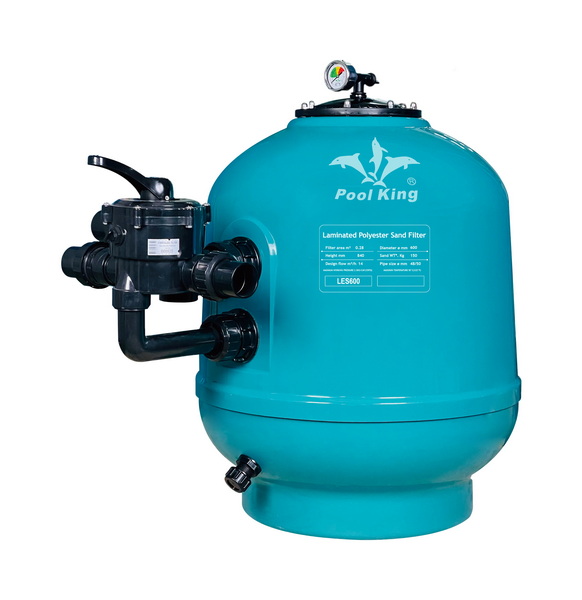
- Smooth‑action, leak‑free multiport valves clearly labeled for Filter, Backwash, Rinse, Waste, Recirculate and Closed modes, making operation simple for end users.
Your Chinese factory's smart‑machinery production of sand, DE and cartridge filters, plus pumps, LED lights and accessories, allows foreign partners to build complete branded systems with clear backwash guidance printed on the tank and valve handle, improving after‑sales satisfaction and reducing service calls.
Knowing when to backwash a pool filter depends on tracking the pressure gauge, watching water clarity and monitoring return flow strength rather than following a rigid calendar rule. For most sand and DE filters, backwashing at 8–10 psi above clean pressure, or roughly every 1–4 weeks in normal residential use, keeps water clear while avoiding unnecessary water and chemical waste.[1][2][3][12]
Correct backwashing technique—shutting off the pump, using Backwash and Rinse cycles for the recommended times, and resetting to Filter—protects both the filter media and the pump. Combined with periodic deep cleaning or media replacement, and with well‑engineered OEM filter systems, this routine ensures long‑term reliability, energy efficiency and excellent swimming comfort for both home and commercial pools.[3][12]
Record the clean pressure right after a full filter clean or new media installation, then backwash whenever the gauge reads about 8–10 psi higher, or roughly 20–30% above that baseline. If you also see weak return jets or cloudy water, treat that as an immediate signal to backwash.[5][1]
Yes, backwashing more than necessary can reduce filtration efficiency because a slightly dirty sand bed actually filters finer particles better, and over‑backwashing wastes water and chemicals. Use the pressure‑rise rule and flow observation to avoid unnecessary cycles.[14][12]
Most guides recommend backwashing a sand filter for about 2–3 minutes until the sight‑glass water runs clear, followed by a 1–2 minute rinse cycle to resettle the sand and prevent dirt from returning to the pool. DE systems may require similar times but must always be recharged with fresh DE afterward.[6][4][12][3]
Persistently high pressure following a thorough backwash may indicate old or clumped sand, damaged laterals, clogged DE grids, or worn cartridges that no longer allow proper flow. In these cases, many professionals recommend replacing sand that is 5–7 years old or changing worn filter elements to restore performance.[7][12]
Cartridge filters are not backwashed; instead, the cartridges are removed and cleaned with a hose or dedicated cleaner every 4–6 weeks, and replaced when pressure fails to drop after cleaning or when the material shows visible damage. This design saves water because it does not require a backwash‑to‑waste cycle.[4][7]
Backwashing sends treated water to waste and lowers the pool water level, slightly diluting residual chemicals and sometimes altering balance. After each long backwash session, top up the pool, re‑test chlorine and pH, and adjust dosing if necessary to keep levels in the recommended ranges.[2][4]
[1](https://www.eco-outdoor.com/en-us/outdoor-design/when-to-backwash-your-pool)
[2](https://www.mavaquadoc.com/blogs/pool-maintenance-blog/how-often-should-you-backwash-your-pool-filter)
[3](https://www.swimuniversity.com/backwash-sand-filter/)
[4](https://blog.royalswimmingpools.com/how-to-backwash-pool-filter-guide)
[5](https://diy.inyopools.com/article/when-to-backwash-a-pool-filter/)
[6](https://hayward.com/knowledge-base/how-do-i-backwash-my-de-filter/)
[7](https://poolpurefilter.com/blog/if-my-pool-filter-needs-changing/)
[8](https://www.poolspanews.com/how-to/ultimate-tech-manual/sand-filter-care-for-pools_o)
[9](https://poolie.com/blog/maintenance/how-to-backwash-pool-filter/)
[10](https://www.aquasquadaz.com/blog/cloudy-pool-water-de-filter-problems/)
[11](https://mrpoolman.com.au/blogs/news/how-to-backwash-a-pool-sand-filter)
[12](https://platinumpoolservice.com/blog/how-often-should-i-backwash-my-pool-filter/)
[13](https://shastapoolsupply.com/blogs/news/how-to-backwash-a-pool)
[14](https://www.youtube.com/watch?v=r8soaqt1Pn0)
[15](https://a1pumps.co.nz/blogs/news/blog-5-signs-pool-filter-failing-new-pump-help)
[16](https://www.reddit.com/r/pools/comments/ty71dn/how_often_backwash_sand_filter/)
[17](https://www.facebook.com/groups/637529959937311/posts/2659712867719000/)
[18](https://www.reddit.com/r/pools/comments/vkrtoy/any_suggestions_for_low_water_pressure_i_backwash/)
[19](https://onesourcepoolsaz.com/pool-filters/signs-your-pool-filter-needs-cleaning-or-replacement/)
[20](https://www.facebook.com/groups/637529959937311/posts/2596246207399000/)


