
Views: 222 Author: Tina Publish Time: 2026-01-01 Origin: Site


Content Menu
● Basic concepts: flow, RPM and turnover
● Typical speeds for different pump types
● How to calculate the right flow and speed
● Recommended RPM ranges for variable speed pumps
● Why “low and long” usually wins
● Matching speed to filter type and equipment
● Example daily pump schedules
● Adjusting speed by season and water conditions
● Benefits for OEM‑grade sand filters and pumps
● Practical step‑by‑step: setting your pump speed
>> 1. Is it better to run my pool pump at night or during the day?
>> 2. Can I run my variable speed pump 24 hours a day?
>> 3. How do I know if my pump speed is too low?
>> 4. Does a higher speed always clean the pool better?
>> 5. What if my filter pressure is too high at normal speed?
>> 6. Do I need a professional to set my pump speeds?
Running a pool pump at the right speed keeps water clear, protects your equipment, and can dramatically cut energy bills. Modern variable speed pumps make it possible to balance water quality with efficiency instead of running at full power all day.[3][4]
In this guide, you will learn how to choose the best speed for your pool pump, how to adjust RPM throughout the day, and what to consider for sand, cartridge, and DE filtration systems. This article is especially useful for pool owners working with OEM‑supplied sand filters, cartridge filters, DE filters, and high‑efficiency pumps from professional manufacturers.
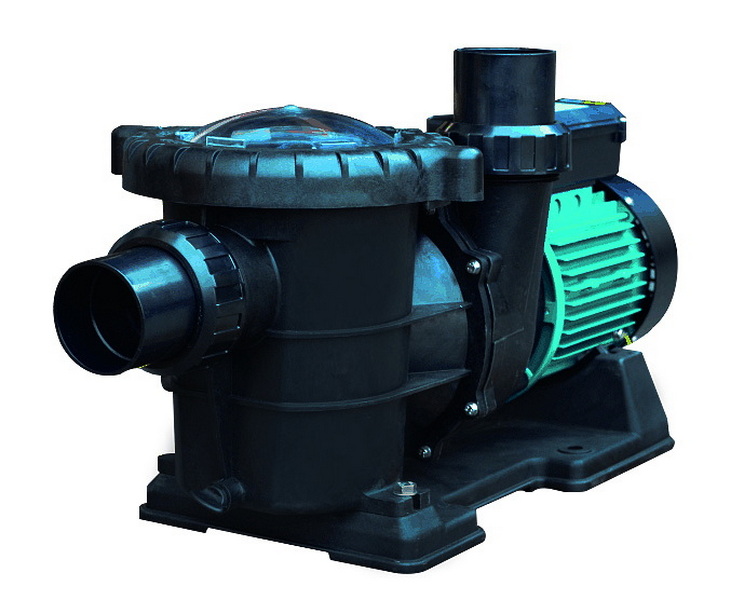
To understand pump speed, start with three key ideas: flow rate, RPM, and turnover. These are what manufacturers use when sizing sand, DE and cartridge filters, and when programming variable speed pumps.[5][6]
- Flow rate is how many gallons per minute (GPM) move through the plumbing and filter. Residential designs often target a flow that turns the entire pool volume over in about 6–10 hours.[5][3]
- Turnover means moving a full pool volume through the filtration system once. Many residential pools are designed around roughly one turnover every 8 hours, or 2 turnovers per day.[6][5]
- RPM is the rotational speed of the pump motor shaft. Lower RPM reduces flow but saves a huge amount of energy because of pump affinity laws, which say power drops much faster than speed.[4][3]
The ideal speed settings depend heavily on whether your pump is single‑speed, two‑speed, or fully variable speed. Single‑speed pumps have no RPM control, while modern variable speed units can be programmed for multiple time blocks and different speeds.[7][3]
- Single‑speed pumps usually run at or near 3,450 RPM whenever they are on. Control is done with run time (hours per day), not speed, and the goal is still at least one full turnover per day.[8][3]
- Two‑speed pumps let you choose a low and a high setting, using high for vacuuming and low for everyday filtration to save energy and reduce noise.[3]
- Variable speed pumps allow fine RPM control, such as 1,500–2,600 RPM, and are now recommended by many energy codes and efficiency programs because they can cut power consumption by more than half at lower speeds.[2][4]
The correct pump speed should deliver enough GPM to achieve your desired turnover without exceeding what your plumbing and filter can handle. Many codes and industry guides suggest not exceeding the flow necessary to turn over the pool in about six hours or a minimum of 36 GPM, whichever is greater.[9][3]
- First, calculate pool volume in gallons. For a rectangular pool with a uniform depth, you can use Length × Width × Depth × 7.5 to estimate gallons.[8]
- Next, choose a turnover time. Many residential pools are designed for one turnover in 8 hours; codes for higher‑use pools may require 6 hours or less.[5][3]
- Then convert to flow rate: Gallons ÷ Hours ÷ 60 = GPM. For example, a 24,000‑gallon pool turned over in 8 hours needs about 50 GPM (24,000 ÷ 8 ÷ 60 ≈ 50).[5]
Most “what speed should I run my pool pump” questions are really about how to program a variable speed model. Many utility and pool efficiency guides recommend using a low speed for most of the day, often between 1,500 and 2,000 RPM for a typical residential pool.[1][2][3]
- A common schedule is to run the pump on a higher speed around the low 2,000s to 3,000 RPM for 1–2 hours for skimming, vacuuming, or operating pressure‑driven cleaners.[10][1]
- After that, dropping down to a mid‑range around 1,500–2,000 RPM for 8 or more hours often provides at least one full turnover at much lower energy use.[2][1]
- Some pool owners successfully run very low (around 1,000–1,500 RPM) for much of a 24‑hour period, provided that skimmer performance and any heater or salt system minimum flows are satisfied.[11][12][3]
The main energy advantage of a variable speed pump comes from running slower for longer. The pump affinity laws show that if you cut the speed in half, you can drop power use to roughly one‑eighth, which is why efficiency programs recommend low‑speed operation.[4][3]
- One efficiency guide explains that the basic principle is “run it slower and run it longer,” because a small reduction in flow causes a dramatically larger reduction in power demand.[3]
- For example, testing with a variable‑speed pump running near 1,700 RPM versus higher speeds has shown power consumption falling by factors of several times while still providing sufficient circulation.[10][4]
- By lowering speed so that your flow just meets skimmer, heater, and chlorinator minimums, you reduce both electrical consumption and mechanical stress on filters, heaters, and plumbing.[2][3]
The right pump speed also depends on how your sand, cartridge, or DE filter is sized and what extra equipment is connected. Filters have maximum design flow rates, and exceeding them at high RPM can reduce performance and damage media.[9][6]
- Sand filters typically support moderate to high flow, but many manufacturers list a recommended GPM range that should not be exceeded to avoid channeling or sand migration.[6][9]
- Cartridge and DE filters often have lower maximum flow ratings, so running a very strong pump at high RPM may require partially closing valves or programming lower speeds for normal filtration.[9][6]
- Heaters, saltwater chlorination cells, and in‑floor cleaning systems each have their own minimum flow requirements, which may dictate a minimum RPM to keep those devices operating.[12][3]
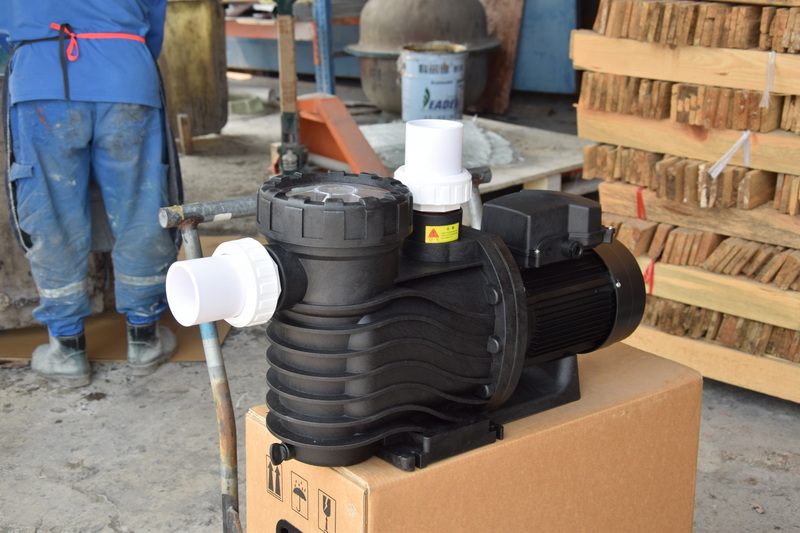
Here is a sample of practical, energy‑aware daily schedules using approximate RPM ranges. These figures assume a correctly sized pump and filter for an average residential pool.[1][8][2]
| Schedule type | Suggested RPM | Duration | Purpose |
|---|---|---|---|
| Morning high‑speed | 2,300–2,800 RPMpoolpartstogoyoutube | 1–2 hours | Strong skimming, vacuuming, cleaner operation |
| Main filtration | 1,500–2,000 RPMpoolpartstogo+1 | 8–12 hours | Primary circulation and filtration |
| Optional very low | 1,000–1,400 RPMreddityoutube | Up to 24 hours | Gentle continuous flow, salt cell support |
| Night quiet mode | 1,200–1,600 RPMefficiencymb+1 | 4–8 hours | Off‑peak energy and mixing, low noise |
- Many owners end up close to 12 hours total run time per day with a mix of low and moderate speeds, and some stretch this to near‑24‑hour low‑speed operation depending on climate and bather load.[13][8][1]
- Charts from several energy and manufacturer resources show typical use cases like 2 hours at higher RPM followed by 20 hours at lower RPM to achieve required turnovers and heating while still saving power.[14][11][3]
Pump speed and run time are not fixed forever. They should be adjusted with seasons, water temperature, and use. Warmer water and heavier swimmer loads usually mean higher RPM or longer run time, while cooler off‑season operation can often use very low speeds.[13][8][3]
- A simple rule of thumb sometimes used for single‑speed pumps is to run the system about 1 hour for every 10 degrees of air temperature, increasing time as temperature and usage rise.[8][13]
- With a variable speed pump, instead of just increasing hours, you can slightly raise RPM during peak summer weeks to boost skimming and filtration capacity.[2][3]
- After storms, heavy rain, or algae treatments, temporarily increase pump speed and daily run time until the water clears and chemical levels stabilize.[3][8]
For pool owners using OEM‑supplied sand filters, cartridge filters, DE filters, and high‑efficiency pumps from professional factories, proper speed programming can highlight the strengths of this equipment. High‑quality filters and smart variable speed pumps are designed to work together at optimized flows.[6][9][3]
- Running at lower, controlled speeds helps premium sand and DE filters capture fine sediments more effectively by slowing the water through the media bed or grids.[9][6]
- Smart pumps with programmable speeds and timers can be matched to the exact design flow of OEM filtration systems, LED‑lit water features, and related accessories, improving reliability and lifespan.[4][3]
- OEM partners often provide recommended RPM ranges or GPM targets for specific filter and pump combinations, which installers can program directly into modern variable speed controllers.[7][6]
Putting everything together, here is a simple process any pool owner can follow when deciding what speed to run their pump. The goal is clear water with the minimum practical speed and energy use.[8][5][3]
1. Measure or estimate pool volume in gallons using standard volume formulas or online calculators for your pool shape.[15][8]
2. Choose a turnover goal, typically one full turnover in 8–10 hours for most residential pools, or two turnovers per day for higher bather load.[6][5]
3. Convert volume and hours to GPM and compare with the maximum and minimum flow ratings on your filter, heater, and chlorinator labels.[5][9][3]
4. Start your variable speed pump at a medium RPM (around 2,000–2,400) and verify that skimmers, returns, and any heater or salt system operate correctly.[1][2]
5. Gradually reduce RPM until you get to the lowest speed that still maintains skimmer pull, stable heater operation if used, and good water clarity over several days.[12][3]
6. Program a schedule that includes a short higher‑speed window for surface cleaning and any vacuuming, and a longer low‑speed window for everyday filtration.[10][1]
For most residential pools, the best answer to “what speed should I run my pool pump?” is “as low as you can while still keeping the water clear and your equipment happy.” Variable speed pumps paired with correctly sized sand, cartridge, or DE filters allow owners to run at roughly 1,500–2,000 RPM for most of the day, with only short periods at higher speed for skimming, vacuuming, and backwashing. By basing your speed choice on pool volume, required turnover, and equipment flow ratings, you can maintain crystal‑clear water, extend equipment life, and significantly reduce energy consumption.[12][4][1][9][2][3][5]
Many guides suggest that you can choose day or night based on electricity pricing and local conditions as long as you achieve the needed daily turnover. Running mainly at night can take advantage of off‑peak rates, while some owners prefer daytime operation to improve skimming while the pool is in use. If you use a salt system or UV/ozone sanitation, follow the manufacturer's recommendations for minimum run times to ensure sanitization targets are met.[12][3][8]
Running a variable speed pump 24/7 at very low RPM is common and can be efficient if the speed is low enough and power cost is reasonable. Many real‑world schedules use something like 2–4 hours at a higher RPM and the rest of the day at a low setting that meets minimum skimmer and chlorinator flow.[11][12][3]
If speed is too low, you may see weak skimmer action, poor surface cleaning, or cloudy water over several days even with correct chemistry. Heaters and salt cells often have flow switches that will stop them and display warnings when flow drops below their specified minimum. If you notice these symptoms, slightly increase RPM until circulation and clarity improve.[12][9][3]
Higher speed increases immediate suction and skimming, which can help with heavy debris or vacuuming, but it is not always better for filtration over a full day. Excessive flow can actually reduce filter efficiency or exceed rated maximums, and it definitely increases power consumption compared with slower, longer circulation. Balancing a short high‑speed window with many hours of low‑speed run time usually gives better overall results.[4][9][6]
If filter pressure is consistently high at your typical RPM, first ensure the filter is clean and that valves and returns are open as designed. Manufacturers and pool guides recommend backwashing sand and DE filters or cleaning cartridges when pressure rises about 8–10 psi above the clean baseline. If pressure remains high after cleaning, you may need to reduce RPM, inspect for plumbing restrictions, or consult a professional to verify the pump and filter are correctly matched.[9][6][3]
Most variable speed pumps are designed so owners can set a basic schedule and speeds themselves using on‑screen menus, and many online tools explain how to calculate turnover and flow. However, for complex systems with spas, water features, heaters, and automation, many manufacturers and energy programs recommend professional commissioning to protect warranties and ensure correct flow distribution.[15][7][1][2][3][9]
[1](https://poolpartstogo.com/blogs/articles/ideal-schedule-for-your-variable-speed-pool-pump)
[2](https://efficiencymb.ca/articles/programming-your-variable-speed-pool-pump/)
[3](https://basc.pnnl.gov/resource-guides/variable-speed-pool-pumps)
[4](https://clearcomfort.com/variable-speed-pool-pumps-guide/)
[5](https://blog.royalswimmingpools.com/blog/what-horse-power-pump-should-i-get-for-my-pool)
[6](https://www.aquagem.com/news/pool-pump-sizing-guide-for-your-swimming-pool)
[7](https://www.pentair.com/en-us/education-support/water-education-center/pool-and-spa-education/pool-pump-information-guide.html)
[8](https://lesliespool.com/blog/how-to-calculate-pool-pump-run-time.html)
[9](https://energycodeace.com/site/custom/public/reference-ace-2019/Documents/510swimmingpoolandspaheating.htm)
[10](https://www.youtube.com/watch?v=5SbEB44THW4)
[11](https://www.reddit.com/r/pools/comments/1edftsx/speed_options_for_variable_speed_pump/)
[12](https://www.youtube.com/watch?v=i44bmptMGgU)
[13](https://www.doheny.com/help/calculate-pool-pump-run-time)
[14](https://acim.nidec.com/-/media/USMotors/Documents/Literature/Brochures/Upgrade-to-VS-Efficiency-Pool-Pump-Motors-Ebook.pdf)
[15](https://www.blue-white.com/resources/calculators/pool-flow-rate-calculator/)
[16](https://www.facebook.com/groups/273395260599363/posts/1403234777615400/)
[17](https://www.youtube.com/watch?v=u4ExnupI26o)
[18](https://www.energystar.gov/sites/default/files/ENERGY%20STAR%20Final%20Version%202.0%20Pool%20Pumps%20Specification.pdf)
[19](https://www.inyopools.com/HowToPage/how_to_size_a_pool_pump_for_your_in_ground_pool_.aspx?CommentPage=1)
[20](https://lesliespool.com/blog/pool-pump-sizing-101.html)


