
Views: 222 Author: Tina Publish Time: 2026-01-01 Origin: Site


Content Menu
● Why You Need to Drain a Hayward Pool Pump
● Tools and Materials You May Need
● Step‑by‑Step: How to Drain a Hayward Pool Pump
>> 1. Shut the System Down Correctly
>> 3. Lower Water Level or Close Valves
>> 4. Remove the Pump Lid and Basket (Optional but Helpful)
>> 5. Locate the Hayward Pump Drain Plug(s)
>> 6. Loosen and Remove the Drain Plug(s)
>> 7. Let the Pump Fully Drain and Dry
>> 8. Reinstall Drain Plugs When Ready
● How to Drain a Hayward Pump for Freeze Protection
● Using the Filter System to Drain Pool Water (Waste Setting)
● OEM Pump and Filter Solutions for Pool Brands
● FAQs About Draining a Hayward Pool Pump
>> 1. How often should I drain my Hayward pool pump?
>> 2. Can I run my Hayward pump without the drain plugs installed?
>> 3. Do all Hayward pumps have two drain plugs?
>> 4. Is it necessary to lower the pool water level before draining the pump?
>> 5. Can I use my Hayward system to drain down the pool water level?
>> 6. What happens if I forget to drain the pump before a freeze?
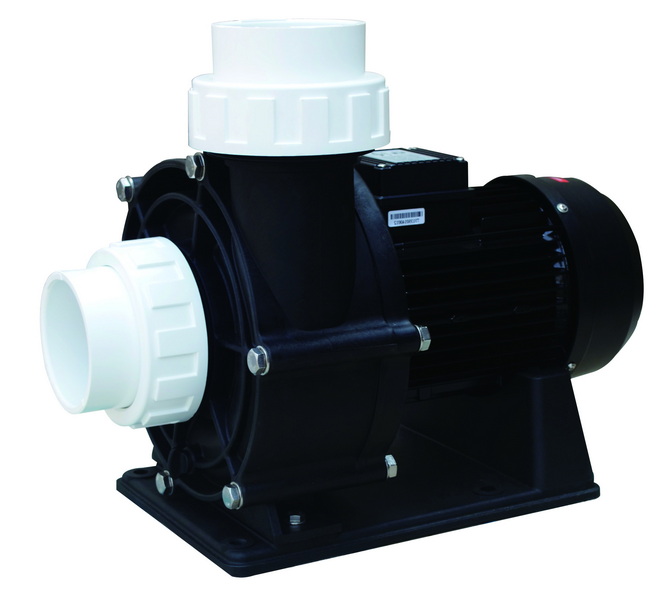
Draining a Hayward pool pump is simple once you know where the drain plugs are and how to safely shut the system down. Doing it correctly protects the pump from freeze damage, prevents leaks, and keeps your overall filtration system in good condition.[1][2][3][4]
- Protects the pump and plumbing from freeze damage during winter or cold snaps, especially in above‑ground or partially exposed systems.[2][4]
- Allows you to remove, repair, or replace the pump or filter without spilling water everywhere or stressing fittings.[3][2]
- Helps when closing the pool, doing major renovations, or relocating equipment to a new pad or equipment area.[5][2]
- Turn off all power to the pump at the timer and at the breaker to avoid accidental start‑up while the system is open.[2][5]
- Make sure the filter air relief valve is open to release pressure before removing any pump covers or drain plugs.[6][5]
- If the pool water level is above the pump, close suction and return valves so water does not siphon through the system while you drain it.[5][2]
- Flathead screwdriver or small wrench (if your drain plugs are tight or slotted).[8][1]
- Towel or small container to catch water around the base of the pump as it drains.
- Teflon tape or thread sealant for reinstalling drain plugs if they were previously leaking.[3][5]
- Move the pump control or timer switch to the OFF position, then shut off the breaker feeding the pump circuit.[2][5]
- Confirm that the pump motor is not running and that no automated system (pool controller) is about to start a scheduled cycle.[10][4]
- Open the filter's manual air relief valve (usually on the top of a sand, DE, or cartridge filter) until air and water stop hissing out.[7][5]
- Wait a few seconds for the pressure gauge to drop to zero before loosening any parts on the pump.[6][5]
- If recommended by your Hayward manual, lower the pool water level below all suction inlets before fully draining and storing the pump.[3][4][2]
- If you cannot lower the water, close suction and return valves (or hose shut‑offs) on the lines connected to the pump to prevent backflow.[9][2]
- Loosen the pump strainer cover (lid) by hand or with the handle/tool provided, then lift it off.[8][5]
- Take out the strainer basket to allow water inside the housing to drain more freely and to inspect for debris.[5][3]
- Look at the lowest points of the pump strainer housing and, on some models, the rear of the volute; most Hayward pumps have one or two threaded drain plugs.[1][2]
- Common models like Super Pump, PowerFlo, and XE series have drain plugs on the bottom front of the strainer body, sometimes with an additional plug further back.[4][2][3]
- With pressure already relieved, turn each drain plug counter‑clockwise by hand; if tight, use a suitable tool carefully.[1][3]
- Water will begin to flow out of the openings; allow it to drain completely from the pump housing and immediate piping.[1][2]
- Leave the drain plugs out until water stops trickling; this may take several minutes depending on plumbing slopes.[9][2]
- For long‑term winter storage, many manuals recommend letting the pump housing dry out before re‑installing plugs and moving it indoors.[2][4]
- When you are ready to return to normal operation (e.g., spring opening), wrap the drain plug threads in a couple of turns of Teflon tape if needed and reinstall by hand until snug.[5][3]
- Do not overtighten; plastic housings and plugs can crack if too much torque is applied.[6][5]
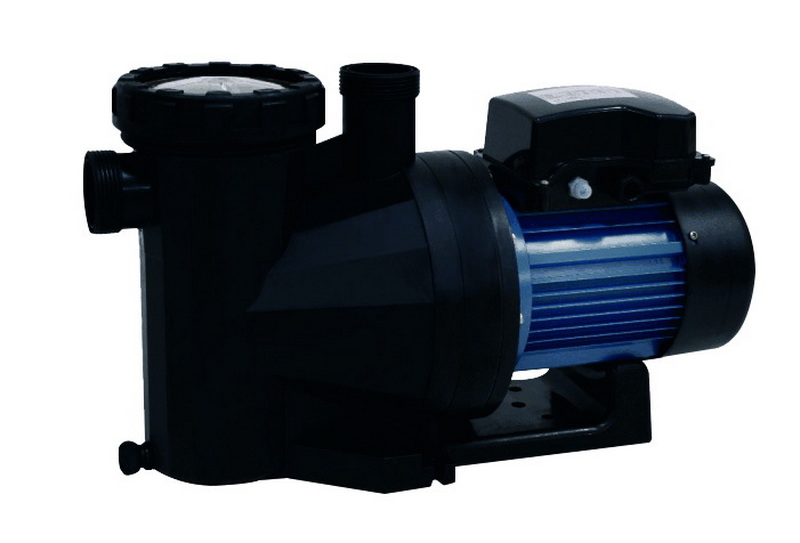
- In regions with freezing temperatures, Hayward specifically instructs owners to drain all water from the pump and connected piping to prevent ice expansion damage.[2][3][4]
- That usually means: lower pool water below inlets, remove pump drain plugs, open the filter drain, and sometimes blow out lines or use antifreeze in certain installations (follow local codes).[9][2]
- Many Hayward‑equipped pools use a sand or DE filter with a multiport valve; setting the valve to “Waste” allows the pump to move water out of the pool and bypass the filter.[12][7][9]
- The typical sequence is: pump off, attach backwash hose to waste port, set multiport to Waste, start pump, drain to desired level, then shut pump off and return valve to Filter.[12][7]
For foreign brands, wholesalers, and pool equipment manufacturers, partnering with a specialized OEM factory can simplify the supply of pumps, sand filters, DE filters, cartridge filters, LED lights, and accessories that match Hayward‑style installations and plumbing dimensions.
- An OEM supplier using smart production lines can deliver consistent performance, compatible connections, and custom branding (logos, colors, packaging) for your target market.
- Integrated filtration solutions (pump + filter + valves + lights) help dealers and installers offer complete systems that are simple for homeowners to operate, drain, and maintain.
Draining a Hayward pool pump comes down to three core actions: shutting off power, relieving pressure, and opening the drain plugs until all water is out. When done according to the Hayward owner's manual and combined with proper winterization of the filter and plumbing, this simple task can dramatically extend pump life and prevent expensive freeze damage. For overseas brands and distributors, offering OEM pump and filter systems that follow this familiar layout makes it easier for your end‑users to maintain their pools safely and confidently.[1][3][2][4]
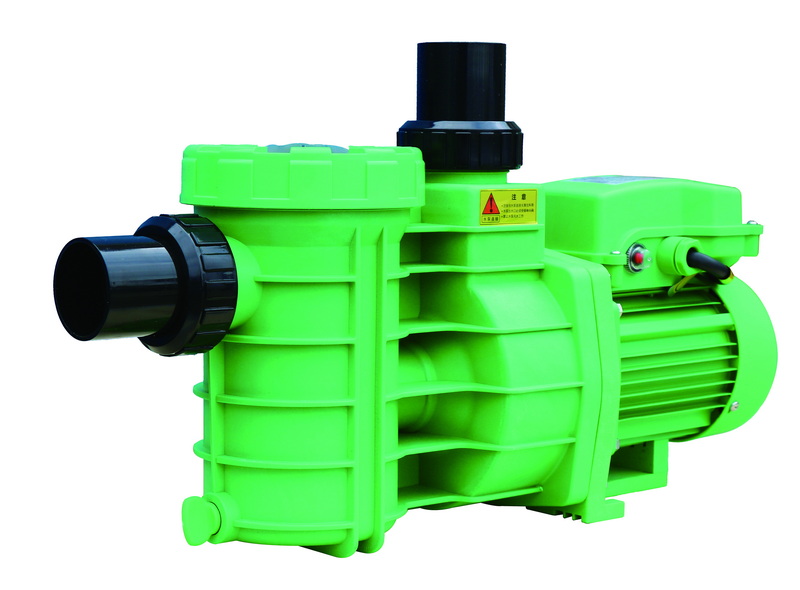
Most homeowners only fully drain the pump when winterizing, doing major repairs, or storing the pump, not during routine weekly maintenance. For regular use, you just clean the basket and maintain prime rather than draining the entire housing each time.[3][2][5][6]
No, the pump should never run without the drain plugs in place because air will be sucked into the system, the pump will lose prime, and the motor can overheat. Always reinstall and tighten drain plugs before refilling and restarting the pump.[5][6]
Some Hayward pumps have one drain plug on the front of the strainer housing, while others add a second plug further back on the wet end. Check the diagram in your specific series manual (Super Pump, PowerFlo, XE, etc.) to confirm how many drain plugs your model uses.[1][2][3][4]
Hayward manuals often recommend lowering the pool water below all inlets before long‑term storage or complete system winterization to prevent water from refilling the pump and lines. If the pool level stays high, you must rely on valves or hose shut‑offs to keep water from siphoning back into the drained pump.[9][2][4]
Yes, if you have a sand or DE filter with a multiport valve, you can use the Waste position to pump water out of the pool through a backwash hose. Always turn the pump off before changing valve positions and discharge water only to an approved area according to local rules.[13][12][7]
If water remains inside the pump housing and connected pipes during a hard freeze, it can expand, crack the housing or fittings, and cause leaks or pump failure. Properly draining and storing the pump, or using a full winterization procedure, greatly reduces the risk of this kind of damage.[2][3][4]
[1](https://www.youtube.com/watch?v=wqFCJ8gSdyg)
[2](https://hayward.com/media/akeneo_connector/asset_files/I/S/IS26002_RevA_286d.pdf)
[3](https://hayward.com/media/akeneo_connector/asset_files/I/S/ISPFSERIES_RevG_c00b.pdf)
[4](https://hayward.com/media/akeneo_connector/asset_files/I/S/IS3200XE_REV_B_8d8c.pdf)
[5](https://www.pooltek.com/wp-content/uploads/2017/02/Pump-HaywardSuperpump.pdf)
[6](https://hayward.com/media/akeneo_connector/asset_files/S/u/Super_SuperII_MaxFlo_Operation_Installation_609f.pdf)
[7](https://pinchapenny.com/pool-life/how-to-drain-a-pool)
[8](https://www.youtube.com/watch?v=mIgbBW3Sep8)
[9](https://www.doheny.com/media/Pdfs/2419.pdf)
[10](https://images.thdstatic.com/catalog/pdfImages/3d/3db6f461-662e-493b-8199-cab69c0ee25a.pdf)
[11](https://images.inyopools.com/cloud/documents/hayward-pumps-above-ground-power-flo-ii.pdf)
[12](https://www.youtube.com/watch?v=F8lCSLRweE0)
[13](https://lesliespool.com/blog/pool-draining-101-how-to-drain-a-pool.html)
[14](https://www.facebook.com/PinchAPennyPool/videos/how-to-drain-your-swimming-pool/10155669724986726/)
[15](https://www.youtube.com/watch?v=MWCa1QS6alg)
[16](https://www.reddit.com/r/swimmingpools/comments/1e4b170/tips_on_draining_hayward_de_filter/)
[17](https://www.facebook.com/groups/637529959937311/posts/913570612333243/)
[18](https://www.inyopools.com/Products/Questions/25651/07501352015726.htm)
[19](https://poolwarehouse.com/wp-content/uploads/2019/02/Hayward-Dual-Main-Drain-for-Vinyl-Pools-Pack-of-Two-Manual.pdf)
[20](https://hayward.com/media/akeneo_connector/asset_files/I/S/ISDUALSWG8_RevA_04f1.pdf)


