
Views: 222 Author: Tina Publish Time: 2026-01-01 Origin: Site


Content Menu
● Do You Need to Run a Pump 24/7?
● Understanding Pool Turnover Rate
● 24/7 Operation: Pros and Cons
● Single‑Speed vs Variable‑Speed Pumps
● Factors That Change How Long You Should Run the Pump
● Example Daily Pump Schedules
● How to Calculate Your Ideal Pump Runtime
● Energy, Cost, and Environmental Considerations
● OEM and Equipment Matching Opportunities
● FAQs About Pool Pump Run Time
>> 1. Is it bad to run my pool pump 24/7?
>> 2. How many hours a day should I run my pool pump in summer?
>> 3. Can I split pump run time into several shorter periods?
>> 4. How do I know if I am running my pump too little?
>> 5. Do salt‑water pools need longer pump run times?
>> 6. How do I reduce energy costs without hurting water quality?
A pool pump does not need to run 24 hours a day for most residential pools, but it must run long enough each day to circulate and filter all the water at least once (often more in hot or heavy‑use conditions). Many pools stay clear and safe with 8–12 hours of total run time per day, adjusted for pool size, pump flow rate, climate, and usage.[1][2][3][4]
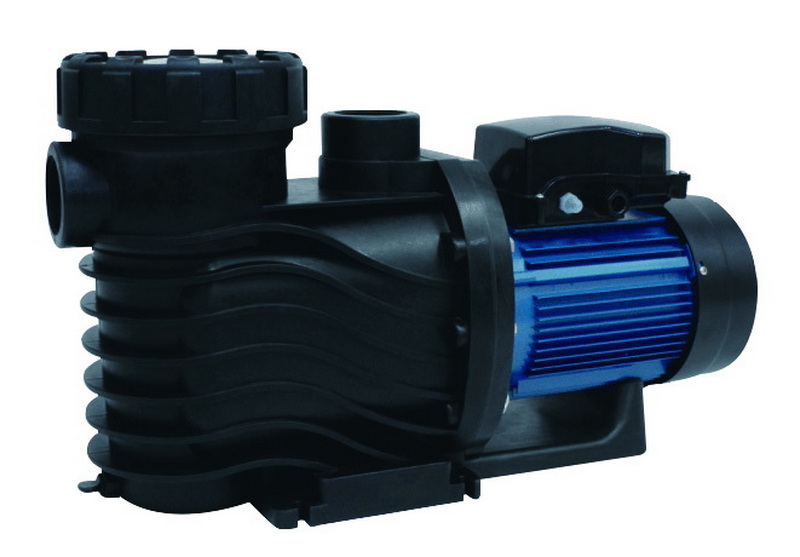
A pool pump's main job is to move water through the filter, heater, chlorinator, and sanitation systems so debris is removed and chemicals stay evenly mixed. Without circulation, a pool quickly becomes cloudy, unbalanced, and at risk for algae and bacteria growth.[5][4]
- The pump pulls water from skimmers and main drains, pushes it through a filter (sand, DE, or cartridge), and returns it to the pool via inlets.[5]
- Modern variable speed pumps can move water more efficiently at low RPM, which is why many pros recommend long low‑speed run times instead of short high‑speed bursts.[6][7]
Most residential pool pumps do not need to run 24 hours a day, although some owners choose to do so at very low speed for specific benefits. The key is meeting the required daily water turnover (how many times all the water passes through the filter) rather than running continuously.[2][8][7][6][5]
- Many consumer guides say 8–12 hours of daily runtime is enough for typical backyard pools, assuming equipment is correctly sized and balanced.[3][9][1][2]
- Health and commercial standards often target 1–2 turnovers per day for residential pools and higher rates for public or high‑bather‑load pools.[10][8][11][5]
Turnover rate is how long it takes for your pump and filter to move a full pool volume of water through the filtration system once. Knowing this helps determine how many hours per day your pump actually needs to run.[10][5]
- Formula for turnover: turnover time (hours) = pool volume ÷ flow rate, with volume and flow expressed in the same units (for example, liters per hour or gallons per hour).[12][5]
- Industry references often target around 6–8 hours for a single turnover in many pools and may recommend 2–3 recirculations per day for higher water quality.[8][5][10]
In practice, many pool service companies and educational sites suggest running the pump at least 8 hours a day, and often between 8 and 12 hours, depending on conditions. This total can be split into several blocks across the day and night.[9][4][1][2][3]
- One popular guideline is simply to run the pump long enough to achieve at least one complete turnover in 24 hours, with more run time in hot weather or with heavy use.[1][3][10]
- Some sources advise “one hour of run time for every 10 degrees of air temperature” as a rough rule of thumb, though precise calculations using volume and flow are more accurate.[13][1]
Some professionals and pool owners do run pumps 24/7, especially variable speed models at very low RPMs, but this is a strategic choice rather than a strict requirement.[14][7][15][6]
Benefits of running 24/7
- Constant circulation can improve clarity, reduce dead spots, and help maintain more even chemical distribution, especially in complex or heavily used pools.[7][14]
- Running a variable speed pump continuously at low RPM can in some cases reduce total daily energy costs compared to fewer hours at higher RPM.[15][6][7]
Drawbacks of running 24/7
- Single‑speed pumps running non‑stop consume much more energy and can significantly raise electricity bills.[4][2][6]
- Continuous operation increases mechanical wear, meaning bearings, seals, and impellers may need maintenance or replacement sooner if runtime is excessive.[2]
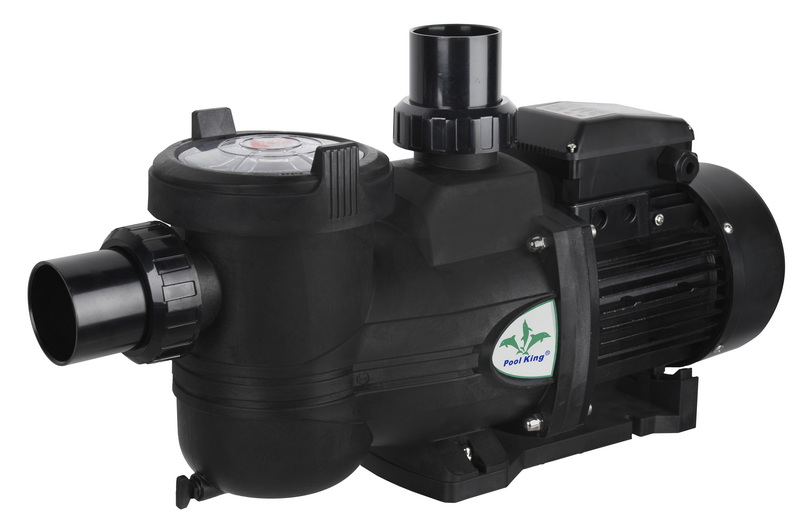
The type of pump strongly influences whether running it all the time makes sense, and at what speed and duration.[6][7][15][2]
| Pump type | Typical runtime approach | Main advantages | Key limitations |
|---|---|---|---|
| Single‑speed pump | 8–12 hours/day at full speed, usually during off‑peak electricity hours.carltonpools+1 | Simple controls, low upfront cost, established technology.carltonpools | High energy use, noisy, not ideal for 24/7 operation.carltonpools+1 |
| Dual‑speed pump | Several hours on high for cleaning, longer on low for circulation.lesliespool | Better efficiency than single‑speed, flexible scheduling.carltonpools | Less flexible than true variable speed, may still waste power.poolpartstogo |
| Variable‑speed pump | Often 12–24 hours/day at varying low–medium speeds for efficient turnovers.lesliespool+2 | Significant energy savings, quieter, very fine control.poolpartstogo+1 | Higher upfront cost and requires programming correctly.poolpartstogo+1 |
How long to run your pump each day depends on more than just pool size; environment and usage patterns matter as well.[8][2][10]
- Climate and season: Hot sun, high temperatures, and long seasons increase chlorine demand and algae risk, often requiring longer run times in summer than winter.[17][9][10]
- Pool usage and debris load: More swimmers, nearby trees, dust, or pets using the pool area mean more contaminants to filter, so extra runtime may be needed to keep water clear.[2][10]
Additional factors include sanitizer type (e.g., salt‑water chlorine generators often require longer pump operation), presence of water features, and whether there is a heater or solar system that must run with the pump.[18][8][2]
You can split daily runtime into day and night blocks, and each has specific benefits.[3][14][18][2]
- Daytime operation helps with skimming visible debris, supporting solar heating, and coordinating with peak bather loads.[2]
- Nighttime operation can reduce electricity costs where off‑peak tariffs are available and is often used for running salt chlorinators or automated dosing systems efficiently.[18][3]
Many guides recommend spreading the total daily runtime across non‑consecutive blocks, such as multiple shorter cycles, as long as your pump completes sufficient turnovers in 24 hours.[3][8][18][2]
The exact schedule should be tailored to each pool, but general examples help owners understand how to avoid running pumps unnecessarily all the time.[9][1][3][2]
- A modest residential pool with correctly sized equipment might achieve a full turnover in about 6–8 hours, so running the pump 6–8 hours per day can be adequate in mild conditions.[1][10]
- High‑use or hot‑climate pools often run their pumps closer to 10–12 hours per day, sometimes with more runtime during the sunniest part of the day for better skimming and chemical control.[17][9][2]
Owners of variable‑speed pumps may program low‑speed operation close to 24 hours with short higher‑speed periods for vacuuming, skimming, or backwashing, balancing water quality and energy cost.[16][7][15][6]
Rather than assuming your pump needs to run all the time, you can calculate a baseline and then fine‑tune.[12][5][10][1]
1. Determine pool volume. Use length × width × average depth × shape factor to get liters or gallons, or refer to construction drawings.[10][12]
2. Check pump flow rate. Use the pump curve, nameplate data, or a flow meter to estimate actual flow under your system's pressure.[5][12][1]
Once you know volume and flow, divide pool volume by hourly flow to find hours for one turnover, then adjust for desired number of turnovers per day and real‑world clarity results.[8][12][1][5][10]
Continuous 24/7 operation with a single‑speed pump wastes energy in many residential installations, so optimization is important for sustainability and cost.[4][6][2]
- Reducing run time from 24 hours to a correctly sized 8–12 hour schedule can significantly cut electricity bills, especially with older or oversized pumps.[6][1][2]
- Using timers, off‑peak electricity windows, and high‑efficiency variable‑speed technology can reduce energy use without sacrificing water quality, and often pay back the investment over time.[16][7][18][6][2]
For pool brands, wholesalers, and manufacturers sourcing filtration equipment, correctly matched pumps and filters make it easier for end‑users to avoid unnecessary 24/7 run times while keeping water clear.
- Smart‑machined sand filters, DE filters, and cartridge housings paired with energy‑efficient pumps can be packaged with pre‑calculated turnover recommendations and schedule templates for different climates.[5][10][8]
- OEM cooperation with factories that produce high‑end sand filter tanks, pumps, LED lights, and accessories allows consistent performance, easier installation, and clear runtime guidance for residential and commercial customers.
A pool pump does not have to run all the time, but it must run long enough each day to deliver the required turnover and maintain safe, clear water. For most residential pools with properly sized equipment, 8–12 hours of runtime per day — designed around volume, flow rate, climate, and usage — is usually enough, while variable‑speed systems can sometimes run longer at low RPM for extra efficiency and clarity.[7][16][4][1][3][6][10][8][2]
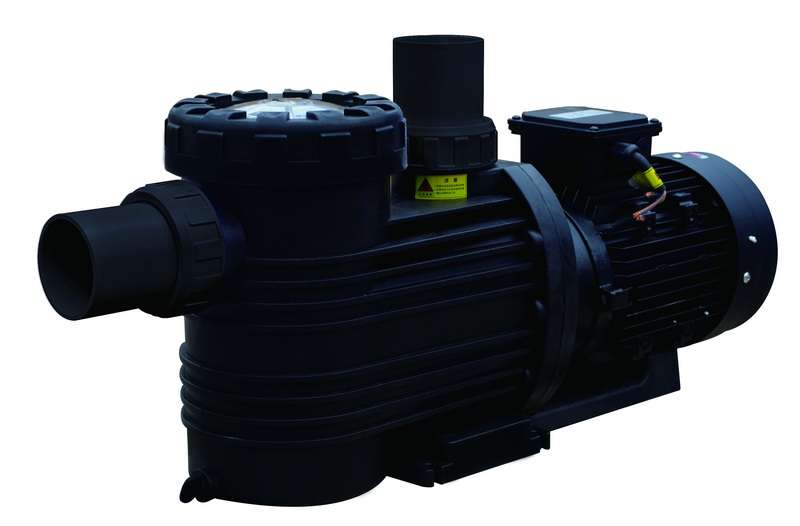
Running a single‑speed pump 24/7 is usually unnecessary and can waste energy and increase wear, though some variable‑speed pumps can be run continuously at low RPM with reasonable cost.[7][4][6][2]
Many owners run pumps 8–12 hours a day in summer, with higher run times in hot, sunny climates or with heavy swimmer load to maintain clarity and chemical balance.[17][9][4][3][2]
Yes, as long as the total daily runtime achieves the required turnovers, you can schedule multiple shorter cycles to align with off‑peak power rates and peak usage.[18][3][8][2]
Signs of insufficient run time include cloudy water, difficulty maintaining chlorine levels, increased algae growth, and debris that stays suspended instead of being filtered.[1][10][2]
Salt‑water chlorine generators only produce chlorine when water is flowing, so many salt pools require longer pump operation to maintain sanitizer levels, especially in warm weather.[17][8][2]
You can optimize runtime based on turnover calculations, use off‑peak power windows, upgrade to a variable‑speed pump, and keep filters clean to reduce resistance and power draw.[16][6][7][18][2]
[1](https://mrpoolman.com.au/blogs/news/how-long-should-i-run-my-pool-pump-every-day)
[2](https://www.carltonpools.com/can-you-run-your-pool-pump-24-hours-day/)
[3](https://www.swimuniversity.com/run-pool-pump/)
[4](https://home.howstuffworks.com/swimming-pool-pumps-run-all-the-time.htm)
[5](https://www.fluidra.com/commercial-solutions/inspiration/blog/turnover-rate/)
[6](https://poolpartstogo.com/blogs/articles/should-you-run-a-pool-pump-24-hours-a-day)
[7](https://www.swimmingpoolsteve.com/pages/shut-off.html)
[8](https://www.zodiac-poolcare.com/solutions/tips-for-my-pool/pool-maintenance/pool-filtration-time)
[9](https://forum.mavaquadoc.com/index.php?threads%2Fhow-often-should-i-run-my-pool-pump-during-the-summer.132%2F)
[10](https://lotuspools.com/blog/pool-turnover-rate/)
[11](https://www.reddit.com/r/pools/comments/dhrbrx/misleading_guidance_on_vs_pump_speed_and_turnover/)
[12](https://www.thepoolclass.com/support/math/turnover-rate-tutorial/)
[13](https://www.reddit.com/r/pools/comments/pbcz27/how_long_should_i_run_my_pool_pump_each_day_i/)
[14](https://www.funcenterpools.com/en/help/pool-pumps/is-it-okay-to-run-my-pool-pump-24/7)
[15](https://www.reddit.com/r/pools/comments/1dah4rg/does_anyone_else_run_their_pool_pump_247/)
[16](https://lesliespool.com/blog/how-to-calculate-pool-pump-run-time.html)
[17](https://www.facebook.com/groups/273395260599363/posts/1421226082482936/)
[18](https://www.aaronpoolsandspas.com/pool-pumps-the-best-time-to-run-your-pump/)
[19](https://www.youtube.com/watch?v=u4ExnupI26o)
[20](https://www.youtube.com/watch?v=edm862QQ9mY)


