
Views: 222 Author: Tina Publish Time: 2026-01-01 Origin: Site


Content Menu
● What “priming” an Intex pump means
● Safety checks before priming
● Step‑by‑step: how to prime an Intex pool pump
>> Step 1: Check water level and valves
>> Step 2: Open the air release valve
>> Step 3: Fill the pump housing if needed
>> Step 4: Bleed air again and start the pump
>> Step 5: Check filter pressure and system performance
● Priming tips for specific Intex models
>> Intex cartridge filter pumps (e.g., Model 637R, C1000 series)
● Common priming problems and fixes
>> Problem 1: Pump housing will not fill
>> Problem 2: Pump primes, then quickly loses prime
>> Problem 3: Motor runs but no water moves
● When to reprime your Intex pump
● Why proper priming protects your investment
● FAQ: How to prime an Intex pool pump
>> 1. How do I know my Intex pump is fully primed?
>> 2. Can I run an Intex pool pump without water in the housing?
>> 3. Why does my Intex pump lose prime overnight?
>> 4. Do I need to reprime after every filter cleaning?
>> 5. What if the pump motor runs but never builds pressure or flow?
>> 6. How long should priming take on an Intex pump?
>> 7. Can trapped air damage my Intex sand filter?
Priming an Intex pool pump is mainly about removing trapped air and filling the pump and hoses completely with water so the impeller can create strong suction and circulation. Doing it correctly protects your pump, keeps your water clear, and prevents noisy, low‑flow operation.[1][2][3]
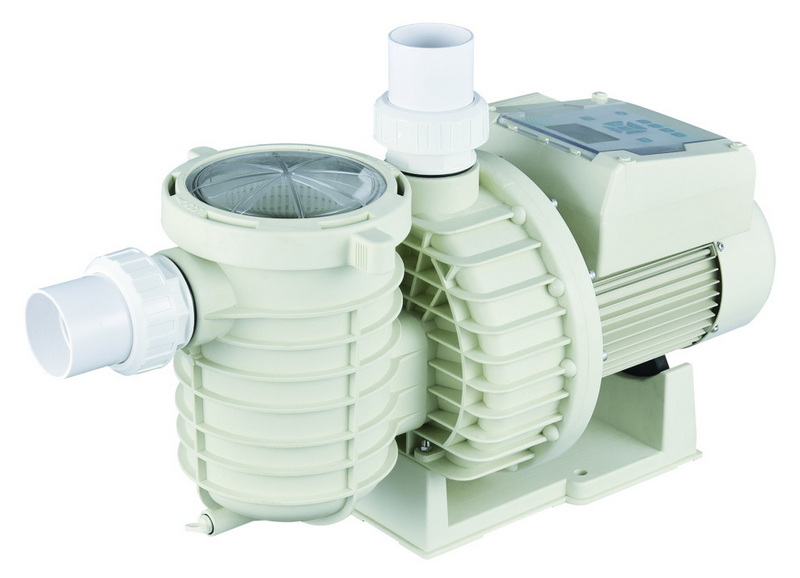
Priming a pool pump means restoring full water flow by filling the pump housing and suction lines with water and bleeding out trapped air. If there is a big air pocket inside, the impeller just spins in air and the pump will run but not move water through the system.[2][4][1]
- For Intex cartridge and sand pumps, priming usually involves:
- Opening the air‑release/bleeder valve on top of the filter housing until water flows out.
- Ensuring the pool water level is high enough and all valves are fully open so water can gravity‑feed to the pump.[3][1]
- When the pump is correctly primed, the clear lid or housing will fill with water and return jets will push a steady stream of water with minimal bubbles.[4][1]
Before touching any Intex equipment, basic electrical and plumbing safety is essential.[5][2]
- Turn off power at the pump and the GFCI/breaker before opening any lids or air valves.[2][5]
- Make sure all hose clamps and threaded unions are secure to avoid leaks that can suck in air when the pump starts.[1]
- Confirm the pump is installed below the pool water level (typical Intex setup) so water can automatically flow down into the pump housing when you open the system.[3][1]
This section covers a general procedure that works for most Intex cartridge filter pumps and small Intex sand filter systems. Always cross‑check with the specific model manual for exact instructions.[5][3]
The pump cannot prime if it is “drinking air” from the skimmer or suction fittings.[1]
- Make sure the pool water level is at least halfway up the skimmer opening or above the suction fittings so air is not pulled into the system.[1]
- Fully open any Intex shut‑off/ball valves on the suction and return hoses so water can flow freely.[6][1]
- Remove winterizing plugs or caps from the inlet and outlet fittings on the pool wall if the pool was closed.[4]
Most Intex cartridge filter pumps include an air‑release valve on top of the filter housing specifically for priming and venting air.[3][5]
- With the pump off, slowly open the air release valve on top of the filter housing counterclockwise.[3]
- As water from the pool flows down into the housing, air will escape through this small valve hole.[3]
- Wait until a steady stream of water (without spurting air) comes out of the air release port.[3]
At this point, the filter housing should be nearly full of water by gravity alone, and a lot of trapped air in the system will already be gone.[6][3]
If the pump housing is not fully flooded, adding water manually speeds priming and protects the motor.[2][1]
- Turn off power if it is not already off, and close the air release temporarily to avoid a mess.[2]
- Carefully loosen and remove the main pump or filter lid, keeping it above water level to minimize spillage.[4][2]
- Check and clean the strainer basket and remove any leaves or debris.[1]
- Use a garden hose or a bucket to pour 2–3 gallons of clean water into the pump/filter housing until it remains full.[2][1]
- Inspect the lid o‑ring for cracks, flattening, or dirt; clean or replace and lubricate it with suitable o‑ring lubricant if needed.[1]
- Re‑install the lid securely so no air can be sucked in around the gasket.[2]
Now the system is ready to be brought up to full operation.[1][3]
- Open the air‑release valve again so remaining air can escape while the pump starts.[3]
- Turn the pump on at the control panel/GFCI while watching the air release and housing.[4][3]
- As the pump runs, air should quickly blow out, then water should begin to come from the air‑release valve; once the stream is steady, close the valve snugly.[3]
- Watch the clear section of the housing and the return jets:
- The housing should fill completely with water.
- The return jets should push strong water with only a few small bubbles remaining after the first minute.[4][1]
If the pump loses water in the housing or never fills, shut it off and repeat the steps, checking for leaks or loose connections.[4][1]
Once flow is established, monitoring pressure and circulation confirms the prime is successful.[7][1]
- If your Intex system has a pressure gauge (common on sand filters), note the “clean” starting pressure after priming for future reference.[1]
- Walk around the pool to confirm:
- All return fittings are pushing water.
- No visible air leaks at hose connections.
- The pump housing stays full of water without large air pockets forming.[7][1]
If pressure suddenly spikes or drops to zero, or the pump gets noisy, turn it off and inspect again for trapped air or blockages.[7][1]
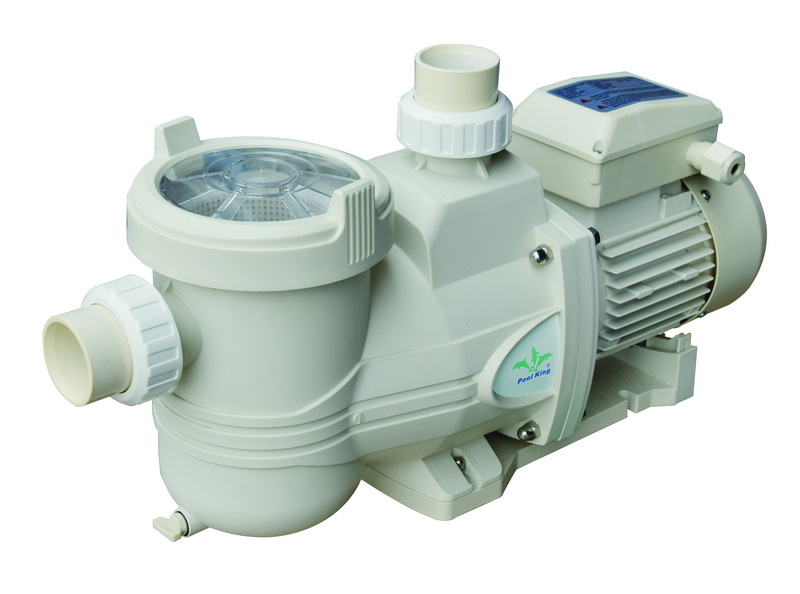
Different Intex systems share the same priming basics but may have small differences in valves and controls.[5][3]
- These units rely heavily on the air‑release valve on the filter cover to purge air.[8][3]
- The manual instructs users to open the air release valve after service, allow air to escape until water flows out, then re‑tighten the valve; at that point the pump is considered primed and can be turned on.[5][3]
- Ensure the filter cartridge is seated correctly and the housing clamp is fully locked to avoid drawing air at the lid.[3]
- Sand systems often include a multiport valve (filter/backwash/rinse/etc.) and a purge or drain valve at the bottom of the tank.[9][6]
- After backwashing or service, make sure the drain cap and purge valve are tight, then open the air‑release and allow water to push air out before switching to “Filter” mode and starting the pump.[6]
- Check that the sand tank is not over‑ or under‑filled; extreme levels can affect flow and make priming more difficult.[1]
Even with the correct steps, some Intex owners struggle to get the pump to hold prime.[10][1]
- Likely causes:
- Water level in the pool is too low or the skimmer door is stuck, letting air into the suction.[1]
- A shut‑off valve on the suction line is partially closed.[6][1]
- Hoses are kinked, blocked, or installed backwards.
- Solutions:
- Raise pool water to mid‑skimmer or higher.[1]
- Open all valves fully and straighten hoses.
- Double‑check suction and return hoses are on the correct fittings as indicated in the Intex diagram.[5]
- Likely causes:
- Air leak at the pump lid o‑ring or a loose hose clamp on suction side.[7][1]
- Pump located above the pool water level, making it hard for gravity to feed water.[1]
- Solutions:
- Remove, clean, and lubricate the o‑ring; replace if cracked or flattened.[1]
- Re‑tighten clamps and threaded unions on the suction side.
- If possible, reposition the pump closer to and below the pool waterline.[1]
- Likely causes:
- Large air pocket trapped in pipes and filter, or the pump cavity is dry.[4][1]
- Debris clogging the strainer basket or impeller.
- Solutions:
- Turn off power, open the system, clean the basket, pre‑fill the housing with water, and repeat priming steps.[2][1]
- Backwash or clean the filter element if pressure is very high and flow is blocked.[1]
Priming is not just for pool opening; you will need to reprime whenever air enters the system in significant amounts.[2][1]
- Typical situations:
- After changing or cleaning the cartridge or opening the filter housing.[3]
- After backwashing a sand filter and draining or opening valves.[1]
- After the pump has run dry or sucked in air due to low water level.
- After replacing hoses, fittings, or o‑rings.
- As a rule of thumb, if the pump sounds noisy, the housing shows a big air pocket, or the return jets are weak and bubbly, it is wise to stop the system and reprime.[4][1]
Correct priming is a small step that significantly extends pump and filter life.[4][1]
- Running a pump dry or with large air pockets can overheat seals and bearings, leading to premature motor failure.[1]
- Fully primed systems maintain stable pressure and strong filtration, which helps keep pool water clear and reduces the need for excessive chemicals.[2][1]
- For OEM‑grade Intex‑compatible pumps, correct priming and good plumbing design also reduce noise and vibration, which is important for residential backyard comfort.[4][1]
Priming an Intex pool pump comes down to three core actions: ensuring the pool water level is high enough, filling the pump and filter housing with water, and bleeding out trapped air via the air‑release valve. When these steps are followed carefully, the pump starts quietly, the housing stays full of water, and return jets deliver strong circulation that keeps the pool clean and safe for swimming.[2][3][4][1]
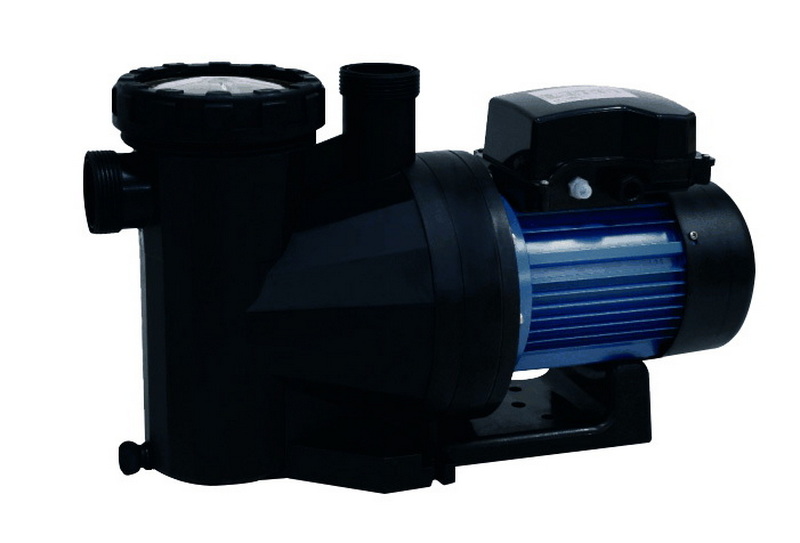
You know the pump is primed when the housing is completely full of water with little or no visible air pocket, the air‑release valve has been closed after a steady water stream, and the return jets are pushing strong water with only minimal bubbles.[3][4][1]
No, running the pump dry can overheat the shaft seal and motor, causing damage in a short time, so always ensure the housing is filled with water and primed before switching the pump on.[2][1]
If the pump loses prime when it is off, there is usually a small air leak on the suction side such as a worn lid o‑ring, loose hose clamp, or fitting that allows air to seep in and water to drain back to the pool. Inspect and reseal connections and check the o‑ring condition.[7][1]
Yes, whenever you open the filter housing to clean or change a cartridge, or service a sand filter, air enters the system, so you should refill the housing with water if needed, open the air‑release valve, and reprime before normal operation.[3][1]
Shut off power immediately, then check that the pool water level is adequate, all valves are open, the housing is filled with water, and the strainer basket and impeller are not clogged; then go through the complete priming sequence again.[4][1]
For a properly installed and leak‑free Intex system, priming usually takes less than a minute once the pump is turned on after filling and venting air; if it takes much longer, air leaks or blockages are likely.[4][1]
Yes, trapped air can cause noisy operation and erratic pressure, and in extreme cases sudden pressure changes can stress components, so using the purge and air‑release valves to remove air is important after backwashing or service.[6][1]
[1](https://www.thepoolfactory.com/blogs/equipment/how-to-prime-an-above-ground-pool-pump)
[2](https://www.wikihow.com/Prime-a-Pool-Pump)
[3](https://www.intex.co.il/sysvault/docsfiles2/cd347bdd5a-ee20-44ac-86c5-2587d1910105.pdf)
[4](https://www.youtube.com/watch?v=9JVApTiCQIg)
[5](https://www.intexdevelopment.com/support/downloadmnl?filename=058___A0_2505_EN.pdf)
[6](https://www.youtube.com/watch?v=Z_C7Mcu83iQ)
[7](https://www.reddit.com/r/pools/comments/r5e6xk/dummy_tries_to_prime_pool_pump_question/)
[8](https://intexcorp.com/cartridge-filter-pumps/c1000-cartridge-filter-pump-w-gfci-110-120-volt/)
[9](https://www.youtube.com/watch?v=sqvqivxY4tw)
[10](https://www.survivefrance.com/t/how-to-prime-a-swimming-pool-pump/12931)
[11](https://www.facebook.com/groups/724314025558736/posts/1411192070204258/)
[12](https://www.youtube.com/watch?v=djYgvQtgoB8)
[13](https://www.youtube.com/shorts/Gp6AioHHmM4)
[14](https://www.youtube.com/watch?v=8H8hC8gq7OI)
[15](https://www.tiktok.com/discover/how-to-prime-a-intex-pool-pumps)
[16](https://www.youtube.com/watch?v=YanyR6veJ8M)
[17](https://www.youtube.com/watch?v=Lq7qNj1PEGs)


