
Views: 222 Author: Tina Publish Time: 2025-10-28 Origin: Site


Content Menu
● Volume assessment and turnover goals
● Turnover rate and flow requirements
● HP, flow, and plumbing interdependencies
● Single-speed vs dual-speed vs variable-speed
● Energy efficiency and operating cost considerations
● Filtration compatibility and system integration
● Installation and maintenance tips
● Maintenance and lifecycle considerations for OEM partners
● Cost-effectiveness and total cost of ownership
● Practical steps to size a pump for your pool
● Case studies and practical examples
● Choosing OEM partners and suppliers for overseas brands
● Industry trends and future directions
>> 1- What is the recommended pump size for a 20,000-gallon pool?
>> 2- How do you calculate turnover and flow rate?
>> 3- Why choose a variable-speed pump?
>> 4- What factors influence head loss and pump selection?
>> 5- Which OEM considerations matter for overseas brands?
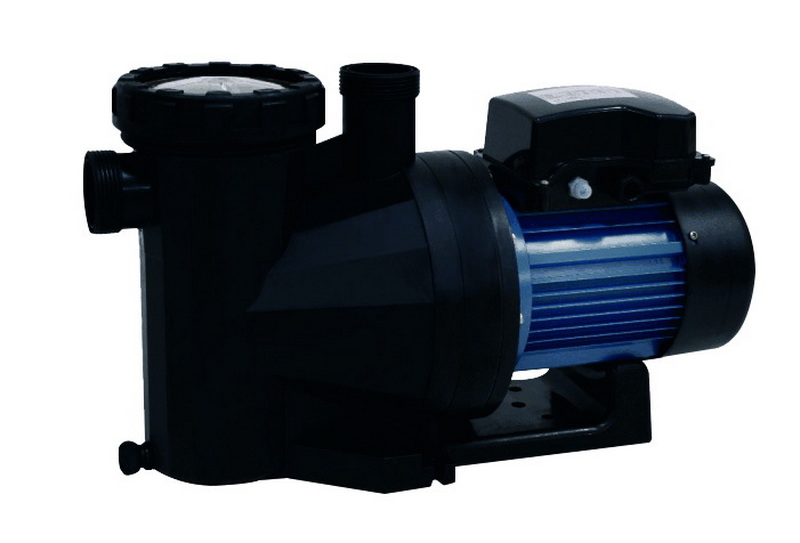
A well-sized pool pump is essential for clean, healthy, and enjoyable swimming water. For a typical 20,000-gallon residential pool, most installations perform best with a pump around 1.5 HP, preferably a variable-speed model that allows you to dial back the flow for filtration and back up for rapid turnover when needed. The right pump harmonizes with the filtration system, pipe sizing, and any water features, delivering efficient turnover without wasteful energy use. This article expands on sizing principles, common pitfalls, practical calculation methods, installation considerations, energy-saving strategies, and OEM considerations for international brands and wholesalers.
Accurate volume calculation is the foundation of proper pump sizing. Pools come in many shapes, and precise volume estimates ensure the turnover rate is neither excessive nor insufficient.
- Rectangular pools: Volume ≈ Length × Width × Average Depth × 7.5. For example, a pool 32 ft long, 16 ft wide, and 5 ft average depth yields approximately 19,200 gallons, illustrating how a small change in depth or dimensions shifts turnover needs significantly.
- Circular pools: Volume ≈ Diameter² × Average Depth × 5.9. A 24 ft diameter with 5 ft depth yields roughly 17,000 gallons.
- Oval pools and irregular shapes: Use shape-specific formulas or divide the pool into simple geometric sections, calculate each section's volume, and sum the parts for a total.
- Irregular or free-form pools: Break the pool into rectangles, triangles, and segments, compute respective volumes, then combine. When depth varies, applying an average depth brings a practical working number.
A standard design target is a complete water turnover every 8 hours. To achieve this with a 20,000-gallon pool:
- Required GPH = 20,000 gallons ÷ 8 hours = 2,500 GPH
- In GPM terms, 2,500 GPH ≈ 41–42 GPM
If the pool features or plumbing add resistance, or if longer runs and more fittings exist, the required pump capacity can rise to maintain the same turnover speed. In such cases, moving to a 2 HP option or a variable-speed pump set to higher speed during turnover may be warranted.
Understanding horsepower (HP) in the context of plumbing is critical. HP is a proxy for flow capability under ideal conditions, but real-world performance depends on:
- Total dynamic head (TDH): the combination of vertical lift, friction losses in pipes, fittings, valves, and any equipment like heaters or chlorinators.
- Pipe sizing: 1.5" piping generally supports up to about 45 GPM with manageable friction; 2" piping can handle higher flows with less head loss. If the system relies on 1.5" or has long runs with many elbows and fittings, a higher HP may be required to reach target GPM.
- Filter compatibility: The pump must deliver the flow rate your filter can handle without starving or overloading the filtration media. A filter rated for, say, 50 GPM will constrain the pump even if the pump could push more.
- Single-speed pumps run at a fixed rate, typically at full capacity whenever powered. They're simple but inefficient for most residential pools since filtration needs are lower than peak flow most of the time.
- Dual-speed pumps offer two fixed speeds (often high and low). They provide a straightforward energy savings improvement over single-speed by using the lower speed for routine filtration.
- Variable-speed pumps (VS) provide a continuous range of speeds, enabling the most energy savings, precise turnover control, and customization for features like heating, waterfalls, or spa circulation. In many regions, regulatory guidance or efficiency standards favor VS pumps for pools larger than 1 HP, and some markets require them for certain installations.
- For many standard 20,000-gallon pools with typical cheap fittings and 1.5" or 2" plumbing, a 1.5 HP variable-speed pump provides solid performance and energy savings, with low-speed operation for filtration and a higher-speed turnover when cleaning or dealing with algae or heavy debris.
- If the pool includes long plumbing runs, multiple bends, elevation changes, water features, or a spa return line, you may consider a 2 HP pump or a VS pump set to a higher speed during turnover periods to overcome TDH and maintain the target GPM.
- When integrating with a high-efficiency sand filter or a DE (diatomaceous earth) filter, ensure the pump's maximum recommended flow aligns with the filter's design to avoid channeling or bypassing filtration media.
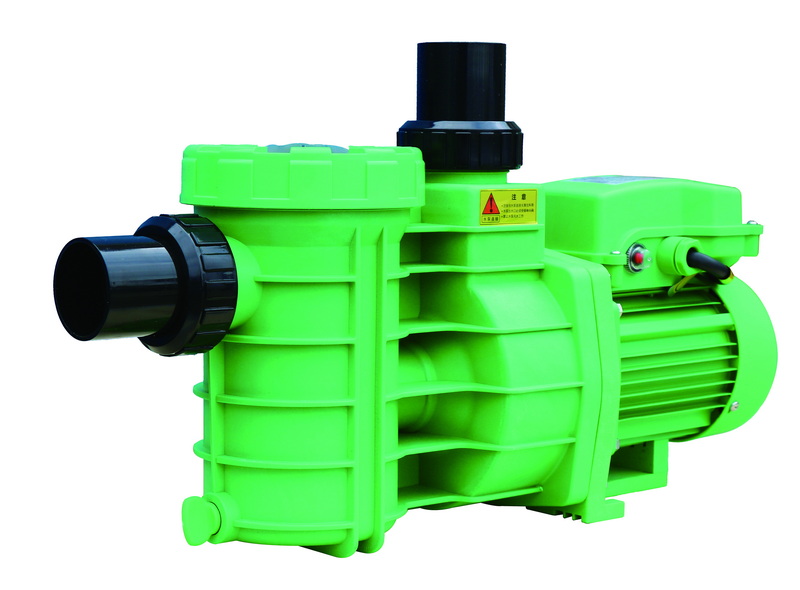
- Variable-speed pumps deliver substantial energy savings, often reducing electricity consumption by 50–70% compared with traditional single-speed units, depending on usage patterns and local energy prices.
- The right speed for filtration is usually lower than full speed; running at lower speeds reduces energy use while maintaining adequate turnover. Scheduling filtration during off-peak hours can further reduce costs.
- For owners considering OEM or white-label solutions, selecting a pump with an efficient motor, soft-start capability, and robust drive electronics helps minimize maintenance costs and extend unit life.
- Ensure the pump's flow rate is compatible with the filtration system's design. If the filter is undersized for the pump, filtration efficiency drops, and pressure can rise, shortening filter life.
- Match the pump to the filter's maximum flow rating. If the filter is rated for 50 GPM, aim for pump output in that neighborhood at the TDH of the system.
- Consider the entire filtration loop: skimmer baskets, pre-filters, strainers, and any in-floor cleaning systems. All components contribute to head loss and affect the required pump performance.
- Proper priming and venting: Submersible or flooded suction lines should be primed correctly; air leaks reduce performance and cause cavitation.
- Electrical safety: Use a properly grounded GFCI-protected circuit with appropriate enclosures and circuit protection. Ensure all wiring is sized for the pump's amperage and voltage.
- Pipe quality and fit: Use correct pipe sizes, solvent-weld or mechanical joints as required, and minimize friction losses with smooth bends or sweeps rather than sharp elbows.
- Micro-leak checks: Inspect for leaks at joints and seals. Small leaks increase operating costs and reduce performance.
- Debris management: Regularly clean skimmer baskets and pump strainers to avoid flow restrictions. Debris in the pump or filter reduces efficiency and can cause damage over time.
- Regular servicing: Periodic checks of motor bearings, seals, and electrical connections help extend life and prevent sudden failures.
- OEM manufacturers supplying pool pumps to international brands should focus on robust, corrosion-resistant materials, reliable lubrication systems, and energy-efficient motor technology.
- Certifications and compliance: Ensure motors meet energy efficiency standards and safety certifications relevant to the target markets. Transparent documentation helps with international sales and warranty claims.
- After-sales support: Provide clear installation manuals, spare parts availability, and service networks to support wholesalers and end-users globally.
- Initial cost vs running cost: A higher upfront investment in a VS pump is often offset by lower energy bills over the pump's life, especially in pools with frequent filtration needs.
- Maintenance costs: VS pumps generally incur slightly higher maintenance costs due to more complex electronics, but well-designed units can be very reliable with proper service intervals.
- Replacement cycles: Pumps with high-quality motors and durable components last longer, reducing the total cost of ownership for OEM clients and end-users.
- Oversizing the pump relative to the filter: This wastes energy and can create excessive velocity through the filter, reducing filtration efficiency.
- Underestimating TDH: Long runs, elevation, and many fittings increase head loss; failing to account for this leads to undersized pumps and inadequate turnover.
- Ignoring automation and controls: Modern pool automation interfaces allow precise control of pump speed and filtration cycles, optimizing energy use. Skipping these controls can waste energy and reduce comfort.
1) Confirm pool volume with precise measurements, or use a trusted calculator to estimate total gallons.
2) Assess the filtration system: identify filter type, flow rating, and maximum recommended GPM. Ensure compatibility with the target pump.
3) Map the piping layout: note pipe size, length, turns, and vertical elevation. Estimate total dynamic head (TDH) based on height and friction.
4) Define desired turnover period: common targets are 8 hours, but some pool owners prefer shorter turnover during high-usage seasons.
5) Select the pump type: consider VS for efficiency, or dual-speed if you want two fixed speeds. Prevent oversizing by aligning pump output with filter capacity at the TDH.
6) Consider additional features: waterfalls, spas, heating, and heat recovery systems may influence head loss and TDH, nudging the choice toward a higher-capacity unit or higher-speed operation during turnover.
- Example 1: A 20,000-gallon rectangular pool with 1.5" plumbing and a mid-range sand filter. Target turnover in 8 hours. A 1.5 HP variable-speed pump provides the required flow at low speeds and can ramp up to meet high-turnover demands if needed, delivering energy savings during daily operation.
- Example 2: A 20,000-gallon pool with long length, multiple bends, and a water feature. The TDH is higher due to head losses. A 2 HP variable-speed pump, properly tuned, ensures turnover while maintaining acceptable energy use. Regular performance checks verify that the system remains balanced and efficient.
- Example 3: A 25,000-gallon pool with a high-efficiency DE filter and a modern heat pump. A VS pump with a narrow TDH curve allows precise matching to filter requirements, offering consistent clarity with the potential for energy optimization during off-peak hours.
- OEM strategy: select pump designs with modular components, reliable motors, and standardized controls that can be customized with branding and labeling for international markets.
- Documentation: comprehensive technical data sheets, installation manuals, warranty terms, and compliance certificates support smoother international sales and lower after-sales complexity.
- After-sales support: establish regional service centers or partner networks to minimize downtime and warranty claims, particularly in regions with challenging logistics.
- Energy standards: Power usage is increasingly regulated, pushing demand for efficient motors, variable-speed control, and smart energy management features.
- OEM customization: International brands are looking for flexible OEM partners who offer scalable production, consistent quality, and reliable supply chains.
For a 20,000-gallon pool, a 1.5 HP variable-speed pump is a dependable standard choice that balances efficiency, performance, and cost. However, the final decision should account for TDH, plumbing size, filter rating, and any water features. Modern VS pumps deliver meaningful energy savings and precise turnover control, especially when paired with suitably sized piping and filters. Selecting a proven OEM partner with robust support and clear documentation ensures reliable operation and favorable total cost of ownership for international brands and wholesalers.
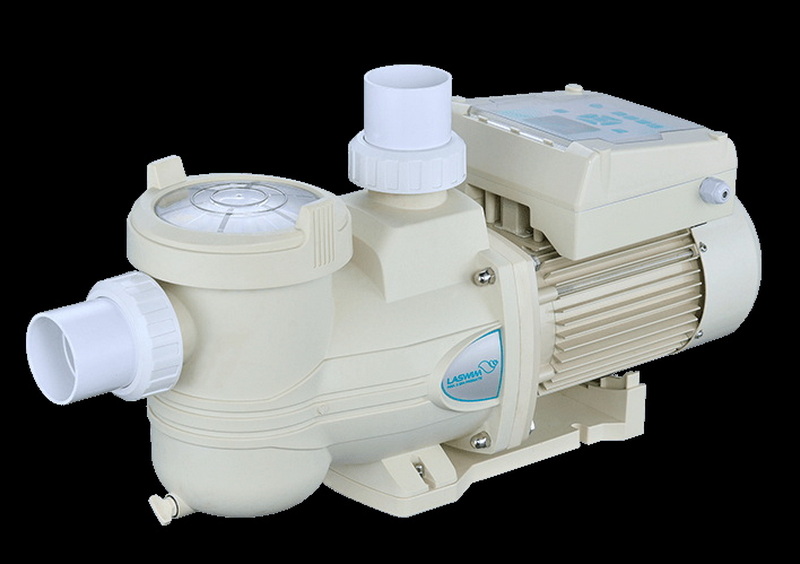
A 1.5 HP variable-speed pump is typically ideal, with the option to upgrade to 2 HP if plumbing, head loss, or water features demand higher flow, while maintaining proper filtration through matched components.
Turnover is gallons per 8 hours; divide pool volume by 8 to get GPH, then convert to GPM by dividing by 60. For 20,000 gallons, 20,000 ÷ 8 = 2,500 GPH ≈ 42 GPM.
It provides substantial energy savings by operating at lower speeds for filtration and ramping up only when necessary, leading to lower operating costs and longer equipment life.
Length and complexity of piping, pipe diameter, fittings, elevation changes, and additional water features all contribute to head loss, determining the required pump capacity.
Look for motors with corrosion resistance, reliable drive electronics, compliance certifications, transparent technical documentation, and strong after-sales support networks.
[1](https://blog.royalswimmingpools.com/blog/what-horse-power-pump-should-i-get-for-my-pool)
[2](https://www.astralpool.com.au/pool-and-spa-guides/what-size-pump-do-I-need-for-my-pool)
[3](https://lesliespool.com/blog/pool-pump-sizing-101.html)
[4](https://www.aquagem.com/news/pool-pump-sizing-guide-for-your-swimming-pool)
[5](https://www.swimuniversity.com/variable-speed-pool-pumps/)
[6](https://www.hayward-pool.co.uk/article/configurators/pump-configurator)
[7](https://www.youtube.com/watch?v=P7aptIXRN3U)


