
Views: 222 Author: Tina Publish Time: 2025-09-18 Origin: Site


Content Menu
● Calculating Your Pool's Volume
● Additional Factors Influencing Pump Size
● Pump Sizing Chart for Typical Pools
● Choosing the Right Pump Type
● Installation Tips for Optimal Pump Performance
● Maintenance and Troubleshooting
● Frequently Asked Questions (FAQs)
>> 1. How do I know if my pool pump is too big or too small?
>> 2. Can I use a variable-speed pump with all types of pool filters?
>> 3. How often should I run my pool pump?
>> 4. What pipe size is best for my pool pump?
>> 5. What maintenance does a pool pump require?
Choosing the right size pool pump is essential for maintaining clean, clear, and healthy pool water. A pump that is too small will struggle to circulate the water effectively, while an oversized pump wastes energy and may cause unnecessary wear. This detailed guide explains how to determine what size pool pump you need, considering factors such as pool volume, plumbing size, desired turnover rate, and pump efficiency to ensure optimal performance and cost-effectiveness.
A pool pump circulates water through the filtration system, removing debris and distributing chemicals evenly throughout the pool. It typically consists of a motor, impeller, and housing, which filters water before sending it back to the pool.
- Flow Rate (GPM): Gallons per minute, indicating how much water the pump can move.
- Horsepower (HP): Motor strength, affecting flow velocity and energy consumption.
- Turnover Rate: The time needed to circulate the entire pool volume once, usually recommended between 6 to 8 hours for clean water.
A properly sized pump balances energy efficiency with adequate water movement to maximize filter performance and prolong equipment life.
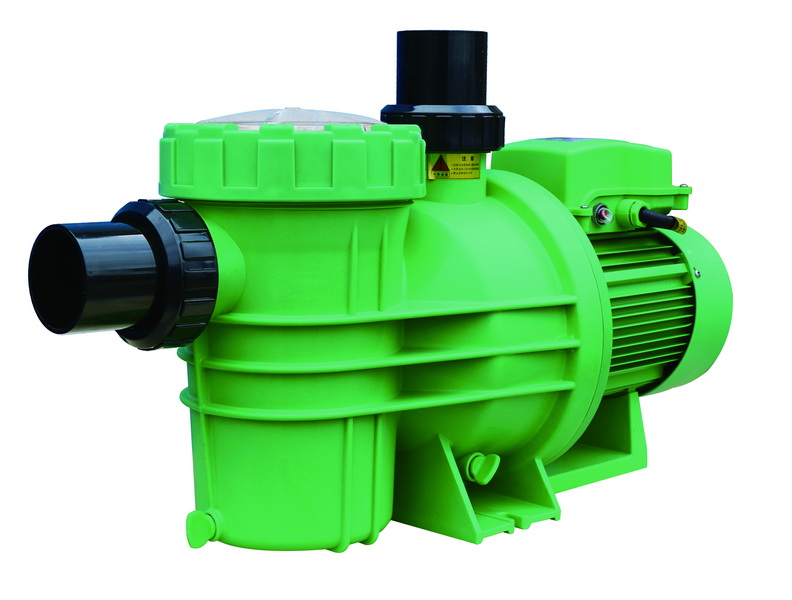
Before selecting a pump, it's crucial to calculate the exact volume of your pool. This volume dictates how much water the pump must circulate to maintain cleanliness.
Common Volume Formulas:
- Rectangular pool:
Volume (gallons)=Length (ft)×Width (ft)×Average Depth (ft)×7.5
- Circular pool:
Volume (gallons)=π×Radius2×Average Depth×7.5
Once the volume is known, calculate the flow rate needed using the desired turnover time. The turnover time defines how quickly you want to circulate all pool water through the filter.

For example, a 20,000-gallon pool with a 6-hour turnover time requires:
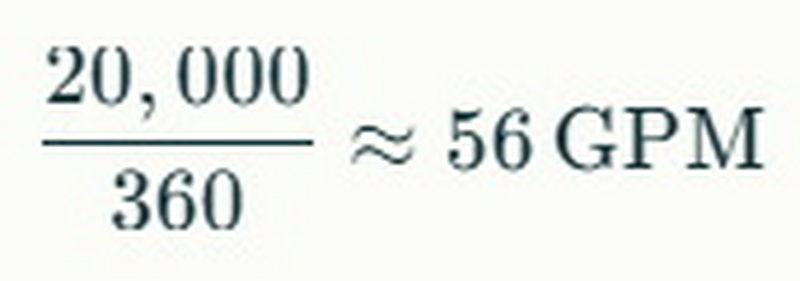
This value tells you how many gallons your pump should move each minute to achieve the turnover goal.
Beyond volume and turnover rate, several practical factors impact pump selection:
- Pipe Diameter and Length: Smaller or longer pipes create more resistance (head loss), reducing flow rate. Oversized pumps can't compensate for restrictive plumbing.
- Pool Features: Water features like waterfalls or spa jets require extra flow capacity to operate without affecting filtration.
- Pump Efficiency and Type: More efficient motors consume less energy for the same flow. Variable-speed pumps allow better control and energy savings over single-speed models.
- Filter Compatibility: Different filters (sand, DE, cartridge) work optimally within certain flow ranges. Excessive flow may damage or shorten filter life.
| Pool Volume (gallons) | Turnover Time (hrs) | Required Flow Rate (GPM) | Recommended Pump HP |
|---|---|---|---|
| 10,000 | 6 | 28 | 0.5 - 1.0 |
| 20,000 | 6 | 56 | 1.5 - 2.0 |
| 30,000 | 6 | 83 | 2.0 - 3.0 |
| 40,000 | 6 | 111 | 3.0 - 4.0 |
These recommendations can vary slightly depending on plumbing size and additional features.
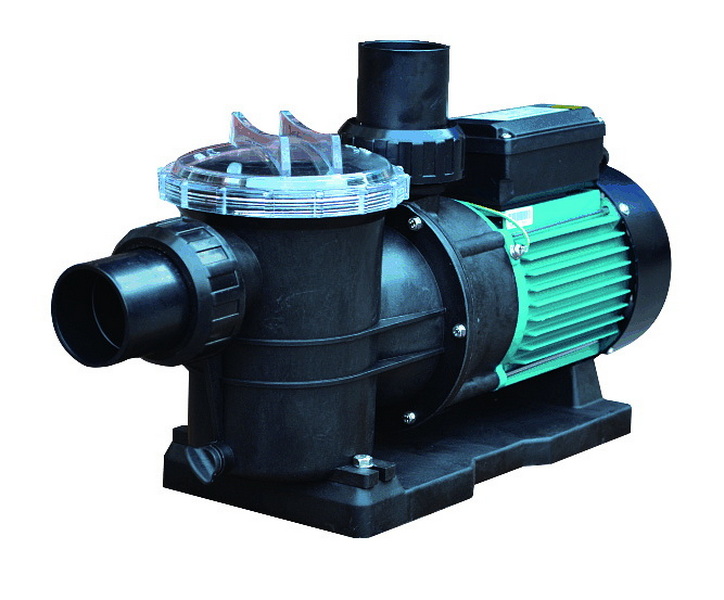
Pool pumps mainly come in three types, each with distinct advantages:
- Single-Speed Pumps: Operate at full power continuously. They are less energy-efficient and may cost more over time in electricity.
- Two-Speed Pumps: Have settings for high and low speed. Running at low speed saves energy while maintaining adequate circulation.
- Variable-Speed Pumps: Offer precise speed control, optimizing performance and cutting energy costs dramatically. They also run quieter and increase equipment lifespan.
Variable-speed pumps, while more expensive upfront, often prove cost-effective due to energy savings and better pool water management.
Proper installation ensures the pump operates efficiently and minimizes wear:
- Match your pump's capacity with pipe size; avoid excessive pipe restrictions.
- Install the pump as close as possible to the water source to minimize suction lift.
- Use a pump basket to trap debris before filtration.
- Ensure exhaust vents and motors have adequate ventilation.
- Employ variable-speed pumps with programmable timers to optimize run times based on pool usage.
Maintaining your pump maximizes lifespan and pool health:
- Clean the pump basket regularly to avoid clogs.
- Inspect seals and gaskets to prevent leaks.
- Monitor pressure gauges; abnormal pressure suggests filter issues.
- Listen for unusual noises indicating motor or bearing problems.
- Test water flow periodically and adjust pump settings as needed.
Choosing the right size pool pump requires careful calculation of your pool's volume, consideration of turnover rate, and understanding plumbing constraints. Selecting the appropriate pump horsepower and speed options ensures efficient water circulation, energy savings, and longer equipment life. Variable-speed pumps, though premium priced, typically offer the best balance of cost-efficiency and performance. Coupled with proper installation and regular maintenance, the right pump will keep your pool water sparkling clean and inviting throughout the swimming season.
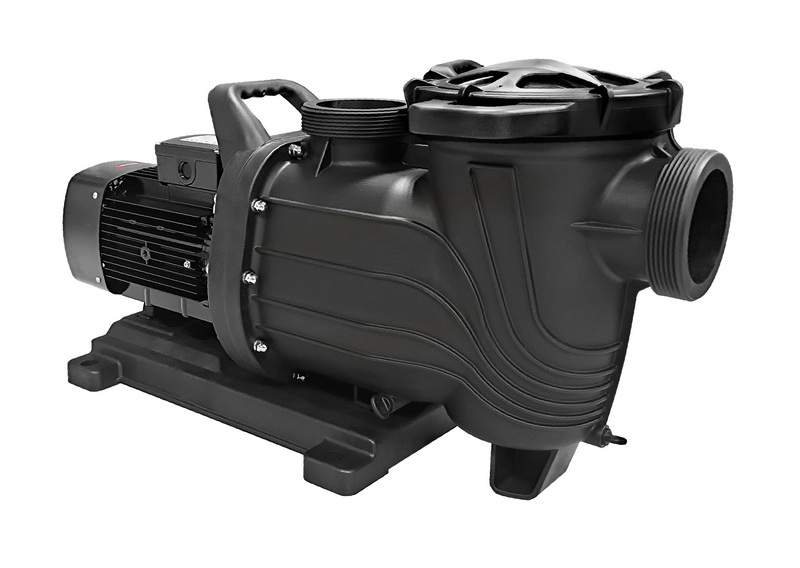
A pump too large causes excessive pressure, wastes energy, and may damage pipes or filters. A pump too small results in poor circulation and ineffective filtration, leading to cloudy water.
Yes. Variable-speed pumps are compatible with sand, diatomaceous earth (DE), and cartridge filters, offering energy savings and flexible flow rates.
It's recommended to run the pump long enough to circulate the entire pool volume once daily, usually 6 to 8 hours depending on pool size and climate.
Most residential pools use 1.5 to 2-inch pipes. Larger pools or pumps with higher flow rates may require 2.5-inch pipes or larger to reduce friction losses.
Regular cleaning of the pump basket and filter, inspection of seals and motor, checking for unusual noises, and ensuring proper water chemistry to prevent corrosion.


