
Views: 222 Author: Tina Publish Time: 2026-01-19 Origin: Site


Content Menu
● What backwashing really means
● Filters that are backwashed (and those that are not)
● Why backwashing is so important
● When to backwash your pool filter
● Overview of the backwashing process
● Detailed: how to backwash a sand filter
>> Step 1: Prepare the equipment
>> Step 2: Set the valve to “Backwash”
>> Step 3: Run the backwash cycle
>> Step 5: Return to filter mode
● Detailed: how to backwash a DE filter
>> Step 2: Set to backwash and run
>> Step 3: Rinse and return to filter
>> Step 4: Recharge with DE powder
● Water, chemical, and environmental considerations
● How often you really need to backwash
● Backwashing and total pool care
● OEM and upgrade opportunities for brands and wholesalers
● FAQ: Backwashing pool filters
>> Q1: What pressure should I backwash at?
>> Q2: How long should I backwash a sand filter?
>> Q3: Do I need to add DE powder after backwashing a DE filter?
>> Q4: Can I backwash my cartridge filter?
>> Q5: Is it possible to backwash too often?
>> Q6: Where should backwash water go?
Backwashing a pool filter is the process of reversing the normal flow of water through the filter so that trapped dirt, oils, and debris are flushed out of the system and discharged to waste. It is a key maintenance task for sand and DE pool filters that helps restore normal pressure, protect the pump, and keep pool water clear and healthy.
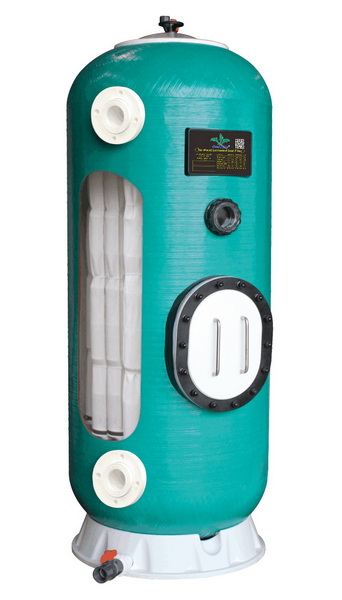
In normal “Filter” mode, water flows from the pool through the pump, into the filter, passes through the filter media, and then returns clean to the pool. During backwashing, the multiport valve is repositioned so that water flows through the filter in the opposite direction and carries the loosened debris out through a waste or backwash line instead of returning it to the pool.
- For sand filters, water normally travels from top to bottom through the sand bed, but in backwash mode it flows from bottom to top to lift and clean the sand.
- For DE filters, water normally flows through internal grids or fingers coated with DE powder, and backwashing reverses the flow to strip off the used DE and dirt.
Backwashing mainly applies to filters that use granular or powdered media that can be cleaned by reversing the flow.
- Sand filters: Use specially graded sand as the filtration medium; designed with plumbing that allows backwashing.
- DE filters: Use diatomaceous earth powder coating a set of internal grids or fingers; also designed to be backwashed.
Cartridge filters are different. They use pleated cartridges that are removed and cleaned manually with a hose or soaking solution. Cartridge filters normally do not have a backwash setting, and trying to backwash them like sand or DE units is not recommended.
Every time pool water passes through the filter, small particles are trapped in the media. Over time, this accumulation restricts the flow of water and increases resistance in the system. This shows up as:
- A rise in filter pressure (psi) on the gauge.
- Weaker return flow at the pool jets.
- Possible cloudy water or reduced circulation.
Backwashing is essential because it:
- Restores normal flow and operating pressure.
- Reduces strain on the pump and filter tank, lowering the risk of leaks or damage.
- Helps the sanitizer work more efficiently by improving circulation.
Most pool professionals use pressure as the main indicator of when to backwash. The common rule of thumb is:
- Backwash when the pressure gauge reads about 8–10 psi higher than the “clean” starting pressure for your system.
- For example, if your clean pressure is 15 psi, backwash when it reaches around 23–25 psi.
Other signs that it is time to backwash include:
- Noticeably weaker return jets even though the pump is running normally.
- Cloudy water despite proper chemical balance.
- After heavy storms, algae treatments, or when a lot of debris has entered the pool.
Although the exact instructions can vary by brand and model, most sand and DE filters follow a similar sequence for backwashing. The most important rule is: always turn the pump off before moving the multiport valve.
Basic steps:
1. Turn off the pump and ensure the system is completely stopped.
2. Attach or position the backwash hose so that waste water is directed to the proper drain.
3. Set the multiport valve from “Filter” to “Backwash” and make sure the handle is fully seated.
4. Turn the pump on and run until the backwash water turns from dirty to clear (typically 2–3 minutes).
5. Turn the pump off again and move the valve to “Rinse” (for sand and many DE filters).
6. Turn the pump on and run in “Rinse” for about 30–60 seconds to resettle the media and purge remaining debris to waste.
7. Turn the pump off, set the valve back to “Filter,” then restart the system and check the pressure.
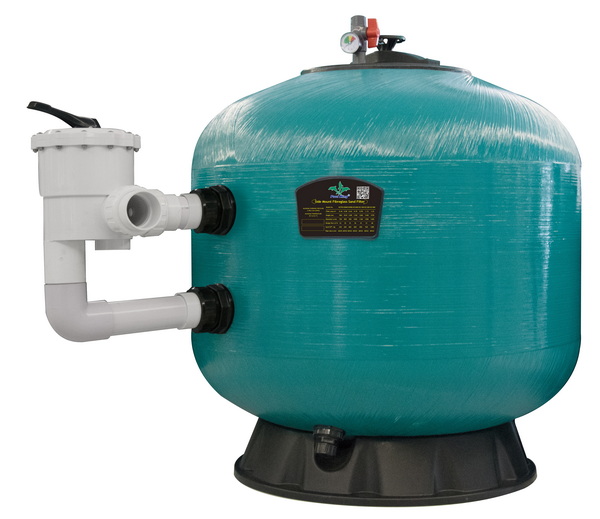
Sand filters are popular because they are robust, relatively simple, and easy to backwash. Adding more detail to each step helps pool owners avoid mistakes.
- Turn off the pump at the timer or control panel, and if necessary at the breaker.
- Make sure the backwash hose is properly attached to the waste outlet, not kinked, and routed to an appropriate drainage area.
- Press down the multiport handle fully and rotate it from “Filter” to “Backwash.”
- Release the handle, ensuring it locks into place to avoid leaks or bypass flow.
- Turn the pump back on. Water will now flow backwards through the filter, lifting the sand and washing debris out through the waste line.
- Watch the sight glass (if present) or the water coming from the backwash hose. It will usually start brown or cloudy, then gradually become clear.
- Continue backwashing for about 2–3 minutes, or until the water remains clear for at least 20–30 seconds.
- Turn off the pump again, then move the multiport valve from “Backwash” to “Rinse.”
- Turn the pump on and run in “Rinse” mode for about 30–60 seconds.
- This step flushes any remaining dirt out of the filter and settles the sand bed so it is level and ready for filtration.
- Turn the pump off once more and set the multiport valve back to “Filter.”
- Restart the pump and note the new pressure reading—this becomes your reference “clean pressure” if you have just cleaned or serviced the filter.
- Check for leaks around the valve and fittings, and confirm that the return flow at the pool is strong and consistent.
DE (diatomaceous earth) filters provide extremely fine filtration, but they require slightly more care during backwashing and always need DE powder added after the process.
- Turn off the pump and any connected automatic cleaner or booster pump.
- If your DE filter has an air relief valve, open it to release pressure before adjusting the valve or opening the tank.
- Move the multiport valve from “Filter” to “Backwash,” or operate the backwash valve according to the manufacturer's instructions.
- Turn the pump on and run until the backwash water changes from milky or gray to clear, typically 1–3 minutes.
- Some systems recommend short backwash and rinse cycles repeated more than once for heavily loaded filters.
- Turn off the pump and set the valve to “Rinse” (if available), then run for 30–60 seconds.
- Turn the pump off again, set the valve back to “Filter,” and restore normal flow.
- With the pump running in “Filter” mode, measure the correct amount of DE powder according to the filter's size and the manufacturer chart.
- Slowly add the DE powder into the skimmer closest to the filter. The powder is drawn into the filter and coats the grids or fingers to create the new filtering surface.
- After a few minutes, check the pressure. It should be higher than zero but lower than the pre‑backwash level.
Backwashing is necessary, but it discharges water and dissolved chemicals out of the pool system. This has several implications:
- Water loss: Each backwash can waste hundreds of liters of water, depending on filter size and run time. This may slightly lower the pool water level and require topping up.
- Chemical loss: Water that goes to waste also carries away chlorine, stabilizer, and other chemicals. After large or frequent backwashes, the pool may need chemical adjustments.
- Environmental rules: Many regions have regulations on how pool backwash water may be discharged. Directly dumping onto the street, storm drains, or neighboring properties is often not allowed. Backwash lines are usually directed to sanitary sewer or an approved infiltration area.
Avoiding a few common errors can greatly extend equipment life and prevent safety issues.
- Moving the valve with the pump running: This can damage the spider gasket or internal parts of the multiport valve, leading to leaks and poor sealing between modes.
- Skipping the rinse step (for sand and many DE filters): Without rinsing, a cloud of dirty water or loose media can be pushed back into the pool when you return to filter mode.
- Backwashing too often: Backwashing more frequently than necessary wastes water and chemicals and may slightly disturb the sand bed more than needed.
- Ignoring very high pressure: If pressure climbs rapidly or approaches unsafe levels, there may be a blockage, closed valve, or other issue that must be fixed immediately, not just backwashed away.
The right frequency depends on the pool environment, usage, and filter type, but you can use these practical guidelines:
- Use the pressure rule: Backwash when the pressure is about 8–10 psi above your clean baseline. For some energy‑efficient systems with lower flow, a smaller pressure rise may be recommended.
- Expect more frequent backwashing during: heavy swimming, storms, spring startup, algae treatment, and periods with high pollen or dust.
- DE filters often need less frequent but more careful backwashing compared with sand filters, because they capture finer particles.
Residential pools often end up on a pattern such as once a week in peak season combined with the pressure rule, while commercial pools may need more frequent attention because of higher bather loads.
Backwashing is one part of a complete pool care routine. Even a perfectly backwashed filter cannot compensate for poor circulation design or badly balanced water. For best results:
- Maintain correct water chemistry: Keep sanitizer, pH, alkalinity, and stabilizer within recommended ranges so that filtration and disinfection work together.
- Brush and vacuum regularly: Brushing walls and steps loosens films and algae so they can be filtered out, reducing how hard the filter has to work.
- Clean skimmer and pump baskets: Clogged baskets can restrict flow and cause symptoms similar to a dirty filter, even if the filter itself is clean.
- Inspect filter internals periodically: For sand filters, look for channeling or areas where water bypasses the sand. For DE filters, check grids or fingers for tears and wear.
For OEM brands, wholesalers, and professional installers, backwashing is also a great topic for product differentiation and user education. When designing or selecting products:
- Offer user‑friendly valve design: Large, clearly printed labels and an ergonomic handle make it easier for homeowners to select the correct modes without confusion.
- Integrate visibility and indicators: Oversized sight glasses, pressure gauges with color zones (green, yellow, red), or even digital sensors can show when backwashing is needed.
- Provide content support: Include QR codes on the filter label that link directly to short “How to backwash this filter” videos, multilingual manuals, and troubleshooting guides.
- Promote efficient systems: Combine high‑performance sand or DE filters with energy‑efficient pumps, smart timers, and LED pool lighting to market integrated backyard solutions.
Backwashing a pool filter is the essential process of reversing water flow through sand or DE media to flush out accumulated dirt, oils, and fine particles, sending them to waste instead of back to the pool. By watching the pressure gauge, following the correct backwash–rinse–filter sequence, and recharging DE filters with fresh powder when needed, pool owners can maintain strong circulation, protect pumps and filter tanks, and keep water sparkling clear. When combined with balanced water chemistry, good brushing and vacuuming habits, and periodic equipment inspections, consistent backwashing will extend equipment life, reduce downtime, and create a safer, more enjoyable swimming experience for both residential and commercial pools.
Contact us to get more information!
Most systems should be backwashed when the filter pressure is about 8–10 psi higher than the normal clean starting pressure. For example, if clean pressure is 15 psi, you would usually backwash around 23–25 psi.
A typical backwash cycle for a sand filter lasts about 2–3 minutes, or until the water in the sight glass or backwash hose turns completely clear and stays that way for at least 20–30 seconds. After that, run the “Rinse” cycle for about 30–60 seconds before returning to “Filter.”
Yes. Backwashing a DE filter removes most of the old DE powder along with trapped debris, so you must add fresh DE powder through the skimmer while the system is in “Filter” mode. Use the amount recommended by the filter manufacturer for your filter size.
No. Cartridge filters are not designed to be backwashed with a multiport valve. Instead, turn off the system, open the filter tank, remove the cartridges, and clean them with a hose or soak them in a suitable cleaning solution, then reassemble and restart the system.
Yes. Backwashing more often than needed wastes water and chemicals and may disturb the sand bed more than necessary. It is better to use the pressure rise rule and real conditions (cloudiness, heavy debris) instead of guessing or following a rigid daily schedule.
Backwash water should be directed to an approved drainage point, usually a sanitary sewer connection or a designated soak‑away area that complies with local regulations. Avoid discharging onto neighboring property, streets, or storm drains unless your local rules allow it.
1. https://www.eco-outdoor.com/en-us/outdoor-design/when-to-backwash-your-pool
2. https://mrpoolman.com.au/blogs/news/how-to-backwash-a-pool-sand-filter
3. https://www.hornsbypoolcare.com.au/how-to-backwash-a-pool-sand-filter
4. https://bigbecks.com/how-to-backwash-a-sand-filter-a-step-by-step-guide/
5. https://lesliespool.com/blog/how-to-backwash-a-sand-filter.html
6. https://poolpartstogo.com/blogs/articles/how-to-backwash-your-pool-filter-the-easy-way
7. https://www.swimmingpool.com/maintenance/pump&filter/how-to-backwash-de-pool-filter/
8. https://intheswim.com/blog/best-pool-filter-type-de-sand-or-cartridge.html
9. https://splashfiberglasspoolcompany.com/sand-filter-vs-de-filter-which-is-right-for-you/
10. https://www.swimuniversity.com/de-filter/
11. https://www.poolspanews.com/how-to/maintenance/a-new-view-on-when-to-backwash_o
12. https://poolpartstogo.com/blogs/articles/how-to-backwash-your-pool-filter-the-easy-way


