
Views: 222 Author: Tina Publish Time: 2025-08-10 Origin: Site


Content Menu
● Why Is Pool Protection Important During a Freeze?
● Should You Leave Your Pool Pump Running During a Freeze?
>> Why is Running the Pump Important?
● How to Safely Run Your Pool Pump During a Freeze
>> 2. Use Freeze Protection Features on Automation Systems
>> 3. Keep All Valves and Lines Open
>> 4. Maintain Proper Water Levels
>> 5. Maintain Pool Cleanliness
>> 6. Insulate Exposed Plumbing Lines
>> 7. Consider Using Pool Antifreeze for Vulnerable Lines
● What to Do if You Lose Power During a Freeze
● Additional Tips to Prevent Freeze Damage
>> Break Up Ice on Pool Surface
>> Adjust Jets to Reduce Surface Freezing
>> Monitor Weather Reports Closely
>> 1. Can my pool pump freeze while running?
>> 2. Do I need to run my pool heater during freezing temperatures?
>> 3. What if my pool pump doesn't have freeze protection?
>> 4. Is it okay to close valves to save energy during a freeze?
>> 5. How long should I keep the pump running after the freeze?
>> 6. Will running the pump 24/7 drastically increase my electricity bill?
>> 7. Can using a pool cover help prevent freeze damage?
Freezing temperatures pose a significant threat to swimming pools and their equipment. As a professional manufacturer of top-quality sand filters, pool pumps, LED lights, and accessories using smart machinery in China, we understand how crucial it is to protect pools during cold weather. This article comprehensively explores whether you should leave your pool pump running during a freeze, the reasons behind it, and best practices to safeguard your pool. We also include detailed explanations, recommendations, and visual guides to enrich your understanding.
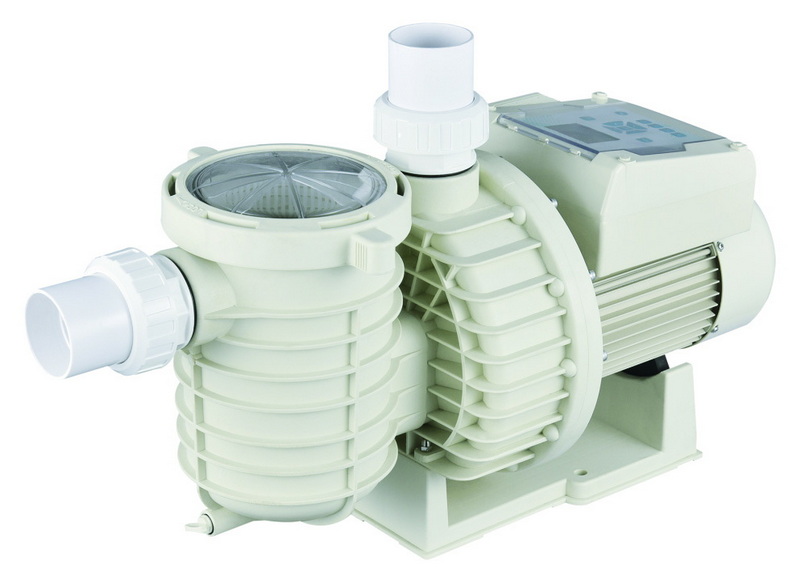
When water freezes, it expands by about 9%. This expansion can cause severe damage to your pool plumbing, filters, pumps, and other equipment. Frozen pipes can crack or burst, pool equipment may be ruined, and costly repairs or replacements may become necessary. Damage to the surface finish of your pool, such as plaster or tiles, can also occur if ice expands inside the walls or plumbing lines.
Keeping your pool water moving during freezing weather is a widely recommended strategy to prevent water from freezing solid in pipes and equipment. Circulating water also helps keep the water chemistry balanced and prevents stagnation, which can cause other problems like algae growth.
- Moving Water Does Not Freeze Easily: Water in motion is much less likely to freeze. Keeping the pump on ensures water circulation through pipes, filters, and pumps, minimizing freezing risk.
- Pump Helps Protect Plumbing and Equipment: Running the pump keeps water flowing, protecting your plumbing from ice damage due to expansion.
- Built-in Freeze Protection Systems: Many modern pool automation systems include freeze protection features that automatically turn the pump and other equipment on when temperatures approach freezing.
- Avoiding Expensive Repairs: Running your pump continuously during freezes is a simple and effective step to avoid costly repairs from burst pipes or damaged equipment.
- Maintaining Pool Circulation Benefits: Besides freeze protection, continuous circulation during cold periods improves filtration and chemical distribution, enhancing overall pool health.
Keep your pool pump running continuously as temperatures approach or fall below 32°F (0°C). Avoid using timers that may switch off the pump at night or during cold spells, as this can allow water to freeze when the pump stops. If power costs are a concern, check if your pool system has an energy-saving freeze protection mode.
For pools equipped with automation, check that the freeze protection settings are active and set to trigger around 37-38°F. These systems automatically turn the pump on and off as necessary to maintain protection with minimal energy use, allowing peace of mind with an efficient approach.
Ensure all pool valves—including spa and pool valves—and lines are open to allow water to circulate properly. Closed valves can trap water that freezes and damages pipes. Verify that circulation pathways are unrestricted to ensure proper flow throughout the system.
Keep your pool water level at the appropriate height, usually just above the skimmer, to ensure skimmers and pumps operate without sucking air. Low water levels risk the pump running dry and failing, causing mechanical damage and loss of circulation.
Regularly clean skimmer baskets, pump strainers, and filters, especially in cold weather, to ensure good water flow. Debris buildup can reduce circulation and increase freezing risk. A clean pool system is inherently more resilient to the stresses of freezing conditions.
Wherever possible, insulate exposed pipes, valves, and equipment in unheated areas to reduce heat loss. Foam pipe insulation sleeves, heat tape, or heated blankets can help prevent freezing and reduce the workload on the pump to keep water moving.
In areas where water cannot be continuously circulated or during extended power outages, swimming pool antifreeze—non-toxic and specially formulated for pools—can be poured into plumbing lines to prevent freezing.

Power outages during freezing weather pose a particularly high risk to pool equipment. Without pump operation, water stops moving, allowing freezing and damage to occur rapidly.
- Turn off the equipment at the circuit breaker to prevent damage when power returns.
- Remove drain plugs and lids from pumps, filters, heaters, and chlorinators to allow water to drain out, reducing freeze damage risk.
- Cover the equipment with blankets or tarps for additional insulation.
- Check local power outage forecasts and consider battery backup or generator options for the pump during freezing seasons.
- After power is restored, replace all plugs only after ensuring the system has water and is safe to power back on.
If ice starts to form on the pool surface, gently break it up to keep skimmer doors and pumps clear and prevent ice blockage. Use a pool brush or other appropriate tool without damaging the pool finish.
Aim jets slightly upward so water movement disturbs the surface and minimizes ice formation near skimmers and in plumbing lines.
A good-quality pool cover can keep debris out and can also slightly raise the water temperature, thus offering mild freeze protection.
Be proactive with weather monitoring to switch your system into freeze protection mode before temperatures drop. Prevention is always preferable to repair.
Regularly check your pool system during cold snaps, ensuring pumps are running, valves are open, and no damage is occurring.
Leaving your pool pump running continuously during freezing weather is an essential and effective measure to protect your pool and associated equipment from freeze damage. Circulating water prevents ice formation in pipes, filters, and pumps, saving you from costly repairs and system replacements. Use automation systems with freeze protection features if available, keep valves open, maintain proper water levels, insulate exposed plumbing, and prepare for potential power outages to safeguard your pool effectively throughout cold weather.
In addition to these practices, regularly monitoring weather forecasts and conducting routine winter checks on your pool system are critical. Employing these measures allows you to protect your investment and enjoy a fully functional pool when warmer weather returns.

If your pump is running continuously, it is very unlikely to freeze. Moving water prevents ice formation in the pump and pipes. However, if water circulation slows or stops, freezing can still occur.
No. Running the pool heater during a freeze is unnecessary and can potentially damage the heater unit. The pool pump alone is sufficient to maintain circulation and prevent freezing.
You should manually run the pump continuously during cold spells. For added convenience and safety, consider installing a freeze protection system or automation with freeze detection features.
No. Closing valves traps water in pipes that can freeze and expand, causing damage. Always keep all valves open for full circulation during freezing temperatures.
Keep it running until outdoor temperatures consistently stay above freezing for several days to ensure that all water in pipes and equipment has thawed completely.
While running the pump continuously does increase energy consumption, many modern pool pumps have variable speed settings that reduce energy use when full speed is not necessary. Using freeze protection automation can also minimize runtime while protecting your system.
Yes. Pool covers reduce heat loss and help keep debris out, which enhances freeze protection. However, a cover alone is not sufficient—water circulation remains essential.


