
Views: 222 Author: Tina Publish Time: 2025-11-20 Origin: Site


Content Menu
● Understanding Pool Ladder Types
>> Platform or Deck-Mount Ladders
● Essential Tools and Materials
● Step-by-Step Guide: Mounting a Pool Ladder to Your Deck
>> Step 1: Identify Ladder Placement
>> Step 2: Measure and Mark Anchor Locations
>> Step 4: Install Ladder Anchors or Flanges
● Real-World Example: Premium Installation with Chinese-Made Pool Accessories
● Maintenance Tips After Mounting
● Troubleshooting Common Ladder Installation Problems
>> 1. What type of ladder anchors are best for a concrete deck?
>> 2. Can pool ladders be installed on composite or wooden decks?
>> 3. How do I prevent rust on my pool ladder?
>> 4. How often should the ladder mounting hardware be inspected?
>> 5. Can I move my mounted pool ladder if I change my deck design?
A well-installed pool ladder is fundamental for safe entry and exit, particularly for children and seniors. Proper mounting also enhances the longevity of your ladder and deck while reducing risks of accidents and costly damages. In this step-by-step guide, you'll learn how to securely mount a pool ladder to your deck, gain tips for long-term maintenance, and see example installations using premium filtration equipment manufactured in China.
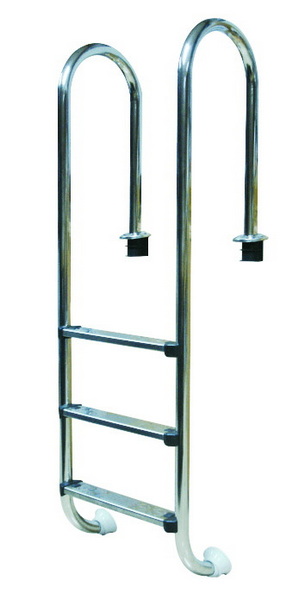
Pool ladders come in a variety of shapes and functionalities, each suited for different pool structures. Recognizing the right kind for your pool is the first step before installing.
- Typically made of stainless steel or heavy-duty resin.
- Designed for fixed installation into concrete or composite decks.
- Often include flanges or anchors for stability.
- Made with corrosion-resistant materials.
- Designed as freestanding units or as brackets fastened to the pool rim or deck.
- Feature wide treads for stability.
- Secured directly to the pool deck using anchor sockets or flanges.
Before you begin mounting, gather all necessary tools and supplies:
- Drill (with masonry or wood bits)
- Stainless steel bolts and washers
- Pool ladder anchors or mounting flanges
- Wrench set
- Level
- Tape measure
- Pencil or chalk
- Silicone sealant
- Anchor epoxy (for concrete decks)
Locate the safest and most accessible area on the deck for ladder mounting. Choose a position that offers easy pool access, avoids skimmers and water returns, and does not obstruct swim lanes.
- Stand near the edge of the pool and ensure there is enough room on the deck for the ladder and mounting hardware.
- Check that the intended spot does not interfere with pool covers or automatic cleaners.
Using your ladder's base as a template:
- Position the ladder so the legs are flush with the pool edge.
- Use a tape measure to ensure both legs are equidistant from the pool corners.
- Mark the anchor hole locations with a pencil or chalk on the deck.
Select a masonry bit for a concrete deck, or a wood bit for a composite or timber deck.
- Drill holes to the depth outlined in your ladder manufacturer's instructions, ensuring the correct diameter for your anchor type.
- Vacuum away all dust and debris.
- Insert anchor sockets (typically brass or resin) into the drilled holes for concrete decks, securing them with anchor epoxy.
- For wood or composite decks, align and fasten ladder flanges directly to the surface using stainless steel bolts.
- Place the ladder legs into the anchors or position above the flanges.
- Secure tightly using the provided set screws or bolts.
- Use a wrench to ensure stability; the ladder should not wobble or shift under weight.
- Apply a bead of silicone sealant around anchor bases to prevent water seepage.
- Confirm all hardware is rust-resistant or made of stainless steel for longevity.
- Gently step on each rung, applying gradual weight.
- Ensure no movement or shifting occurs.
- Double-check all fasteners and re-tighten if needed.
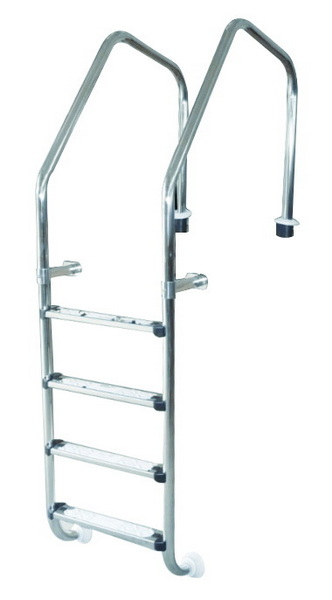
Leading pool equipment manufacturers in China, such as those specializing in sand filter tanks, DE filters, and pool accessories, produce high-quality, OEM-grade products trusted worldwide. When outfitting a pool:
- Combine a durable ladder with a sand filter system for a cleaner, safer pool environment.
- Opt for energy-efficient water pumps and LED lighting to elevate both function and ambiance.
- Select accessories made with saltwater-resistant materials for long-term value.
Regular maintenance extends the life of your ladder and maintains deck safety:
- Check and tighten ladder bolts every few months.
- Inspect for rust, corrosion, or movement around anchor sites.
- Clean stainless steel parts with gentle non-chlorine cleansers to prevent pitting.
- Reseal anchor bases annually to protect against water intrusion.
Even with careful installation, issues may arise:
- Cause: Anchors not fully seated or bolts insufficiently tightened.
- Solution: Re-seat anchors or reinstall with appropriate hardware.
- Cause: Non-stainless hardware or water infiltration.
- Solution: Replace with high-quality stainless components; reseal anchor bases.
- Cause: Incorrect markings or uneven deck surface.
- Solution: Re-measure, adjust anchor positions, or shim flanges for proper fit.
Pool safety remains paramount:
- Install slip-resistant pads on rungs for secure footing.
- Confirm all bolts are flush with deck surfaces to avoid tripping hazards.
- Use only manufacturer-approved anchors and hardware.
Mounting your pool ladder to the deck requires careful planning, the right tools, and attention to detail. By following these steps, you ensure a secure and safe pool environment for years to come. Regular inspection and proactive maintenance further extend the life of your ladder and deck, keeping your swimming experience safe and convenient.
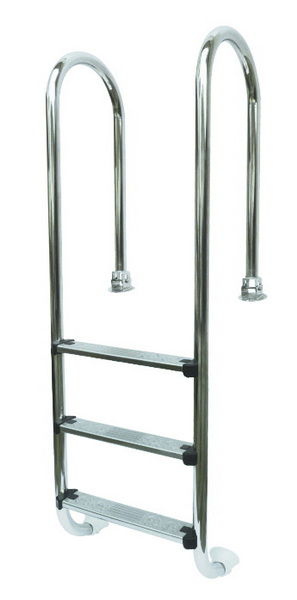
Brass or resin anchor sockets embedded in epoxy are preferred for concrete decks. They offer superior resistance to corrosion and a stable mounting base.
Yes, provided high-quality stainless steel flanges and hardware are used to resist rust and provide a strong hold.
Choose ladders and hardware made from 304 or 316 stainless steel. Regularly clean and dry exposed metal parts, and promptly repair scratches to prevent corrosion.
Inspect at least twice per season, or monthly if the pool is used frequently. Tighten bolts and check for signs of movement or corrosion.
Yes, but you may need to patch and seal old anchor holes and ensure new spots meet structural requirements before reinstalling.


