
Views: 222 Author: Tina Publish Time: 2026-01-13 Origin: Site


Content Menu
● Safety, Tools, and Preparation
● Removing the Old Pool Pump Motor
● Transferring Parts and Installing the New Motor
● Wiring, Grounding, and Bonding the Motor
● Reassembly, Priming, and Testing
● FAQs About Installing a Pool Pump Motor
>> Q1: How do I know if my pool pump motor needs replacement instead of repair?
>> Q2: Can I install a pool pump motor myself, or do I need a professional?
>> Q3: How long does it take to replace a pool pump motor?
>> Q4: What size motor should I choose for my pool pump?
>> Q5: How can I make my new pool pump motor last longer?
How to install a pool pump motor involves shutting off power, disconnecting the old motor and wiring, transferring the pump parts, installing the new motor, wiring it correctly, then priming and testing the system. Done correctly, this extends the life of your pool filtration system and keeps the water clean and safe.[1][2][3]
Installing or replacing a pool pump motor is a mid‑level DIY job that many pool owners can handle with proper preparation and safety. Always follow local electrical codes and the motor manufacturer's instructions, and hire a licensed electrician if you are unsure about any electrical work.[3][4][1]
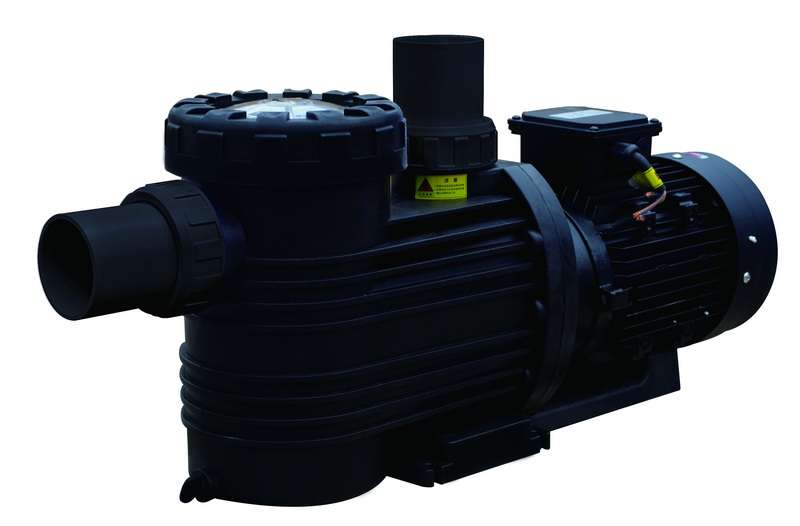
Before touching any part of a pool pump motor, turn off power at the breaker and verify there is no electricity at the motor terminals with a non‑contact voltage tester. Working on live circuits around water is extremely dangerous and can cause serious injury or death.[4][5][6][3]
Tools and materials you typically need:[2][1]
- Screwdrivers (flathead and Phillips)
- Wrenches or socket set
- Pliers and adjustable wrench
- Non‑contact voltage tester
- Wire strippers and wire nuts or terminal connectors
- Replacement pump motor with matching horsepower and voltage
- New shaft seal and O‑rings (seal kit)
- Teflon tape and PVC cement (if plumbing is changed)
Preparation checklist:[7][2]
- Confirm motor specs (HP, voltage, frame type) match the pump and old motor.
- Check that wire size and circuit amperage meet manufacturer requirements.
- Make sure the equipment pad is level, dry, and well‑ventilated.
Most installations start with removing the old motor, volute, and impeller assembly from the existing pump housing. Carefully labeling wires and parts will make the new motor installation faster and safer.[8][1]
Step‑by‑step removal:[1][7]
1. Turn off and lock out the breaker feeding the pool pump circuit.
2. Remove the pump lid and drain plugs to relieve pressure and drain water.
3. Disconnect suction and return valves so no water flows while you work.
4. Open the motor wiring compartment cover on the back of the motor.
5. Take clear photos of the existing wiring connections and label each wire.
6. Loosen the conduit connector and pull the wires and conduit away from the motor.
7. Remove the bolts or clamp band that join the motor/volute to the pump housing.
8. Slide the motor and seal plate assembly straight back from the housing.
Once the assembly is out, the impeller, diffuser, and shaft seal can be accessed for transfer to the new motor. Inspect these parts for cracks, wear, or scaling, and plan to replace the shaft seal and any brittle O‑rings.[8][3][1]
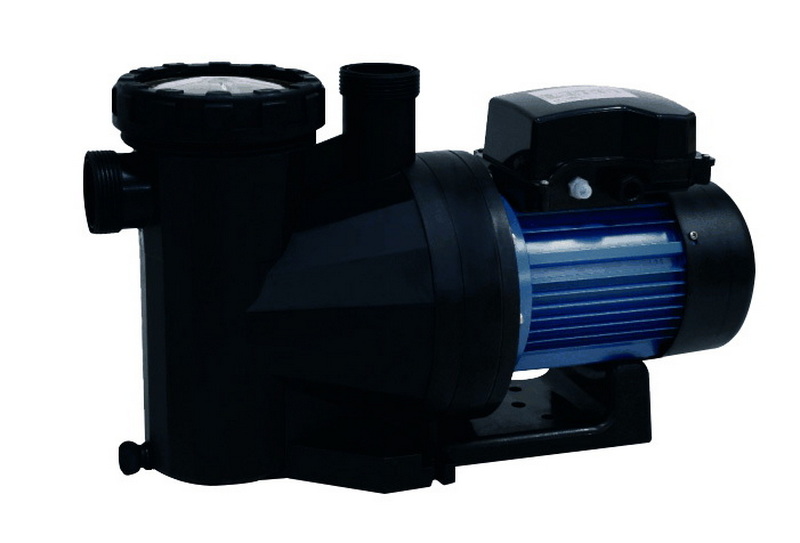
Correctly transferring the seal plate, shaft seal, diffuser, and impeller to the new motor is critical to prevent leaks and premature motor failure. Always use a new mechanical seal when installing a replacement motor, as reusing old seals often leads to leaks that can burn out the new motor.[3][1]
Transferring pump components:[1][8]
1. Remove the diffuser (usually a few screws) from the front of the old motor assembly.
2. Hold the motor shaft at the back with a wrench and unscrew the impeller from the shaft.
3. Remove the seal plate and old mechanical seal components from the motor.
4. Clean the seal plate and impeller surfaces to remove scale or debris.
5. Install the new mechanical seal into the seal plate and onto the impeller, taking care not to touch the polished faces.
Mounting the new motor:[3][1]
1. Attach the clean seal plate to the new motor using the appropriate screws or bolts.
2. Thread the impeller onto the new motor shaft while holding the shaft from the back.
3. Reinstall the diffuser over the impeller, aligning tabs and screw holes.
4. Check that the assembly spins freely by hand without rubbing or binding.
After the motor assembly is rebuilt, it can be bolted back onto the stationary pump housing with the original bolts or clamp band. Ensure all O‑rings are lubricated with a suitable pool‑safe lubricant and seated properly to avoid suction or pressure leaks.[2][1][3]
Correct electrical wiring, grounding, and bonding are essential for safe pool pump motor operation. Always verify voltage and wiring configuration (115 V or 230 V) on the new motor's nameplate and adjust internal selector switches if required.[4][3]
Basic wiring steps (overview):[2][3]
1. Confirm the circuit breaker rating and supply voltage match the motor nameplate.
2. Feed the supply wires through the conduit and into the new motor's wiring compartment.
3. Strip wire ends and connect to the appropriate terminals according to the motor diagram.
4. Tighten all terminal screws and secure with approved connectors or wire nuts.
5. Attach the green or bare ground wire to the motor's internal grounding screw.
In addition to grounding, the motor casing must be bonded to the pool's bonding grid using the external bonding lug and a solid copper bonding wire. Bonding equalizes potential between conductive objects around the pool and reduces the risk of shock in wet environments.[5][6][4][3]
Important safety notes:[4][3]
- Always comply with national and local electrical codes.
- Use wire sizes recommended for the motor's voltage, horsepower, and run length.
- If unsure, use a licensed electrician, especially for new installations or code upgrades.
Once plumbing and wiring are complete, the motor and pump assembly must be primed and tested to confirm proper circulation and quiet operation. Skipping priming can cause the pump to run dry, overheating the seal and damaging the motor.[7][2]
Reassembly and plumbing:[7][2]
1. Bolt or clamp the motor/volute assembly back onto the fixed pump housing.
2. Reconnect any unions, valves, or PVC fittings; use Teflon tape and PVC cement where needed.
3. Ensure the pump sits level on a solid base to minimize vibration and noise.
Priming procedure:[2][7]
1. Open suction and return valves so water can reach the pump.
2. Remove the pump lid and fill the strainer basket housing completely with water.
3. Clean and lubricate the lid O‑ring, then reinstall and hand‑tighten the lid.
4. Restore power at the breaker and start the pump.
5. Within 30–45 seconds, check for a solid, bubble‑free flow of water in the pump lid and at the pool returns.
Check for leaks around unions, the seal plate, and the drain plugs, and listen for unusual noises like grinding or rattling that may indicate misalignment or debris. After a successful test, monitor the system for the first day of operation to ensure consistent pressure and stable flow.[1][2]
Installing a pool pump motor safely involves careful attention to power shut‑off, correct disassembly, and precise reassembly with a new mechanical seal and properly fitted components. Accurate wiring, grounding, bonding, and thorough priming help ensure reliable performance, lower noise, and longer service life for your filtration system.[3][1][2]
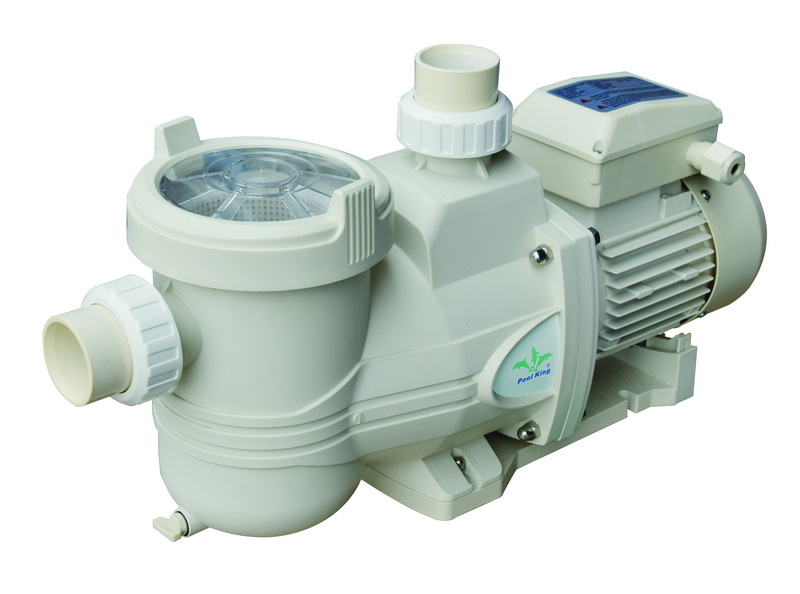
A pool pump motor may need replacement if it hums but will not start, trips the breaker repeatedly, or shows signs of severe rust, overheating, or water damage. If bearings are very noisy or the motor frequently overheats and shuts off, replacement is usually more cost‑effective than repair.[1][3]
Many experienced DIY homeowners can physically replace a motor, but the electrical work must comply with local codes and safety standards. If you are not confident with electrical wiring, grounding, and bonding, a licensed electrician or pool technician should complete the installation.[5][4][3]
With the right tools and no complications, a straightforward motor swap typically takes 1–3 hours, including disassembly, seal replacement, wiring, and priming. Extra time may be needed if plumbing must be modified or if parts are corroded and difficult to remove.[8][1]
The replacement motor should match the original pump's horsepower, service factor, and voltage as specified on the pump and motor labels. Upsizing or downsizing without hydraulic calculations can reduce efficiency, increase energy costs, or damage other system components.[9][2][3]
Maintain clean baskets and filters, keep water chemistry balanced, and avoid running the pump dry to reduce strain on the motor and seal. Schedule periodic inspections for leaks, overheating, or unusual noises, and address issues early to extend motor life.[7][4][2][3]
[1](https://www.poolmarttx.com/post/guide-to-replace-your-swimming-pool-pump-motor--a-step-by-step-guide)
[2](https://poolpartstogo.com/blogs/articles/step-by-step-guide-installing-a-pool-pump-and-ensuring-proper-circulation)
[3](https://www.inyopools.com/pool-101-pool-motor-installation-guidelines.aspx)
[4](https://complianceandconsulting.com.au/pool-pump-safety-compliance-a-comprehensive-guide/)
[5](https://durhamelectricalservices.com/swimming-pool-regulations-and-electrical-safety/)
[6](https://www.buncombenc.gov/DocumentCenter/View/1876/Electrical-Safety-at-Swimming-Pools-PDF)
[7](https://mrpoolman.com.au/blogs/news/how-to-install-and-prime-a-pool-pump)
[8](https://www.inyopools.com/HowToPage/how_to_replace_the_motor_on_your_pool_pump.aspx?CommentPage=1)
[9](https://www.lowes.com/n/how-to/how-to-replace-a-pool-pump)
[10](https://www.youtube.com/watch?v=J7BVkIp4l_Q)
[11](https://www.youtube.com/watch?v=1fL3wYkUsOE)
[12](https://www.youtube.com/playlist%3Flist=PLXMl7P6siUVsYf-3v4ljEhF5uPRGPEj-e)
[13](https://www.inyopools.com/HowToPage/how_to_replace_the_motor_on_your_pool_pump.aspx%3FCommentPage=3)
[14](https://www.youtube.com/watch?v=9chbtDX87kM)
[15](https://www.tiktok.com/@vondafaith47/video/7529755355669138718)


