


Content Menu
● Landscaping Ideas to Hide Pool Pumps
>> 1. Strategic Planting and Green Screens
>> 2. Decorative Screens and Panels
>> 1. Partial Fencing Around the Equipment Pad
>> 2. Mini “Service Courtyard” Walls
● Pump Boxes and Acoustic Enclosures
>> 1. Ready‑Made Pump Enclosures
● Multi‑Functional Benches, Decks, and Storage
>> 1. Bench Seats Over the Pump Area
>> 2. Storage Boxes and Pool Furniture
● Rock Covers and Natural Camouflage
>> 2. Integrating with Waterfalls and Slides
● Noise Reduction and Ventilation Tips
>> 1. Soundproofing Without Overheating
>> 2. Ventilation and Moisture Control
● Planning for New Builds and OEM Systems
● Step‑by‑Step: Simple DIY Pump Screen
● FAQs About Hiding a Pool Pump
>> 1. What is the best way to hide a pool pump?
>> 2. Can I completely close my pool pump in a sealed box?
>> 3. How do I reduce noise from my pool pump?
>> 4. How much space do I need around a hidden pump for maintenance?
>> 5. Are plants enough to hide a pool pump?
>> 6. Can I hide the pump inside a shed or pool house?
A pool pump is vital for clean, healthy water, but the exposed equipment, pipes, and cables can ruin the look of a beautiful backyard. Hiding your pool pump correctly improves aesthetics, reduces noise, and still keeps the system safe, ventilated, and easy to service.[1][2]
As a professional Chinese factory manufacturing premium sand filters, cartridge and DE filters, pool pumps, LED lights, and accessories with OEM services for global brands and wholesalers, this guide also gives practical ideas that can be integrated into new pool builds or equipment upgrades.
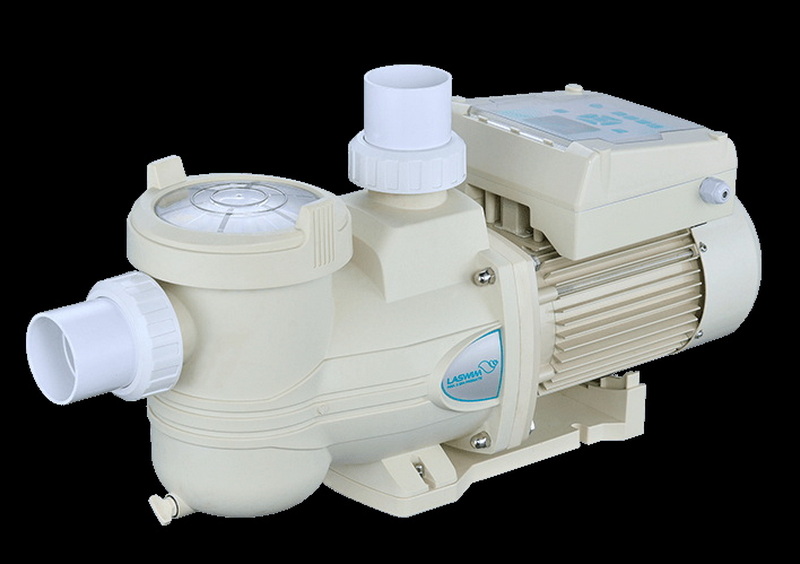
A bare pump and filter pad often sits in the most visible corner of the yard, making the whole pool area feel “unfinished” or industrial rather than like a resort. Thoughtful screening can turn this equipment zone into a clean, organized utility area that blends with your landscape design.[2][1]
Hiding the pump can also help redirect noise away from living spaces and neighbors, especially if you use partial walls, acoustic panels, or purpose-built pump boxes. Correct design ensures you still have enough access clearances for valve operation, filter cleaning, and motor replacement.[3][4][2]
Before building anything around your pump, always leave sufficient service room so technicians can work safely around the motor, filter tank, and valves. Many codes require clear access in front of control panels and safe spacing from electrical components, so avoid “tight box” designs that trap the pump.[5][6]
Any enclosure must provide adequate ventilation so the motor does not overheat and so chemical fumes do not build up. For indoor or semi-enclosed plant rooms, ventilation guidance references standards such as ASHRAE 62.1 to maintain air quality and remove heat and moisture.[7][8][9][3]
Tall potted plants, bamboo, ornamental grasses, or hedges can quickly soften the look of a pump pad while staying flexible if equipment is upgraded later. Placing plants in large movable containers makes it easy to slide them aside for major repairs or full equipment replacement.[10][2]
Staggered planting in multiple rows between the pump and the house can also help diffuse noise while keeping enough open space behind the plants for air flow.[11][3]
Decorative privacy screens, slatted metal panels, or vinyl fencing sections are popular for hiding pool pumps, filters, and heaters in a compact footprint. Many DIY owners build L‑shaped or U‑shaped screen walls that hide the pump from the main viewing angle while leaving the back open for ventilation.[12][1][2]
Prefabricated privacy screens, such as those used for air‑conditioning units, can easily be adapted to pool pads and are often available in wood, composite, or metal finishes that match modern garden styles.[13][2]
Small vinyl or composite fence sections can create a neat “equipment alcove” that hides pumps and filters from most sightlines. Many homeowners use 4–5 ft privacy panels arranged in an L shape, leaving the back open for airflow and providing a simple visual barrier from the pool and house.[14][12]
You can match the fence style and color to the main perimeter fence or house trim so the equipment area feels like a deliberate architectural feature rather than an afterthought.[1]
Masonry half‑walls or rendered block walls create a more permanent, upscale solution that can also provide strong sound blocking. Adding a gate or removable panel ensures that technicians can still remove filters or pumps without demolishing the structure.[15][6][2]
For noisy pumps close to bedrooms or neighbors, combine solid walls on the noise‑sensitive side with plantings or slatted panels on the opposite side to maintain airflow while directing sound away from the house.[3][11]
Dedicated acoustic pump boxes, often made from powder‑coated steel or composite materials, are designed to both hide and quiet noisy pool pumps. Quality units include cross‑flow ventilation vents, weatherproof construction, and sound‑absorbing liners that reduce low‑frequency motor noise.[15][3]
These boxes usually open from the top and front so you can clean pump baskets, adjust valves, or remove the motor without dismantling the enclosure. They are ideal when the pump is close to bedrooms or neighboring properties and noise complaints are a concern.[4][11][3]
A DIY wooden pump cover can be sized exactly to your equipment layout and styled to match decks, pergolas, or garden furniture. Use durable timber or treated plywood for the frame, and ensure the lid or side panels are hinged or removable for maintenance.[10][14]
Inside the box, you can line the walls with acoustic foam or mass‑loaded vinyl to suppress pump noise, but always leave gaps and vents for airflow to prevent overheating. Mounting the pump on rubber pads inside the box further cuts noise transmitted through the concrete slab.[16][4][3][15]
One stylish approach is to build a bench seat or daybed over the pump pad so that the equipment disappears under a deck‑style lid. The bench top can be hinged for access, while side slats provide ventilation and keep water and debris away from the motor.[2][1]
This solution works especially well when the equipment is at deck level near the pool because the bench becomes usable seating for family and guests. Just ensure you maintain clearances around filters and valves and avoid placing heavy loads directly on pipes or housings.[6][1]
Extra‑large deck boxes and storage benches can be adapted to hide smaller pumps and simple equipment sets, particularly with above‑ground or compact pools. Cut in extra vents or louvers at the sides or back to maintain airflow and reduce heat buildup inside the box.[2][3][10]
You can store accessories like vacuum heads, hoses, test kits, and LED light controllers in the same structure, turning the equipment corner into an organized “pool station”.[1][2]
Artificial rock covers are molded to look like natural boulders and are sized to slip over pumps, filters, or control boxes. They blend well in naturalistic landscapes and around rock waterfalls or raised spas, especially when combined with plants and groundcovers.[10][2]
Most faux rock covers have built‑in ventilation gaps around the base or disguised as “cracks” so that heat can escape. Always choose a model tall and wide enough that it does not press against unions, pipes, or valves.[15][2]
For custom pools with rock waterfalls or slides, builders sometimes extend the rockwork behind the feature to enclose the equipment pad. Access doors or removable rock panels allow service access while the main view shows only natural stone and flowing water.[12][2]
This is a more complex and expensive option but can create a fully integrated, resort‑style look for high‑end projects.[2]
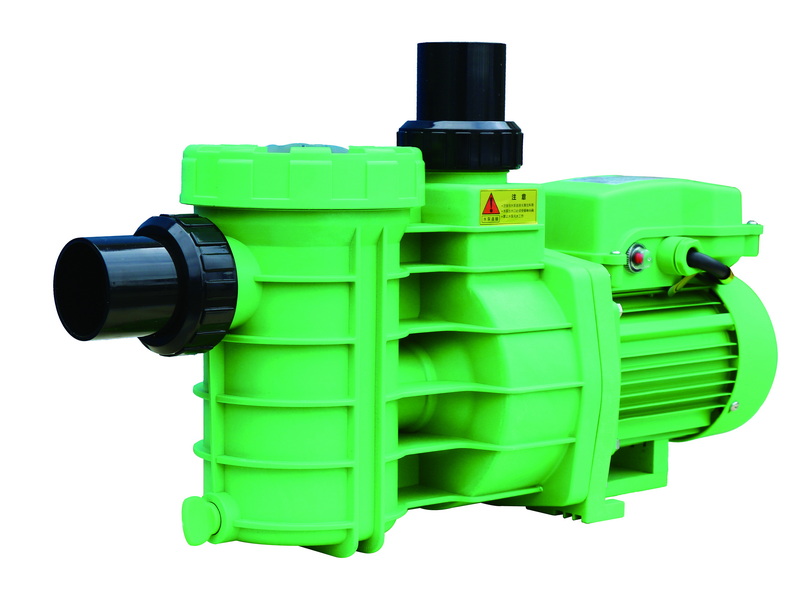
To reduce pump noise, focus on three components: enclosure mass, sound‑absorbing liners, and vibration control. Dense materials like plywood, masonry, or metal help block sound, while acoustic foam or mass‑loaded vinyl inside the enclosure absorbs reflections.[4][3][15]
Rubber isolation pads under the pump and flexible sections of pipe reduce vibration transmitted into the slab and surrounding structures. However, all soundproofing measures must be balanced with generous vents or baffles so air can move freely around the motor.[11][3][15]
Enclosures around equipment should be designed so that hot air can escape and fresh air can enter, preventing motor overheating and corrosion. For indoor pools or fully enclosed plant rooms, mechanical ventilation often follows pool ventilation standards that specify minimum airflow rates and negative pressure to control humidity.[8][9][7][3]
Louvers, mesh panels, or baffle vents can be used in outdoor boxes to protect against rain while still allowing air movement. In colder climates, partial enclosure and weather protection also help extend equipment life by shielding it from snow and ice.[3][2]
When planning a new pool, it is easiest to integrate hiding solutions into the initial design—such as locating the pump pad behind a side wall or near a future shed location. The plumbing can be laid out with clean manifolds and straight pipe runs that are easy to service inside a neat enclosure.[2]
For brands and wholesalers working with OEM suppliers, pump and filter sets can be packaged with recommended enclosure dimensions, ventilation guidelines, and noise levels so installers can design compatible boxes, benches, or screens from day one. OEM systems may also include low‑noise pumps, variable‑speed motors, and compact filter designs that are easier to hide in tight spaces.[11][3]
1. Measure your equipment pad, including maximum height of filter and pipes, then add extra clearance for air and future upgrades.[2]
2. Choose material (vinyl, composite, timber, or metal) based on climate, maintenance level, and style of your existing fence or house.[1][10]
3. Install 2–3 posts and build an L‑shaped or U‑shaped screen that hides the pump from the pool and patio side but leaves enough rear opening for airflow.[12][2]
4. Add a gate or removable panel on one side so you can wheel in new equipment or remove the filter tank if needed.[6]
5. Finish the area with gravel or pavers underfoot for drainage, then add plants or pots in front of the screen to soften the look.[10][2]
Hiding a pool pump successfully is about more than just throwing a box over it; the best solutions combine good looks, noise reduction, safe access, and proper ventilation. Landscaping, screens, fences, benches, rock covers, and acoustic enclosures all offer different ways to turn an exposed pump pad into a tidy, integrated part of your backyard design.[1][2]
Whether you are a homeowner or a professional installer, planning the enclosure around the pump's service needs and local safety rules ensures long‑term reliability and easy maintenance. For brands, wholesalers, and manufacturers working with OEM suppliers of pumps, filters, and LED lights, offering integrated equipment‑and‑enclosure concepts can make your pool systems more attractive, quieter, and easier to sell in demanding global markets.[5][6][3]
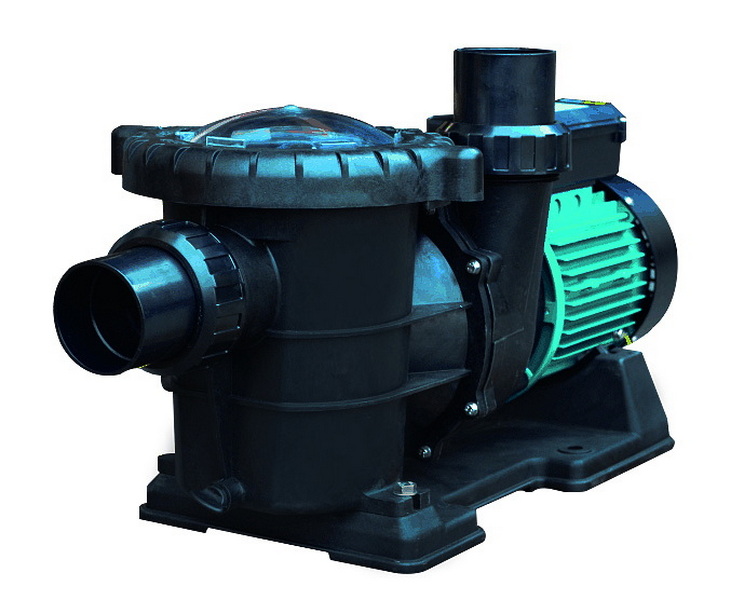
The best method is usually a combination of a decorative screen or low fence and some landscaping, giving visual coverage while maintaining airflow and easy access. For noisy locations near bedrooms or neighbors, an acoustic pump box with built‑in vents offers extra noise reduction.[4][3][1][2]
Fully sealing a pump in an airtight box is not recommended because trapped heat and moisture can shorten motor life and increase corrosion. Any enclosure should include vents or louvered panels that allow warm air to escape and fresh air to enter.[11][3][15]
Use dense materials for walls, line the inside of the enclosure with acoustic foam or mass‑loaded vinyl, and place the pump on rubber vibration pads or mats. Direct solid walls toward noise‑sensitive areas and leave openings or softer materials where sound can dissipate harmlessly.[3][4][11]
Leave enough room to remove the pump lid, pull out the pump, and open the filter tank, plus any code‑required working clearances in front of electrical panels. A common rule is to keep at least one full equipment width clear on service sides and avoid building rigid structures directly against valves or unions.[5][6][2]
In some cases tall hedges or potted plants provide sufficient visual screening and mild noise softening, especially when arranged in staggered rows. However, plants alone do not provide much sound blocking, and roots or fallen leaves must be managed to avoid clogging drains or blocking access.[11][3][10][2]
Yes, pumps can be placed inside sheds or pool houses, but the structure must be designed with adequate ventilation, drainage, and access doors for maintenance. For indoor installations, ventilation concepts often follow pool ventilation standards to control humidity and chemical fumes in enclosed spaces.[9][7][8][2]
[1](https://www.homesandgardens.com/gardens/how-to-hide-pool-equipment)
[2](https://majestic-pools.com/how-to-hide-pool-equipment-creative-ways-ideas/)
[3](https://mrpoolman.com.au/blogs/news/how-to-soundproof-your-pool-pump-with-an-acoustic-enclosure)
[4](https://www.soundproofcow.com/soundproof-a-space-restaurant-office/soundproof-a-car-compressor-boat-pump-or-other-equipment/pool-pump-soundproofing-2/)
[5](https://codes.iccsafe.org/content/ISPSC2024P1/chapter-3-general-compliance)
[6](https://forum.nachi.org/t/clearance-question-service-panel-to-pool-equipment/78188)
[7](https://www.desert-aire.com/resources/indoor-pool-ventilation-system-requirements-tb05/)
[8](https://app.leg.wa.gov/wac/default.aspx?cite=246-260-031)
[9](https://ecode360.com/27689246)
[10](https://www.cuindependent.com/diy-pool-pump-cover-ideas-for-a-neat-backyard/)
[11](https://www.acousticalsurfaces.com/blog/soundproofing/swimming-pool-noise/)
[12](https://www.reddit.com/r/pools/comments/1kpixjw/alright_people_show_me_how_you_hide_your_pool/)
[13](https://www.youtube.com/watch?v=QSSIMOsS_oQ)
[14](https://www.workshop.bunnings.com.au/t5/Outdoor/How-to-make-a-wooden-pool-pump-cover/td-p/49911)
[15](https://www.soniflex.com/en/silencing-a-pool-pump)
[16](https://www.workshop.bunnings.com.au/t5/Outdoor/How-to-add-pool-pump-sound-proofing/td-p/242460)
[17](https://www.facebook.com/groups/273395260599363/posts/1362251505047061/)
[18](https://www.reddit.com/r/swimmingpools/comments/12s5eij/how_to_soundproof_a_pool_pump/)
[19](https://app.leg.wa.gov/wac/default.aspx?cite=246-260&full=true)
[20](https://www.innoventair.com/docs/librariesprovider3/default-document-library/aquatic-facilities-ventilation.pdf?sfvrsn=acbeb4ee_3%2FAquatic-facilities-ventilation.pdf)


