
Views: 222 Author: Tina Publish Time: 2025-07-15 Origin: Site


Content Menu
● Understanding the Pool Pump System
● Why Air Gets Trapped in the Pump Basket
● Signs of Air in the Pool Pump
● How to Remove Air from the Pool Pump Basket
>>> 2. Open the Air Relief Valve
>>> 3. Remove the Pump Basket Lid
>>> 4. Inspect and Clean the Pump Basket
>>> 5. Fill the Pump Basket with Water
>>> 7. Restore Power and Observe
● Preventing Air in the Pool Pump
● Maintenance Tips for Ensuring a Tight System
● Troubleshooting Air Problems
>> 1. Persistent Bubbles or Large Air Pockets
>> 3. Return Jets Gurgling After Maintenance
>> 4. No Water Flow or Pump Running Dry
● Frequently Asked Questions (FAQ)
>> 1. Why does my pump lose prime after cleaning the basket?
>> 2. How often should the pump O-ring be lubricated or replaced?
>> 3. What pool water level helps avoid air entering the system?
>> 4. Can running a pump with air damage the equipment?
>> 5. Is it normal to see small bubbles after backwashing or vacuuming?
A functional pool pump is the heart of any swimming pool. When air infiltrates your pump basket, it disrupts the normal flow of water and pressures your equipment. Whether you are a seasoned pool owner or a beginner, understanding how to swiftly and safely remove air from your pump basket is crucial for uninterrupted enjoyment and the long-term health of your pool. Air can sneak into the system in subtle ways, yet it has a powerful effect on your pump's efficiency. Therefore, this guide will help you recognize, treat, and prevent this common problem, using practical tips that anyone can follow.
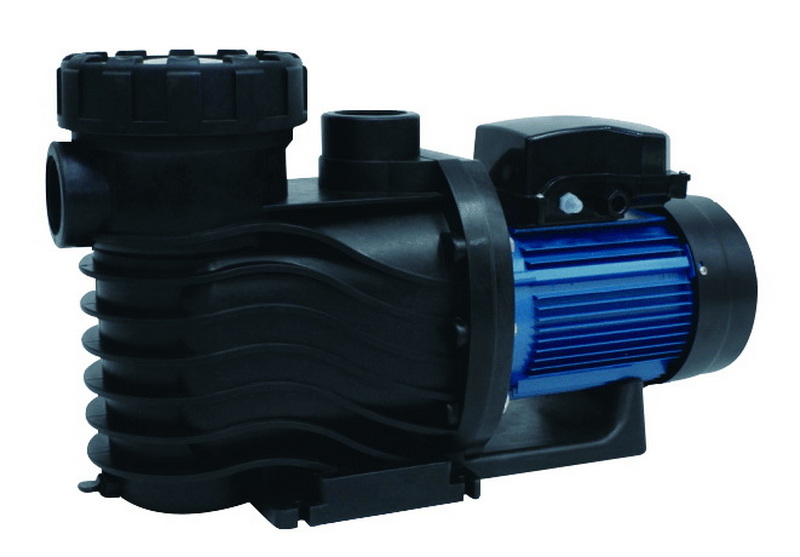
A standard pool circulation system consists of several key components working together to keep your pool clean and inviting. These include:
- Skimmer: Captures floating debris from the pool surface such as leaves, bugs, and dirt.
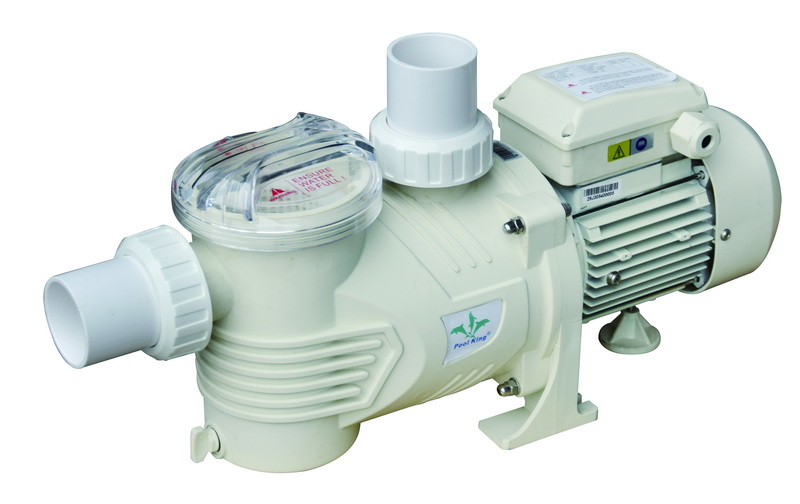
- Pump Basket/Strainer: The first line of defense inside the pool pump; it traps debris preventing it from damaging the pump impeller.
- Pump Motor: Powers the pump impeller to push water through the system.
- Filter: Removes fine particles from the water, improving clarity and hygiene.
- Return Lines: Push clean filtered water back into the pool.
Understanding the flow path is essential because air can enter the system at any point where the seal is broken or connections are loose. The suction side of the pump (from pool to pump) is where air is most often drawn into the system, causing the issues we want to correct.
You might wonder, why does air get trapped inside the pump basket at all? There are several typical causes:
- Loose or aging pump lid O-rings: Over time, O-rings dry out, crack, or get pinched, allowing air to seep in.
- Poorly sealed or cracked pump lids: Physical damage or dirt buildup prevents a tight seal.
- Leaky or brittle suction-side pipes: Holes, cracks, or poorly tightened fittings allow air to be sucked in under low pressure.
- Low pool water level: If the water drops below the skimmer intake line, the pump draws in air instead of water.
- Faulty valves or improperly adjusted multiport valves: Valves not seated correctly can introduce air.
- Pump basket cleaning or maintenance: Removing the basket and lid during routine cleaning introduces air until the system is reprime.
These factors combined or even isolated can result in air accumulating in the pump basket, causing what pool owners describe as “air problems” or “loss of prime.”
Early signs can help you troubleshoot before issues become severe, including:
- Visible bubbles inside the pump basket window or lid: When you notice air bubbles swirling inside the clear cover of the pump basket, air intrusion is obvious.
- Bubbles or frothing from pool return jets: Air entering the return lines causes spitting jets or foamy water.
- Unusual pump noises: Gurgling, rattling, or irregular motor sounds point toward an air problem.
- Erratic water pressures: Pressure gauge readings may fluctuate abnormally or be lower than usual.
- Pump loses prime quickly or runs dry: A pump struggling to maintain water flow often means air is seeping in or water supply is insufficient.
Recognizing these early makes it easier to intervene promptly, saving you time and repair costs.
Begin by switching off the pump and any related pool equipment at the circuit breaker or power source. Safety is paramount before opening the system or touching any electrical equipment.
Most pool filter systems come equipped with an air relief or air bleed valve—usually located at the top of the filter tank. Slowly open this valve to allow trapped air to escape while you work on removing air from the pump basket. Do not fully open it but allow a slow continuous release.
Using your hands, unfasten the lid holding the pool pump basket in place. Typically, it is secured by two knobs or clamps that twist off. Inspect the O-ring inside the lid carefully. Dirt, grit, or cracks reduce its sealing ability. Clean it thoroughly and consider replacing if it looks worn.
Take the basket out and remove any debris – leaves, twigs, or small insects that may hinder proper water flow or mask the problem. Ensure the basket is free of cracks or breaks.
Before reassembling, fill the pump housing and basket with water using a garden hose or bucket. This primes the pump and prevents large volumes of air from entering the system once restarted.
Replace the pump basket, carefully putting the O-ring and lid back in place. Tighten the lid securely but do not overtighten, which could deform the O-ring or lid. The goal is to create a water-tight and air-tight seal.
Turn on the power to the pump and watch the basket and air relief valve simultaneously. Keep the relief valve open until water comes out without bubbles. Once a steady stream of water emerges, close the valve and observe the pump operating pressure.
Inspect all connections visually for water leaks or air bubbles. Check the pool's return jets for smooth operation without gurgling sounds or foaming water. Confirm that water is circulating properly through the filtration system.
Understanding these steps visually can ease the process:
- A diagram showing pool circulation helps you visualize water and air flow.
- A close-up of the pump basket with O-ring explains where seals prevent air intrusion.
- Steps filling the basket with water provide clarity on priming technique.
- A photo or illustration of the air relief valve being opened and closed clarifies proper air bleeding.
- Displaying a correct water level at the skimmer reminds pool owners about essential water maintenance.
Prevention is the best cure when it comes to pool pump air problems. Regular care and inspections will minimize air intrusion:
- Lubricate O-rings routinely with a silicone-based lubricant to keep seals flexible.
- Keep the pump lid clean and lubricated for an effective seal.
- Inspect suction lines, hose clamps, and unions regularly, tightening or replacing worn parts as needed.
- Maintain the pool water level appropriately, never allowing it to drop below the skimmer inlet.
- Avoid running the pump when skimmer baskets are full or missing to prevent debris and air getting into the system.
- Perform periodic checks on valve positioning and gasket conditions to ensure airtight fits.
These simple habits reduce frequent maintenance and cost overruns.
A well-sealed system is the most efficient one. Follow these recommended maintenance tips to reduce air ingress:
- Replace O-rings and gaskets yearly or earlier if damage is observed.
- Tighten pump lid clamps and unions regularly but avoid overtightening which can damage parts.
- Clean all basket seats and sealing surfaces before reassembly for a clean, tight fit.
- Backwash filters on schedule to prevent high vacuum that can cause leaks.
- Regularly check the function of the pump's pressure gauge and listen for unusual noises.
Good maintenance minimizes troubleshooting time and prolongs your pump's and pool's lifespan.
Sometimes, air issues are complex and require additional investigation beyond basic fixes.
If air bubbles keep appearing and never clear, suspect leaks in the suction line, cracked pipework, or loose joints. Conduct a "soapy water test:" apply soapy water around suspected joints and watch for increased bubbles indicating a leak.
If your pump won't hold prime after initial fill, air may be entering at a higher point in the system or the pool water level is lower than the skimmer. Adjust the water level or fix leaks promptly.
After vacuuming or backwashing, some trapped air will work through the lines and may take multiple pump starts and stops to empty. Open the air relief valve on your filter until water replaces air completely, repeating as necessary.
This is a serious sign possibly indicating an empty pool, clogged skimmer, or severe air leakage causing the pump to lose water intake completely. Check water level and suction lines immediately.
Keeping air out of your pool pump basket is not only a matter of convenience but also essential for optimal pool function and equipment protection. With diligent inspection, regular maintenance, and a few straightforward steps, you can easily remove unwanted air and maintain a smoothly running pool. Equipped with this knowledge, both beginners and seasoned pool owners can enjoy crystal-clear water and avoid costly repairs. Remember, routine checks and early action are the best ways to keep your pool system primed, efficient, and durable for years of enjoyment.
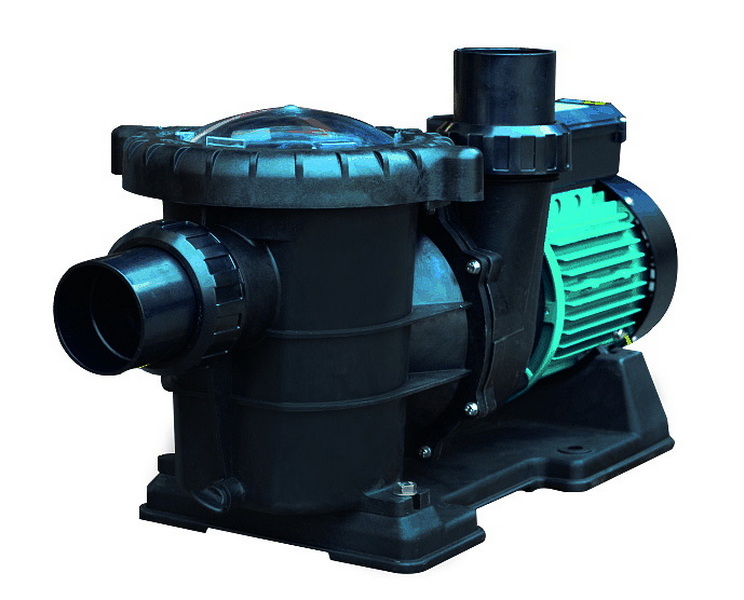
When you remove the pump lid or basket, air enters the system. If you don't fill the basket with water before sealing it back, the pump will struggle to re-prime. Always fill the pump housing prior to restarting, and inspect the lid O-ring to ensure a tight seal.
Lubricate the O-ring every few months during regular pool maintenance to keep it supple and prevent cracks. Replace it at least once per year or immediately if you notice damage, drying, or flattening.
Maintain the pool water level at least halfway up the skimmer opening to ensure the pump suction line never draws air. If the water drops below this, air will be introduced, reducing pump efficiency.
Yes, when air is trapped inside, the pump runs dry or cavitates, creating heat and friction which can damage the seals, impeller, and motor bearings. Act quickly if you detect air to avoid costly repairs.
Yes, air often enters during these maintenance tasks, causing temporary gurgling. Use the air relief valve on your filter to bleed air out until the system returns to normal.


