


Content Menu
● Safety First Before Cleaning
● Step 1: Clear Area Around the Pump
● Step 2: Close Valves and Relieve Pressure
● Step 4: Remove and Clean the Pump Basket
● Step 5: Check and Clear the Impeller
● Step 6: Inspect O‑Rings and Seals
● Step 7: Reassemble and Prime the Pump
● How Often to Clean a Pool Pump
● How Cleaning the Pump Protects Your Filter
● Extra Tips to Extend Pump Life
● Smart Maintenance with Modern Equipment
● FAQs About Cleaning a Pool Pump
>> 1. How often should I clean my pool pump basket?
>> 2. What are the signs that my pool pump needs cleaning?
>> 3. Do I need to turn off the breaker before cleaning the pump?
>> 4. Can I clean the pump and filter at the same time?
>> 5. When should I call a professional instead of cleaning the pump myself?
Keeping your pool pump clean is one of the simplest ways to protect your investment, prevent breakdowns, and keep pool water crystal clear. A dirty or clogged pump has to work harder, wastes energy, and can shorten the life of the motor and filtration system.[1][2][3]
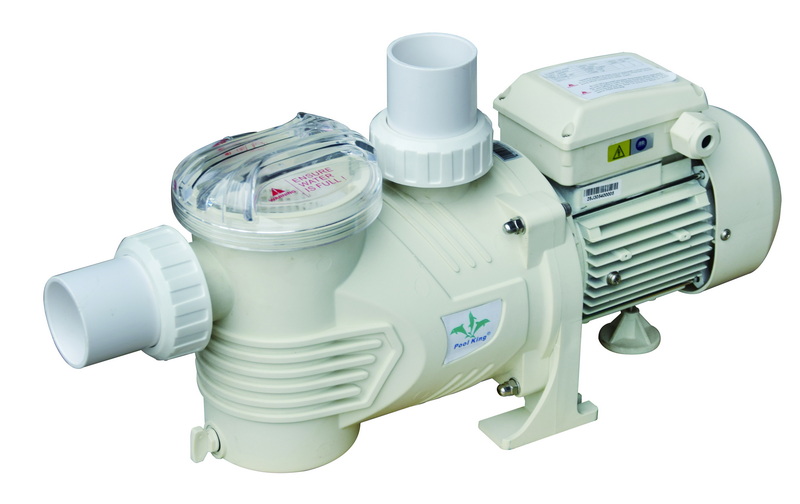
Always start by turning off the power to the pool pump at the main switch or breaker to avoid electric shock or accidental start‑up while you are working. Allow the system to sit for a minute before opening any lids to relieve residual pressure in the pipes and filter.[4][5]
- Wear safety glasses and gloves if possible to protect your eyes and hands from debris and chemicals.[5]
- Make sure children and pets stay away from the equipment area while you work.[6]
- Never work on the pump or filter while the system is running or under high pressure.[4]
Before opening the pump, clean the surrounding area so dirt does not fall into the pump housing when you remove the lid. Leaves, twigs, mulch, and dust around the motor can also block ventilation and cause overheating.[7][1][6]
- Use a small brush or blower to remove dust and debris from the pump body and motor vents.[1][7]
- Trim plants and remove any objects that restrict airflow around the pump.[6]
Closing valves and relieving pressure prevents water from surging out when you open the pump lid and makes the process cleaner and safer. This step is especially important if the pool is higher than the pump or if you have strong gravity flow.[8][9][4]
- Close the suction and return valves (or set them to “off”) to minimize water flow while the pump is open.[8]
- If you have a cartridge or DE filter with a pressure gauge, open the air‑relief valve on the filter to drop pressure before opening the pump.[4]
Once the system is off and isolated, you can safely open the pump lid to access the strainer basket. Pump lids may be secured by a clamp ring, locking knobs, or a screw‑on cover depending on the model.[10][5][4]
- Loosen and remove the clamp or knobs according to the pump's design, then gently lift off the lid.[5][4]
- Check the lid O‑ring for cracks, flattening, or deformation that could cause air leaks later.[2][5]
The pump basket catches large debris before it reaches the impeller; keeping it clean is the core of routine pump maintenance. A clogged basket restricts flow, reduces turnover, and forces the pump to work much harder.[11][2][4]
- Lift the basket straight out, noting its orientation so you can reinstall it correctly.[9][4]
- Dump out leaves, insects, and debris into a trash bag and rinse the basket thoroughly with a garden hose.[9][4]
- Inspect the basket carefully for cracks or broken ribs and replace it if damaged to prevent debris bypassing into the impeller.[6][4]
If you notice weak suction, low return flow, or noisy operation, the impeller may be partially clogged even if the basket looks clean. Pine needles, small stones, seeds, and hair are common culprits that lodge in the impeller vanes.[12][3][1]
- With the basket removed and the system off, carefully reach into the wet end opening with fingers or a small piece of flexible wire to feel for debris.[13][12]
- Use a swirling motion to dislodge particles and pull them out, taking care not to damage the impeller.[12]
- If serious clogging persists, a deeper disassembly of the pump body may be needed, which many owners prefer to leave to a technician.[3][12]
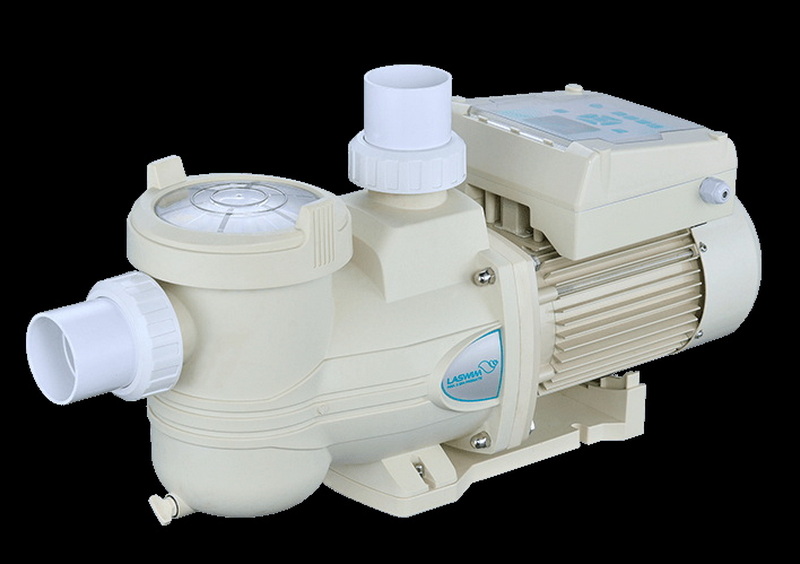
Good seals keep air out and water in; worn or dry O‑rings cause air leaks, priming problems, and even leaking around the lid or unions. Taking a few seconds each cleaning to inspect and lubricate them can prevent bigger issues later.[14][2][5]
- Remove the pump lid O‑ring, wipe it clean, and check for cracks, flat spots, or brittleness.[5]
- Apply a thin layer of pool‑safe silicone‑based lubricant if it is in good shape, or replace it if damaged.[2]
- Check union gaskets and other visible seals for leaks or deterioration.[3][2]
Once everything is clean and inspected, you need to reassemble the pump correctly and restore water flow so the system can run without sucking in air.[8][9]
- Place the clean basket back in the housing in the same position as before, then reinstall the O‑ring and lid, making sure the sealing surfaces are free of sand or grit.[8][4]
- Hand‑tighten the lid or clamp evenly so it seals without overtightening.[5]
- Open all valves to the normal operating position.[8]
- If your pump needs priming, fill the pump housing through the lid opening with a bucket or hose before closing it, then restart the pump and bleed air from the filter's air‑relief valve until a steady stream of water appears.[15][9]
Cleaning frequency depends on how many leaves and debris your pool collects, but the pump basket should normally be checked at least weekly in season. Heavy leaf fall, storms, or nearby trees may require cleaning several times per week.[7][2][4]
- A good routine is to inspect and empty skimmer and pump baskets once a week and do a more detailed check of impeller and seals every few months.[1][2]
- Annual professional inspection is recommended to check motor condition, bearings, and overall system performance.[14][3]
A clean pump and basket reduce strain on the filter by keeping large debris out and maintaining strong, steady flow through the media. When the pump struggles because of clogs, the filter cannot trap particles efficiently and water clarity declines.[10][15][1]
- Sand, DE, and cartridge filters all rely on proper flow rate to capture dirt; a blocked pump basket or impeller disrupts this flow and can even damage filter internals over time.[15][10]
- Keeping the pump clean works hand‑in‑hand with regular backwashing (for sand/DE) or rinsing (for cartridges) to maintain optimal filtration.[10][15]
Cleaning is just one part of long‑term pump care; combining it with simple preventive checks will maximize efficiency and service life.[2][14]
- Run the pump the recommended number of hours per day (typically around 8–12 hours in warm weather, less in cooler seasons, depending on pool size and system).[16][17][2]
- Keep water chemistry balanced to avoid corrosion or scale that can damage metal parts, seals, and the wet end.[3]
- Listen for unusual noises and check regularly for leaks, hot spots on the motor, or frequent tripping of the breaker, which can signal developing problems.[18][1]
Modern pool systems increasingly use high‑efficiency pumps, smart controls, and advanced filtration that all benefit from consistent cleaning and care. Whether you use a single‑speed, variable‑speed, or energy‑efficient pump, a simple cleaning routine keeps performance high and operating costs low.[18][1][2]
- Smart controllers and timers can help you optimize run time while regular manual cleaning keeps mechanical parts free of restrictions.[17][2]
- When upgrading pumps or filters, choosing high‑quality components and following the manufacturer's cleaning recommendations can significantly extend service life.[14][1]
Regularly cleaning your pool pump is a straightforward task that dramatically improves circulation, water clarity, and equipment life while reducing energy waste. By following a consistent routine—shutting off power, clearing the area, cleaning the basket, checking the impeller, inspecting seals, and properly priming the system—you keep your pump running smoothly and protect your entire filtration system season after season.[12][1][2][4][8]
Most pool owners should clean the pump basket at least once a week during the swimming season, and more frequently if there are many trees, storms, or heavy debris loads.[2][4]
Common signs include weak suction at skimmers, poor return flow, cloudy water despite correct chemistry, louder‑than‑normal pump noise, or air bubbles in the return jets, all of which can indicate a clogged basket or impeller.[1][12][3]
Yes, switching off the pump at the main breaker or power disconnect is strongly recommended to prevent accidental start‑up or electrical hazards while you are opening the pump and handling water.[4][5]
You can, but treat them as separate tasks: clean the pump basket and check the impeller, then follow the correct procedures for your filter type, such as backwashing sand/DE filters or removing and rinsing cartridge elements.[15][10]
If the pump will not prime, trips the breaker repeatedly, makes grinding or screeching noises, or still has poor flow after you clean the basket and impeller, a technician should inspect it for internal damage, motor issues, or plumbing restrictions.[14][3][5]
[1](https://www.astralpool.com.au/pool-and-spa-guides/ultimate-guide-to-maintaining-your-pool-pump)
[2](https://waterworks.net.au/pool-pump-maintenance-the-waterworks/)
[3](https://www.swimmingpool.com.sg/articles/maintaining-your-pool-pump-a-step-by-step-guide.html)
[4](https://www.browningpools.com/blog/how-to-clean-your-pump-basket)
[5](https://naplespool.com/cleaning-a-pool-pump/)
[6](https://primalpoolcare.com/blog/a-step-by-step-guide-to-servicing-your-pool-pump-for-optimal-performance)
[7](https://www.poolsidechristchurch.co.nz/pool-care/5-easy-steps-to-maintain-your-pool-pump/)
[8](https://www.zodiac-poolcare.com/solutions/tips-for-my-pool/pool-maintenance/How-to-clean-and-maintain-your-pool-pump)
[9](https://www.youtube.com/watch?v=CBKxu1sOhs8)
[10](https://dolphinpacific.co.nz/pool-filter-cleaning/)
[11](https://www.swimmingpool.com/maintenance/pump&filter/)
[12](https://intheswim.com/blog/clogged-pool-pump-impeller.html)
[13](https://www.youtube.com/watch?v=sHfHfgpEeto)
[14](https://watercraft.com.sg/how-to-extend-the-life-of-your-pool-pump/)
[15](https://watercraft.com.sg/how-to-clean-and-maintain-pool-filters-effectively-in-singapore/)
[16](https://www.jimspoolcare.com.au/news-pool-cleaning/how-long-should-i-run-the-pool-pump-for-each-day/)
[17](https://www.swimuniversity.com/run-pool-pump/)
[18](https://www.millenniumpool.com/blog/how-many-hours-should-i-run-my-pool-pump/)
[19](https://www.youtube.com/watch?v=21oPUwgMsQE)
[20](https://www.facebook.com/groups/1407260559603442/posts/3543479802648163/)


