
Views: 222 Author: Tina Publish Time: 2026-01-16 Origin: Site


Content Menu
● Understanding Intex Filter Types
● Safety Preparation Before Cleaning
● How to Clean an Intex Cartridge Pool Filter
>> Step‑by‑Step Cartridge Cleaning
● How to Clean an Intex Sand Filter Pump
>> Backwash and Rinse Procedure
>> Deeper Sand Filter Cleaning Tips
● How Often to Clean an Intex Pool Filter
● Common Problems After Cleaning and How to Fix Them
● OEM‑Friendly Tips for Brands and Wholesalers
>> 1. How do I know when my Intex cartridge needs cleaning or replacement?
>> 2. How long should I backwash my Intex sand filter?
>> 3. Can I use chemicals to clean Intex filter cartridges?
>> 4. Why is my Intex pump noisy after cleaning the filter?
>> 5. How often should I replace the sand in an Intex sand filter pump?
>> 6. Do I need to turn off the Intex pump every time I clean the filter?
Cleaning an Intex pool filter is mostly about shutting off the pump, relieving pressure, opening the housing, washing or backwashing the filter media, then reassembling and restarting while checking for leaks and normal pressure. Done routinely, this keeps water clear, protects the pump, and extends the life of the cartridge or sand media.
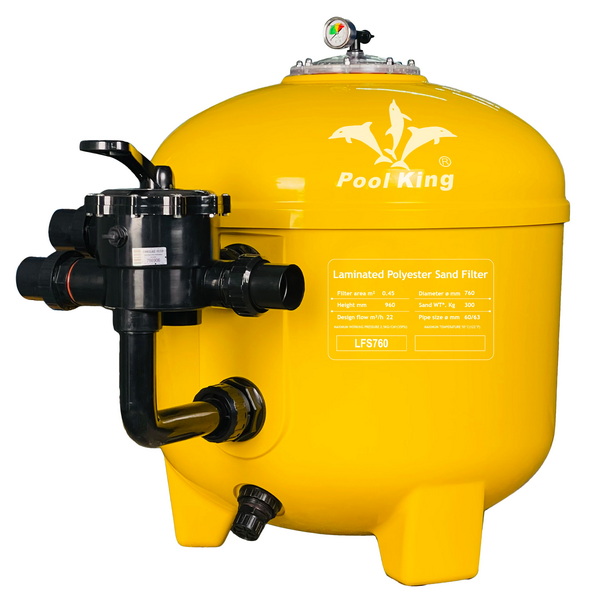
Intex offers two main filter types for above‑ground pools: cartridge filter pumps (using replaceable paper cartridges) and sand filter pumps (using filter sand inside a tank). Cartridge models are very common on Easy Set and small frame pools, while sand filters often serve larger or more premium Intex setups.
- Cartridge filters use paper pleat cartridges (Type A, B, etc.) that are removed and washed or replaced regularly.
- Sand filter pumps clean mainly by backwashing and rinsing, occasionally needing deeper cleaning or sand replacement.
- Many Intex systems include a combined pump and filter unit, so proper cleaning directly affects pump performance and water clarity.
For OEM brands and wholesalers, understanding these two systems helps when customizing pool equipment packages, filter sizing, and accessory bundles for different markets.
Always start by shutting off electrical power and closing valves before opening any Intex filter system. This prevents unexpected pump starts, water sprays, or pressure‑related accidents while you work.
- Switch off the Intex filter pump at the power source and unplug it if possible before servicing.
- Close any shut‑off valves or plug the hoses at the pool wall so water does not siphon out when the filter housing is opened.
- Use the air‑release valve on top of the cartridge housing or sand filter head to relieve internal pressure before loosening collars or lids.
In your visuals, add a clear “Power Off & Pressure Relief” photo or short clip showing a hand switching off the pump and opening the air‑release valve, with on‑screen text calling out each step.
Most Intex Krystal Clear cartridge filters share a similar cleaning process: open the housing, remove the cartridge, wash it thoroughly, then reinstall or replace it. Cleaning can be done quickly with a garden hose but cartridges still need periodic replacement for best performance.
For standard Intex cartridge pumps (e.g., 637R, 638R and similar models), follow a sequence like this:
1. Turn off and depressurize
- Turn the pump off and unplug it, then close any shut‑off valves or plug the hoses at the pool connections.
- Open the small air‑release valve on top of the housing to let trapped air and some water escape before loosening the main collar.
2. Open the filter housing
- Unscrew the filter housing collar or gray locking ring in a counter‑clockwise motion and carefully lift off the lid, keeping the large O‑ring in place.
- Photograph this step to show the collar, lid, O‑ring, and the dirty cartridge still inside the housing for your readers.
3. Remove and inspect the cartridge
- Lift out the cartridge by the top handle or center, keeping it upright so debris does not fall back into the housing.
- Visually check for heavy discoloration, collapsed pleats, torn paper, or hardened oils that might require replacement rather than just rinsing.
4. Rinse the cartridge thoroughly
- Rinse the cartridge with a garden hose, working from top to bottom and spraying between pleats to remove dirt, leaves, and fine debris.
- Short videos showing slow rotation of the cartridge while spraying between pleats make excellent how‑to content for your blog.
5. Decide whether to replace
- If the cartridge remains stained, the pleats are soft or frayed, or it has been used for several weeks of heavy swimming, consider installing a new Intex‑compatible cartridge.
- Many owners keep two or more cartridges and alternate them, cleaning one while the other is in service to reduce downtime.
6. Reinstall the cartridge and lid
- Put the cleaned or new cartridge back into the housing, ensuring it is seated straight on the bottom support.
- Refit the lid and O‑ring, then tighten the housing collar firmly by hand, making sure the O‑ring is not twisted or pinched.
7. Prime and restart the pump
- With hoses and valves open, leave the air‑release valve slightly open while water floods the housing until air is pushed out and water begins to escape.
- Close the air‑release valve, then switch the pump back on and visually check for leaks at the collar and hose connections.
For OEM‑oriented content, you can highlight that your factory's high‑flow cartridge housings and upgraded seals help reduce leaks and simplify this regular cleaning routine.
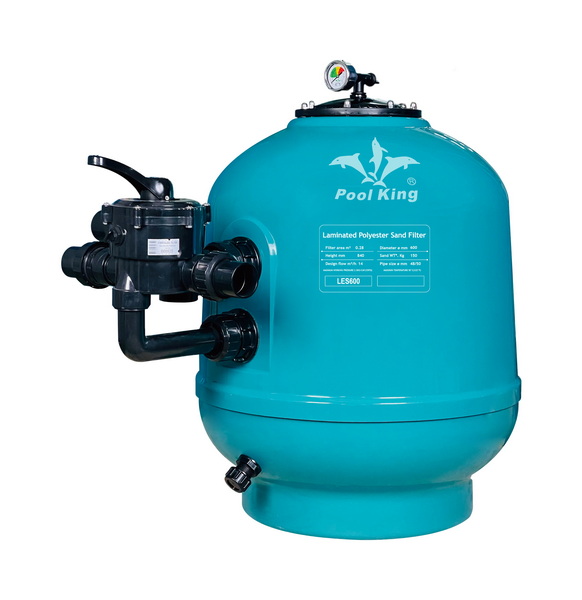
Intex sand filter systems are primarily cleaned by backwashing and rinsing, which reverse the water flow to flush out accumulated debris from the sand bed. Over time, occasional deeper cleaning and eventual sand replacement are also needed to maintain performance.
Most Intex sand filters use a 4‑way or 6‑way valve with positions like Filter, Backwash, Rinse, and Waste, and the basic cleaning steps are similar.
1. Shut off the pump
- Turn the pump off completely before moving the multiport valve handle to avoid damaging internal seals.
- Add images that clearly show the pump “OFF” and the valve label with Filter/Backwash/Rinse marked for new users.
2. Set the valve to Backwash
- Press down the handle and turn it to the Backwash position, then attach or extend the backwash hose to the waste outlet if your system uses one.
- Open any drain cap or valve on the backwash outlet to allow dirty water to discharge safely away from the pool area.
3. Run the backwash cycle
- Turn the pump on and let it run for about 1 minute or until the sight glass or discharge water is clear and free of sand and debris.
- Short “before vs after” clips of the sight glass or backwash stream make very effective comparison visuals.
4. Switch to Rinse
- Turn the pump off again, move the valve handle to Rinse, and then restart the pump for about 30–60 seconds.
- The rinse cycle settles and re‑levels the sand bed and flushes remaining dirty water to waste, preventing it from returning to the pool.
5. Return to Filter mode
- Turn the pump off, set the valve back to Filter, then close the waste or drain outlet and ensure all connections are secure.
- Turn the pump on and confirm normal flow and stable pressure, using the pressure gauge to track performance over time.
Even with regular backwashing, some oils and fine particles can remain in the sand bed and plumbing. Periodic deeper cleaning improves long‑term efficiency and extends the interval before sand needs replacement.
- Clean the leaf trap or pump strainer basket regularly to prevent clogs in front of the impeller and reduce strain on the pump.
- Use the air‑bleed or air‑release valve after maintenance or plumbing work to remove trapped air from the system before starting the pump.
- When the pressure gauge consistently shows higher readings soon after backwashing, the sand may be worn, clumped, or oily and might need chemical cleaning or replacement.
These steps are ideal for demonstration videos: one focusing on backwashing and rinsing, another on cleaning the strainer basket and bleeding air, and a third on reading the pressure gauge and deciding when to service the sand.
Cleaning frequency depends on pool size, usage, and debris load, but there are practical guidelines for most Intex systems. Using visual cues like pressure gauge readings, water clarity, and cartridge color makes it easier for homeowners to know when to act.
- Cartridge filters often benefit from a rinse every few days to weekly during heavy use, and complete cartridge replacement every few weeks or when the paper deteriorates.
- Sand filters should be backwashed whenever the pressure rises significantly above the “clean” baseline or when the flow clearly drops, rather than on a fixed daily schedule.
- After storms, heavy bather loads, or visible algae blooms, plan extra cleaning cycles to restore filtration efficiency quickly.
For OEM and B2B readers, you can recommend including clear maintenance charts in user manuals, plus QR codes linking to how‑to videos demonstrating these cleaning intervals in real installations.
Even after cleaning, users may notice low flow, leaks, or noisy pump operation, which usually point to a few common issues. Clear troubleshooting tables and photo callouts help owners solve these problems without immediately calling a service technician.
- Leaks around the lid or collar often indicate a misplaced, dirty, or worn O‑ring; cleaning and re‑lubricating or replacing the seal usually solves this.
- Air in the system may show as bubbles in the return jet or noise in the pump housing and is often fixed by opening the air‑release valve until a steady stream of water appears.
- Weak flow or high pressure can point to a clogged cartridge, compacted sand, blocked basket, or closed valves, requiring a repeat cleaning or inspection of the plumbing.
In a B2B context, you can emphasize that well‑designed housings, reliable gauges, and upgraded valves from professional OEM factories help minimize these recurring customer complaints.
Because Intex‑style filters are popular among above‑ground pool owners, many private‑label brands and distributors look for compatible filtration systems that are easy to maintain and explain. Cleaning procedures that match familiar Intex workflows reduce training needs and improve customer satisfaction.
- Align the valve labeling, air‑release positioning, and cartridge access with common Intex patterns so users feel comfortable switching to your OEM equipment.
- Provide manuals with clear diagrams and links to cleaning videos showing cartridge rinsing, backwashing, and priming steps with your own housings and pumps.
- Offer full product lines including sand filters, cartridge filters, pumps, LED lights, and accessories so dealers can build complete above‑ground pool packages around your OEM filter solutions.
Where relevant, insert promotional paragraphs in your article describing your factory's automated production lines, pressure‑tested filter tanks, energy‑efficient motors, and long‑life cartridges or sand filter internals tailored to international market standards.
Cleaning an Intex pool filter the right way means following a repeatable, safe routine: shut off the pump, relieve pressure, open the housing or valve, thoroughly wash or backwash the media, and restart while checking for normal flow and pressure. By pairing clear instructions with photos and videos and by using high‑quality OEM filtration equipment, pool owners and professionals can keep water sparkling, protect pumps, and minimize maintenance costs season after season.
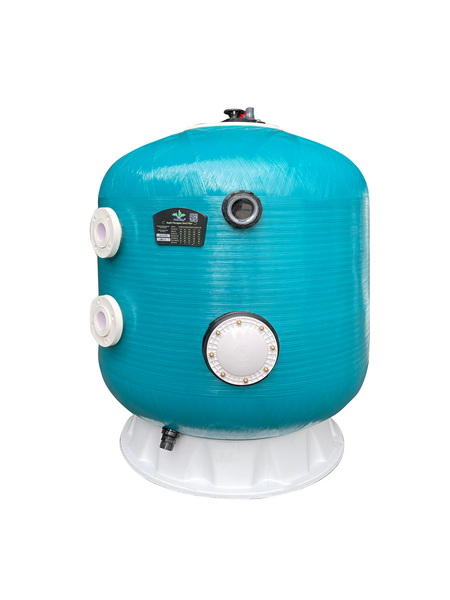
A cartridge usually needs cleaning when the flow slows down, the return jet feels weaker, or the cartridge looks visibly dirty and discolored. If the pleats remain stained, soft, or torn after rinsing, or the filter has been used for several weeks of heavy swimming, replacement is typically recommended.
Most Intex sand filter systems need about 1 minute of backwashing, or until the discharge water or sight glass appears clear and free of sand and debris. After that, a 30–60 second rinse cycle helps re‑settle the sand bed and flush remaining dirty water to waste before returning to Filter mode.
Many pool owners use mild cartridge cleaners or degreasers to remove oils and sunscreen that plain water cannot wash out, but harsh chemicals are not recommended. Always follow the cleaner's label instructions and thoroughly rinse the cartridge afterward before returning it to the filter housing.
Noise after cleaning often indicates air trapped in the system, a partially closed valve, or a loose hose connection drawing air into the pump. Venting air through the air‑release valve, checking hose clamps, and ensuring the water level is high enough at the skimmer or inlets usually restores quiet operation.
Under normal residential use, filter sand often lasts several seasons, but oily buildup, channeling, or persistent pressure problems may require earlier replacement. When backwashing no longer restores normal pressure and flow, or when the sand becomes hard and clumped, it is a good time to change it.
Yes, the pump must always be turned off, and ideally unplugged, before opening any filter housing or moving a sand filter valve handle. Changing valve positions with the pump running can damage internal parts and create unsafe pressure conditions.
1. https://www.youtube.com/watch?v=QWr8pB-PXis
2. https://www.youtube.com/watch?v=JDfOP3IQwDg
3. https://www.youtube.com/watch?v=HmYlGuX5o1k
4. https://www.youtube.com/watch?v=WhXK0nR4h1Q
5. https://www.youtube.com/watch?v=8sFF_m50mrM
6. https://www.youtube.com/watch?v=ncAsZrv3OGA
7. https://www.intexco.il/sysvault/docsfiles2/cd347bdd5a-ee20-44ac-86c5-2587d1910105.pdf
8. https://intexcompany.md/en/products/cartridge-filter-pumps/c330-cartridge-filter-pump-220-240-v/pn-2306/?download=23094
9. https://intexsupport.com/en/backwash-for-the-sand-filter-pump/a-964/
10. https://intexcorp.com/products/above-ground-pools/krystal-clear-filtration-sanitation/cartridge-filter-pumps/
11. https://www.poolspaforum.com/forum/index.php?/topic/12939-clean-intex-paper-filters/
12. https://www.reddit.com/r/pools/comments/1dqt8la/intex_pool_hack_to_help_change_filter_cartridge/
13. https://www.facebook.com/groups/724314025558736/posts/1152588179397983/


