
Views: 222 Author: Tina Publish Time: 2026-01-19 Origin: Site


Content Menu
● Understanding Inground Pool Filters
● Safety Steps Before Cleaning
● How Often to Clean an Inground Pool Filter
● Tools and Supplies You May Need
● General Prep for Any Inground Filter
● How to Clean an Inground Sand Filter
>> Step 1: Backwash the Sand Filter
>> Step 2: Deep‑Clean the Sand With a Filter Cleaner
>> Optional Step 3: Inspecting and Leveling the Sand Bed
● How to Clean an Inground Cartridge Filter
>> Step 1: Open the Cartridge Filter Tank
>> Step 2: Rinse the Cartridge Elements
>> Step 3: Deep‑Soak Oily or Heavily Soiled Cartridges
>> Step 4: Inspecting Cartridges for Wear
● How to Clean an Inground DE Filter
>> Step 1: Backwash and Drain the DE Filter
>> Step 2: Open the Tank and Clean DE Grids
>> Step 3: Reassemble and Recharge With New DE
● Reassembly and Restart Checklist
● Signs Your Inground Filter Needs Cleaning or Service
● When to Repair or Replace Your Inground Filter
● OEM and Professional Support for Inground Filters
● FAQ: Key Questions About Cleaning an Inground Pool Filter
>> Q1: How often should I clean my inground pool filter?
>> Q2: Is it safe to use a pressure washer on filter cartridges or DE grids?
>> Q3: What happens if I do not relieve pressure before opening the filter?
>> Q4: How do I know if my filter media needs to be replaced instead of just cleaned?
>> Q5: Can I handle DE powder myself, and what precautions should I take?
Cleaning an inground pool filter is mainly about safety, relieving pressure, and then cleaning the internal media correctly for your specific filter type (sand, cartridge, or DE). Done on a regular schedule, it keeps water clear, protects pumps, and extends the life of your filtration system.
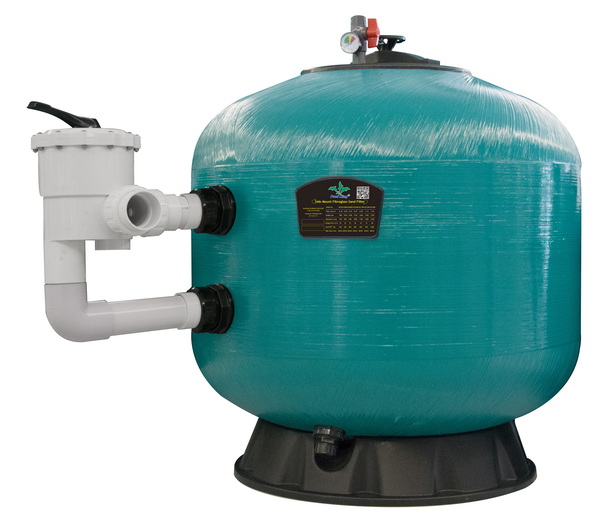
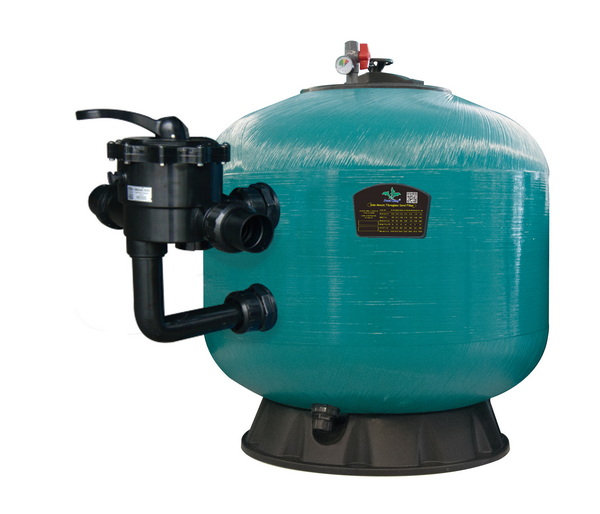
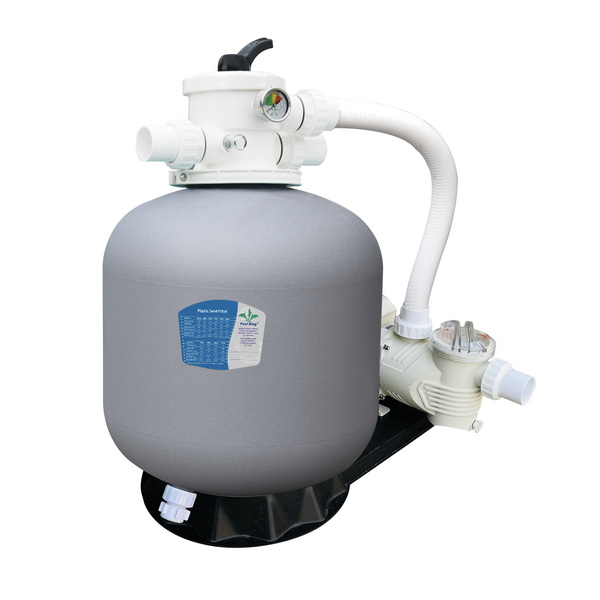
Inground pools usually use one of three main filter types: sand, cartridge, or diatomaceous earth (DE), each with a different cleaning method and schedule. Sand filters are typically cleaned by backwashing, cartridge filters by removing and hosing cartridges, and DE filters by backwashing and recharging with DE powder plus periodic internal cleaning.
Always shut off all power to the pump and equipment before working on an inground pool filter, then open the manual air relief valve to relieve pressure. Never attempt to loosen clamps or open the tank until the pressure gauge reads zero and you no longer hear air escaping from the relief valve.
Filter cleaning frequency depends on filter type, bather load, debris, and pressure readings, but a common rule is to clean when pressure rises 8–10 psi above normal. For many residential pools this means cleaning at least once a month, with deeper chemical cleanings once or twice a year depending on filter type and water conditions.
Different inground filter types share some common tools but require different cleaners and accessories.
- Garden hose with adjustable nozzle or dedicated filter cleaning nozzle (moderate pressure only, no pressure washer).
- Pool filter cleaner or degreaser (specific formulas for sand, cartridge, or DE, following label directions).
- Bucket or tub large enough to soak cartridges or DE grids for deep cleaning.
- Silicone‑based lube for O‑rings, spare O‑rings or gaskets, and basic hand tools for clamps and lids.
- Safety gear such as eye protection and gloves, especially when handling DE powder or chemical cleaners.
Regardless of filter type, the basic preparation steps are similar and should always be followed in the same sequence.
1. Turn off the pump and cut power at the breaker or control panel so the system cannot turn on during service.
2. Close valves from the pool if your equipment pad sits below the water level to avoid unwanted water flow.
3. Open the manual air relief valve on top of the filter to release pressure until the gauge reads zero.
4. Remove the drain plug at the bottom of the tank to drain water and reduce weight before opening the filter.
Sand filters in inground pools are usually cleaned by backwashing, then occasionally by chemical cleaning for oils and fine debris that backwashing cannot remove.
Backwash whenever the pressure gauge is around 8–10 psi above the clean starting pressure or when water becomes cloudy.
1. Turn off the pump completely.
2. Set the multiport valve to “Backwash” and connect the backwash hose to a safe discharge area allowed by local rules.
3. Turn the pump on and backwash for about 3–5 minutes or until the sight glass runs clear.
4. Turn the pump off and set the valve to “Rinse,” then run for 20–30 seconds to settle the sand bed and flush remaining dirty water to waste.
5. Turn the pump off again and set the valve back to “Filter.”
Even with regular backwashing, oils and fine particles can coat the sand and reduce performance, so most manufacturers recommend an occasional chemical clean.
1. Backwash the filter thoroughly as above, then turn off the pump.
2. With the valve in “Backwash” or “Closed” (following the cleaner instructions), pour the recommended amount of sand filter cleaner into the skimmer.
3. Turn the pump on briefly to draw the cleaner into the filter, then shut it off and let the cleaner soak in the sand bed for the specified time.
4. Backwash again until the waste water runs clear, then rinse and return the valve to “Filter.”
From time to time you may want to open the sand filter to inspect the sand bed, especially if backwashing no longer restores normal pressure.
1. After shutting off power, relieving pressure, and draining the tank, remove the multiport valve or filter head.
2. Look for “channels” or hard clumps in the sand, which indicate poor distribution or contamination.
3. Gently stir and level the sand with a plastic scoop or gloved hand, being careful not to damage the standpipe or laterals.
4. If the sand is extremely dirty, oily, or more than five to seven years old, plan a full sand replacement.
Cartridge filters are cleaned by removing the cartridges from the tank and rinsing them carefully with a garden hose, sometimes followed by soaking in a cleaner.
Once you have shut off power, relieved pressure, and drained the tank, you can safely open the filter.
1. Loosen and remove the clamp or band that holds the tank halves together according to the manual.
2. Lift off the tank lid and set it aside carefully.
3. Remove the cartridge elements from the tank, noting their position and orientation for reassembly.
Use a regular garden hose to rinse the cartridges, focusing on removing debris from between the pleats without using too much pressure.
1. Stand each cartridge upright and spray from top to bottom, angling the stream at roughly 45 degrees to flush out dirt between pleats.
2. Avoid pressure washers or extremely strong jets that can damage the pleated fabric.
3. Rotate the cartridge and continue until all sides are clean and debris is rinsed away.
4. For light maintenance, allow cartridges to dry briefly before reinstalling; for heavy dirt or oils, proceed to a soak.
Body oils, sunscreen, and fine particles can cling to cartridges and may require soaking in a specialized cleaner.
1. Prepare a large bucket or tub with water and a cartridge filter cleaner or a suitable cleaner solution as directed on the product.
2. Submerge cartridges completely and soak for several hours or overnight.
3. Remove and rinse thoroughly with clean water to remove all cleaner residue.
4. Allow cartridges to dry completely if recommended by the cleaner manufacturer, then reinstall.
During cleaning, always inspect cartridges so you can replace worn elements before they fail.
- Look for tears in the pleats, cracks in the plastic end caps, or collapsed pleats.
- Hold the cartridge up to the light; heavily stained areas that will not rinse clean may indicate embedded dirt or oils.
- Replace cartridges that show significant wear, damage, or persistent high pressure even after a deep clean.
DE (diatomaceous earth) filters provide very fine filtration but require backwashing, recharging with new DE powder, and periodic internal cleaning of grids and manifolds.
As with sand, DE filters are typically backwashed when pressure rises about 8–10 psi above normal or monthly during the season.
1. Turn off the pump, set the backwash valve to “Backwash,” and connect the backwash hose to a suitable discharge point.
2. Turn the pump on and backwash until the sight glass or discharge water appears clear, then turn the pump off.
3. Return the valve to “Filter,” open the air relief valve, and remove the drain plug to empty the filter tank.
DE grids and manifolds should be removed and rinsed periodically for a thorough internal cleaning.
1. With power off, pressure relieved, and tank drained, open the filter tank as described in the owner's manual.
2. Lift out the complete grid assembly or individual grids and inspect for tears, cracks, or excessive wear.
3. Rinse grids and manifold thoroughly with a garden hose, focusing on removing old DE powder and trapped debris.
4. For very dirty grids, soak them in a DE cleaner solution as directed, then rinse completely.
After cleaning, the filter must be reassembled and recharged with fresh DE so it can resume proper filtration.
1. Reinstall grids or the grid assembly, re‑lube O‑rings if needed, close the tank, and secure clamps per the manual.
2. Close the drain plug, open the valves from the pool, and start the pump with the air relief valve open until a steady stream of water appears.
3. Slowly add the recommended amount of new DE powder through the skimmer, allowing it to coat the grids.
4. Monitor the pressure gauge to confirm it returns to the normal clean operating range.
Proper reassembly and restart ensure the filter operates safely and efficiently after cleaning.
- Confirm that all O‑rings and gaskets are clean, undamaged, and lightly lubricated before closing the tank.
- Tighten clamps or bands evenly and securely according to manufacturer torque or instructions.
- Close the drain plug, open all valves, and start the pump with the air relief valve open until water flows steadily, then close the valve.
- Check for leaks around clamps, plugs, and fittings, and confirm the pressure gauge shows a normal clean reading.
- Record the new “clean” starting pressure in a log so you know exactly when the gauge has risen 8–10 psi in the future.
Recognizing early warning signs helps you decide when to clean or inspect the filter more deeply.
- Pressure gauge reads 8–10 psi higher than the normal clean pressure.
- Noticeable drop in water flow from returns or poor skimmer suction.
- Cloudy or dull water even when chemistry is balanced and pump run time is adequate.
- Air bubbles from return jets or noisy pump operation due to restricted flow.
- Frequent need to backwash or clean shortly after each cleaning, suggesting internal media wear or channeling.
Over time, internal filter parts wear out and may need repair or replacement to maintain performance and safety.
- Sand in sand filters usually needs full replacement every several years when backwashing no longer restores pressure and clarity.
- Cartridge elements typically need replacement every 2–5 years depending on use, cleaning habits, and water quality.
- DE grids and manifolds may need replacement if fabric tears, frames crack, or leaks cannot be resolved by normal maintenance.
- Corroded clamps, cracked tanks, or damaged valves should be repaired or replaced promptly for safety.
For commercial pools, high‑use residential pools, or when upgrading equipment, working with professional OEM manufacturers and installers can improve long‑term performance.
- OEM factories can supply high‑quality sand, DE, and cartridge filters, pumps, and LED lights designed for inground pools, along with compatible accessories and parts.
- Brand owners and wholesalers can customize housings, labels, and packaging while relying on the manufacturer's engineering and testing experience.
- Professional service technicians can also help set appropriate cleaning intervals, choose the right filter media, and safely handle complex repairs.
- For new builds or renovations, consider integrating energy‑efficient pumps, smart controls, and LED lighting into the equipment set to enhance the overall system.
Cleaning an inground pool filter safely and regularly is one of the most effective ways to keep water sparkling, protect pumps, and control operating costs. By following consistent safety steps, watching the pressure gauge, and using the correct cleaning method for sand, cartridge, or DE filters, pool owners and professionals can maintain reliable filtration and extend the life of their equipment. When in doubt, or when dealing with large or commercial pools, partnering with experienced OEM manufacturers and qualified service technicians ensures that your system stays efficient, safe, and ready for swimmers season after season.
Contact us to get more information!
Most filters should be cleaned whenever the pressure rises 8–10 psi above the clean starting pressure, which is often about once a month during the swimming season. In very busy pools or harsh environments, you may need to backwash or rinse more often and perform at least one deep chemical clean each year.
No, pressure washers are too aggressive and can tear pleats, damage fabric, and shorten the life of the elements. Use a regular garden hose with a moderate spray and, if needed, a dedicated filter‑cleaning nozzle designed for pool filters.
If you open a pressurized filter tank, the lid or clamp can blow off with great force, causing serious injury or damage. Always shut off power, open the manual air relief valve, and confirm that the pressure gauge reads zero before loosening any clamps or removing lids.
Signs include persistent high pressure even after cleaning, recurring cloudy water, visible damage to cartridges or DE grids, or sand that is clumped, channeled, or more than several years old. When cleaning no longer restores normal performance, replacement is usually the best option.
Many homeowners handle DE themselves, but you should always wear a mask and avoid breathing the fine dust. Mix DE with water in a bucket to form a slurry before pouring it into the skimmer, and follow local rules for disposal of backwash water that contains DE.
1. https://www.swimuniversity.com/clean-pool-filter/
2. https://www.doheny.com/help/how-to-clean-a-pool-filter
3. https://simplegreen.com/cleaning-tips/outdoors/pool-filters/
4. https://www.allphasepoolremodeling.com/blog/2024/the-definitive-guide-to-pool-filter-cleaning-intervals-to-ensure-crystal-clear-
5. https://www.millenniumpool.com/blog/how-often-you-should-clean-your-pool-filter/
6. https://gsppoolservice.com/the-importance-of-cleaning-your-pool-filter-essential-for-a-healthy-pool/
7. https://www.pentair.com/content/dam/extranet/nam/pentair-pool/residential/filters/clean-and-clear-family/clean-and-clear-plus/cleanandclearplus-owners-manual.pdf
8. https://images.inyopools.com/cloud/documents/pentair-filters-clean-and-clear-plus.pdf
9. https://www.poolsupplies.com/blog/post/pool-pressure-gauge-and-air-relief-valve
10. https://simplegreen.com/professional/cleaning-tips/outdoors/pool-filters/


