
Views: 222 Author: Tina Publish Time: 2026-01-16 Origin: Site


Content Menu
● Why Pentair Filter Cleaning Matters
● How Often to Clean a Pentair Pool Filter
● Safety Rules Before You Start
● Identify Your Pentair Filter Type
● Tools and Materials You Will Need
● General Shutdown and Pressure Relief Steps
● How to Clean a Pentair Cartridge Filter
>> Opening the Cartridge Filter
>> Removing and Rinsing the Cartridges
>> Cleaning the Tank and Reassembly
● How to Clean a Pentair DE Filter
>> Backwashing a Pentair DE Filter
>> Full Tear‑Down and Grid Cleaning
● How to Clean a Pentair Sand Filter
>> Backwashing a Pentair Sand Filter
>> Inspecting and Refreshing Sand
● Restarting the System and Checking Pressure
● Practical Tips to Keep Your Pentair Filter Cleaner Longer
>> 1. How do I know when my Pentair pool filter needs cleaning?
>> 2. Can I use a pressure washer on Pentair cartridges or DE grids?
>> 3. How often should I replace Pentair filter cartridges?
>> 4. Do I always have to add new DE after backwashing a Pentair DE filter?
>> 5. Is it safe to open the filter clamp if some pressure remains on the gauge?
>> 6. Can I clean my Pentair filter myself or should I always hire a professional?
Cleaning a Pentair pool filter comes down to three key steps: safely shutting down and opening the system, thoroughly cleaning the internal media (cartridge, DE grids, or sand), and then reassembling and restarting while watching the pressure gauge. Done on the correct schedule, this keeps your pool water clear, protects your pump, and extends the life of the entire filtration system.
Regular cleaning is essential because every Pentair filter—cartridge, DE, or sand—slowly clogs as it traps dirt, body oils, sunscreen, and fine debris. If you ignore rising pressure, circulation drops, chemicals stop working effectively, and the pump can overheat or even fail early.
- A properly maintained filter helps keep water clear with less chlorine and fewer algaecides over the season.
- Staying within the manufacturer's pressure and service guidelines reduces the risk of dangerous pressure‑related accidents when opening the tank.
Pentair's general recommendation is to clean when the pressure gauge rises about 8–10 psi above the “clean” starting mark recorded after the last service. The exact frequency depends on filter type, bather load, surrounding dust or leaves, and whether the pool has had algae or heavy storms.
- Cartridge filters typically need cleaning every 4–8 weeks in normal residential use, more often after algae blooms or heavy debris events.
- DE and sand filters may be backwashed every 4–6 weeks, with occasional full tear‑down and internal cleaning at least once per year.
Because Pentair filters are pressure vessels, safety comes first before opening or backwashing.
- Always shut off power to the pump at the timer or breaker and lock it out if possible so it cannot restart while you are working.
- Always open the manual air‑relief valve at the top of the filter and verify that pressure drops to zero before loosening any clamp, union, or lid.
Additional precautions:
- Stand clear of the clamp area when loosening; never hammer on a pressurized tank, and replace any damaged clamp, O‑ring, or tank half.
- Direct drained and backwash water to an approved discharge point according to local codes and environmental regulations.
Before cleaning, identify whether your Pentair unit is a cartridge, DE, or sand filter, since the steps are slightly different.
- Cartridge filters (Pentair Clean & Clear, Clean & Clear Plus, Clean & Clear RP, etc.) use pleated cartridges inside a single tank body.
- DE filters (Pentair FNS Plus, Quad DE, etc.) use fabric‑covered grids or cartridges coated with diatomaceous earth powder to catch very fine particles.
Sand filters (such as Pentair Triton or SMBW series) contain a bed of graded sand that is cleaned primarily by backwashing.
Preparing tools in advance makes the cleaning process smoother and safer.
- Garden hose with spray nozzle for rinsing cartridges, DE grids, or inside the tank.
- Correct‑size socket or wrench (often 7/8 inch) to loosen and tighten the filter clamp band nut.
Optional but recommended:
- Commercial filter cleaning solution or a trisodium phosphate (TSP) and water mix for removing oils from cartridges or grids.
- Plastic bucket, rubber mallet, silicone‑based lubricant for O‑rings, and replacement tank O‑ring if the old one is cracked or flattened.
Most Pentair filters follow the same shutdown and pressure relief steps, whether cartridge, DE, or sand.
1. Turn off the pool pump at the time clock or control panel and confirm the motor has stopped.
2. Open the manual air‑relief valve on top of the filter and wait until the gauge drops to zero and air/water stops hissing out.
Then:
- Open the drain plug at the bottom of the filter tank (for cartridge/DE) and allow water to drain completely before removing the clamp or lid.
- Close suction and return valves as needed so water does not siphon through the equipment while the system is open.
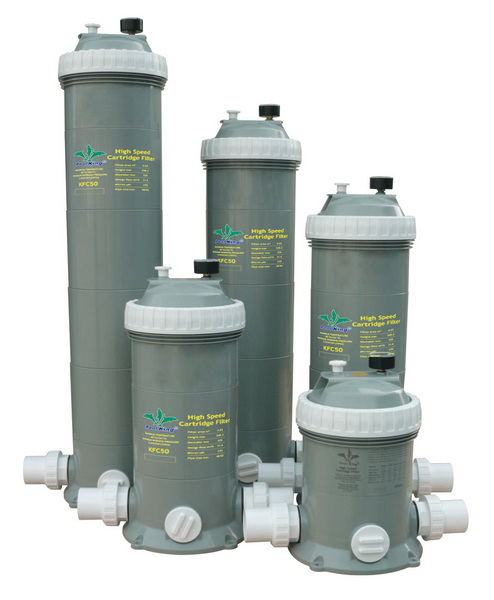
Pentair's Clean & Clear and Clean & Clear Plus cartridge filters are among the most common and are designed for straightforward cleaning.
Follow the general shutdown steps, then proceed to open the tank.
- With pressure at zero and the drain plug open, loosen the band clamp barrel nut using the recommended socket until the spring coils decompress.
- Remove the nut, spring, and washers, then take off the clamp band and lift the filter lid straight up from the tank base.
Once the tank is open, the cartridges and top manifold can be taken out.
- Remove the internal air‑bleed screen and the top manifold, then lift out each cartridge one by one to avoid damaging the media.
- Use a garden hose at about a 45‑degree angle, washing from top to bottom and between each pleat until water runs clear on all sides.
If the cartridges have heavy oil or scale:
- Soak them in a dedicated filter cleaner or a solution such as one cup TSP to five gallons of water for 1–8 hours, then rinse thoroughly.
- For scale or mineral deposits, some manuals describe a separate mild acid soak only after degreasing, always followed by a full rinse.
Before closing the filter, the tank interior and O‑rings should be inspected.
- Spray out the inside of the tank base and rinse any dirt or debris toward the drain opening, then check the O‑ring groove for grit.
- Lightly lubricate the large tank O‑ring with a silicone‑based lubricant and seat it evenly in the groove, replacing it if cracked or flattened.
Reinstall:
- Place the clean cartridges back into the tank, reinstall the top manifold and air‑bleed screen, then position the lid on the base with the warning label facing front.
- Refit the clamp band, tighten the barrel nut evenly, tapping the band with a dead‑blow mallet so it seats correctly, and stop tightening when the spring coils just touch.
Pentair DE filters like the FNS Plus and Quad DE require either backwashing or full disassembly and hose‑cleaning of the grids or DE cartridges.
Backwashing reverses flow through the grids to flush out dirty DE.
- With the pump off, set the multiport or push‑pull valve to “Backwash,” then restart the pump and discharge to waste until the water runs clear at the sight glass or hose end.
- Shut the pump off, switch to “Rinse” for a short cycle, then return the valve to “Filter” and restart.
After backwashing:
- Add the manufacturer‑specified amount of fresh DE powder through the skimmer so it can coat the grids again.
- Monitor the pressure gauge and repeat backwashing only as needed, since frequent backwash wastes water.
At least once a year, or when backwashing no longer restores normal pressure, the tank should be opened and the DE grids or cartridges cleaned manually.
- Follow shutdown and pressure relief steps, open the drain, and remove the band clamp and tank lid as with a cartridge filter.
- Lift out the grid assembly or Quad DE cartridges, then hose them thoroughly to remove all old DE and debris, paying attention to manifold and bleed screen areas.
Inspect:
- Check grids and manifold for tears, cracks, or broken ribs, and replace damaged parts to avoid DE returning to the pool.
- Rinse the tank interior, reassemble the grid assembly, reinstall the lid and clamp, then recharge with the correct DE dose after restarting.
Traditional Pentair sand filters are usually cleaned by backwashing, with occasional sand inspection and replacement.
Backwashing reverses flow and lifts the sand bed to remove trapped dirt.
- With the pump off, move the multiport valve handle to “Backwash,” attach a backwash hose, then restart the pump and run until the sight glass water goes from dirty to clear.
- Turn off the pump, set the valve to “Rinse” for a short cycle, then return to “Filter” and restart to reset the sand bed.
Regular backwashing keeps pressure in the normal range while preventing channeled sand and poor filtration.
Over time, sand can become worn, clumped, or contaminated by oils.
- If pressure continues to rise quickly after backwashing, or if water remains cloudy, the sand level and condition may need inspection or replacement.
- Many professionals recommend changing sand approximately every 5 years for heavily used residential pools, or sooner if there are major water quality problems.
After any cleaning, restart the system and verify proper operation.
- Close the drain plug, ensure the clamp band is correctly positioned, and slowly open valves before turning the pump back on.
- With the pump running, open the manual air‑relief valve until a solid stream of water flows, then close it to remove trapped air.
Finally:
- Note the new “clean” pressure reading on the gauge by rotating the bezel arrow or marking it, and use that reference for future cleanings.
- Check for leaks around the clamp, drain plug, unions, and valve connections during the first few minutes of operation.
A few habits will reduce how often you need deep cleaning.
- Skim and vacuum regularly, and keep skimmer and pump baskets empty so large debris never reaches the filter media.
- Maintain correct water chemistry to prevent algae and scale, which can quickly clog cartridges, grids, and sand.
You can also:
- Use a clarifier only when needed, and avoid over‑dosing products that may gum up the media.
- Shower before swimming and encourage swimmers to minimize lotions and oils that load the filter quickly.
Cleaning a Pentair pool filter safely and correctly means understanding your filter type, following proper shutdown and pressure‑relief steps, and using the right techniques for cartridge, DE, or sand media. When you keep an eye on the pressure gauge and stick to a regular cleaning schedule, your Pentair system will run efficiently for many seasons, delivering clear water while protecting your pump and other equipment.
Most Pentair manuals recommend cleaning the filter when the pressure gauge rises about 8–10 psi above the clean starting pressure after the last service. Cloudy water, weak return flow, or reduced skimmer suction are additional signs that the filter is dirty and needs attention soon.
No, pressure washers can damage the pleated media or fabric, causing tears and reducing filtration efficiency. A regular garden hose with a spray nozzle is the preferred method, working slowly from top to bottom and between the pleats or grid folds.
In typical residential pools, cartridges often last 2–3 seasons, but lifespan depends heavily on water balance, cleaning technique, and bather load. If the cartridges remain stained, flattened, or the pressure rises quickly even after cleaning, it may be time to replace them.
Yes, backwashing removes a significant portion of the DE coating from the grids, so fresh DE powder must be added through the skimmer according to the filter's recommended dose. Operating a DE filter without enough powder can damage the grids and allow fine debris to pass back to the pool.
No, the clamp should never be loosened until the gauge reads zero and the manual air‑relief valve has been fully opened and vented air and water. Opening a pressurized tank can cause the lid to separate violently, risking serious injury or property damage.
Many homeowners successfully clean their Pentair cartridge, DE, and sand filters themselves if they carefully follow the manufacturer's instructions and local safety rules. For complex DE systems, commercial pools, or if you are unsure about pressure‑relief or clamp tightening, a qualified pool professional is strongly recommended.
1. https://www.pentair.com/en-us/education-support/water-education-center/pool-and-spa-education/cleaning-and-maintaining-your-pool-filters
2. https://www.youtube.com/watch?v=OYWA07UVMwY
3. https://www.youtube.com/watch?v=9UhnyRNjrkM
4. https://www.pentair.com/content/dam/extranet/nam/pentair-pool/residential/filters/clean-and-clear-family/clean-and-clear-plus/clean-and-clear-plus-owners-manual-english.pdf
5. https://www.pentair.com/content/dam/extranet/nam/pentair-pool/residential/filters/clean-and-clear-family/clean-clear-rp-filter/manual/english.pdf
6. https://www.youtube.com/watch?v=5eJPsxB3q_s
7. https://www.youtube.com/watch?v=TxhFZYhR5RY
8. https://www.pentair.com/content/dam/extranet/nam/pentair-pool/pool-manuals/filters/Clean_and_Clear_Owners_Manual_English.pdf
9. https://www.reddit.com/r/swimmingpools/comments/vbejl7/cleaning_pool_filtercan_i_do_it_myself_should_i/
10. https://www.reddit.com/r/pools/comments/14w6g2c/how_do_i_backwash_this_filter/


