
Views: 222 Author: Tina Publish Time: 2025-11-18 Origin: Site


Content Menu
● Why Change Pool Filter Sand?
● How Often to Change Pool Filter Sand
>> Essential Tools and Materials
>> Pool Filter System Overview
● Step-by-Step Guide to Changing Pool Filter Sand
>> Step 1: Shut Off Pump and Power
>> Step 2: Drain the Filter Tank
>> Step 3: Remove Multiport Valve or Tank Lid
>> Step 5: Remove Old Filter Sand
>> Step 6: Withdraw and Inspect the Lateral Assembly
>> Step 7: Clean the Filter Tank and Components
>> Step 8: Add Water for Cushioning
>> Step 9: Add New Filter Sand
>> Step 10: Reinstall the Lateral Assembly and Plumbing
>> Step 11: System Backwash and Rinse
>> Step 12: Check for Leaks and Verify Operation
● Advanced Tips and Professional Advice
● Maintenance Schedule and Quick Reference Table
>> 1. How often should I change my pool filter sand?
>> 2. Can I use a sand alternative in my pool filter?
>> 3. What are the signs my filter sand needs changing?
>> 4. Should I replace the O-rings during a sand change?
>> 5. How do I dispose of old filter sand?
>> 6. What happens if I overfill my filter with sand?
>> 7. Why is backwashing so important after sand replacement?
Changing the sand in your pool filter restores proper filtration and flow, protects your pump, and helps maintain sparkling water quality. This job seems daunting but is completely manageable for most pool owners with a little planning and patience.[1][7]
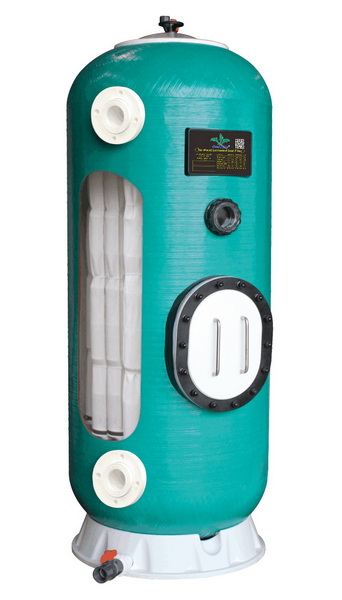
- Filtration Performance: Old or dirty sand can't trap debris as effectively, causing cloudy or dirty water.[6][1]
- Longevity of Equipment: Clogged or broken sand can put extra pressure on your pump and other filter parts, leading to premature wear.[1]
- Water Health: Fresh sand helps stop bacteria and algae from recirculating in the pool.[10]
- Pressure Consistency: Fresh sand maintains ideal filter pressure and reduces the need for frequent backwashing.[5]
Most pool experts recommend changing the sand every 3 to 5 years depending on:
- Swimming frequency.
- Pool size and debris load.
- Water chemistry and use of chemicals.[3][5]
You may need to change it sooner if you notice cloudy water, slow water flow, or high filter pressure.
- #20 silica filter sand, glass media, or OEM-recommended sand alternative.[7][1]
- Shop-vacuum or sturdy plastic scoop.[6][7]
- Duct tape or rubber plug (to seal the standpipe).[6]
- Screwdriver or wrench per your filter model.[6]
- Lubricant for O-rings.
- New O-rings/gaskets.
- Garden hose with nozzle.
- Bucket.
- Gloves and safety goggles.[7]
- Towel or cleaning cloth.
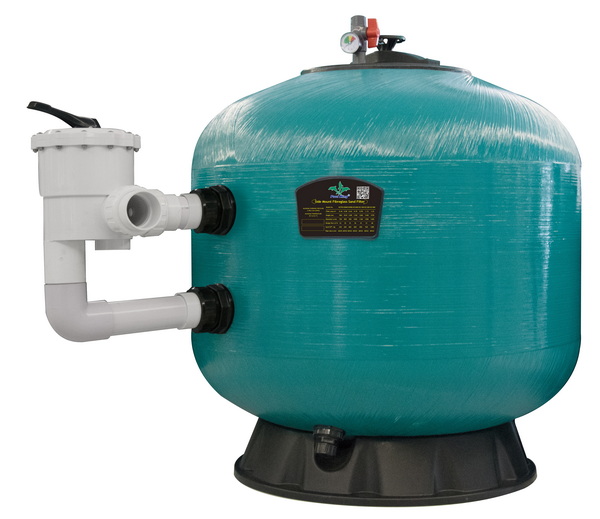
Sand filters work by passing water through a bed of specially graded sand. The sand traps dirt and debris. Over time, the sand bed becomes packed with oils, fine particles, and contaminants. When this happens, changing the sand restores the filter's ability to clean water efficiently.[1]
- Turn off the pool pump and disconnect its power at the breaker to avoid any accidental operation.[7][6]
- Close valves or disconnect hoses. This stops water from leaking or draining unnecessarily.[6]
- Locate and remove the drain plug on the filter base.
- Direct water into a drain or garden location. Attaching a hose to the drain port can help control water flow.[7][1]
- Wait until the tank is completely empty.
- Unscrew and remove the multiport valve clamp or tank lid, depending on your filter design.[6]
- Carefully lift the valve straight up to avoid damaging the standpipe below.[6]
- Use duct tape or a rubber plug to seal the standpipe opening at the tank center, preventing sand from entering and blocking the laterals.[2][6]
- Always check this seal before adding or removing sand.
- Tip or vacuum out as much sand as you can using a shop-vac or scoop.[7][6]
- Be careful not to damage the delicate lateral assembly at the bottom of the tank.
- Wear gloves, since old sand may contain sharp debris or bacteria.[6]
- If possible, gently rotate and remove the lateral pipe assembly.[1]
- Check laterals for cracks, blockages, or breaks.[1][6]
- Clogged laterals should be soaked in a cleaning solution and thoroughly rinsed before reinstalling.[11][1]
- Replace any damaged laterals immediately.
- Rinse out all remaining sand and debris with a garden hose.[1][6]
- Inspect the inside of the tank for cracks or leaks, and check the drain plug for wear.
- Replace critical O-rings and lubricate with pool-safe silicone to avoid future leaks.[7][1]
- Replace and tighten the drain plug.[6]
- Fill the tank partway with water to cushion the lateral assembly against the force of the incoming sand.[2][5]
- Center and tape the standpipe again.
- Carefully pour new filter sand into the tank, stopping when it covers the laterals by at least 3-4 inches or matches your filter's specification.[5][6]
- Level the sand as you go for even filtration.
- For best results, check the owner's manual for the exact sand type and quantity.[7]
- Insert the lateral assembly back into the sand, ensuring all arms are facing down.[1]
- Remove the tape or plug from the standpipe.
- Place the multiport valve or tank lid back on, tighten the clamp, and reconnect the hoses and unions.[6]
- Check that all connections are secure but not overtightened.
- Attach your backwash hose and set the multiport valve to “Backwash”.[5]
- Run the pump for 2-3 minutes or until the waste water runs clear, flushing out fine dust and impurities.[5]
- Next, set the valve to “Rinse” for 1 minute to settle the sand bed and prevent sand from entering the pool.[5]
- Switch the valve back to “Filter” to resume regular pool operation.
- Watch for leaks at all joints and around the filter tank.
- Ensure the filter pressure gauge reads at normal operating levels.
- Keep the sand bed below the overdrain for proper filtration action—leave about 50% of bed depth between sand and the overdrain.[1]
- Always record the date you changed your sand for future maintenance tracking.[3]
- Dispose of used sand responsibly, following local regulations; never dump sand in storm drains or natural waterways.[7]
- Use only approved filter media. Other materials may void your warranty and cause filter damage.[10]
- Add a pool filter cleaner to your maintenance routine to extend sand life and reduce oils and scale buildup between changes.
- Overfilling the filter with sand, which reduces filtration efficiency.[7]
- Using non-approved sand or play sand, risking filter clogs and performance issues.[10]
- Neglecting to check and lubricate O-rings during reassembly.[7]
- Skipping backwash and rinse steps after sand replacement—this leads to dirty water and filter clogs.[5][6]
- Forgetting to check lateral pipes for cracks, especially after forceful sand removal.[6]
| Task | Frequency | Notes |
|---|---|---|
| Change filter sand | Every 3–5 years | Earlier if water flow drops or pressure high |
| Backwash filter | As needed | When pressure rises 8-10 psi above normal |
| Inspect laterals/O-rings | Every sand change | Replace if cracked or brittle |
| Clean filter tank | Each sand change | Visual and manual inspection |
Changing the sand in your pool filter is an essential, straightforward DIY project that will dramatically improve your water quality, reduce equipment strain, and lengthen the lifespan of your filtration system. By following this guide, using the proper materials, and learning from advanced tips and visual resources, you'll achieve professional results and enjoy a clean, sparkling pool throughout the season.[1][7][6]
It's best to change the sand every 3–5 years, although heavy use, high bather loads, or poor water chemistry may require more frequent changes.[3][5]
Only use alternatives, such as glass media, specifically approved by your filter's manufacturer. Always check product compatibility first.[7]
Look for persistent cloudy water, high filter pressure, short backwash intervals, or poor water circulation.[3][5]
Yes, it is strongly recommended to replace or lubricate worn O-rings to prevent leaks and pressure issues.[7]
Dispose of old sand per local regulations at an appropriate waste site. Do not dump it in natural bodies of water or storm drainage systems.[7]
Overfilling reduces water flow and filtration effectiveness. Always follow the manufacturer's guidelines for sand quantity.[1][7]
Backwashing removes fine dust, dirt, and packing agents from new sand, ensuring clean water from the first cycle.[5][7]
[1](https://www.swimmingpool.com/maintenance/pump&filter/changing-sand-in-your-pool-filter/)
[2](https://www.youtube.com/watch?v=v9ghBgNkv-4)
[3](https://boutique.piscinehippocampe.ca/en/blogs/guide-piscine/changer-sable-filtreur-piscine-guide)
[4](https://www.reddit.com/r/swimmingpools/comments/c5fyrs/how_to_change_sand_in_this_sand_filter/)
[5](https://www.doheny.com/help/pool-filter-sand)
[6](https://www.thepoolfactory.com/blogs/pool-care/how-to-change-the-sand-in-a-pool-filter)
[7](https://poolie.com/blog/maintenance/how-to-change-sand-in-pool-filter/)
[8](https://www.memphispool.com/help-advice/changing-your-filter-sand/)
[9](https://www.youtube.com/watch?v=C70OeMKv8AY)
[10](https://intheswim.com/blog/how-to-change-pool-filter-sand-2.html)
[11](https://aisands.com/how-to-replace-sand-in-a-pool-filter/)
[12](https://www.youtube.com/watch?v=E6e0TX6Wxo0)
[13](https://www.youtube.com/watch?v=K0Gxxl_PQHw)
[14](https://www.poolsuppliescanada.ca/how-to-change-the-sand-in-your-sand-pool-filter.html)


