
Views: 222 Author: Tina Publish Time: 2026-01-14 Origin: Site


Content Menu
● How to Change Pool Filter Without Losing Water
● Why You Should Avoid Draining Water
● Tools and Supplies You Will Need
● General Steps to Stop Water Flow
● Changing a Cartridge Filter Without Losing Water
● Changing Sand Filter Media With Minimal Water Loss
● Changing DE Filter Grids Without Draining the Pool
● Tricks for Above‑Ground and Intex‑Type Systems
● OEM Filter Systems, Pumps, and Accessories
>> 1: How often should a pool filter cartridge be replaced?
>> 2: Can I clean a cartridge instead of replacing it?
>> 3: How do I know if my sand needs to be changed?
>> 4: Is it safe to run the pump with air in the system?
>> 5: Can I change from a DE filter to a cartridge or sand filter?
How to change a pool filter without losing water mainly comes down to stopping or isolating water flow, working quickly, and using the right valves or plugs on your system. With a simple sequence of shutting off the pump, closing valves or plugging openings, and bleeding air carefully, most owners can change cartridges, sand, or DE grids with almost no water loss.[1][2][3]
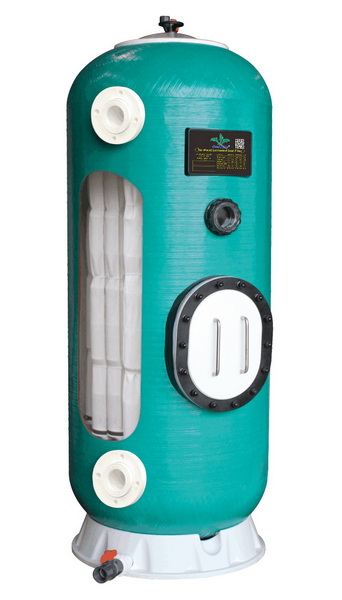
Keeping as much water as possible in the pool saves money, chemicals, and time spent refilling and rebalancing. This guide walks through practical methods for cartridge, sand, and DE filters and suggests tools, images, and videos you can use to make the process easier.[4][5]
- Reducing water loss helps maintain stable chemical balance, so you spend less on chlorine, pH adjusters, and stabilizer.[3]
- Minimizing refilling cuts down on heating costs and avoids stressing vinyl liners or pool structures from repeated expansion and contraction.[4]
- Many areas have water restrictions or high water prices, so preserving water is both environmentally and financially smart.[5]
- Shut‑off valves or unions on suction and return lines, or temporary plugs or caps sized for your pool ports.[1][5]
- Basic hand tools: flathead screwdriver or wrench for drain caps and band clamps, plus Teflon tape for re‑sealing fittings.[1][4]
- Optional helpers: wet/dry vacuum, rubber expansion plugs, or a short section of pool noodle to block hoses on small above‑ground systems.[6][4]
- Turn the pump off at the breaker or control panel before touching any part of the filter or pump assembly.[5][1]
- Close all suction and return valves; if there is no “closed” setting, plug the skimmer and return jets or lift hoses above water level to break the siphon.[2][5]
- Open the air bleeder on top of the filter to release pressure and allow water in the tank to drain down through the filter drain or pump basket.[3][1]
- Shut off the pump, close valves on both suction and return, and open the air relief on top of the cartridge tank to depressurize.[3][1]
- Loosen the clamp or lid, remove the top, then lift the dirty cartridge straight up; install the new cartridge, re‑seat the lid, and re‑tighten the clamp evenly.[1][3]
- With the air bleeder still slightly open, slowly reopen the valves to refill the tank, then close the bleeder when a steady stream of water (no air) emerges and restart the pump.[2][1]
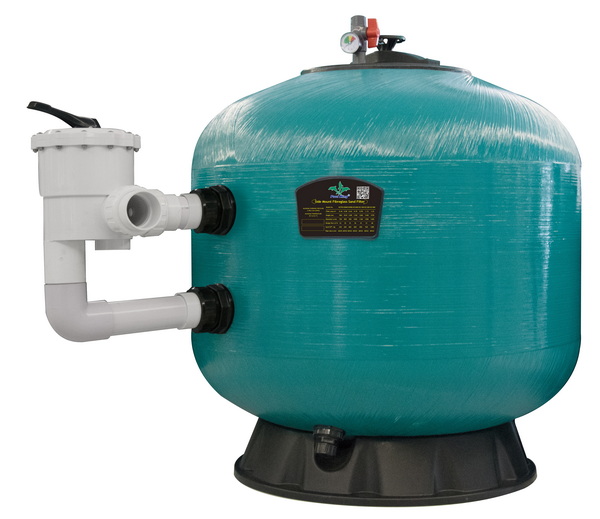
- Turn off the pump, set the multiport valve to “closed” or shut valves, and remove the filter drain plug to empty only the tank, not the pool.[4][5]
- Remove the multiport valve or dome and use a wet/dry vacuum or plastic scoop to remove old sand carefully, protecting the laterals at the bottom.[7][4]
- Reinstall the standpipe and laterals, fill the tank about halfway with water to protect them, then add the specified amount of #20 silica sand or filter glass before reassembling the top.[5][4]
- With the system off, close valves or plug skimmer and returns, then open the air bleeder on top of the DE filter to release pressure.[4][3]
- Open the filter tank, remove the grid assembly, and hose it off in a safe area; if grids are damaged, replace them with OEM or compatible parts.[4]
- Reassemble the tank, open the valves gradually, bleed air until water flows, then pre‑mix and add fresh DE powder through the skimmer as directed by the manufacturer.[3][4]
- On hose‑connected filters, raise the pump and filter above the pool water level so gravity stops most of the flow while you open the housing.[8][2]
- Use the pool ladder, a stool, or a recycling bin to temporarily rest the pump and filter while changing the cartridge, then bleed air and return the unit to the ground.[9][8]
- A short piece of pool noodle or rubber cap can block a hose end to keep water from gushing out during a quick filter change.[6][8]
- Always release air and confirm the pressure gauge reads zero before loosening clamps or lids to avoid sudden opening forces.[3][1]
- Replace worn O‑rings and lubricate them lightly to prevent leaks when the system is pressurized again.[3][4]
- After any filter work, run the system while checking all joints, unions, and valves for drips, and backwash sand or DE systems as recommended to flush dust and fine media.[5][4]
- High‑quality sand, cartridge, and DE filters with well‑designed shut‑off valves and unions make low‑loss maintenance much easier for service technicians and homeowners.[1][4]
- OEM systems combining filters, variable‑speed pumps, and LED lighting allow brand owners and wholesalers to offer complete, energy‑efficient pool packages under their own labels.[7][3]
- Smart‑machine manufacturing of filter tanks, heads, and accessories improves consistency and durability, reducing leaks and simplifying warranty service for international partners.[7][4]
Changing a pool filter without losing water is mostly about controlling flow with valves, plugs, and elevation, rather than draining the pool itself. By following correct lock‑out, depressurizing, and re‑assembly steps for cartridge, sand, and DE systems, owners and professionals can service filters quickly, safely, and efficiently with minimal water waste.[2][3][1][4]
Most residential cartridges need replacement every 1–3 years, depending on pool usage, debris load, and how consistently they are cleaned. A rising clean‑pressure reading and visible damage on the pleats are signs that a cartridge should be replaced.[3][1]
Yes, cartridges are designed to be removed, hosed from top to bottom, and reinstalled many times before replacement is necessary. However, once the fabric is torn, flattened, or permanently stained and the pressure stays high, cleaning is no longer effective.[1][3]
If backwashing no longer restores normal pressure or the water remains cloudy despite proper chemistry, the sand may be worn or clogged with fine debris and oils. Many pools need sand replacement about every 5–7 years, though heavy use or poor maintenance can shorten that interval.[5][4]
Running with trapped air can cause poor circulation, noisy operation, and in extreme cases damage to equipment or unsafe pressure spikes in the filter. Always bleed air at the filter's relief valve until water flows steadily before normal operation.[3][1]
Yes, many owners replace older DE filters with cartridge or sand systems to simplify maintenance and avoid handling DE powder. The change usually involves replumbing the pad and sizing the new filter correctly for the pump and pool volume.[11][4]
[1](https://www.youtube.com/watch?v=f4xja-rKYLU)
[2](https://www.youtube.com/watch?v=jRknTlTgBeI)
[3](https://intheswim.com/eguides/cartridge-pool-filters.html)
[4](https://intheswim.com/blog/changing-your-pool-filter-media.html)
[5](https://www.rrpools.ca/blog/change-the-filter-media-in-your-sand-filter-in-five-easy-steps/)
[6](https://www.reddit.com/r/pools/comments/1dqt8la/intex_pool_hack_to_help_change_filter_cartridge/)
[7](https://www.youtube.com/watch?v=my920NHBmRs)
[8](https://www.reddit.com/r/pools/comments/h8clf6/life_hack_changing_intex_or_similar_filter/)
[9](https://www.youtube.com/shorts/9yhxCtptxDo)
[10](https://www.facebook.com/groups/637529959937311/posts/2236805930009698/)
[11](https://www.inyopools.com/HowToPage/how-to-replace-a-pool-system-de-filter-with-a-cartridge-filter.aspx?CommentPage=1)
[12](https://www.youtube.com/watch?v=z0EsnZT0BuM)
[13](https://www.facebook.com/groups/637529959937311/posts/1703407563349540/)
[14](https://www.youtube.com/watch?v=u1A_eawDFJA)
[15](https://www.youtube.com/watch?v=qHNi_t-sSVI)


