
Views: 222 Author: Tina Publish Time: 2026-01-20 Origin: Site


Content Menu
● Why Build a Wood Pool Ladder?
● Materials And Tools You Will Need
● Planning Dimensions For Your Pool Ladder
● Step‑By‑Step Build: Outside Wood Pool Ladder
>> Step 1: Cut Ladder Side Rails
>> Step 2: Cut And Prep Treads
>> Step 3: Assemble The Ladder Frame
● Building The Inside Wood Pool Ladder Section
● Adding A Platform And Handrails
● Surface Treatment And Weather Protection
● Non‑Slip Features And Landing Area
● Anchoring And Structural Stability
● Maintenance And Seasonal Care
● Extra Tips For A Professional‑Feeling Pool Ladder
● FAQ About DIY Wood Pool Ladder
>> 1. How tall should a wood Pool Ladder be?
>> 2. What type of wood is best for a Pool Ladder?
>> 3. How can I make my Pool Ladder non‑slip?
>> 4. How do I keep a wood Pool Ladder stable?
>> 5. How often should I inspect and maintain my Pool Ladder?
Building a sturdy wood Pool Ladder is a practical DIY project that makes getting in and out of your above‑ground pool safer, more comfortable, and more attractive than many basic factory options. A custom wood Pool Ladder also lets you match the look of your deck or backyard and fine‑tune the size, height, and layout to suit your family.
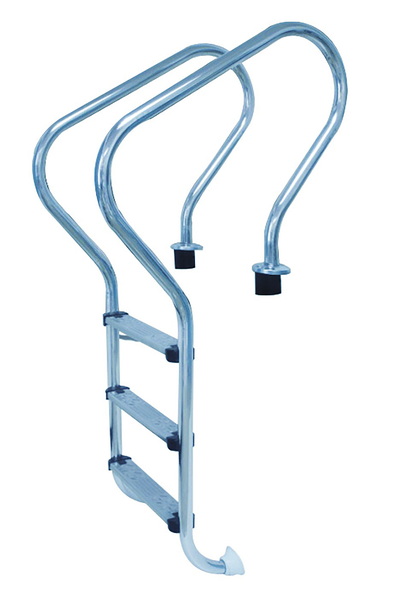
A well‑designed wood Pool Ladder offers both function and style. You can create wider, more comfortable steps, add deep handrails, and build a stable base that feels solid underfoot. Compared with many light, flexing metal ladders, a properly built wood Pool Ladder can feel more like a small staircase, which is especially helpful for children and older swimmers.
Another advantage is flexibility. When you design your own Pool Ladder, you decide the exact height, angle, and layout. You can integrate the wood Pool Ladder into an existing deck, add a small platform, or build an A‑frame Pool Ladder that works even if you do not have a deck at all.
Before cutting lumber, spend time planning the Pool Ladder layout and safety features. Good planning reduces waste, speeds up construction, and helps the Pool Ladder last longer.
Key safety points to keep in mind for your wood Pool Ladder:
- Steps should be wide enough for a full foot.
- All treads on the Pool Ladder should have a non‑slip surface.
- The Pool Ladder should include handrails on both sides, easy to grip even for children.
- All sharp edges, corners, and protruding screws must be smoothed or covered.
- The Pool Ladder should be easy to block or remove when the pool is not in use, especially where children are present.
You can also borrow concepts from general ladder safety, such as maintaining three points of contact when climbing, placing the Pool Ladder on a stable base, and checking for wobble before every use.
Think about how swimmers currently get in and out of the pool and what you want to improve. Your final wood Pool Ladder design depends mainly on pool style and surroundings.
Common options include:
- Deck‑mounted Pool Ladder: Works with an existing deck around an above‑ground pool. The outside portion is a set of wood stairs, and the inside portion is a shorter wood Pool Ladder that drops into the water from a top platform.
- Free‑standing A‑frame Pool Ladder: Ideal when there is no deck. The Pool Ladder has steps on both sides and rests over the pool wall.
- Hybrid Pool Ladder with platform: Combines a short stair section on the outside, a compact platform at the top, and an internal Pool Ladder on the inside. This can feel like a mini staircase and landing.
Choose the type that best fits your pool height, available space, and who will use the Pool Ladder most often.
Good materials are the backbone of a safe, long‑lasting wood Pool Ladder. Plan to use structural‑grade lumber, outdoor hardware, and coatings designed for moisture.
Typical material list for a wood Pool Ladder:
- 2x6 boards for side rails and main stringers
- 2x4 or 2x6 boards for treads and small braces
- 4x4 posts for support legs or platform legs, if needed
- Exterior‑grade galvanized or stainless screws and bolts
- Metal brackets for extra reinforcement at key joints
- Exterior wood glue (optional, for extra stiffness at non‑removable joints)
- Outdoor sealant, stain, or paint suitable for poolside environments
- Non‑slip tape, textured paint, or premade non‑slip strips for Pool Ladder steps
- Optional Pool Ladder mat or pad at the base to improve grip and protect liners
Basic tools for building a wood Pool Ladder:
- Measuring tape and pencil
- Carpenter's square and level
- Circular saw or miter saw
- Drill/driver with bits and countersink
- Sander or sanding block
- Clamps for holding pieces while fastening
- Safety gear: goggles, ear protection, gloves, and dust mask
Choose materials and tools you are comfortable handling, and never rush cuts or drilling in Pool Ladder components that will carry weight.
Accurate measurements will make your wood Pool Ladder safer and more comfortable to climb. Start by measuring:
- Total pool wall height
- Deck height (if any)
- Horizontal distance available outside the pool for the Pool Ladder approach
- Desired platform size at the top, if you include one
Then plan basic Pool Ladder geometry:
1. Decide step height (rise). Many people are comfortable with about 7–8 inches of rise per step.
2. Decide step depth (run). Aim for a step depth that allows a full foot to land naturally.
3. Calculate the number of steps. Divide the total vertical height by your chosen rise to estimate the number of Pool Ladder steps.
4. Set the overall angle. Too steep and the Pool Ladder feels like climbing a wall; too shallow and it takes up lots of space.
Sketch a side view of the Pool Ladder as a right triangle: the vertical side is total rise, the horizontal side is total run, and the hypotenuse is the side rail. Mark each step position on this sketch, then transfer it to your actual lumber.
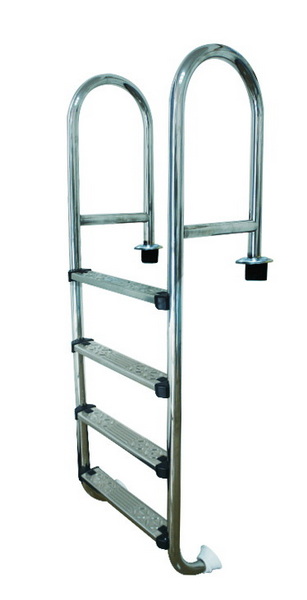
This section explains building the outside part of a wood Pool Ladder that leads from the ground up to a platform or deck.
The side rails, also called stringers, define the angle and shape of the Pool Ladder.
- Mark the overall length on two 2x6 boards, leaving extra length at the top and bottom for trimming and attachment.
- Using your sketch and a carpenter's square, mark each step location along the rails.
- Lightly label each notch or support location so both Pool Ladder rails match perfectly.
You do not always need to notch deeply into the rails. Many DIY builders fasten treads directly between rails using strong screws or brackets to preserve rail strength.
Treads carry most of the weight on the Pool Ladder. Cut several identical lengths of 2x4 or 2x6 boards, one for each step.
- Ensure cuts are square and clean so the Pool Ladder treads sit flat.
- Sand edges to remove splinters and soften corners, especially the front edges where bare feet land.
Consider double‑board treads for wider Pool Ladder steps, depending on your design and pool width.
With rails and treads ready, you can assemble the main Pool Ladder structure.
- Lay both rails on a flat surface, inside faces up.
- Position each tread between them at your marked step locations.
- Check that each tread is level and parallel to the ground when the Pool Ladder is at its intended angle.
- Pre‑drill screw holes to prevent splitting, then fasten treads with exterior‑grade screws.
At this stage, you should have a basic wood Pool Ladder frame that can stand when leaned at the correct angle.
Cross bracing prevents racking and twisting in a wood Pool Ladder.
- Install diagonal braces under the bottom step or between mid‑level steps.
- Fix short horizontal blocks between rails under a few treads for extra stiffness.
Bracing is especially important on a taller Pool Ladder, or when heavier users will climb it regularly.
If your pool has a deck or if you build a platform at the top, you may want a separate internal Pool Ladder that leads from the platform down into the water.
Key considerations:
- The inside Pool Ladder section is shorter but exposed to constant splashes.
- Steps may be closer together for comfortable water entry.
- Materials and fasteners must tolerate wet conditions.
To build:
- Cut two shorter 2x6 rails sized from platform height down into the pool to the desired depth.
- Cut a set of narrower treads for the inner Pool Ladder, often with closer spacing for secure footing.
- Assemble this section in the same way as the outer Pool Ladder, focusing on solid joints and non‑slip treads.
A small top platform between outside steps and the inside Pool Ladder adds stability and safety.
For the platform:
- Build a frame from 2x6 or 2x4 lumber, supported by 4x4 posts at the corners or securely attached to your existing deck.
- Deck the surface with boards laid tightly together, with gaps small enough to feel comfortable under bare feet.
- Ensure the platform is large enough to stand and turn around safely while using the Pool Ladder.
For handrails:
- Install rails on both sides of the Pool Ladder and around the platform edges that face open space.
- Use smooth, rounded pieces that are easy to grip with wet hands.
- Secure each rail with strong posts connected to the main Pool Ladder frame or platform structure, not just surface‑mounted.
Well‑placed rails make a huge difference in how safe the Pool Ladder feels for all ages.
Outdoor use and pool water are tough on untreated wood. To make your wood Pool Ladder last:
- Sand all surfaces, then wipe away dust.
- Apply an exterior‑grade stain, sealer, or paint that offers UV and moisture protection.
- Use a finish that is not overly glossy or slippery, especially on steps.
- Allow coats to dry fully before exposing the Pool Ladder to water or heavy use.
Areas that see the most contact, like treads and handrails, may need more frequent touch‑ups. If part of your Pool Ladder stays submerged or constantly wet, inspect it more often and re‑coat as needed.
Slipping is a major risk around any Pool Ladder. Build in non‑slip features from the start:
- Add routered grooves to the front half of each tread.
- Attach outdoor‑rated non‑slip tape or strips to treads.
- Use textured paints or coatings designed for steps and pool surrounds.
Under the Pool Ladder:
- Place a non‑slip rubber mat or pad at the base where feet first touch the ground or pool liner.
- Keep this landing area clear of algae, leaves, and puddles.
A good landing zone works together with the Pool Ladder to reduce accidents.
A strong wood Pool Ladder should not rock, wobble, or slide when in use.
To stabilize:
- Set the base on a flat, solid surface such as a small concrete pad, pavers, or compacted gravel with a mat.
- If the Pool Ladder is deck‑mounted, bolt the frame to joists or beams, not just deck boards.
- For free‑standing A‑frame Pool Ladder designs, consider adding wide feet or pads at the base to spread the load and prevent sinking.
- Use through‑bolts and washers at major joints, such as where the Pool Ladder meets a deck or platform.
After assembly, test the Pool Ladder by applying weight gradually and checking every connection. If you notice any flex or sway, add bracing or stronger hardware.
Even the best wood Pool Ladder requires regular attention. A simple maintenance routine helps keep it safe and attractive:
- Inspect steps, rails, and connections every few weeks during swimming season.
- Tighten screws and bolts that have loosened.
- Replace cracked, splintered, or soft boards immediately.
- Clean away dirt, algae, or sunscreen build‑up that can make treads slippery.
- Re‑seal or repaint the Pool Ladder surfaces when you see fading, peeling, or exposed bare wood.
In cold or wet off‑season periods, consider:
- Removing the inside Pool Ladder section and storing it indoors.
- Covering the outer Pool Ladder and platform with a breathable cover.
- Double‑checking supports after storms or high winds.
With basic care, a wood Pool Ladder can provide many years of reliable service.
To make your wood Pool Ladder stand out and feel closer to professional quality:
- Coordinate colors: Match the Pool Ladder stain or paint with your deck boards, railings, or pool trim.
- Hide fasteners where possible: Use countersunk screws plugged with wood, or place most fasteners on the underside of treads.
- Add decorative touches: Simple trim, small balusters, or shaped rail ends can lift the appearance of the Pool Ladder.
- Plan for accessories: Leave space near the Pool Ladder for towel hooks, a small storage box for pool toys, or integrated lighting for evening use.
If your pool uses a sand filter, cartridge filter, or other filtration system, ensure the Pool Ladder design does not interfere with circulation or maintenance access.
A carefully planned and well‑built wood Pool Ladder can dramatically improve how people enter and exit your above‑ground pool. By choosing strong structural lumber, designing comfortable step spacing, incorporating handrails, and anchoring the frame securely, you create a Pool Ladder that feels more like a solid staircase than a flimsy accessory. Non‑slip treads, protected landing zones, and regular inspections help keep your Pool Ladder safe for both children and adults throughout the swimming season. With proper sealing and seasonal maintenance, your custom wood Pool Ladder will not only look great beside your pool but also deliver stable, confident access for many summers.
Contact us to get more information!
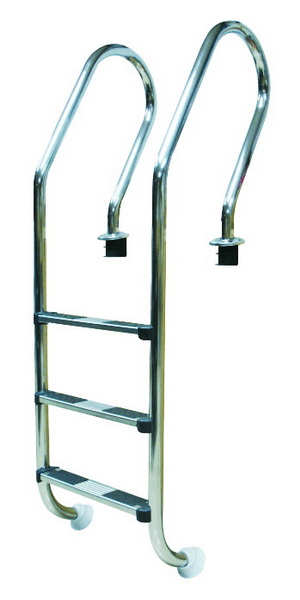
A wood Pool Ladder should reach from ground level up to at least the height of the pool wall or deck, plus a small margin so users step down, not up, when entering the water. Always measure the exact height of your pool and deck, then design the Pool Ladder so the top step and platform sit comfortably above that point.
For structural parts of a Pool Ladder, many builders use common framing lumber such as pine or fir, then protect it with exterior sealers. For areas that stay wet or are close to water, naturally durable species like cedar, cypress, or redwood are often preferred, as they resist rot better. Whatever wood you choose, combine it with outdoor‑rated coatings and hardware to extend the life of your Pool Ladder.
To improve traction on a Pool Ladder, use multiple strategies at once. Add grooves or shallow channels to the treads, attach outdoor non‑slip tape or textured strips, and choose paints or coatings designed for wet surfaces. Keep the steps and surrounding landing area clean and consider using a non‑slip Pool Ladder mat at the base where swimmers first step out.
Stability starts with a solid foundation and strong connections. Place the base of the Pool Ladder on a flat, firm surface and, when possible, anchor it to a deck, platform, or posts using bolts and brackets. Add cross braces between rails, tighten all fasteners regularly, and test the Pool Ladder for wobble before each swimming season. If it rocks or flexes under load, add more bracing or stronger hardware.
During the swimming season, give your Pool Ladder a quick visual check every week and a more detailed inspection monthly. Look for loose screws, cracks, soft spots, and slippery build‑up on treads and landing areas. Re‑tighten fasteners, clean surfaces, and repair or replace damaged parts promptly. At the end of the season, clean and re‑seal exposed wood as needed and, if possible, store removable sections of the Pool Ladder in a dry place.
1. https://www.poolfencediy.com/blogs/blog/pool-ladder-safety
2. https://www.poolkingfilter.com/how-to-make-a-wood-pool-ladder.html
3. https://100things2do.ca/diy-above-ground-pool-ladder-stairs/
4. https://www.youtube.com/watch?v=mvT1GMwOkK8
5. https://www.youtube.com/watch?v=QP9lvq23BTg
6. https://www.laddersukdirect.co.uk/latest-news/post/5-diy-ladder-safety-tips
7. https://blog.watsons.com/blog/make-above-ground-pool-ladder-stable
8. https://blog.watsons.com/blog/stabilize-above-ground-pool-ladder
9. https://specialised-diving.co.uk/hse-guidance-steps-ladders/
10. https://www.poolfencediy.com/blogs/blog/pool-ladder-safety
11. https://www.walmart.com/c/kp/pool-ladder-mats


