
Views: 222 Author: Tina Publish Time: 2026-01-14 Origin: Site


Content Menu
● What backwashing actually does
● Types of above ground pool filters
● How often to backwash an above ground pool filter
● Safety and preparation before backwashing
● Step‑by‑step: backwashing a sand filter on an above ground pool
>> Step 2: Attach and position the backwash hose
>> Step 3: Set the valve to “Backwash”
>> Step 4: Turn on the pump and run until clear
>> Step 5: Turn off the pump again
>> Step 6: Set the valve to “Rinse”
>> Step 7: Turn on the pump for 30–60 seconds
>> Step 8: Return valve to “Filter” and restart
● Step‑by‑step: backwashing an above ground DE filter
>> Preparing and backwashing a DE filter
>> Recharging DE after backwashing
● Why cartridge filters are different
● Common mistakes to avoid when backwashing
● Pro tips for clearer water and longer filter life
>> Q1: How do I know when my above ground sand filter needs backwashing?
>> Q2: Can I backwash my above ground pool filter while people are swimming?
>> Q3: How long should I backwash an above ground sand filter?
>> Q4: Do I always need to use the Rinse setting after backwashing?
>> Q5: Why is my pool still cloudy even after backwashing the filter?
>> Q6: Is it possible to backwash too often?
How to backwash a pool filter on an above ground pool is a simple but critical maintenance task that keeps the water clear and your equipment running efficiently.
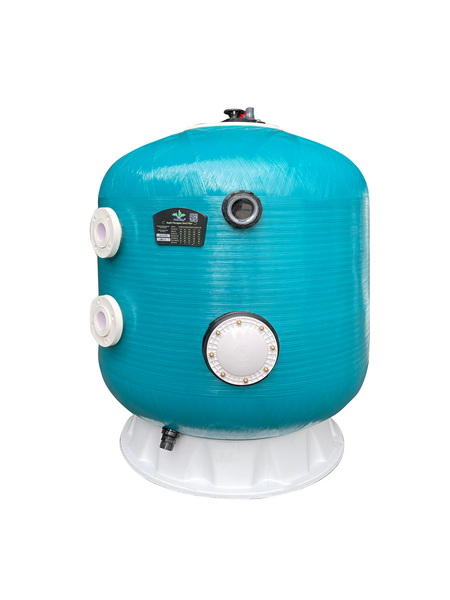
Backwashing reverses the flow of water through the filter so that trapped dirt, oils, and debris are flushed out to waste instead of back into your pool. This process restores normal flow, reduces filter pressure, and helps maintain crystal‑clear water for your above ground pool.[2][4][5][1]
- In sand filters, backwashing agitates the sand bed and releases trapped contaminants.[4][1]
- In DE filters, it removes dirty diatomaceous earth along with the dirt; fresh DE must be re‑added afterward.[6][2]
- In cartridge filters, “backwash” is usually replaced by removing and hosing off the cartridges, as most are not designed for reverse flow.[7][4]
Above ground pools most commonly use sand, cartridge, or DE filters, and each one handles backwashing differently. Understanding which filter you have ensures you follow the correct procedure and avoid damage.[2][4][7]
- Sand filter: Large round or oval tank filled with special pool filter sand, usually with a multiport valve on top or side labeled Filter / Backwash / Rinse / Waste.[8][1]
- DE filter: Tank with internal grids or “fingers,” uses DE powder as the filtering media and typically has a backwash valve plus a “bump” handle on some models.[6][2]
- Cartridge filter: Vertical canister with a removable pleated cartridge; many above ground units are cleaned by opening and rinsing rather than true backwashing.[4][7]
How often you backwash depends on filter type, bather load, and debris level, but pressure rise is the most reliable indicator. Backwashing too rarely strains the system, while doing it too often wastes water and may reduce filtration efficiency slightly.[5][7]
- Watch the pressure gauge and backwash whenever pressure rises about 8–10 PSI above the clean starting reading.[5][7]
- For sand filters, backwashing every 1–4 weeks during the season is typical, adjusted for storms, trees, and heavy use.[7][5]
- For DE filters, many owners backwash every 3–4 weeks in high use or whenever the pressure increase threshold is reached, always re‑adding DE after.[6][5]
Proper preparation protects both your equipment and swimmers, and prevents accidental flooding where the backwash water discharges.[1][6]
- Turn off the pool pump at the switch or breaker before moving any valve; never move the multiport with the pump running.[1][2]
- Make sure a backwash hose is securely connected and routed to a legal drainage area that can handle high‑flow, chlorinated water.[8][6]
- Keep kids and pets away from the equipment pad while you are working to avoid burns, shocks, or tripping hazards.[9][6]
Sand filters are the most common choice for above ground pools, and their backwash procedure is straightforward when followed in the right order.[8][1]
Shut off the pump using the timer, control panel, or breaker so no water flows while you move the valve handle.[2][1]
- Never change multiport positions with the pump running to avoid damaging the valve gasket or internal parts.[1][2]
- Confirm the pressure gauge has dropped to zero before proceeding.[8][1]
If your sand filter uses a separate backwash hose on the waste line, attach it firmly.[4][8]
- Lay the hose flat with no tight kinks and direct it away from your pool wall and neighbor's property.[6][8]
- Make sure the end of the hose is in a spot where sudden high flow will not erode soil or flood basements.[6][8]
Push down the multiport handle (if required) and rotate it to the Backwash position, then lock it into place.[1][8]
- Confirm the positions on your valve: common labels include Filter, Backwash, Rinse, Waste, Closed, and Recirculate.[2][1]
- Double‑check the handle is fully seated in the Backwash detent before restarting the pump.[11][8]
Switch the pump back on and watch the sight glass or backwash hose to monitor water clarity.[4][1]
- At first, the water will appear dark or cloudy as dirt and debris are flushed out.[4][1]
- Continue backwashing for about 2–3 minutes or until the sight glass or hose water runs clear and steady.[1][4]
Once the water is clear, shut the pump off before changing the valve position.[8][1]
- Avoid leaving the system in Backwash longer than needed, since it wastes water and can disturb the sand bed excessively.[5][7]
- Check that the pressure gauge has dropped back to zero before moving the handle.[8][1]
Move the multiport handle to Rinse while the pump remains off.[11][1]
- Rinse sends water through the filter in normal direction but to waste, helping re‑settle the sand and prevent dirty water returning to the pool.[11][2]
- Ensure the backwash hose is still properly routed, as rinse water also exits to waste.[11][8]
Turn the pump on again and run in Rinse mode for 30–60 seconds or until the water in the sight glass is fully clear.[11][1]
- This step is critical to avoid a burst of cloudy water entering the pool after backwash.[2][4]
- When done, switch the pump off once more before returning to Filter mode.[11][1]
Turn the handle back to Filter, verify it is locked in place, and then restart the pump.[1][8]
- Check for normal pressure; it should drop back close to your recorded clean starting pressure.[7][5]
- Inspect for leaks at the valve, tank, and hose connections while the system is running.[6][8]
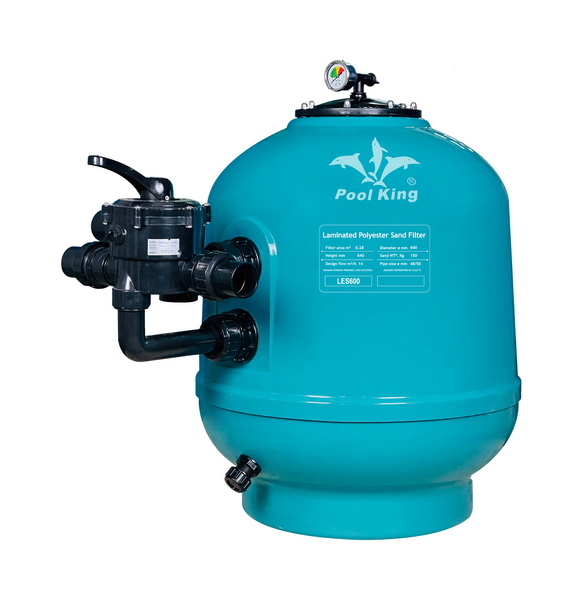
DE filters follow a similar sequence but require a few extra steps, including bumping the grids and adding new DE powder afterward.[2][6]
Before you begin, gather DE powder, a measuring scoop, and a backwash hose if needed.[2][6]
- Turn off the pump and attach the backwash hose to the waste port.[6][2]
- On bump‑style DE filters, operate the bump handle several times to knock DE and dirt off the grids before reversing the flow.[6]
Set the valve to Backwash, then restart the pump to flush dirty DE and water out to waste.[2][6]
- Watch the discharge water and continue until it runs clear, which usually takes a few minutes.[6]
- Shut the pump off again before moving the valve back toward Filter or Rinse, depending on your model.[2][6]
Backwashing removes the used DE coating from the grids, so fresh DE must be added for the filter to work correctly.[2][6]
- With the system back on Filter and running, slowly add the recommended amount of DE powder into the skimmer so it can coat the internal grids.[6]
- After recharging, confirm normal pressure and check for leaks or air entering the system.[5][6]
Most cartridge filters on above ground pools are not designed for true backwashing and instead require manual cleaning.[7][4]
- To clean, you typically turn off the pump, open the tank, remove the cartridge, and hose off debris from top to bottom until the pleats are clear.[7][4]
- Some larger systems incorporate special valves to reverse flow, but many manufacturers recommend sticking with the standard remove‑and‑rinse approach to protect the cartridge media.[4][7]
Small mistakes can lead to damage, cloudy water, or wasted chemicals, especially on compact above ground systems.[9][2]
- Forgetting to empty skimmer and pump baskets before backwashing can send trapped debris straight into the filter grids on DE systems.[9]
- Changing valve positions with the pump running can tear the valve spider gasket and cause water to leak between ports.[1][2]
- Skipping the Rinse step after backwashing a sand filter often leads to cloudy water returning to the pool.[4][2]
A few discipline habits will make your above ground filter work more reliably through the season.[5][7]
- Record your clean starting pressure after each full service so you know exactly when a 8–10 PSI rise occurs.[5][7]
- Coordinate backwashing with vacuuming to waste after storms or algae treatment to remove as much debris as possible from the system.[5][2]
- Keep the water balanced (pH, alkalinity, sanitizer) to reduce oil and scale buildup inside the filter media.[7][5]
Backwashing an above ground pool filter is an essential part of routine maintenance that keeps water clear, protects your pump, and extends the life of your filtration system. By understanding your filter type, watching your pressure gauge, and following the correct sequence of shutdown, backwash, rinse, and restart, you can maintain professional‑level water clarity with minimal effort all season long.[7][5][1][2]
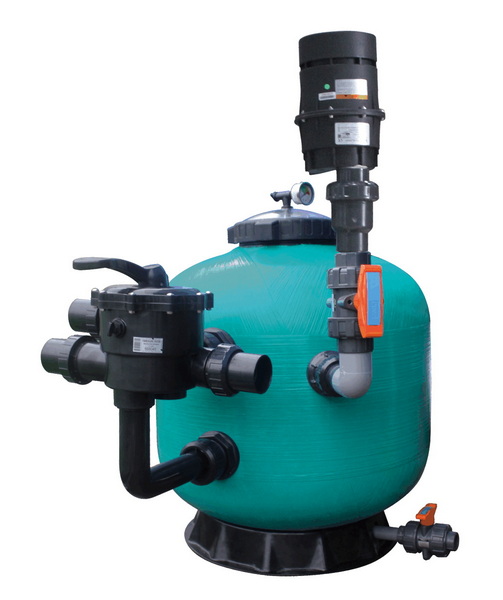
A: The best indicator is your pressure gauge; backwash when the pressure is around 8–10 PSI higher than the clean starting reading or after heavy debris events like storms.[5][7]
A: No, swimmers should be out of the pool, because changing flow and sending water to waste can affect circulation and may expose bathers to sudden suction or chemical‑imbalanced water.[2][6]
A: Typically 2–3 minutes or until the water in the sight glass or backwash hose turns completely clear, followed by a 30–60 second rinse cycle.[4][1]
A: Yes, for multiport sand and many DE filters, Rinse re‑settles the media and prevents a burst of cloudy water from returning to the pool when you go back to Filter.[11][2]
A: Cloudiness can result from inadequate backwashing, skipping the rinse step, poor water balance, undersized equipment, or an internal problem like channeled sand or damaged DE grids or cartridges.[7][2]
A: Yes, unnecessary backwashing wastes water and can slightly reduce sand efficiency, so rely on pressure rise and water conditions rather than a rigid daily schedule.[5][7]
[1](https://pinchapenny.com/pool-life/backwash-pool-sand-filter)
[2](https://blog.royalswimmingpools.com/how-to-backwash-pool-filter-guide)
[3](https://www.youtube.com/watch?v=UCZinAHTXjQ)
[4](https://blog.watsons.com/blog/how-to-clean-above-ground-pool-filters)
[5](https://www.sospool.com/a/blog/how-often-should-you-backwash-pool-filter-systems)
[6](https://bigbecks.com/how-to-backwash-an-above-ground-de-diatomaceous-earth-filter-a-step-by-step-guide/)
[7](https://beatbot.com/blogs/pool-care-solutions/pool-filter-maintenance-cleaning-techniques-and-backwashing-frequency)
[8](https://www.doheny.com/help/how-to-backwash-a-sand-filter)
[9](https://www.poolstoponline.com/pool-school/common-mistakes-backwashing-de-filters)
[10](https://www.youtube.com/watch?v=DZDflsibD7o)
[11](https://www.facebook.com/groups/637529959937311/posts/2624307947926159/)
[12](https://www.youtube.com/watch?v=U76k7E_koU4)
[13](https://www.youtube.com/watch?v=xQE4CPkBJPo)
[14](https://www.facebook.com/groups/637529959937311/posts/2287307108292913/)
[15](https://www.reddit.com/r/pools/comments/ty71dn/how_often_backwash_sand_filter/)


