


Content Menu
● What is DE in a pool filter?
● DE filter vs sand filter basics
● Safety precautions before adding DE
● How much DE to add to a pool filter?
● Step‑by‑step: how to add DE to a DE pool filter
>> 1. Turn off and secure the system
>> 2. Prime the system and close the air relief
>> 4. Add DE through the skimmer
>> 5. Check for DE returning to the pool
>> 6. Stabilize pressure and record readings
● How to add DE to a sand filter (for extra clarity)
● Ongoing DE filter maintenance tips
● FAQs about how to add DE to pool filter
>> 1. How often should I add DE to my pool filter?
>> 2. Can I run my DE filter without DE powder?
>> 3. Is it safe to add DE to a sand filter?
>> 4. What protective gear do I need when handling DE?
>> 5. How do I know if I added too much DE?
>> 6. What should I do if DE blows back into the pool?
“How to add DE to pool filter” is a key maintenance skill that keeps pool water crystal clear and maximizes the life of your DE or sand filter. This guide explains what DE is, why it matters, and gives safe, step‑by‑step instructions you can follow confidently.[1][2][3][4]
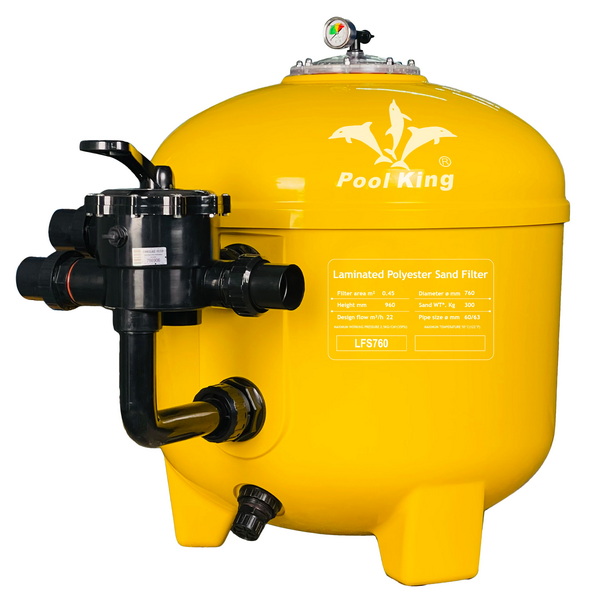
Diatomaceous earth (DE) is a fine, porous white powder made from fossilized algae that coats your filter grids and traps microscopic dirt and debris. In a DE filter, water passes through grids covered with DE, capturing particles as small as 1–6 microns for very clear water.[2][4]
Unlike sand, which stays in the tank, DE is flushed out every time you backwash and must be replaced afterward. That means adding the correct amount of DE powder is part of every DE filter service routine.[5][1][2]
Sand filters typically trap particles in the 20–40 micron range, while DE filters capture much finer particles around 1–6 microns. This is why pools with DE filtration often look noticeably more sparkling than those using sand alone.[3][4]
However, DE filters require more attention: backwashing produces DE‑laden wastewater and you must replenish DE powder after each cleaning. Sand filters are simpler but less precise, although some owners add a small amount of DE to a sand filter to boost performance temporarily.[6][4][5]
DE powder is effective but must be handled with care because its dust can irritate skin and lungs. Always wear protective gear such as a dust mask or N95, gloves, and long sleeves when working with DE.[7][8]
Avoid dry sweeping DE spills; instead, lightly wet the powder and collect it or use a vacuum approved for fine dust. Follow local regulations for disposal of spent DE, especially after backwashing, to avoid environmental issues.[9][10][7]
Before you start adding DE to your pool filter, prepare the following items:
- DE powder rated for pool filters.[2]
- A measuring scoop or cup sized for your filter's recommended DE weight.[11]
- Protective equipment: mask, gloves, goggles, and long‑sleeved clothing.[8][7]
- A small bucket and pool water if you prefer to pre‑mix DE into a slurry.[12]
- Access to the skimmer closest to the pump and filter.[1][2]
Each DE filter model has a specific DE requirement, usually expressed in pounds or kilograms of powder. A common rule is that a full reload of DE equals the manufacturer's specified weight for a clean filter; after a light backwash you may add a slightly reduced dose, depending on instructions.[13][11][5]
An alternative practical method is to watch the pressure gauge and stop adding DE when the pressure reaches the normal operating range, commonly around 10–13 psi for many residential systems. Adding too little DE reduces filtration efficiency, while too much can clog the filter and strain the pump.[14][5]
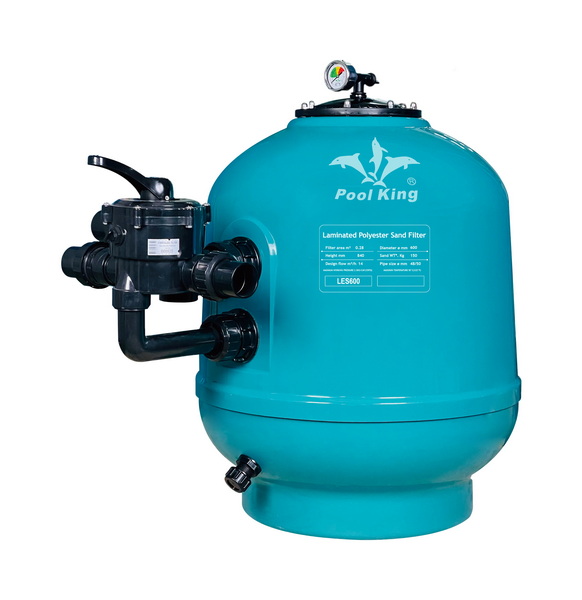
This procedure applies to a standard DE filter after backwashing or on first startup.[1][2]
Turn off the pool pump and, for maximum safety, switch off power at the circuit breaker. Set the multiport valve or push‑pull valve firmly to the FILTER position before restarting later.[15][14][13]
Open the air relief valve on top of the filter tank to release any built‑up pressure before working around the system. Never loosen clamps or open a filter tank without relieving pressure first.[14][15]
Once the valve is set to FILTER, turn the pump back on and allow it to reach full prime so water is flowing steadily through the system. When a strong, steady stream of water comes out of the air relief, close the relief valve.[14]
Running the filter on FILTER with good flow ensures that DE added through the skimmer will coat the grids evenly instead of clumping. Confirm there are no leaks or abnormal noises before moving on.[15][2]
Put on your mask, gloves, and other protective gear before handling DE. If you prefer, fill a bucket with pool water and pre‑mix one to two pounds of DE into a slurry to minimize airborne dust.[7][12][8]
Measure the required amount of DE using a suitable scoop or measuring cup, following your filter manufacturer's recommendations. Keep the container of DE closed between scoops to limit dust.[8][11][2]
Remove the cover of the skimmer that is closest to the pump and filter equipment. Wait until the skimmer creates a strong vortex, indicating good suction and flow.[2][14][1]
Slowly pour the DE powder or slurry into the skimmer a little at a time, allowing each scoop to be drawn into the system before adding more. Pouring too fast can cause clumping, uneven coating, or DE returning to the pool through the returns.[13][14][1][2]
After adding a small “test” portion of DE, walk to the pool returns and check if any white powder is blowing back into the water. If DE appears in the pool, there may be torn grids, damaged manifolds, or internal leaks that must be repaired before adding the full amount.[16][2]
If no DE returns to the pool after a minute or so, you can continue adding the remainder of the required dose. This simple test helps you avoid dumping a full load of DE into the pool by mistake.[16]
Once all DE has been added, let the system run for several minutes and watch the pressure gauge. When the pressure stabilizes in the normal range established for a clean, freshly coated filter, record this value as your baseline “clean” pressure.[15][14]
Future backwashing decisions are usually made when pressure rises 8–10 psi above this baseline, indicating that the DE layer is loaded with debris. At that time you will backwash, dispose of DE‑laden wastewater correctly, and repeat the DE‑adding process.[4][9][13][15]
Some owners choose to boost a sand filter's performance by adding a very small amount of DE after backwashing. This method can improve fine‑particle capture temporarily but should be done cautiously, as excessive DE can clog a sand filter and may affect the warranty.[6][4]
The usual approach is to backwash and rinse the sand filter, set the valve to FILTER, then slowly add small portions of DE through the skimmer while monitoring the pressure gauge. Stop as soon as pressure rises 1 psi above the clean baseline, which usually requires only a fraction of a standard DE load.[4]
Keeping your DE filter in top shape extends its life and protects your pump and heater. In addition to regular backwashing and recharging with DE, you should periodically open the tank, inspect and clean grids, and replace worn components per the manufacturer's schedule.[17][9][15]
Always follow official installation and maintenance instructions and respect local regulations for wastewater disposal after backwashing DE. Using high‑quality filters, pumps, and valves from a reliable OEM supplier helps ensure safe pressures and stable performance.[9][17][15]
Knowing how to add DE to a pool filter correctly is essential if you want consistently clear, healthy water and long equipment life. By measuring the right amount of DE, adding it slowly through the skimmer, and watching pressure and return jets, you protect your filter grids and avoid messy problems in the pool.[16][4][14][2]
Whether you run a traditional DE system or lightly enhance a sand filter with DE, always wear proper safety gear, follow manufacturer instructions, and dispose of DE‑containing wastewater responsibly. Combining good technique with high‑quality filters, pumps, LED pool lights, and accessories from a trusted OEM factory gives your customers a professional‑grade pool experience season after season.[17][7][9]
You should add DE every time you backwash a DE filter because backwashing removes most of the powder from the grids. Some owners also top up DE after partial cleanings if the manufacturer specifies a reduced reload dose.[5][13][2]
Running a DE filter without DE means water flows through bare grids, which will not capture fine particles and can damage the fabric over time. The result is cloudy water and increased wear on the filter and pump, so the system should always be charged with the proper DE load.[4][2]
It is possible to add a very small amount of DE to a sand filter to improve fine‑particle capture, but this must be done carefully and may void the filter warranty. Always start with a minimal dose, watch for a 1 psi rise in pressure, and stop immediately to avoid clogging.[4]
Wear a dust mask or N95, chemical‑resistant gloves, goggles, and long sleeves to reduce skin and respiratory exposure to DE dust. If DE contacts your skin or eyes, rinse with water for at least 15 minutes and seek medical advice if irritation persists.[7][8]
If your filter pressure quickly rises well above the normal clean operating range after adding DE, or flow from the returns becomes weak, you may have overdosed the filter. In that case, shut down the system, backwash thoroughly, and reload with the correct amount of DE following your filter's instructions.[13][14][4]
DE returning through the returns usually indicates torn grids, a damaged manifold, or internal leaks inside the filter. Stop the pump, inspect and repair or replace faulty components, then reassemble, backwash if needed, and carefully re‑add DE starting with a small test amount.[16][2]
[1](https://www.poolsupplyunlimited.com/how-to-add-de-powder-to-your-pool/blog/57)
[2](https://www.inyopools.com/HowToPage/how-to-add-de-filter-powder.aspx?CommentPage=1)
[3](https://splashfiberglasspoolcompany.com/sand-filter-vs-de-filter-which-is-right-for-you/)
[4](https://www.swimuniversity.com/de-filter/)
[5](https://bradyshottubsottawa.com/blog/sand-cartridge-or-de-which-pool-filter-is-best/)
[6](https://www.arka-irrigation.com/Sand-Filter-vs-Diatomaceous-Earth-Filter-Which-Pool-Filter-Is-Better-for-You-in-2025-id46519896.html)
[7](https://www.thefibreglasspoolcompany.com.au/a-guide-to-diatomaceous-earth-de-filters/)
[8](https://beatbot.com/blogs/pool-cleaning-kits/a-clear-choice-for-pristine-water-what-is-a-de-pool-filter-and-is-it-necessary)
[9](https://www.1stopfilter.com/blogs/academy/ensuring-safety-the-use-and-maintenance-of-de-pool-filters)
[10](https://images.thdstatic.com/catalog/pdfImages/a0/a0da065d-374c-43cc-aaa6-325ee36b0476.pdf)
[11](https://www.poolking.co/bg/a-news-how-to-add-d-e-to-pool-filter.html)
[12](https://www.reddit.com/r/pools/comments/ux1v3b/any_tipstricks_for_a_de_filter_new_pool_owner/)
[13](https://www.poolkingfilter.com/news/How-To-Add-DE-Powder-After-Backwashing.html)
[14](https://www.youtube.com/watch?v=13wvLJC8wZA)
[15](https://envirowaste.com.au/mastering-pool-filter-maintenance/)
[16](https://www.youtube.com/watch?v=IYJG0AOJYko)
[17](https://waterco.com.sg/news-events/blog/2024/pool-filters-essential-things)
[18](https://www.youtube.com/watch?v=lz97RnlATi0)
[19](https://www.reddit.com/r/pools/comments/wymsml/some_advice_for_anyone_debating_between_a_sand/)
[20](https://www.pentair.com/en-us/pool-spa/education-support/homeowner-support/pool-filter-product-safety-help-center/quad-de-product-support.html)


