
Views: 222 Author: Tina Publish Time: 2025-12-07 Origin: Site


Content Menu
● Understanding pool filter change frequency
● Cartridge filters: cleaning intervals and replacement timing
>> Signs your cartridge needs replacement
>> Step-by-step: how to clean a cartridge filter
● Sand filters: backwashing, deep cleaning, and sand replacement
>> When to change sand media early
>> Step-by-step: how to backwash a sand filter
● DE filters: backwash frequency, teardown cleaning, and grid replacement
>> Step-by-step: how to maintain a DE filter
● The role of pressure gauges and flow
● Environmental and usage factors
● Seasonal maintenance planning
● OEM, commercial, and high-load pools
● Best practices to extend filter life
● Recommended triggers and intervals summary
● FAQ
>> 1) How often should I change my pool filter media?
>> 2) Is time or pressure more important for deciding when to clean?
>> 3) Do cartridge filters need to be backwashed?
>> 4) How often should I backwash a sand filter?
>> 5) How often should a DE filter be fully torn down?
>> 6) Why does my filter clog so quickly in summer?
>> 7) What can I do to make my pool filter last longer?
How often to change a pool filter depends on the filter type (cartridge, sand, or DE), pressure-gauge readings, bather load, and environmental conditions. Cartridge elements are usually replaced every 1–3 years, sand media every 3–7 years, and DE grids about every 4–5 years, with cleaning or backwashing carried out much more frequently based on a 8–10 psi rise over clean pressure.[1][11][12][13][14]
Well-timed filter maintenance maintains crystal-clear water, protects pumps and heaters from high back pressure, and helps reduce chlorine and chemical consumption. When media is clogged or exhausted, water flow drops, the pressure gauge climbs, and contaminants and algae can build up despite “perfect” water chemistry.[5][7][15]
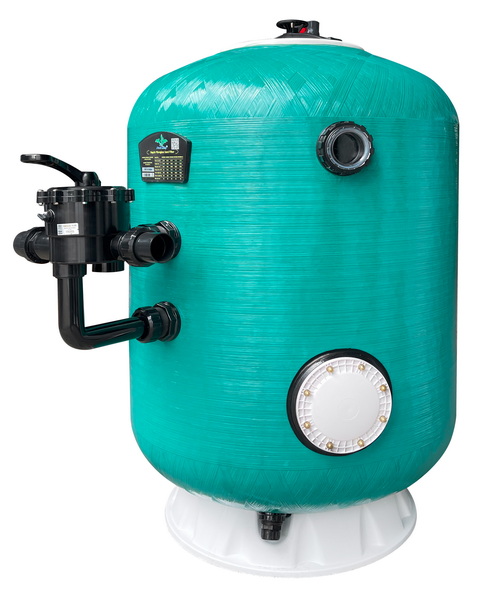
Pool filters capture suspended debris and fine particles as water flows from the skimmer and main drain, through the pump, across the filter media, and back to the pool through the return lines. Different media types (pleated polyester for cartridges, graded silica or glass for sand, and DE powder on grids for DE filters) trap particles at different micron levels and need different maintenance routines.[8][10][14]
A pressure gauge and flow rate together indicate how hard the system is working—when pressure rises 8–10 psi above the clean baseline and flow visibly drops, the media is loaded and needs cleaning, backwashing, or replacement. Ignoring these signs overworks the pump, can cause equipment leaks, and shortens the lifespan of all components.[7][15][16]
Cartridge filters use pleated polyester or similar fabric to offer large surface area in a compact tank, making them popular for residential pools that prefer fine filtration with no backwashing. In normal residential use, cartridges are typically cleaned every 2–6 weeks in season and replaced about every 1–2 years, though oversizing and light bather load can extend life up to around 3 years.[11][17][1][5]
A practical rule is to note the “clean” starting pressure right after installing new cartridges or performing a deep clean. When the gauge climbs about 8–10 psi over that baseline, remove the elements and hose them off thoroughly between the pleats, occasionally soaking them in a filter cleaner or mild acid solution to remove oils and scale.[7][8][11]
- Persistent high pressure after cleaning or very short intervals between cleanings.[5][7]
- Frayed fabric, broken bands, collapsed pleats, or cracked end caps.[2][7]
- Water clarity does not improve even after proper chemical balance and careful cleaning.[4][7]
Many manufacturers and service companies suggest planning for new cartridge sets after roughly 1–2 seasons of typical use, especially in warm climates where the pump runs long hours. Recording operating hours (targeting around 2,000 hours of service per cartridge band) can help commercial and OEM buyers plan preventive replacements.[17][5]
- Turn off the pump, close valves if needed, and relieve pressure at the air bleed valve.[8][7]
- Open the filter, remove cartridges carefully, and inspect for damage or heavy scaling.[6][7]
- Rinse each element with a garden hose, working from top to bottom and between every pleat until debris is gone.[7][8]
- For stubborn oils or scale, soak in an appropriate filter cleaner or diluted acid according to product directions, then rinse again.[6][5]
- Allow cartridges to drain and, ideally, dry before reinstalling; reassemble the tank and record the new clean pressure.[5][7]
Sand filters use a bed of graded silica or glass media to strain out particles as water moves from top to bottom and returns via laterals. They are robust and relatively low-maintenance, which makes them popular in both residential and commercial pools. Under typical residential conditions, sand filters are backwashed every 1–2 weeks during the swim season or when pressure rises 8–10 psi, and the media is generally replaced every 3–7 years.[12][15][18][5][7]
Backwashing reverses the water flow, flushing trapped debris out of the filter to waste until the backwash water runs clear. After backwashing, a short “rinse” cycle helps resettle the sand bed and prevent fine particles from returning to the pool.[19][8]
Sand grains slowly round off and become less effective over time, and fats and oils can cause clumping and channeling that reduces filtration quality. Common warning signs include cloudiness after otherwise adequate treatment, very short clear-water cycles after backwash, visible channels or clumps in the sand bed, or multiple years of heavy service.[4][12][19]
Many service guides recommend proactively replacing sand after about 5 years for best performance, though light-use pools might push closer to 7 years and heavy commercial pools might replace sand sooner, around 3–4 years. Glass media can last longer, sometimes 7–15 years, but still requires periodic deep cleaning and inspection.[14][12][7]
- Switch off the pump and move the multiport valve from “filter” to “backwash.”[19][8]
- Turn the pump on and run until the sight glass or discharge water is clear, usually 2–3 minutes.[15][19]
- Turn the pump off, set the valve to “rinse,” and run for about 30–60 seconds to resettle the bed.[8][19]
- Turn the pump off again, return the valve to “filter,” then restart and check the pressure gauge to confirm it is near the normal clean reading.[15][19]
For severe fouling, a chemical sand cleaner may be circulated through the filter to dissolve oils and scale; if cycles stay very short even after deep cleaning, replacing the media and inspecting laterals is usually the best solution.[19][5][7]
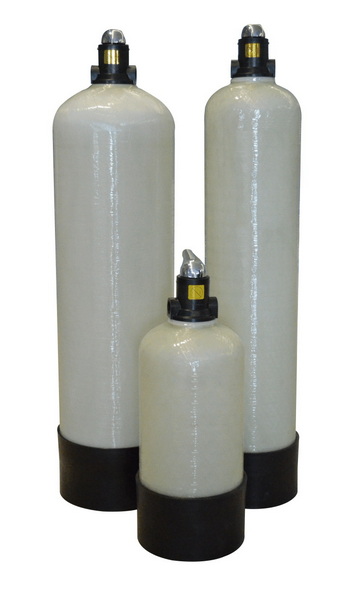
DE (diatomaceous earth) filters coat a grid assembly with fine DE powder, providing very high filtration efficiency that can capture very small particles. Owners typically backwash DE filters monthly or whenever pressure is 8–10 psi over normal and then recharge with fresh DE powder, while performing a complete teardown and grid cleaning at least once a year.[20][21][1][5][7]
Grids are usually replaced about every 4–5 years, but high pressure, chemical imbalance, or neglect can shorten this timeline. Damage such as pinholes, separated stitching, cracked manifolds, and DE returning to the pool through returns are clear indicators it is time to replace individual grids or the entire set.[3][13][22]
- Backwash until the sight glass is clear or waste water looks clean, and then return the valve to “filter.”[3][20]
- Turn off the pump, open the air relief, drain the tank, and remove the clamp or bolts to access the grid assembly.[21][3]
- Rinse each grid thoroughly to remove DE and debris, using a spray nozzle; soak in cleaner if heavily fouled.[3][6]
- Inspect all grids and the manifold for cracks or tears and replace any damaged pieces before reassembly.[13][3]
- Reassemble, close the tank, restart the system, and add the correct measured amount of DE powder through the skimmer to coat the clean grids.[20][3][7]
The pressure gauge is one of the most important tools for deciding when to clean or change a pool filter. After a thorough cleaning or new media installation, owners should record the clean starting pressure and then monitor increases over time; cleaning or backwashing is recommended when pressure rises 8–10 psi above this baseline.[16][1][15][7]
In addition to pressure, visible flow and return jet strength are practical cues. A dramatic drop in return jet strength, weak surface movement, or difficulty with suction cleaners can signal a dirty filter, clogged baskets, or issues such as air leaks and pump problems that should be checked along with filter media condition.[5][7][8]
How often to change or clean a pool filter is closely tied to pool use and environment. Pools in hot climates with long seasons, frequent swimmers, kids, and pool parties accumulate sunscreen, oils, hair, and debris at a much higher rate, which requires more frequent cartridge cleaning, sand backwashing, or DE cycling.[1][4][5]
Environmental load also matters: nearby trees, dust, construction, and wind can dramatically shorten maintenance intervals. After storms, wildfire smoke events, or heavy pollen seasons, it is normal to see faster pressure increases and to need more frequent cleaning or backwashing even if no one is swimming.[9][4][15]
A structured seasonal plan helps pool owners and service companies stay ahead of filter problems instead of reacting to cloudy water or algae. Many maintenance checklists suggest weekly inspection of pressure and baskets, monthly cleaning or backwashing as needed, and deep cleaning or disassembly once or twice per year.[9][1][7]
During winter or off-season, filters may run fewer hours, but proper winterization is still essential to avoid freeze damage and internal corrosion. Draining water from the filter, relieving pressure, cleaning the media, and isolating equipment according to climate and manufacturer guidelines keeps the system ready for a smooth spring start-up.[7][8]
Commercial, hotel, resort, and water-park pools have high swimmer loads and long daily run times, which shorten cleaning cycles and often require oversized filtration and more robust media. These installations may backwash sand filters as often as several times per week and schedule cartridge or DE grid cleaning on a tight calendar to maintain regulatory clarity standards.[16][5][7]
As a Chinese factory using smart machinery to produce sand, DE, and cartridge filters, pumps, LED lights, and accessories for overseas brands and wholesalers, it is possible to design filtration systems that match local regulations and preferred maintenance intervals. For example, specifying larger surface-area cartridges, bigger sand tanks, or heavy-duty DE manifolds reduces pressure rise per day and helps end users stretch cleaning intervals while still protecting pumps and heaters and keeping water inviting and clear.
- Keep water chemistry balanced: Correct pH, alkalinity, and sanitizer levels prevent scale, oils, and algae from overloading filters.[2][7]
- Pre-filter large debris: Skimmers, leaf nets, and pool covers reduce leaves, insects, and dirt, easing the burden on filter media.[4][7]
- Use proper cleaners: Avoid harsh household chemicals or high-pressure washers that can damage pleats, grids, or filter tanks; always use products designed for pool equipment.[6][8][5]
- Monitor leaks and O-rings: Worn tank clamps, O-rings, and valves can cause air ingress and pressure issues; replacing them prolongs filter and pump life.[8][7]
- Cartridge filters:
- Clean every 2–6 weeks during the season, when pressure is 8–10 psi above clean.[11][1][5]
- Deep clean with cleaner or mild acid every few months as needed.[10][5]
- Replace elements about every 1–2 years under normal use, up to ~3 years with light load and oversized systems.[14][17][7]
- Sand filters:
- Backwash every 1–2 weeks in the season or when pressure rises 8–10 psi above baseline.[18][15][5]
- Deep clean sand with chemical cleaner if cycles shorten.[19][5]
- Replace sand media roughly every 3–7 years, with many recommendations around 5 years for optimum clarity.[12][7]
- DE filters:
- Backwash about monthly and when pressure increases 8–10 psi, then recharge with fresh DE powder.[21][1][20][7]
- Perform a full teardown and grid cleaning at least once a year.[13][3][6]
- Replace DE grids around every 4–5 years or earlier if damage or DE blowback occurs.[22][13][3]
The right time to change or clean a pool filter depends primarily on its type and how hard it is working, but the most reliable rule is to act when the pressure gauge rises 8–10 psi above the clean starting value. Cartridge elements typically need cleaning every few weeks and replacement roughly every 1–2 years, sand filters are backwashed weekly to biweekly with media changes around every 3–7 years, and DE filters benefit from monthly backwashing, annual teardown cleaning, and grid replacement around every 4–5 years. Following these intervals, combined with good water chemistry and appropriate filter sizing, keeps water clear, protects pumps and heaters, reduces energy and chemical costs, and offers end users a more enjoyable swimming experience.[11][12][15][13][1][7][5]
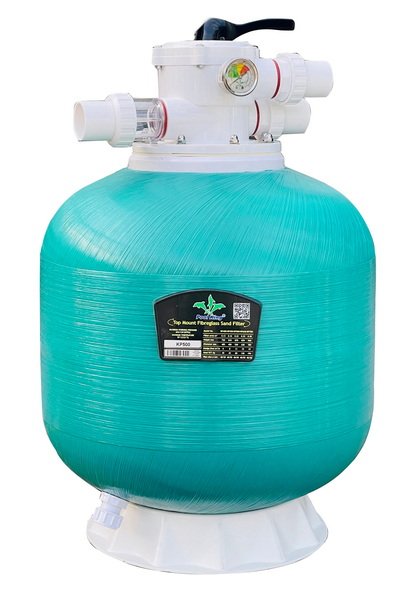
Cartridge filter elements usually need replacement every 1–2 years, sand media every 3–7 years, and DE grids about every 4–5 years, depending on bather load, environment, and how well the system is maintained.[17][12][13][14]
Both matter, but pressure is the more precise indicator day-to-day; clean or backwash when the pressure gauge reads about 8–10 psi above the clean starting pressure while still following general time-based guidelines as a planning tool.[1][15][16][7]
No. Cartridge filters are not backwashed; instead, the cartridges are removed, rinsed with a hose, and occasionally soaked in a dedicated filter cleaner or diluted acid for deep cleaning. Sand and DE filters are the ones that use backwashing to flush debris out.[5][7][8]
Many pools backwash sand filters every 1–2 weeks in the swim season or whenever pressure rises 8–10 psi above normal, with off-season intervals extending to every few weeks if the system is still running.[18][15][7][5]
In addition to monthly backwashing and DE recharging, DE filters should generally be disassembled and fully cleaned at least once per year, with grids rinsed or soaked and inspected for damage before reassembly.[13][21][3][6]
High bather load, sunscreen, cosmetics, pollen, dust, and warm water all increase debris and organic load, which means pressure rises faster and filters clog sooner in summer than in cooler, low-use periods.[1][4][5]
Maintain balanced water, clean or backwash on schedule, prevent big debris with skimmers and covers, use suitable cleaning chemicals, and consider oversized filters or higher-quality media to reduce stress and extend the life of cartridges, sand, and DE grids.[10][2][4][7]
[1](https://pool.dreametech.com/blogs/blog/how-often-to-clean-pool-filter-complete-guide)
[2](https://poolife.com/2024/01/09/guide-to-cleaning-a-pool-filter/)
[3](https://www.lathampool.com/resources/pool-maintenance-hub/how-to-clean-your-pool-filter/)
[4](https://www.prettypoolsdfw.com/blog/understanding-pool-filter-maintenance/)
[5](https://myeverclearpool.com/pool-care/guide-to-pool-filter-maintenance/)
[6](https://poollogicsd.com/resources/a-complete-guide-to-pool-filter-cleaning-in-san-diego/)
[7](https://speckusa.com/pool-maintenance-pool-filter/)
[8](https://intheswim.com/blog/pool-equipment-maintenance-guide.html)
[9](https://www.doforms.com/blog/pool-maintenance-checklist/)
[10](https://halogensupply.com/blog/guide-selecting-best-pool-filter/)
[11](https://poolscouts.com/when-to-clean-your-pool-filter-cartridge-vs-when-to-replace-it/)
[12](https://www.1stdirectpools.com/blog/post/how-often-should-you-replace-swimming-pool-filter)
[13](https://professionalpoolcareorlando.com/de-filter-grids/)
[14](https://www.1stopfilter.com/blogs/academy/unlocking-pool-perfection-the-lifespan-and-unique-traits-of-cartridge-sand-and-de-filters)
[15](https://www.eco-outdoor.com/en-us/outdoor-design/when-to-backwash-your-pool)
[16](https://atomicfilters.com/blogs/news/how-often-should-you-backwash-a-pool-filter)
[17](https://www.flleisure.com/how-often-do-i-need-to-replace-the-cartridge-filter-element-on-my-pool)
[18](https://www.youtube.com/watch?v=U76k7E_koU4)
[19](https://mrpoolman.com.au/blogs/news/how-to-backwash-a-pool-sand-filter)
[20](https://foxpoolsva.com/2023/03/16/backwashing-a-filter-how-often-to-backwash-a-pool-filter/)
[21](https://www.youtube.com/watch?v=M9jmD7Jsv04)
[22](https://intheswim.com/blog/replace-your-de-filter-grids-in-6-easy-steps.html)


