
Views: 222 Author: Tina Publish Time: 2025-11-16 Origin: Site


Content Menu
● How Much Energy Does a Pool Pump Use?
>> Energy Consumption by Pool Size
● Factors Affecting Pool Pump Energy Consumption
>> Run Time
● Tips for Reducing Pool Pump Energy Consumption
>> Use a Timer
>> Upgrade to Energy-Efficient Equipment
>> 1. How much electricity does a standard pool pump use?
>> 2. How much energy does a variable speed pool pump use?
>> 3. How can I reduce my pool pump's energy consumption?
>> 4. Does pool size affect pump energy usage?
>> 5. What is the most energy-efficient pool pump type?
A pool pump is one of the most significant energy consumers in homes with swimming pools, often accounting for a large portion of the monthly electricity bill. Understanding how much energy a pool pump uses is crucial for homeowners and pool operators aiming to reduce costs and improve efficiency. This article explores the energy consumption of different types of pool pumps, factors affecting their usage, and practical tips for optimizing energy efficiency.[5]
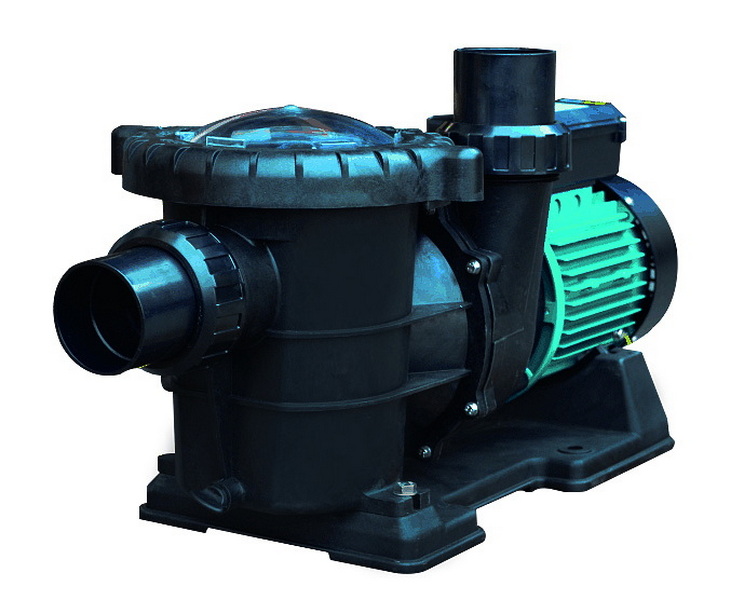
Pool pumps are essential for circulating water, filtering debris, and maintaining water quality. The energy consumption of a pool pump depends on several factors, including pump type, horsepower, run time, and efficiency.[3][5]
Standard pool pumps, also known as single-speed pumps, typically use between 1,500 and 2,500 watts of energy. For example, a 2,000-watt (approximately 2.5 horsepower) pump running for 8 hours a day will consume about 480 kWh per month. This level of energy use can significantly impact electricity bills, especially for larger pools or those with extended run times.[3]
Variable speed pool pumps are designed to operate at different speeds, allowing for more efficient water circulation. These pumps generally use around 300 watts, resulting in only about 72 kWh per month when running for 8 hours a day. The energy savings from switching to a variable speed pump can be substantial, often reducing electricity costs by up to 70% compared to standard pumps.[3]
- Small pools: Typically use 8,000 kWh per year.[5]
- Large pools: Can consume up to 15,000 kWh per year.[5]
The actual energy usage will vary based on the pump's horsepower, efficiency, and how long it runs each day.
Several factors influence how much energy a pool pump uses:
Higher horsepower pumps consume more energy. For example, a 3-horsepower pump will use more electricity than a 1-horsepower pump.[5]
The longer a pump runs, the more energy it consumes. Most pool pumps operate for 8 to 12 hours daily, but this can be adjusted based on pool size and water quality needs.[3]
Energy-efficient pumps, such as variable speed models, use less electricity than standard pumps. Upgrading to a more efficient pump can lead to significant energy savings.[3]
Larger pools require more powerful pumps and longer run times, increasing energy consumption.[5]
The type of filtration system (sand, DE, cartridge) can also affect energy usage. Sand filters are generally less energy-intensive than DE or cartridge filters.[5]
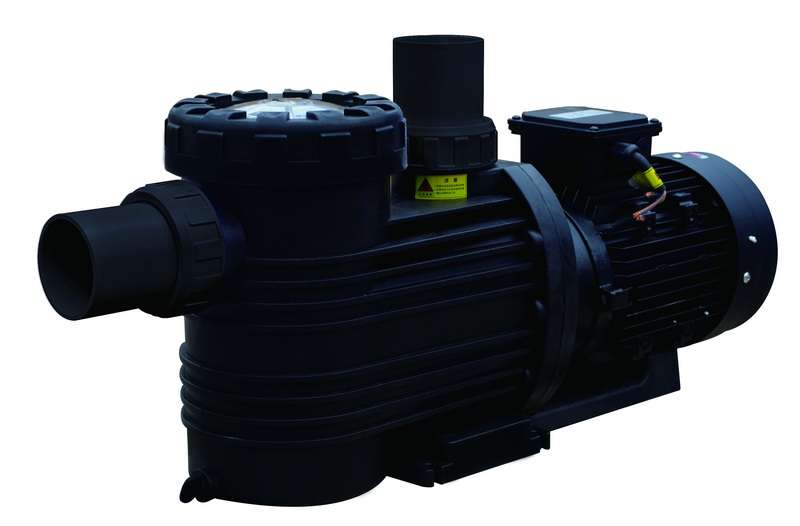
Reducing energy consumption not only lowers electricity bills but also benefits the environment. Here are some practical tips:
Switching to a variable speed pump can dramatically reduce energy usage and costs.[3]
Adjust the pump's run time based on pool usage and water quality. Running the pump only when necessary can save energy.[3]
Clean and maintain the pump and filtration system regularly to ensure optimal efficiency.[5]
Install a timer to control the pump's operation, ensuring it runs only during required hours.[3]
Consider upgrading to energy-efficient pumps and filtration systems for long-term savings.[3]
Understanding how much energy a pool pump uses is essential for managing electricity costs and improving efficiency. Standard pool pumps typically consume between 1,500 and 2,500 watts, while variable speed pumps use around 300 watts, offering significant energy savings. Factors such as pump horsepower, run time, efficiency, pool size, and filtration system all affect energy consumption. By optimizing pump operation and upgrading to energy-efficient equipment, pool owners can reduce energy usage and lower their electricity bills.
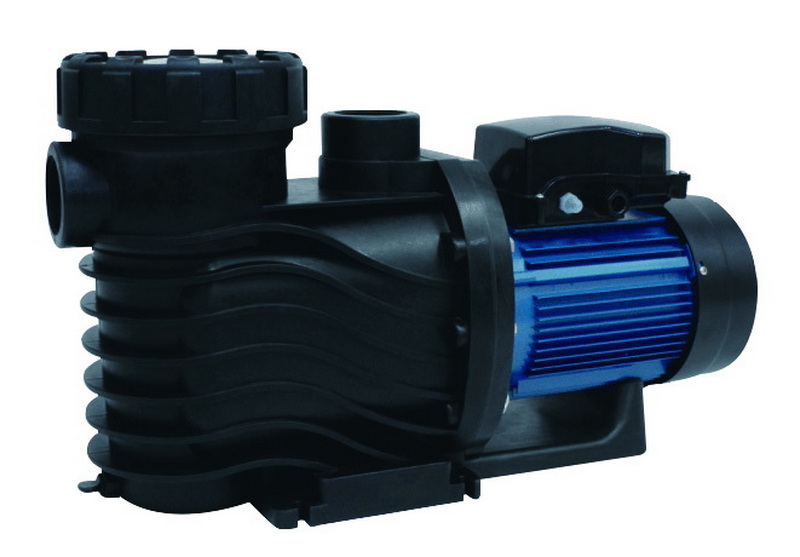
A standard pool pump uses between 1,500 and 2,500 watts, consuming about 480 kWh per month if run for 8 hours a day.[3]
A variable speed pool pump uses around 300 watts, resulting in about 72 kWh per month with 8 hours of daily operation.[3]
Switch to a variable speed pump, optimize run time, perform regular maintenance, use a timer, and upgrade to energy-efficient equipment.[5][3]
Yes, larger pools require more powerful pumps and longer run times, increasing energy consumption.[5]
Variable speed pool pumps are the most energy-efficient, using significantly less electricity than standard pumps.[3]
[1](https://www.energybot.com/energy-usage/pool-pump.html)
[2](https://www.aquaheat.cn/mediacenter/info.aspx?itemid=2259&lcid=21)
[3](https://electricityplans.com/variable-speed-pool-pump-vs-standard-pool-pump/)
[4](https://www.poolking.com.cn/faq.html)
[5](https://www.aquagem.com/news/how-much-energy-does-a-pool-pump-use)
[6](https://www.aquapool.cn/en/index.aspx)
[7](https://www.sustainability.vic.gov.au/energy-efficiency-and-reducing-emissions/save-energy-in-the-home/reduce-pool-pump-costs-at-home)
[8](https://www.bonnywin.com/zh-Hans/blog/sand-filter-buying-guide)
[9](https://www.reddit.com/r/swimmingpools/comments/1b0vg2j/does_a_variable_speed_pump_actually_saves_money/)
[10](http://zh.greatpoolproject.com/project/stainless-steel-pool-filter-for-large-commercial-swimming-pool-filtration-system/)


