
Views: 222 Author: Tina Publish Time: 2026-01-09 Origin: Site


Content Menu
● What Powder Coating a Pool Ladder Involves
● Typical Cost Range for Powder Coating a Pool Ladder
● Key Cost Factors You Should Understand
● DIY vs Professional Powder Coating
● When Powder Coating Makes the Most Sense
● How to Get the Best Price on Powder Coating
● Is Powder Coating Better Than Just Buying a New Ladder?
● FAQs About Powder Coating Pool Ladders
>> 1. Is powder coating safe for pool ladders?
>> 2. How long does a powder‑coated ladder finish last?
>> 3. Can powder coating prevent rust on my ladder?
>> 4. Does powder coating work for saltwater pools?
>> 5. Can I powder coat plastic treads or parts of the ladder?
>> 6. How do I clean a powder‑coated pool ladder?
Powder coating a pool ladder typically costs about 30–100 USD for a simple residential ladder when priced as a small item, but total cost can rise toward 150–250 USD once prep work, color choice, and local labor rates are included. For many homeowners, this is still cheaper than replacing a quality stainless steel ladder, especially when upgrading to a designer color that matches the pool décor.[1][2][3][4][5]
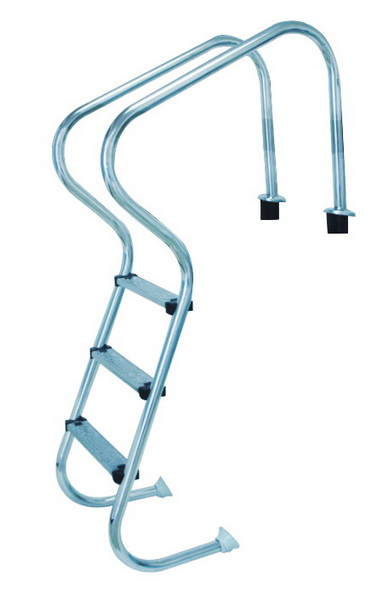
Powder coating uses an electrostatic process to apply a dry powder to metal, then cures it in an oven to form a hard, protective finish. This finish resists fading, chipping, and corrosion better than most traditional liquid paints in a harsh pool environment.[2][4]
- A typical pool ladder is made from 304 or 316L stainless steel tubing, often with a 1.90 inch outside diameter and relatively thin wall thickness, which makes it light but strong. Powder coating adds an extra barrier on top of this, especially valuable in chlorinated or mildly salty water.[6][7][3][5]
- Many premium ladders are sold with optional powder‑coated finishes in designer colors, which shows that manufacturers trust this method for long‑term outdoor use.[3][5]
General powder coating prices depend heavily on item size, complexity, prep work, and local labor rates. A pool ladder counts as a medium‑size, awkwardly shaped item, but usually still falls in the “small project” bracket at most coating shops.[4][1][2]
- Many shops have a minimum charge of about 25–100 USD per job, which often covers small to medium pieces like a single ladder or a small set of parts.[1]
- Broader consumer data show average powder coating projects for home items range roughly 180–2,400 USD, with a typical project average around 755–756 USD, but that includes much larger items like gates, fences, and full furniture sets.[2][4]
For a single pool ladder, practical real‑world pricing often falls in these bands (not official fixed rates, but realistic expectations derived from typical shop minimums and small‑item pricing):[4][1][2]
- Basic single‑color ladder: 30–100 USD (when treated as a small item near minimum charge).
- Ladder plus separate handrails or anchors: 80–150 USD, depending on how many pieces and how much masking is needed.
- Premium color, textured finish, or special preparation for heavy rust: 150–250 USD or more, especially in high‑labor‑cost regions.[1][2][4]
Several technical and practical factors drive the final bill for powder coating a pool ladder.[2][4][1]
- Size and surface area
- A 2‑step residential ladder costs less to coat than a tall, 4‑step commercial ladder with extra rails.[4][2]
- More surface area needs more powder and more oven time, increasing cost.[2]
- Condition of the existing ladder
- If the ladder has rust, peeling paint, or heavy scale, the shop must blast and clean thoroughly before coating, which increases prep time.[1][2]
- Ladders that have been in saltwater or near the ocean often require more aggressive surface preparation to ensure good adhesion.[7][3]
- Labor and local rates
- Powder coating labor commonly runs 50–150 USD per hour, and labor often represents around 60% of the total project cost.[4][2]
- Urban areas and regions with strong demand for powder coating services tend to be at the higher end of the range.[2][4]
- Powder type and finish
- Standard single‑color polyester powders are usually the most economical.[8][2]
- Special effects like metallics, textures, or multi‑coat systems cost more and may require additional application passes and oven cycles.[8][2]
Some pool owners consider DIY to save money, but a pool ladder is safety‑critical and constantly exposed to water and chemicals. Professional work reduces the risk of premature failure, peeling, or uneven surfaces that might feel rough under bare hands and feet.[8][4][2]
- Professional service advantages
- Access to industrial‑grade blasting, masking, and curing ovens ensures correct film thickness and complete curing, which is essential for corrosion resistance.[4][2]
- Experienced coaters understand how to avoid common problems like pinholing and runs on curved stainless tubing.[8][1]
- DIY challenges
- Home‑use ovens rarely accommodate a full ladder, making proper curing difficult or impossible.[2][4]
- Incomplete curing can cause chipping and flaking, which not only looks bad but also exposes metal to corrosive pool water.[2]
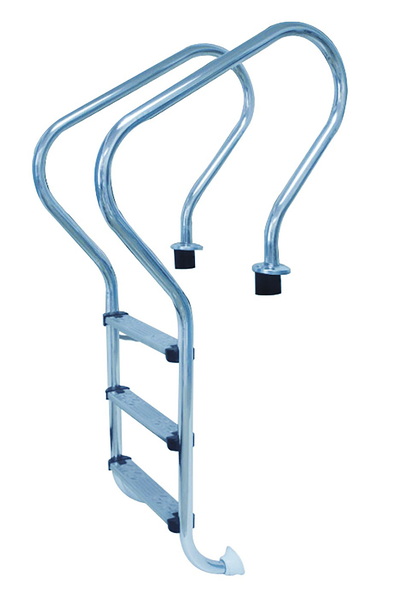
Powder coating is most cost‑effective when you have a good‑quality stainless steel ladder that is structurally sound but cosmetically tired. Rather than buying an entirely new ladder, you refresh the appearance and add extra protection at a fraction of the replacement cost.[5][3]
- Many new ladders are available in stainless, powder‑coated steel, and “sealed steel” options, indicating that coating is a mainstream, long‑term finish in the pool industry.[3]
- Powder‑coated finishes in modern colors (e.g., rock gray, taupe, copper vein, silver vein) help the ladder blend with decking, coping, or pool furniture, which is attractive for high‑end residential pools and boutique hospitality projects.[6][5][3]
To control cost and get a reliable quotation, a simple preparation and communication checklist helps.[1][4][2]
- Remove and disassemble the ladder
- Bringing the ladder (and separate handrails, if any) to the shop already removed saves time and may reduce labor charges.[1]
- Take off plastic treads and accessories if possible so the coater does not need to mask or disassemble them.[6][3]
- Share photos and dimensions
- Send multiple photos and measure the ladder height, width, and tube diameter so the shop can estimate surface area quickly.[2]
- Mention whether the ladder was used in salt, chlorinated, or mineral pools, since this affects cleaning and prep requirements.[7]
- Ask about minimum charges and color options
- Confirm the minimum job price and whether your ladder can be grouped with other small items to reduce cost.[1]
- Check if the shop already stocks the color you want; special‑order powders can add material cost and lead time.[8][2]
Whether to recoat or replace depends on ladder quality, corrosion level, and design goals.[9][10][3]
- A basic new stainless steel ladder often costs several hundred dollars, especially from well‑known pool brands and specialty retailers.[11][10][9]
- If the existing ladder is high‑grade stainless with good welds and only has cosmetic stains or minor pitting, powder coating can extend its life and upgrade its style for significantly less than the price of a premium new ladder.[5][3]
On the other hand, if the ladder is heavily rusted through, bent, or poorly constructed, replacement with a modern ladder that is designed for powder coating from the factory may be the safer and more economical long‑term choice.[9][3][5]
Powder coating a pool ladder is an effective way to protect metal against pool chemicals, UV exposure, and daily wear while upgrading the look to match modern backyard designs. For most homeowners with a sound stainless steel ladder, a realistic budget range of 30–250 USD covers basic to premium powder‑coated finishes, which is often cheaper and more stylish than buying a new ladder.[7][3][5][4][1][2]
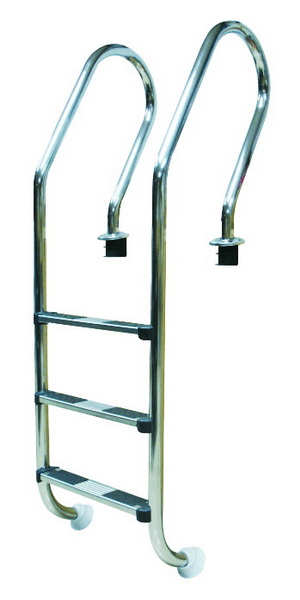
Yes. Powder coating is widely used on pool ladders and handrails, and many manufacturers sell factory powder‑coated options for residential and commercial pools.[3][5][7]
With proper surface preparation and professional curing, a powder‑coated ladder can last many years in normal outdoor pool conditions, resisting fading and chipping better than typical liquid paint.[4][2]
Powder coating adds a thick, continuous barrier that helps prevent moisture and chemicals from contacting the metal, significantly slowing corrosion, especially when applied over quality stainless steel.[7][3][2]
Yes, but you need high‑quality stainless steel (often 316L marine grade) under the coating and careful surface prep; some manufacturers specifically recommend marine‑grade steel for salt pools.[6][3]
No. Standard powder coating requires baking at high temperature and is designed for metal; plastic treads are usually removed or masked and often replaced with compatible non‑slip steps instead.[3][6]
Use mild soap and water with a soft cloth or sponge; avoid harsh abrasives or aggressive chemicals that can dull or damage the coating over time.[7][2]
[1](https://reliantfinishingsystems.com/beginners-guide-to-pricing-powder-coating-services/)
[2](https://www.angi.com/articles/powder-coating-cost.htm)
[3](https://www.poolwarehouse.com/shop/economy-ladder/)
[4](https://www.homeadvisor.com/cost/painting/powder-coat-or-electrostatically-paint/)
[5](https://www.svadonpoolcn.com/the-ultimate-guide-to-choosing-the-perfect-inground-pool-ladder/)
[6](https://lesliespool.com/309030.html?src=PAIDEQ)
[7](https://poolie.com/blog/general/enhance-pool-safety-with-handrail-and-ladder-installation/)
[8](https://absolutepowdercoat.com/understanding-the-price-of-powder-coating/)
[9](https://www.doheny.com/pool-supplies/inground/accessories/pool-ladders)
[10](https://www.thepoolguystore.com/Pool-Ladders-s/1572.htm)
[11](https://www.poolwarehouse.com/shop/modern-ladder/)
[12](https://www.backyardcitypools.com/pool-ladders-steps/SRS-Ladder-powder-coated.htm)
[13](https://fantasypools.co/products/pool-ladder-s-r-smith-vlls-103s-3-step-elite-with-stainless-steel-steps)
[14](https://sunplay.com/collections/swimming-pool-ladders?page=11)
[15](https://www.poolweb.com/products/economy-econoline-ladder-049-wall-24-inch-3-step-with-plastic-treads-powder-coated-taupe-with-escutcheons)


