
Views: 222 Author: Tina Publish Time: 2025-08-01 Origin: Site


Content Menu
● What Is a Pool Ladder and Why Is It Important?
>> Above-Ground vs. In-Ground Pool Ladders
>> Materials
>> Material
>> Brand
>> Installation
● How to Choose the Right Pool Ladder
● Installation Costs and DIY vs. Professional
● Maintenance Tips for Longevity
● Durability and Longevity Considerations
● Safety Regulations and Compliance
● Environment and Pool Type Considerations
>> 1. What's the difference between above-ground and in-ground pool ladders?
>> 2. How much does it cost to install a pool ladder?
>> 3. Are stainless steel pool ladders worth the extra cost?
>> 4. Can I use the same ladder for both above-ground and in-ground pools?
>> 5. How long do pool ladders last?
Installing the right pool ladder is essential for both safety and convenience, whether you have an inground or above-ground pool. Pool ladders come in a wide range of styles, materials, and prices, making it crucial to understand your options before making a purchase. In this comprehensive guide, we will explore the various types of pool ladders, factors affecting their costs, where you can purchase them, and tips on selecting the best solution for your swimming pool. Along the way, we'll include informative pictures and helpful videos to make your decision even easier.

A pool ladder provides a safer way for swimmers to enter and exit the pool. For children, elderly individuals, and anyone with mobility issues, a sturdy ladder or steps are indispensable for preventing accidents around the pool area. Additionally, high-quality ladders contribute positively to the overall user experience, allowing everyone to fully enjoy their swimming pool safely and comfortably.
Using an appropriate pool ladder helps avoid slipping, falling, and injuries — common risks around pool environments. Whether your pool is deep or shallow, small or large, investing in a reliable ladder is a key component of pool safety.
Understanding the difference between above-ground and in-ground pool ladders is foundational.
- Designed to straddle the pool wall.
- Usually have steps and handrails on both outside and inside the pool.
- Easy to install, remove, and store during off-seasons.
- Typically less expensive and suitable for pools that are smaller or portable.
Above-ground ladders are often made of plastic or aluminum and can be lightweight for convenient handling.
- Permanently attached to the pool deck.
- Require mounting brackets and anchor sockets in concrete or decking material.
- Generally sturdier and built to support more weight.
- They offer a sleek look that integrates with the pool design.
In-ground ladders are typically stainless steel or aluminum due to strength and corrosion resistance requirements.
Pool ladders come in a few primary materials, each having distinct pros and cons:
- Plastic/Resin: Lightweight and budget-friendly; resistant to corrosion but less durable under heavy use or harsh chemicals.
- Aluminum: Corrosion-resistant and moderately priced; fairly durable but may degrade over many years in saltwater environments.
- Stainless Steel: Most durable, highly corrosion-resistant, especially in saltwater pools; ideal for long-term use but costs more upfront.
The choice of material often dictates price, longevity, and maintenance needs.
Some pool ladders include additional features to enhance safety and convenience:
- Slip-resistant treads for better grip.
- Safety barriers or gates to prevent unsupervised access by children.
- Adjustable heights to accommodate varying pool depths.
- Easy-to-remove designs for winter storage.
- Wide steps with ergonomic handrails for comfortable climbing.
Ladders with specialized features or custom designs tend to be costlier but offer more value in safety and usability.
Pool ladder costs vary widely based on the type, material, and brand. Here's a breakdown of typical price ranges (prices in USD):
| Type of Ladder | Price Range |
|---|---|
| Basic Plastic Ladder | $49 – $129 |
| Resin Deck Ladder | $129 – $249 |
| Aluminum Ladder | $100 – $230 |
| Stainless Steel Ladder | $160 – $600+, sometimes exceeding $1,000 |
| Specialty Ladders | $400 – $1,200+ |
- Replacement steps or ladder parts can be as low as $10–$40 per piece.
- Luxury or designer models with customized finishes and advanced features may range from $800 to $3,000.
Note: Prices reflect typical offerings by US retailers as of mid-2025, and actual costs may vary by location and shipping.
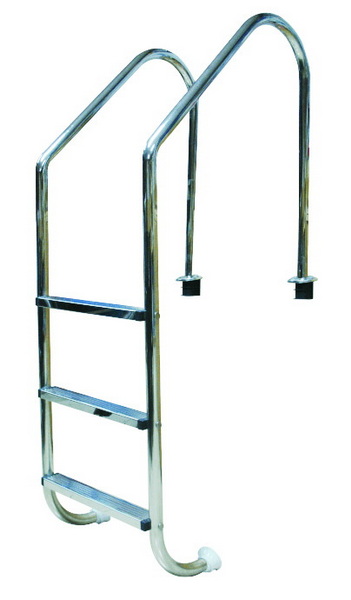
Stainless steel ladders usually cost more up front but offer superior durability, especially for saltwater pools which cause more rapid deterioration of cheaper metals or plastic.
Plastic and resin ladders are the most affordable but may need replacement more frequently because of wear and cracking.
Aluminum strikes a mid-range price point with good strength and corrosion resistance but varies in quality.
- Ladder designs with ergonomic handrails, wide steps, and slip-resistant surfaces cost more.
- Additional safety features like child gates or adjustable heights also add to the price.
- Specialty models for users with disabilities or mobility challenges come with customized designs and thus are pricier.
Premium or well-known brands may charge higher prices because of quality guarantees, innovative features, or brand reputation.
- DIY installation can save money but requires basic tools and know-how.
- Professional installation costs range from $100 to $400, particularly if concrete drilling or mounting anchors are necessary.
- Some pool dealers may offer installation bundles, which could reduce overall cost.
Pool ladders can be purchased from:
- Home improvement stores (e.g., Home Depot, Lowe's)
- General retailers (e.g., Walmart, Target)
- Dedicated pool suppliers and specialty stores
- Online platforms (Amazon, eBay, specialized pool stores)
When buying online, verify that the product includes all needed installation hardware and check shipping costs. Some bulk or wholesale suppliers offer OEM services for branded products, ideal for distributors.
Selecting the appropriate pool ladder requires attention to various details:
- Height measurement: Accurately measure your pool wall height to ensure ladder compatibility.
- User consideration: Families with elders or children might require wide steps, handrails, or safety barriers.
- Pool water type: Use stainless steel for saltwater or heavily chlorinated pools.
- Weight capacity: Check the maximum load rating to ensure safety for all users.
- Customer feedback: Look at reviews and testimonials for real-world product insights.
Many above-ground pool ladders can be installed by homeowners using basic hand tools and following manufacturer instructions. The process includes:
1. Assembling the ladder parts (handrails, steps, bolts).
2. Positioning ladder feet securely inside and outside the pool.
3. For in-ground ladders, properly anchoring to the pool deck using provided hardware.
Professional installation is recommended if mounting anchors require drilling into concrete, if local building codes mandate permits, or if you want a warranty that covers installation.
Proper maintenance can extend your ladder's life and ensure ongoing safety:
- Regularly clean ladders and steps with mild detergent to remove algae, dirt, and pool chemicals.
- Inspect and tighten bolts and hardware once or twice a year.
- Remove ladders during winter or freezing conditions to prevent damage.
- Apply protective coatings on stainless steel to reduce rust or corrosion.
- Replace any worn or cracked parts promptly.
How long your pool ladder lasts depends on material, pool chemistry, usage, and maintenance.
- Plastic and resin ladders usually last between 3 to 5 years under normal use.
- Aluminum ladders might last 5 to 7 years, but may wear faster in saltwater.
- Stainless steel ladders typically last 10 or more years if well maintained.
Investing in a high-quality ladder may cost more upfront but saves money and effort in frequent replacements.
Depending on your region, pool ladders may need to comply with local safety codes or standards, such as:
- Slip-resistant surfaces.
- Child safety barriers or gates.
- Weight capacity ratings.
- Secure installation requirements.
Always check your local building or homeowner association regulations before installation to stay compliant and avoid liability.
- Saltwater Pools: Chlorine and salt accelerate metal corrosion. Stainless steel is preferred here.
- Above-ground Pools: Lightweight, removable ladders offer seasonal flexibility.
- In-ground Pools: Permanent ladders with robust installation are common.
- Commercial Pools: Often require ladders with commercial-grade specifications for heavy, frequent use.
Selecting the correct ladder for your pool environment ensures safety, durability, and overall satisfaction.
Understanding the costs and options for pool ladders helps you make a wise, safe, and comfortable choice for your swimming pool. Whether you're on a budget or seeking a luxury solution, the right ladder not only enhances pool accessibility but also adds an essential layer of safety for every swimmer. Always consider the material, design, user needs, safety regulations, and installation method before purchasing your next pool ladder. A thoughtful decision ensures years of worry-free swimming enjoyment for your family and guests.
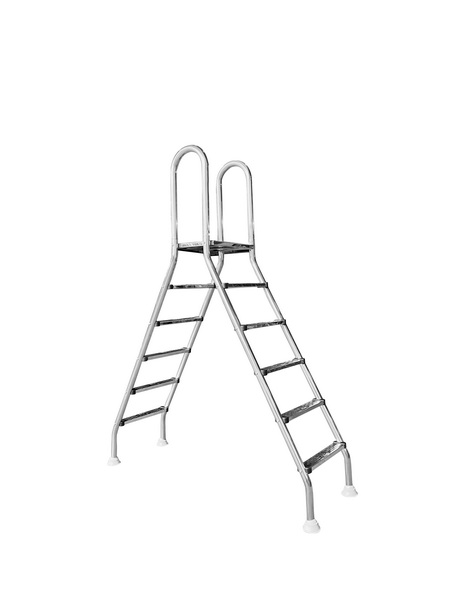
Above-ground pool ladders straddle the pool wall and can typically be removed and stored during off-seasons, while in-ground ladders are permanently anchored to the deck, providing stability and often accommodating heavier weights.
DIY installation is usually free beyond ladder purchase, while professional installation costs range from $100 to $400 depending on the complexity and materials involved.
Yes. Stainless steel offers superior durability and corrosion resistance, making it the best choice for saltwater pools and long-term reliability.
Most ladders are designed for a specific application. Some adjustable models fit both but always check compatibility before purchase.
Good quality resin or stainless steel ladders can last 5–10 years or more with proper care; lower-quality models may only last a few seasons.


