
Views: 222 Author: Tina Publish Time: 2025-12-05 Origin: Site


Content Menu
● Basic Rule Of Thumb (Quick Answer)
● How To Calculate Ideal Run Time
● Single‑Speed vs Variable‑Speed Pumps
● Seasonal And Climate Adjustments
● Water Features, Salt Systems, And Heaters
● Energy Efficiency And Cost Savings
● Practical Example Daily Schedules
● FAQs About Pool Pump Runtime
>> 1. Is it better to run a pool pump at night or during the day?
>> 2. Can I run my pool pump for less than 8 hours a day?
>> 3. How do I know if I am running my pump too long?
>> 4. How long should I run my pump after shocking the pool?
>> 5. Do small above‑ground pools need the same runtime as inground pools?
>> 6. Will a bigger pump let me run fewer hours?
How long you should run a pool pump each day depends on your pool volume, the pump's flow rate, water temperature, and how heavily the pool is used, but most residential pools need the pump running about 8–12 hours per day to keep the water clear and safe. Variable‑speed pumps can often run longer at low speed for less cost, while single‑speed pumps usually run fewer hours at higher flow.[1][2][3]
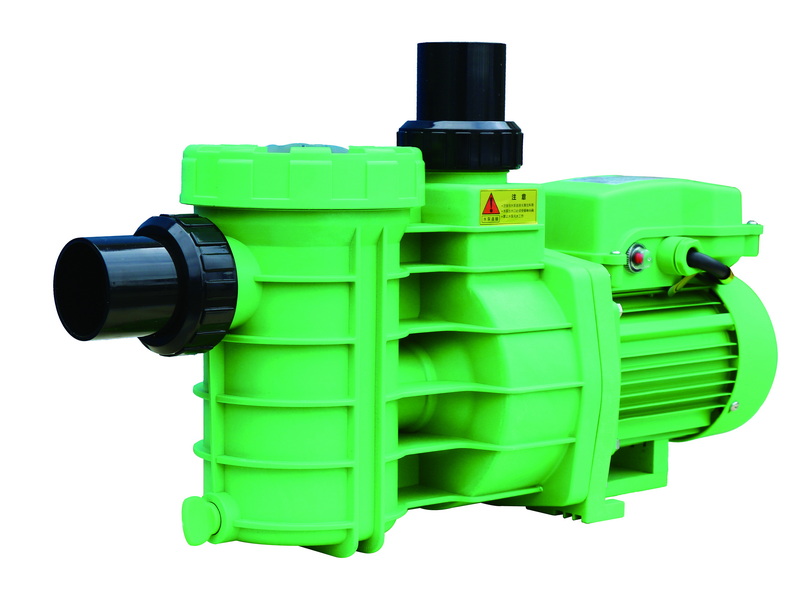
Circulating water through the filter is the only way to remove fine debris and keep sanitizer evenly distributed, so pump runtime directly affects water clarity and hygiene. Too little circulation allows algae growth and chemical imbalances, while excessive runtime wastes electricity without much extra benefit.[3][4][5][1]
Your goal is to run the pump long enough to “turn over” the full pool volume at least once per day, and often closer to 1.5–2 turnovers in hot or high‑use conditions. This balance gives clear, healthy water while controlling energy costs.[5][6][1][3]
Many experts suggest that a correctly sized residential pool system should run the pump about 8 hours per day during the main swimming season. This assumes the filter, plumbing, and pump are properly matched to the pool volume and water is not under unusual stress from storms or algae.[4][1][3][5]
Another simple guideline for single‑speed pumps is to run the system roughly 1 hour for every 10 °F (about 5–6 °C) of daytime air temperature, so a 90 °F (32 °C) day calls for around 9 hours of circulation. You can then fine‑tune that time up or down depending on water clarity and chemical test results.[1][3][5]
A more precise way is to calculate your turnover time using pool volume and pump flow rate. Turnover time in hours is:[5][1]

If a 20,000‑gallon pool is circulated at 40 gallons per minute (2,400 gallons per hour), the pump needs a little over 8 hours to filter the full volume once. Running closer to 10–12 hours per day may be advisable in very warm climates or during heavy bather loads to ensure more than one turnover.[6][1][5]
When pump flow is unknown, some guides recommend starting with about 12 hours for a single‑speed pump, then reducing runtime gradually until you notice the first signs of reduced clarity, and adding 30–60 minutes back as a safety margin. This experimental method works well combined with regular visual checks and water testing.[3][5]
Single‑speed pumps operate at one fixed, relatively high speed, so they usually run fewer hours each day, often in the 8–12 hour range depending on pool size and climate. Because they draw more power when running, leaving them on 24/7 is rarely economical even though constant circulation helps keep water pristine.[2][7][1][3]
Variable‑speed pumps can run for more hours at lower speeds, cutting energy use dramatically while maintaining circulation. Many pool owners run them 12 hours or more per day, for example 3–4 hours on higher speed for cleaning and 8–9 hours on low speed for filtration.[8][2][1]
Water temperature and climate strongly influence how long you should run your pump. Hot weather, direct sun, and heavy use demand longer daily runtimes because sanitizer breaks down faster and organic contaminants increase.[9][10][3][5]
In cooler months, you can often reduce runtime using a simple rule: cut the summer runtime by about 10% for every 10 °F drop in water temperature, as long as the pool stays clear. Off‑season pools that stay uncovered or receive a lot of debris may still need several hours of circulation daily even if nobody swims.[3][5]
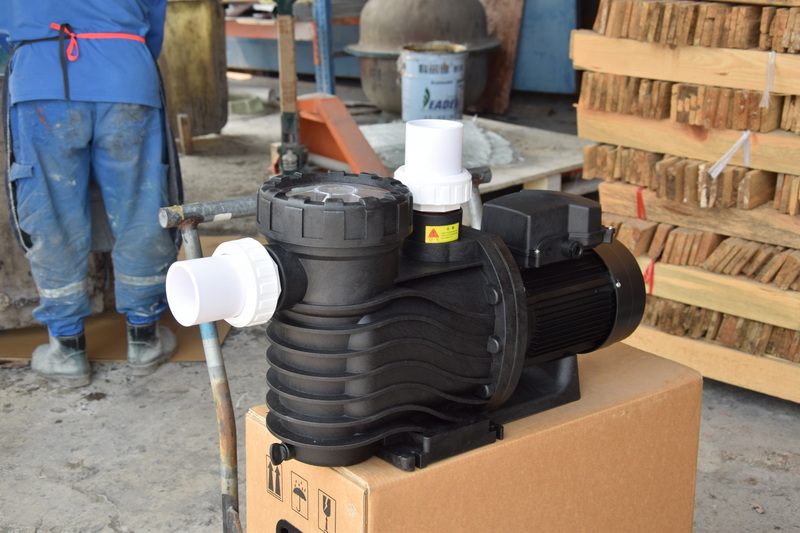
If your pool has a saltwater chlorine generator, heater, or in‑floor cleaning system, these devices may require the pump to run at specific speeds and for minimum hours. Many salt systems and some heaters will not operate correctly at very low flow, so variable‑speed pumps often need programmed higher‑speed windows during the day.[11][1]
Waterfalls, spa spillovers, and pressure‑side cleaners also influence runtime because they increase circulation demand when operating. Planning higher‑speed pump periods while these features run, then longer low‑speed filtration periods, usually gives the best balance of performance and efficiency.[2][11][1]
Running a pump longer is not always more expensive if you lower the speed, especially with modern variable‑speed designs. Because of pump affinity laws, small reductions in speed produce disproportionately large energy savings while still delivering adequate flow for filtration.[7][12][2]
Upgrading from a traditional single‑speed pump to a variable‑speed model can reduce electricity use by well over half, and some estimates show potential savings approaching 80–90% in favorable conditions. This is why many energy agencies and manufacturers now recommend variable‑speed pumps as the standard choice for new and replacement installations.[13][8][2]
For a typical 15,000–20,000‑gallon residential pool with a single‑speed pump, a practical summer schedule might be 8–10 continuous daytime hours focusing on when the sun is strongest. Owners in very hot regions often extend this to 10–12 hours to maintain better chemical stability.[6][9][1][3]
With a variable‑speed pump, a common pattern is 3–4 hours at higher speed to power cleaners and features and 8–9 hours at low speed for filtration, split into off‑peak electricity periods. Some small, efficient systems may run nearly 24 hours at a very low speed to maximize clarity while keeping energy cost low.[10][8][1][5]
Running a pool pump the right number of hours each day is about achieving at least one full turnover of the pool volume while adapting to temperature, usage, and equipment type. For most homeowners, that means starting around 8 hours per day, then adjusting based on water clarity, chemical test results, and local climate.[4][1][5][3]
Variable‑speed pumps and high‑quality filters make it easier to maintain clean, sparkling water with lower operating costs, especially when paired with smart scheduling. Working with a professional supplier that offers advanced sand filters, DE filters, cartridge filters, and efficient pumps can help ensure your system is correctly sized and programmed for optimal daily runtime.[8][2]
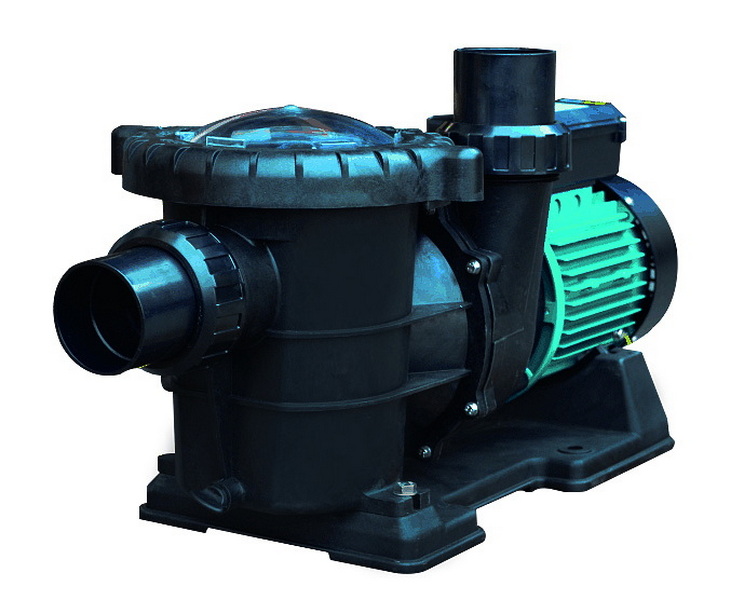
Running the pump during the day helps support sanitizer when sunlight is strongest and chlorine breaks down fastest, which can improve water quality in hot, sunny climates. However, many owners split runtime between day and off‑peak night hours to balance water care and lower electricity rates.[9][10]
If the pump and filter are large relative to pool volume, and water stays consistently clear with good test results, some pools can operate well at less than 8 hours, especially in mild weather. The only reliable way to know is to gradually reduce runtime while monitoring clarity and chemistry, then stop reducing once you reach the minimum stable point.[4][5][6][3]
Signs of excessive runtime include very clear water but unusually high electricity bills compared with similar pools and no further improvement when you add more hours. If cutting 30–60 minutes per day for several weeks does not affect clarity or chemical stability, you may have room to reduce runtime further.[12][5][4]
After adding a high dose of chlorine or performing a shock treatment, it is common to run the pump continuously for 24 hours or until the water looks clear and tests show normal chlorine levels. This extended circulation helps mix chemicals thoroughly and remove dead algae and debris through the filter.[1][5][3]
Smaller above‑ground pools often have lower volumes but also undersized pumps and filters, so they still need enough hours to achieve at least one full turnover per day. Many above‑ground owners run pumps 6–10 hours daily in season, adjusting for water clarity, sunlight, and usage.[6][3][4]
A larger pump can move water faster, theoretically allowing shorter runtimes, but oversizing often wastes energy and may stress the filtration system. Matching pump size to pool volume and filter capacity, then optimizing daily hours, typically delivers the best balance of efficiency and performance.[7][1][4]
[1](https://lesliespool.com/blog/how-to-calculate-pool-pump-run-time.html)
[2](https://www.cleanenergyconnection.org/article/variable-speed-pool-pumps-really-do-save-you-money-heres-how)
[3](https://www.pvcfittingsonline.com/blogs/resource-center/how-often-should-i-run-my-pool-pump)
[4](https://mrpoolman.com.au/blogs/news/how-long-should-i-run-my-pool-pump-every-day)
[5](https://www.pstpoolsupplies.com/blogs/articles/what-s-the-best-pool-pump-run-schedule)
[6](https://www.riverpoolsandspas.com/blog/how-long-to-run-pool-pump)
[7](https://docs.nrel.gov/docs/fy12osti/54242.pdf)
[8](https://www.swimmingpool.com/blog/comparing-variable-speed-pool-pumps-vs-single-speed/)
[9](https://www.facebook.com/groups/273395260599363/posts/1421226082482936/)
[10](https://www.swimuniversity.com/run-pool-pump/)
[11](https://www.pentair.com/en-us/education-support/water-education-center/pool-and-spa-education/pool-pump-information-guide.html)
[12](https://electricityplans.com/variable-speed-pool-pump-vs-standard-pool-pump/)
[13](https://www.pentair.com/en-us/pool-spa/education-support/homeowner-support/calculators/pool-pump-savings-calculator.html)
[14](https://www.reddit.com/r/pools/comments/pbcz27/how_long_should_i_run_my_pool_pump_each_day_i/)
[15](https://www.youtube.com/watch?v=u4ExnupI26o)
[16](https://www.youtube.com/watch?v=LvN8m1AsrHI)
[17](https://www.reddit.com/r/pools/comments/15ysu79/new_pool_owner_here_how_long_do_you_run_your_pump/)
[18](https://starwatersystems.com/2025/05/19/singe-vs-variable-speed-pool-pumps/)
[19](https://www.facebook.com/groups/273395260599363/posts/1379944586611086/)
[20](https://www.youtube.com/watch?v=edm862QQ9mY)


