
Views: 222 Author: Tina Publish Time: 2025-11-21 Origin: Site


Content Menu
● Introduction to Pool Pump Operation
● Understanding Pump Runtime Factors
● Recommended Daily Pool Pump Runtime
● Effects of Running the Pump Too Little or Too Long
● Using Variable Speed Pool Pumps
● Smart Controls and Automation
● Pump Runtime for Different Filter Types
● Reducing Pump Runtime Without Compromising Water Clarity
● When to Run the Pump — Day or Night?
● Choosing the Right Pump from Our Factory
● FAQs about Pool Pump Runtime
>> 1. What happens if my pool pump runs only 4 hours a day?
>> 2. Can I run the pump 24 hours a day?
>> 3. How can I make my pump more energy-efficient?
>> 4. Should I run my pool pump after shocking the pool?
>> 5. How do I know if my pump is powerful enough?
A pool pump acts as the heart of your swimming pool's filtration system. Its main purpose is to circulate the water through the filter — sand, DE, or cartridge — removing dirt, debris, and contaminants. Without consistent circulation, pool water quickly turns cloudy and unsafe for swimming.
Your pool pump works closely with these essential components:
- Pool Filter: Traps dust, algae, and particles.
- Skimmer and Main Drain: Draw in water and debris.
- Return Jets: Distribute clean water evenly.
- Heater or Chlorinator (if applicable): Operate effectively only with proper circulation.
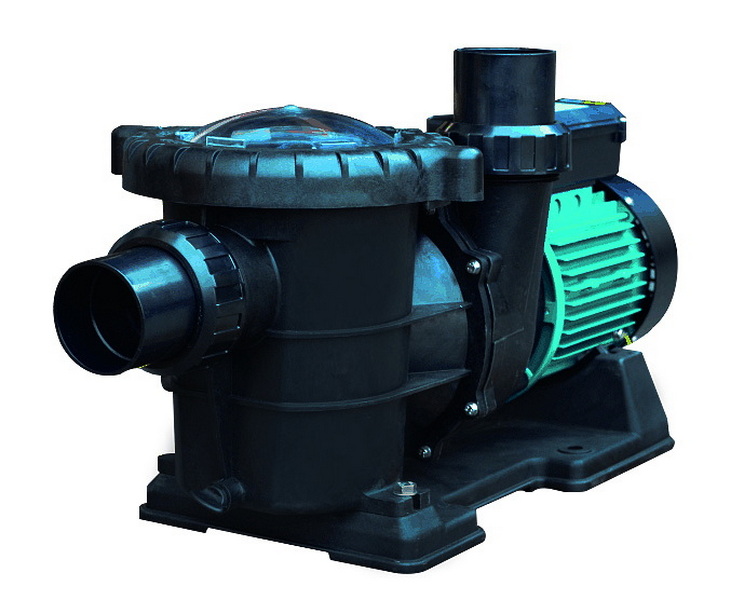
There is no universal answer to “how long should a pool pump run.” The ideal runtime depends on several factors:
- Pool size: Larger pools require longer circulation times.
- Pump flow rate: Measured in gallons per minute (GPM), determining how fast water is filtered.
- Water temperature and climate: Warm climates and high usage require more frequent filtration.
- Debris load: Surrounded by trees or dust? Expect more filtration hours.
- Type of filter: Sand, DE, or cartridge systems have different efficiency levels.
The goal is to turn over all pool water at least once per day — meaning every gallon of water passes through the filter. This is called the “turnover rate.”
If your pool holds 20,000 gallons and your pump moves 2,500 gallons per hour, you need roughly 8 hours of runtime to achieve a full turnover.
Most residential pools should run the pump 8 to 12 hours per day during peak swimming season. This ensures enough turnover for clean, balanced water.
Runtime can change with the seasons:
| Season | Suggested Runtime | Notes |
|---|---|---|
| Summer | 10–12 hours/day | High temperatures and usage demand longer filtration. |
| Spring / Fall | 6–8 hours/day | Moderate use and fewer contaminants. |
| Winter | 4–6 hours/day | For cold areas, reduce time or winterize equipment. |
Instead of running your pump continuously, use a timer or smart control system to break runtime into smaller sessions. For example:
- 4 hours in the morning
- 4 hours in the evening
This keeps the water moving all day, allowing chlorine and sanitizer to distribute effectively.
- Leads to cloudy water and algae growth.
- Reduces chlorine distribution and sanitization.
- Can cause buildup of debris in corners and drains.
- Increases electricity bills.
- Wears out pump motor and seals faster.
- Creates unnecessary system pressure.
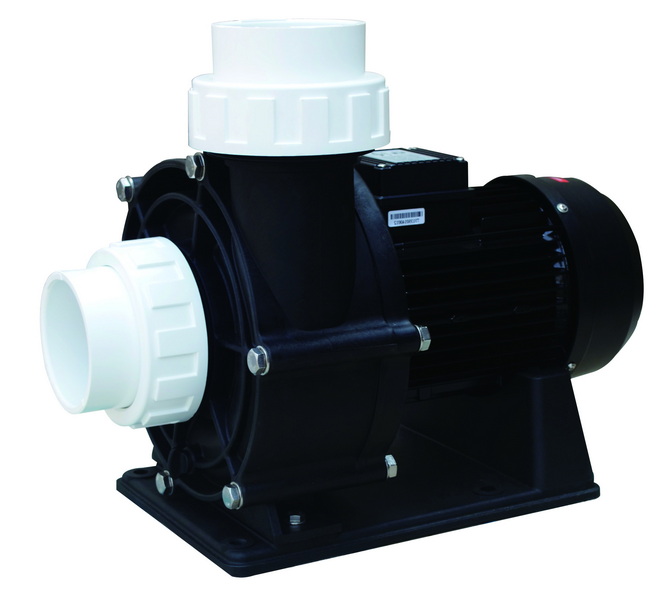
Variable speed pumps are a game-changer for modern pools. They allow users to adjust the motor speed according to specific needs. Running them at lower speeds for longer hours often saves energy while maintaining proper circulation.
Benefits include:
- Up to 70% energy savings.
- Quieter operation.
- Longer equipment lifespan.
- Better water clarity and chemical balance.
Modern smart pool systems let you schedule runtimes automatically, monitor flow rates, and even adjust speeds remotely from an app. These systems optimize pump operation based on temperature, usage, and filter status.
Different filters have unique requirements:
| Filter Type | Efficiency | Best Runtime Practices |
|---|---|---|
| Sand Filter | Moderate | 8–12 hours per day for complete turnovers. |
| DE Filter | High | 6–8 hours often enough; clean grids regularly. |
| Cartridge Filter | Very High | Can sometimes run 6 hours/day; rinse cartridges monthly. |
To shorten pump runtime efficiently, consider these strategies:
- Maintain clean skimmers and baskets.
- Use a robotic cleaner to remove debris.
- Keep chlorine and pH balanced.
- Backwash or clean filters regularly.
- Run pump overnight when electricity rates are lower.
Many pool owners ask whether they should run the pump during the day or night. Both have pros and cons:
Daytime Benefits:
- Maximizes chlorine efficiency under sunlight.
- Keeps water cleaner when the pool is in use.
Nighttime Benefits:
- Saves energy in off-peak hours.
- Less evaporation and quieter operation.
Our factory in China specializes in producing top-tier pool sand filters, DE filters, cartridge filters, energy-efficient pumps, LED lights, and accessories.
With advanced automated machinery, every product is engineered for durability and reliability.
We provide OEM services for foreign brands, wholesalers, and manufacturers — ensuring premium performance, quiet operation, and long service life.
The optimal pool pump runtime depends on your pool size, pump capacity, usage, and climate. As a general guide, run your pump 8 to 12 hours daily, ensuring a full water turnover every 24 hours. With smart scheduling, regular maintenance, and high-quality equipment, you can keep your pool water sparkling clean while minimizing energy costs.
Water may not circulate enough to distribute chlorine or filter out debris. Expect cloudiness, algae risk, and uneven chemical balance.
Yes, but it's unnecessary except in special cases like storm cleanup or algae treatment. This practice wastes energy and shortens pump lifespan.
Invest in a variable speed pump, clean filters frequently, and run during off-peak electricity hours.
Absolutely. Run the pump continuously for 24 hours after shocking to spread chemicals evenly and remove dead algae.
Check the flow rate vs pool volume calculation or consult your manufacturer's performance chart. Undersized pumps may require longer runtimes.


