
Views: 222 Author: Tina Publish Time: 2025-11-04 Origin: Site


Content Menu
● Understanding Summer Pool Pump Run Time
● The Science Behind Filtration Cycles
● Key Factors Affecting Pump Run Time
● Calculation Methods and Formulae
● Types of Pool Pumps and Filters
>> Pump Types
>> Filter Types
● Practical Summer Pool Maintenance Tips
● Case Scenarios and Real-Life Examples
● Common Mistakes and How to Avoid Them
● Essential Pool Care Tools and Accessories
>> 1. How do I calculate exact pump runtime for my pool?
>> 2. Is it better to run the pump overnight or during the day?
>> 3. Can I reduce runtime with energy-efficient pumps?
>> 4. How does water temperature affect runtime?
>> 5. What if my pool water is cloudy or the chemical levels won't stabilize?
Efficient pool maintenance in hot weather is essential for safe swimming, equipment longevity, and energy management. One crucial question pool owners face each year is: How long should the pool pump run in summer? This article, written by a top-tier OEM pool equipment manufacturer in China supplying sand filter solutions, LED lighting, pumps, and accessories for global brands, explores best practices and expert recommendations. You'll find detailed instructions, rich imagery, video guides, and actionable tips suited for owners, brand managers, and pool professionals.
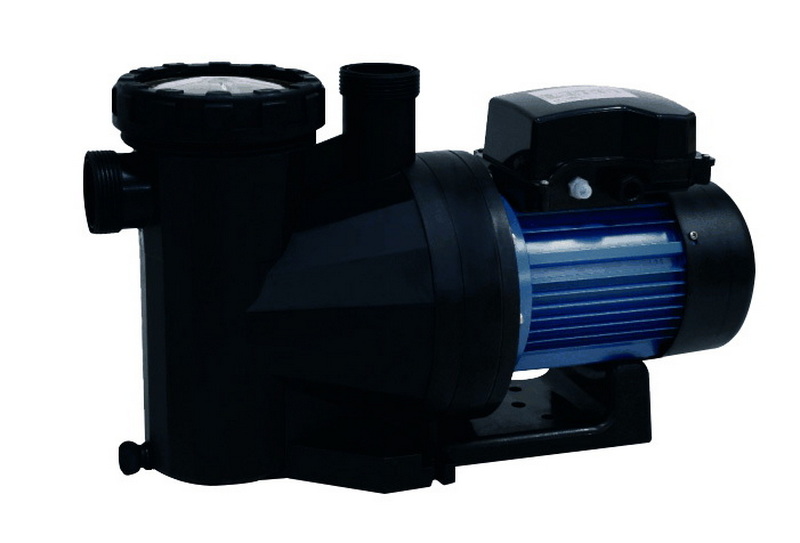
The general recommendation for pool pump operation during summer is 8 to 16 hours per day. Warmer temperatures, intense sunlight, and increased swimmer load require longer filtration to maintain water hygiene. Algae, bacteria, and debris thrive in stagnant water, making diligent pump schedules critical.[2][3][1]
- Residential pools typically need 8–10 hours of daily runtime.[2]
- Heavily used pools, larger pools, or those exposed to debris (e.g., near gardens, trees) may need up to 12–16 hours daily.[1]
- Pools in extremely hot climates or during heatwaves may require up to two complete water turnovers per day—often around 16 hours total.[3]
The purpose of running a pool pump is to achieve at least one “turnover”—every drop of pool water passes through the filter once every 24 hours. In summer, two turnovers per day are preferred for optimal clarity and health, especially in busy or open-air pools.[5][3]
To calculate your ideal pump runtime:
Pool Volume (liters)÷Pump Flow Rate (liters per minute)=Minutes for one turnover
Example: For a 60,000-liter pool with a 200 L/min pump:
60,000÷200=300 minutes=5 hours
For double turnover in summer:
5 hours×2=10 hours daily
Multiple parameters influence the optimal pump schedule in summer:
- Pool Size: Larger pools need longer operation to move the entire water volume.[2]
- Pump Efficiency: High-efficiency pumps can achieve better filtration in less time.[7]
- Filter Condition: Clean filters work faster—dirty filters slow down circulation, requiring more hours.[8][7]
- Temperature: A general rule is to add 1 hour of runtime for each 10°F increase in air temperature.[9][10][11]
- Pool Usage: More swimmers mean more contaminants, requiring extra runtime.[1][2]
- Debris Levels: Pools exposed to trees, dust, or frequent storms need extra filtration time.[2]
1. Measure Pool Volume (length × width × average depth for rectangular pools).
2. Check Pump GPM/LPM (found on the pump label).
3. Calculate Turnover Time:
Total pool volume÷Flow rate=Minutes or hours for one turnover
4. Adjust for High Usage and Heat:
- Add an extra turnover for summer.
- Increase runtime after heavy pool usage, parties, or storms.[2]
| Air Temp (°F) | Pump Runtime (hours/day) | Notes |
|---|---|---|
| 70–80 | 7–8 | Low use |
| 81–90 | 9–10 | Moderate use |
| 91–100 | 11–12 | Heavy use |
| >100 | 12–16 | Extreme heat |
- Single-Speed Pumps: Simple, reliable, consume more energy, usually require more daily runtime (8–10 hours).[7]
- Variable-Speed Pumps: Efficient, quieter, run at lower speeds for longer (12–24 hours), cost less to operate.[7]
- Sand Filters: Most popular, low maintenance, effective for general use.[13][14]
- Cartridge Filters: High filtration, less water waste, easy to clean, good for energy efficiency.[15][14][13]
- DE Filters: Highest filtration quality (removes smallest particles), used for premium pools.[14][13][15]
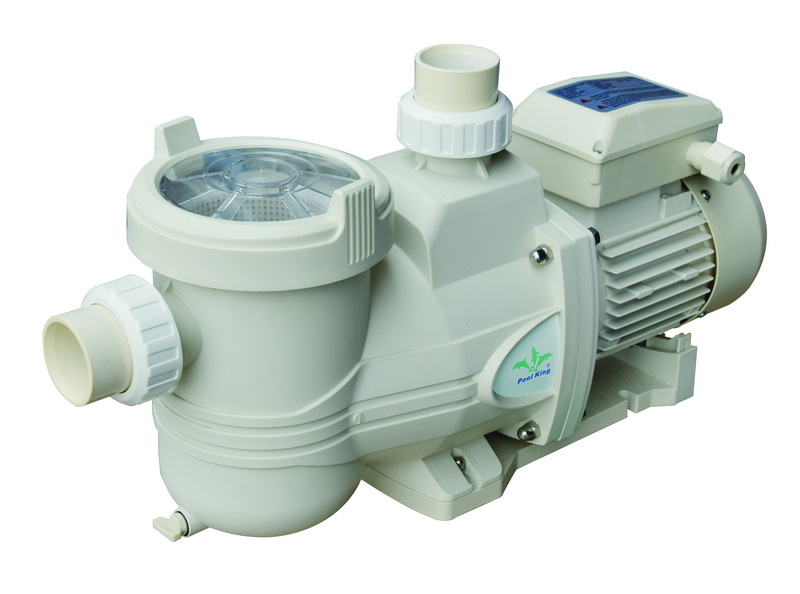
Running the pump is just one step. For sparkling water in summer:
- Test pH and Chemicals Daily: High water temperature and sunlight degrade chlorine.[8]
- Skim and Vacuum Regularly: Manual or robotic cleaners remove floating debris.[8]
- Shock the Pool Weekly: Prevent cloudy water, kill bacteria after storms or heavy use.[8]
- Clean Filter Weekly: Backwash sand filters, rinse DE/cartridge filters for maximum efficiency.[8]
- Check Water Level: Maintain at halfway up the skimmer.[8]
- Use Pool Covers: Reduce debris, minimize algae risk, conserve energy.[2]
Longer summer runtimes can mean higher electricity costs. Mitigate expenses with these tactics:
- Use Energy-Efficient Pumps: Upgrade to variable-speed models for up to 90% energy savings.[7]
- Run Pump During Off-Peak Hours: Night or early morning operation may reduce power bills.[2]
- Keep Filter Clean: Dirty filters require more energy and time to move water.[7][8]
- Optimize Pool Cover Usage: Limit sunlight and evaporation, reducing pump hours needed.[2]
- Regular Maintenance: Prevent pump and filter clogs with consistent cleaning, saving hours of runtime.[8]
Case 1: Standard Residential Pool in Subtropical Climate
- Pool Volume: 45,000 liters
- Pump Flow Rate: 150 L/min
- Summer Daytime Temp: ~35°C (95°F)
- Filtration Needed: $$45,000 / 150 = 300$$ min for one turnover; 600 min (10 hours) for two turnovers. Set for 10–12 hours daily in summer.
Case 2: Commercial Pool, Heavy Usage
- Volume: 90,000 liters
- Pump Flow Rate: 300 L/min
- Daily Runtime: $$90,000 / 300 = 300$$ min (5 hours). Double for heavy use: 10 hours/day, or staggered shifts AM/PM.
Case 3: Automated OEM Solution
- Pool equipped with a variable-speed pump and smart controller. Runs low speed 24/7 except peak daylight (high speed) for optimal cost and water quality.
- Over-running Pump: Wastes energy, shortens equipment life. Use calculator and adjust only as needed.[1][2]
- Irregular Cleaning: Debris and dirty filters force longer operation to maintain water quality.[8]
- Ignoring Temperature Fluctuations: Hot spells need extra runtime; cool days may allow reductions.[11][9][10]
- Skipping Water Testing: Chemical imbalances may not be fixed by longer pump operation alone.[8]
- Sand filter units (for large pools)
- Cartridge filters (energy-saving)
- DE filter systems (for critical filtration)
- Pool robot vacuums
- Pool maintenance kits: Skimmers, test strips, brushes, pool cover
- LED lighting for nighttime operation
- Smart pump controllers for automated scheduling
To keep your pool safe, clear, and enjoyable during summer, run your pump 8–16 hours per day, using calculation as the basis and adjusting for usage, temperature, and filter type. Leverage smart, energy-efficient technology, keep filters clean, and follow daily chemical and debris management for best results. Regular, conscientious pump operation is key to the health, efficiency, and longevity of your pool—whether you manage a family pool or a commercial facility.
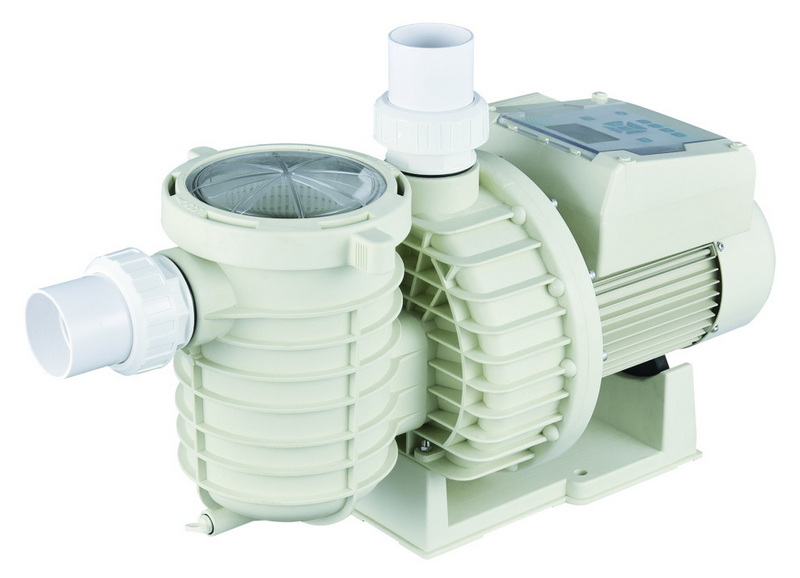
Use this formula: Pool Volume ÷ Pump Flow Rate = Minutes for one turnover; double the runtime for two turnovers in summer.[2]
Run it during peak algae growth (daytime) but split runtime between day and night for energy savings. Never let water stagnate during hottest hours.[1][2]
Yes. Variable-speed pumps often run longer at lower speeds, saving up to 90% electricity compared to single-speed models.[7]
Increase pump hours by 1 for every 10°F above 70°F. More heat means more filtering is required to prevent algae and bacteria.[9][10][11]
Increase pump runtime by 2–4 hours, clean or backwash the filter, shock the pool, and check chemical balance. Persistent problems may indicate equipment faults or need for professional service.[8]
[1](https://www.riverbendsandler.com/help-advice/pool-school-how-often-should-a-pool-pump-run-in-the-summer/)
[2](https://guyrobertlandscape.com/summer-pool-pump-runtime-guide/)
[3](https://www.youtube.com/watch?v=u4ExnupI26o)
[4](https://www.istockphoto.com/photos/swimming-pool-cleaning)
[5](https://www.swimmingpool.com/maintenance/pump&filter/how-long-to-run-pool-pump/)
[6](https://www.vecteezy.com/free-vector/pool-pump)
[7](https://www.pentair.com/en-us/education-support/water-education-center/pool-and-spa-education/pool-pump-information-guide.html)
[8](https://www.aaronpoolsandspas.com/10-essential-pool-maintenance-tips-for-a-sparkling-summer-season/)
[9](https://www.reddit.com/r/pools/comments/153sq0a/should_my_pool_pump_be_on_8_hoursday/)
[10](https://www.reddit.com/r/pools/comments/pbcz27/how_long_should_i_run_my_pool_pump_each_day_i/)
[11](https://lesliespool.com/blog/how-to-calculate-pool-pump-run-time.html)
[12](https://www.istockphoto.com/photos/pool-filter)
[13](https://www.gpspoolstore.com/different-types-of-pool-filters/)
[14](https://hayward.com/products/pool-filters.html)
[15](https://exploreindustries.com/explore-industries/types-of-pool-filters/)
[16](https://stock.adobe.com/search?k=pool+filter)
[17](https://natural-resources.canada.ca/energy-efficiency/energy-star/pool-pumps-infographic)
[18](https://www.istockphoto.com/photos/swimming-pool-filter)
[19](https://sunloverheating.com.au/how-long-to-run-your-pool-pump-in-summer/)
[20](https://www.zodiac.com.au/pool-and-spa-guides/top-question-our-customers-ask-how-long-should-i-run-my-pump-for)
[21](https://www.youtube.com/watch?v=3BPPvQp0qx0)
[22](https://pureplusfilter.com/product/intex-sand-filter/)
[23](https://www.1stdirectpools.com/blog/post/when-run-pool-pump-ultimate-guide)
[24](https://www.freepik.com/free-photos-vectors/pool-maintenance)
[25](https://www.youtube.com/watch?v=SPOzgmXgTlk)
[26](https://baracuda.co.za/blog/how-long-should-i-run-my-pool-pump-for/)
[27](https://www.shutterstock.com/search/swimming-pool-maintenance)
[28](https://www.youtube.com/watch?v=Ayk3co2KetE)
[29](https://www.freepik.com/free-photos-vectors/pool-cleaning)
[30](https://stock.adobe.com/search?k=swimming+pool+cleaning)
[31](https://www.istockphoto.com/photos/pool-cleaning)
[32](https://www.gettyimages.com/photos/swimming-pool-maintenance--repairs?page=2)
[33](https://www.espa.com/corp-en/infographic-pump-pool-filter-silen-i-/-silen-s-/-silen-s2/)
[34](https://www.vecteezy.com/free-photos/swimming-pool-cleaning)
[35](https://www.shutterstock.com/search/pool-cleaning-logo)
[36](https://www.shutterstock.com/th/search/swimming-pool-pump)
[37](https://www.shutterstock.com/search/pool-filter)
[38](https://unsplash.com/s/photos/pool-cleaning)
[39](https://www.freepik.com/vectors/pool-pumps)


