
Views: 222 Author: Tina Publish Time: 2026-01-24 Origin: Site


Content Menu
● How Long Should a Swimming Pool Pump Run Per Day
● Why Daily Pool Pump Runtime Matters
● General Rules for How Long to Run a Pool Pump
● How to Calculate the Ideal Pool Pump Runtime
>> Step 1 – Calculate Pool Volume
>> Step 2 – Know Your Pool Pump Flow Rate
>> Step 3 – Aim for 1–2 Turnovers per Day
● How Climate and Season Affect Pool Pump Run Time
>> Hot Climates and Peak Season
>> Cooler Seasons and Off‑Peak Months
● Single‑Speed vs Variable‑Speed Pool Pump Runtime
● Variable‑Speed and Multi‑Speed Pool Pump
● Best Time of Day to Run a Pool Pump
● Energy‑Saving Tips While Running a Pool Pump
● How Pool Equipment Type Influences Runtime
● OEM Pool Pump and Filter Solutions for Global Partners
● Practical Examples of Daily Pool Pump Schedules
● Advanced Tips for Optimizing Pool Pump Runtime
● Common Mistakes When Setting Pool Pump Runtime
● How Pool Design Affects Pool Pump Runtime
● Chemical Balance and Pool Pump Runtime
>> 1. Do I need to run my pool pump every day?
>> 2. Is it better to run a pool pump at night or during the day?
>> 3. Can I run my pool pump too long?
>> 4. How do I know if my pool pump runtime is too short?
>> 5. Does a variable‑speed pool pump need to run longer than a single‑speed pump?
Most residential pool owners should run the pool pump for about 8–12 hours per day in the peak season, long enough to circulate and filter the entire pool volume at least once, and ideally 1.5–2 times per day for perfectly clear water.
As a professional OEM factory supplying high‑end pool filters and pool pumps to international brands, wholesalers, and manufacturers, this guide explains exactly how to calculate and optimize daily pool pump runtime for crystal‑clear, healthy water while controlling energy costs.
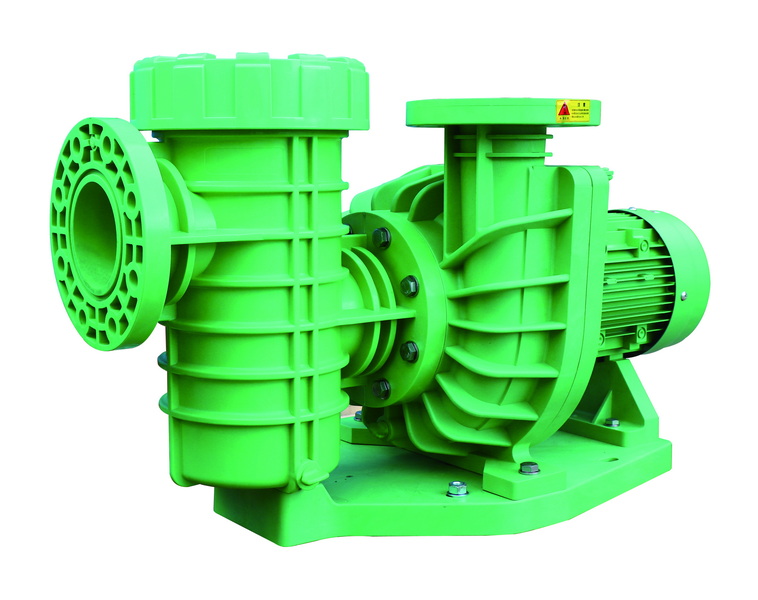
A pool pump is the heart of any swimming pool circulation system, pulling water from the pool, pushing it through the filter, and returning it clean and sanitized. Proper daily runtime ensures that sanitizers work, debris is filtered, and algae cannot gain a foothold.
For most correctly sized pool pump systems with standard sand filters, cartridge filters, or DE filters, 8–10 hours of operation per day is a widely recommended baseline in warm climates, increasing up to about 12 hours per day in very hot or heavily used pools.
To help users understand this concept, you can place a simple schematic style illustration near this section showing water being drawn from the skimmer and main drain, passing through the pool pump and filter, and then returning to the pool through multiple inlets.
Daily pool pump runtime directly affects three key aspects of pool health: water clarity, sanitation, and overall comfort for swimmers.
A properly sized pool pump running long enough will achieve at least one full turnover of the pool volume, meaning every liter or gallon passes through the filter within a 24‑hour period. Inadequate runtime allows debris, sunscreen, oils, and microorganisms to remain suspended, which leads to cloudy water, staining, and increased demand for chemicals, especially chlorine.
To support this explanation, you can embed an educational video that visually compares a well‑circulated pool to a poorly circulated pool, highlighting the difference in clarity over several days.
Although every pool is different, several well‑accepted guidelines help determine how long to run a pool pump each day.
Many experts recommend running a pool pump 8–12 hours daily during the main swimming season, depending on pool size, usage, and climate. In cooler seasons, where bather load and algae growth are lower, pool owners often reduce pool pump runtime to around 4–6 hours per day while still maintaining acceptable clarity and sanitation.
A simple comparison table or graphic next to this section can visually present “Summer: 8–12 hours”, “Spring/Autumn: 6–8 hours”, and “Winter: 4–6 hours” so that homeowners and commercial operators can quickly see typical ranges.
To accurately size a pool pump and define runtime, the first step is to calculate pool volume.
For a rectangular pool, multiply length × width × average depth to estimate total water volume, then convert to liters or gallons using standard factors. Once the pool volume is known, the pool pump flow rate can be used to determine how many hours it must run to filter one full turnover of the pool water.
A clear infographic can show three pool shapes—rectangular, oval, and freeform—with simple formulas and example numbers for quick reference when specifying a pool pump and filter system.
Every pool pump has a rated flow rate, usually displayed in liters per minute or gallons per minute, depending on the market.
For example, if a pool is 70,000 liters and the pool pump flows around 210 liters per minute, the turnover time is about 333 minutes, or roughly 5.5–6 hours for a complete circulation. If this same pool pump were only operated for 4 hours per day, the pool water would not complete a full turnover, and the pool owner would likely see increased difficulty maintaining clear, balanced water.
A short video animation can show numbers counting up as the pool pump moves water through the filter, illustrating how runtime and flow rate work together to achieve full turnover.
A practical target for most residential pools is between 1 and 2 full turnovers each day.
One turnover per day is the minimum baseline for acceptable residential pool hygiene, while 1.5–2 turnovers provide a safety margin for heavy use, high debris load, or intense sunlight. If a pool pump is undersized, it might require 8–10 hours or more just to achieve a single turnover; in such cases, upgrading to a correctly sized pool pump or improving filtration efficiency can reduce daily runtime and energy consumption.
An educational chart can compare one‑turnover and two‑turnover strategies, with example numbers for pool pump runtime in different pool sizes and climates, helping customers choose a schedule suitable for their conditions.
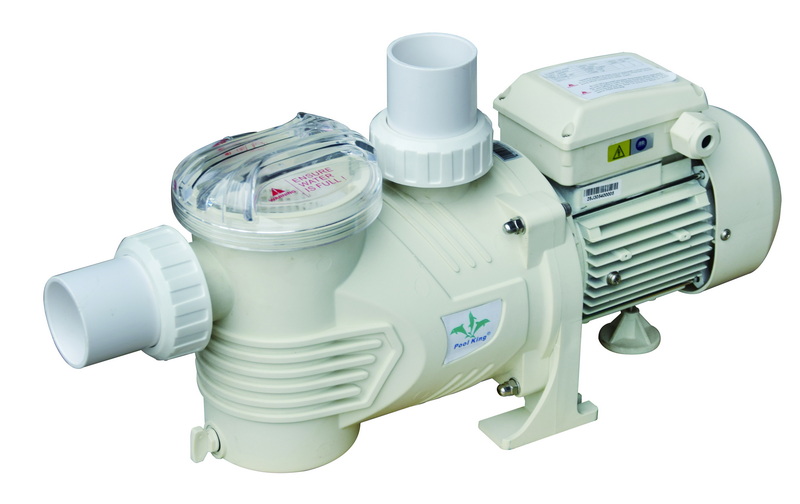
In hot, sunny climates or during midsummer, algae growth and chlorine demand increase significantly.
In these conditions, many pool professionals suggest running a pool pump between 8 and 10 hours per day, and sometimes closer to 12 hours in very warm regions or when bather load is high. Strong ultraviolet exposure from the sun breaks down chlorine faster, so maintaining longer or well‑timed pool pump cycles helps distribute fresh sanitizer throughout the pool.
A seasonal infographic can show a summer pool scene with suggested pool pump runtimes and filtration times highlighted on a 24‑hour clock. You can also place a short “summer maintenance tips” video next to this section to improve engagement.
When the water temperature drops and the pool is used less frequently, it is possible to reduce daily pool pump runtime without compromising water quality.
Many guides recommend cutting pool pump operation to approximately 4–6 hours per day in winter for residential pools, provided that water chemistry remains balanced. For owners using automatic covers that reduce debris and sunlight, pool pump runtime may be lowered further, but at least a partial daily circulation remains important to prevent stagnant areas.
A simple line graph can illustrate how daily pool pump runtime changes across the year, rising in summer and dropping in winter, along with approximate temperature ranges and suggested schedules.
Single‑speed pool pumps run at full power whenever they are on, making runtime and energy consumption directly linked.
For single‑speed models, many professionals recommend operating the pool pump around 8–10 hours per day to achieve proper turnover, adjusting up or down based on pool volume and debris load. Because single‑speed pool pumps use relatively high power, reducing unnecessary runtime by even one or two hours per day can significantly cut electricity costs over a season.
A bar chart can compare daily energy use for different single‑speed pool pump runtimes, helping homeowners and commercial buyers understand savings potential when they fine‑tune their schedules.
Variable‑speed and multi‑speed pool pumps allow operators to reduce motor speed, lowering energy use and noise while often increasing total operating hours.
Many pool owners run variable‑speed pool pumps for 12 hours or more per day, with several hours at higher speed for skimming and cleaning and longer periods at low speed for filtration and circulation. At lower speeds, the pool pump uses much less power per hour, so extended runtime can still be more efficient while improving water quality and chemical distribution.
A technical video can show a variable‑speed pool pump control interface, explaining ideal programming for high‑speed and low‑speed cycles over a 24‑hour period, including timing for chlorinators and heaters.
Choosing the right time of day for pool pump operation influences both water quality and running costs.
Some experts recommend running at least part of the pool pump cycle during daylight hours to support chlorine effectiveness and surface skimming, particularly when swimmers are present. Where time‑of‑use tariffs or off‑peak electricity rates exist, scheduling a portion of pool pump operation for off‑peak hours can significantly reduce energy bills while still achieving the required filtration time.
A simple timetable graphic can display morning, midday, and night blocks, showing how to split pool pump runtime into two or three sessions for optimum circulation and energy efficiency.
A modern pool pump paired with an efficient filter system can deliver excellent water quality with optimized energy use.
Keeping skimmer baskets, pump baskets, and filters clean reduces resistance, allowing the pool pump to move water more efficiently and potentially reducing necessary runtime. Correctly sizing a pool pump to match the pool volume and filtration system avoids both undersized units that must run excessively long and oversized models that waste electricity.
A maintenance video can demonstrate backwashing a sand filter, cleaning a cartridge element, and inspecting a pool pump strainer basket to show how routine care improves performance and extends equipment life.
Different combinations of pool pump and filtration equipment require slightly different runtime strategies for best performance.
Sand filters are widely used for their durability and ease of backwashing, and when paired with a properly sized pool pump they typically deliver excellent results within the standard 8–10 hour daily operation range. High‑efficiency cartridge and DE filtration systems can sometimes maintain comparable water clarity with shorter pool pump runtimes, particularly when used with advanced pool pump technology and optimized hydraulics.
A labeled diagram can show a complete equipment set including pool pump, sand filter, heater, salt chlorinator, and return lines, highlighting how each component interacts with the circulation system and how runtime choices affect each stage.
As a Chinese factory specializing in premium sand filter systems, pool filters, and pool pumps, the focus is on delivering high‑efficiency circulation solutions tailored to international brands and professional buyers.
Intelligent manufacturing and strict quality control enable production of sand filters, DE filters, cartridge filters, pool pumps, LED pool lights, and accessories capable of stable performance under extended daily runtimes. OEM and ODM services can include customized pool pump flow rates, motor power, and control interfaces to match the target market’s typical pool sizes, filtration standards, and energy regulations.
A factory video tour can highlight automated production lines for sand filters and pool pumps, endurance testing for motor units, and hydraulic performance testing under different runtime scenarios, giving overseas customers confidence in long‑term reliability.
Translating theory into everyday schedules helps end users operate the pool pump confidently.
For a mid‑sized residential pool with a correctly sized single‑speed pool pump, a simple schedule might be 4 hours in the morning and 4 hours in the afternoon, totaling 8 hours of daily filtration. For a larger pool using a variable‑speed pool pump, the schedule may include 3–4 hours on higher speed for vacuuming and surface skimming, followed by 8–9 hours on low speed to maintain quiet, efficient filtration.
A sample timetable graphic can show a 24‑hour clock with color‑coded blocks representing different pool pump speeds and functions such as heating, chlorination, or water features. You can also embed a step‑by‑step video tutorial showing how to set these schedules on a digital timer or smart controller.
For professional operators and experienced homeowners, there are several advanced strategies that can further optimize pool pump runtime.
One method is to perform a simple trial schedule: start with a moderate daily runtime, observe water quality and chemical consumption for one to two weeks, then adjust pool pump hours up or down by one hour until the best balance appears. Another strategy is to combine pool pump control with smart sensors, such as flow meters or water quality analyzers, which can trigger longer filtration when the pool is heavily used or when water becomes less clear.
To enrich this section, you can add a short explainer video showing a “before and after” comparison when automated controls are used with a pool pump and filter system.
Many pool owners and even some commercial operators make similar mistakes when deciding how long to run a pool pump.
One common error is assuming that a very powerful pool pump needs fewer hours of operation; in reality, oversized units may create excessive flow, reduce filtration efficiency, and still fail to provide uniform circulation in all corners of the pool. Another frequent mistake is reducing pool pump runtime too drastically in cooler seasons without checking water balance, which can trigger algae blooms when temperatures suddenly rise.
An instructional video can list the top mistakes, with short segments for each point, helping viewers understand why a carefully planned schedule is better than random adjustments.
The design and layout of the swimming pool itself also influence how long the pool pump should run.
Pools with complex shapes, long narrow sections, built‑in spas, or multiple levels may have “dead zones” where water movement is weaker; in such cases, additional inlets, return jets, or longer pool pump runtime may be needed to achieve full circulation. Pools located under trees or in dusty environments also tend to accumulate more debris, meaning the pool pump and filter have to work longer each day to keep the water clear and inviting.
A top‑view diagram of a complex pool can illustrate water flow paths, making it easier for readers to visualize why some designs need adjusted pool pump schedules or extra returns and skimmers.
Good water chemistry and correct pool pump runtime always work together rather than separately.
If chlorine, pH, alkalinity, and stabilizer levels are poorly maintained, simply increasing the hours of pool pump operation will not fully solve problems such as algae or cloudy water. On the other hand, even perfectly balanced water requires adequate pool pump runtime to distribute chemicals evenly, push them into corners and steps, and move contaminants toward the filter.
A short chemical‑maintenance video can complement this section, explaining how to test the water and showing how the pool pump helps distribute chemicals after each adjustment.
Running a swimming pool pump for the right number of hours each day is essential for maintaining clear, safe, and comfortable water while controlling operational costs. For most residential installations, a correctly sized pool pump operating 8–12 hours per day during the main season and 4–6 hours per day during cooler periods provides a solid balance between water quality and energy efficiency, especially when combined with clean filters, proper chemical management, and smart scheduling. Professional buyers and overseas brand owners can enhance their own pool system designs by pairing well‑engineered pool pumps with suitable sand, cartridge, or DE filters, ensuring that each project achieves the ideal daily runtime and turnover rate for long‑term reliability and high customer satisfaction.
Contact us to get more information!
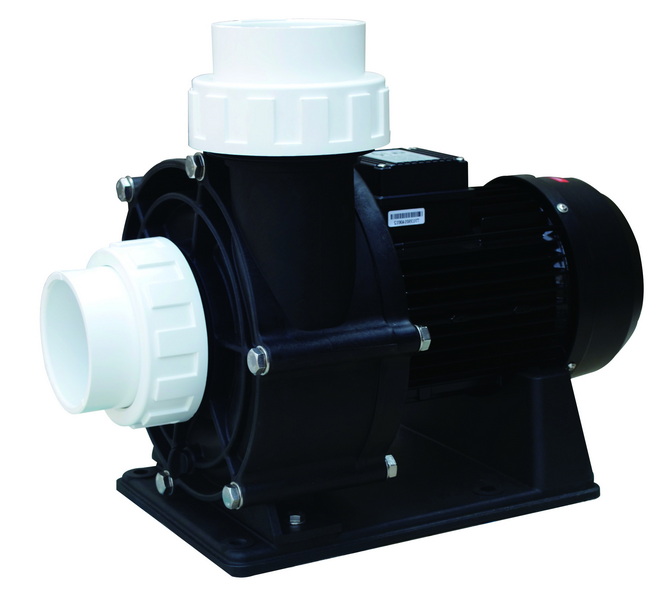
Yes, a pool pump should run every day to circulate and filter the water, preventing stagnation, algae growth, and uneven chemical distribution. Even when the pool is not in active use, daily operation of the pool pump for at least a few hours helps maintain basic water quality and protects pool surfaces and equipment.
Both options can work, but splitting pool pump runtime between day and night often offers the best results. Running some hours during the day supports skimming debris and distributing chlorine while swimmers are using the pool, while operating part of the cycle at night may take advantage of off‑peak electricity pricing where available.
In terms of water quality, longer pool pump runtime is generally safe, but beyond a certain point it brings diminishing returns and higher energy costs. If a pool pump is already achieving the required turnovers in 8–10 hours, increasing operation to 16–24 hours per day usually does not significantly improve clarity but greatly increases electricity consumption and mechanical wear.
Common signs of insufficient pool pump runtime include cloudy water, persistent debris, difficulty maintaining chlorine levels, and recurring algae problems. If water quality improves after adding a few extra hours of daily pool pump operation, this indicates that the previous schedule was too short for the pool size, equipment, or environmental conditions.
Variable‑speed pool pumps often run for longer total hours than single‑speed models but at much lower speeds, which can still reduce energy consumption overall. Extended runtime at low flow rates improves filtration and circulation efficiency, so a variable‑speed pool pump may operate 12 hours or more per day while using less power than a single‑speed pump running only 8 hours per day.
1. https://mrpoolman.com.au/blogs/news/how-long-should-i-run-my-pool-pump-every-day
2. https://www.oreateai.com/blog/how-long-should-a-pool-pump-run-daily/e5b0e48ca3b24bf944151b95b350c9d4
3. https://www.ergon.com.au/retail/residential/home-energy-tips/appliances/pools
4. https://escapepools.com/optimum-length-and-time-of-day-to-run-a-pool-pump/
5. https://www.jimspoolcare.com.au/news-pool-cleaning/how-long-should-i-run-the-pool-pump-for-each-day/
6. https://www.clarkrubber.com.au/blog/5-tips-for-an-energy-efficient-and-environmentally-friendly-pool
7. https://www.factorypoolsperth.com.au/do-i-need-to-run-my-pool-pump-every-day/
8. https://www.zodiac.com.au/blog/top-question-our-customers-ask-how-long-should-i-run-my-pump-for
9. https://www.zodiac.com.au/blog/16-tips-for-reducing-your-pool-running-costs
10. https://www.youtube.com/watch?v=u4ExnupI26o


